Emission Limit
Harmonized electromagnetic compatibility requirements specify acceptable limits for radiated and conducted emissions from commercial multimedia equipment. Compliance with EN 55032 establishes that an electronic product operates within designated electromagnetic threshold limits without causing radio frequency interference to nearby receivers. The requirement governs final electronic assembly verification for European market access, applying across Class A commercial and Class B residential operational environments.
It ceases to apply to specialized industrial, medical or automotive electronics that fall under separate regulatory standards.
Radiation Assessment
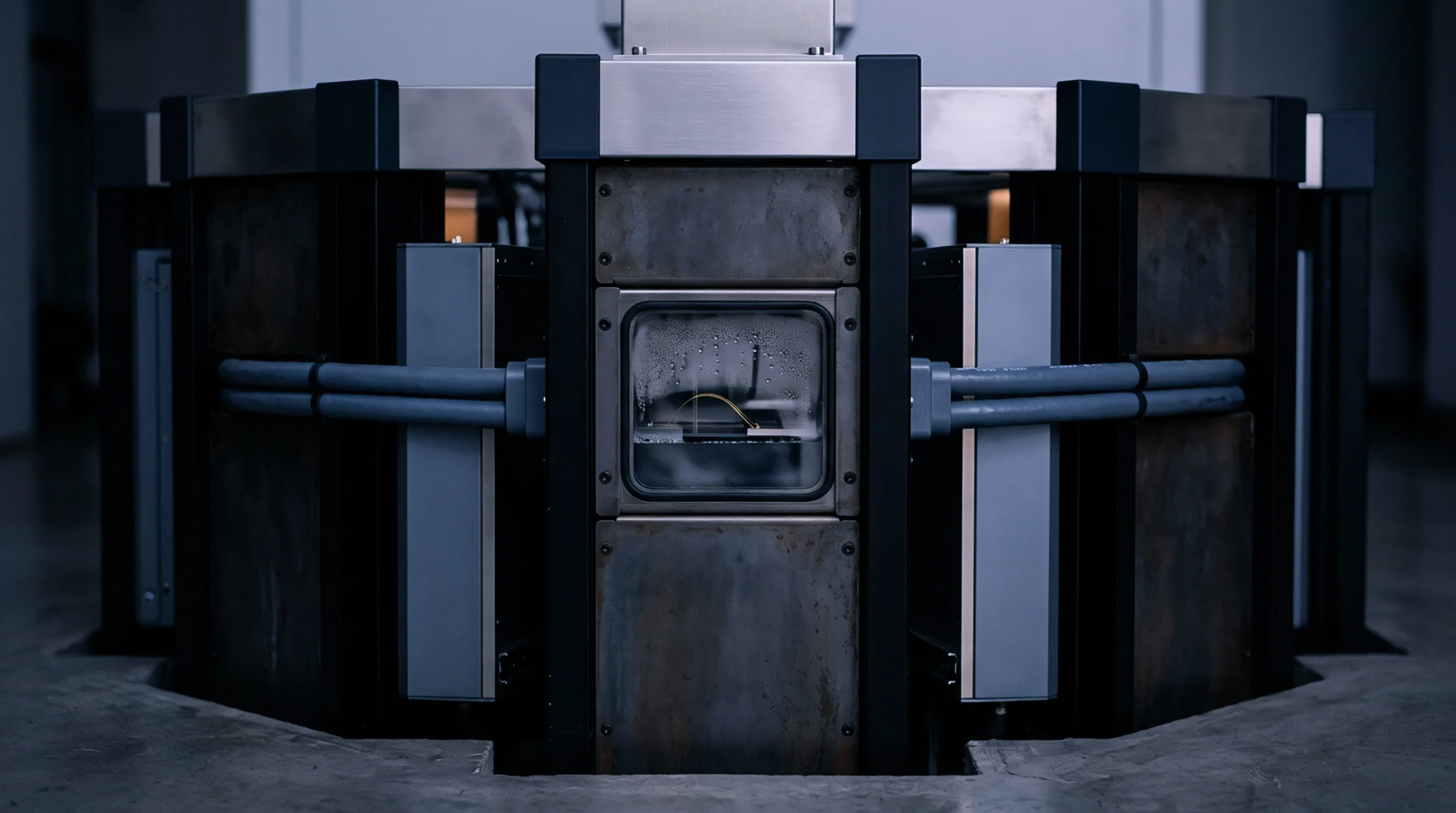
Testing procedures quantify electromagnetic emissions across specified frequency bands using anechoic chambers and line impedance stabilization networks. Radiated emission evaluations capture high frequency noise originating from board clock lines and high speed switching power supplies. Conducted emission tests evaluate unwanted high frequency current fed back into alternating current mains cables.
Standard Testing
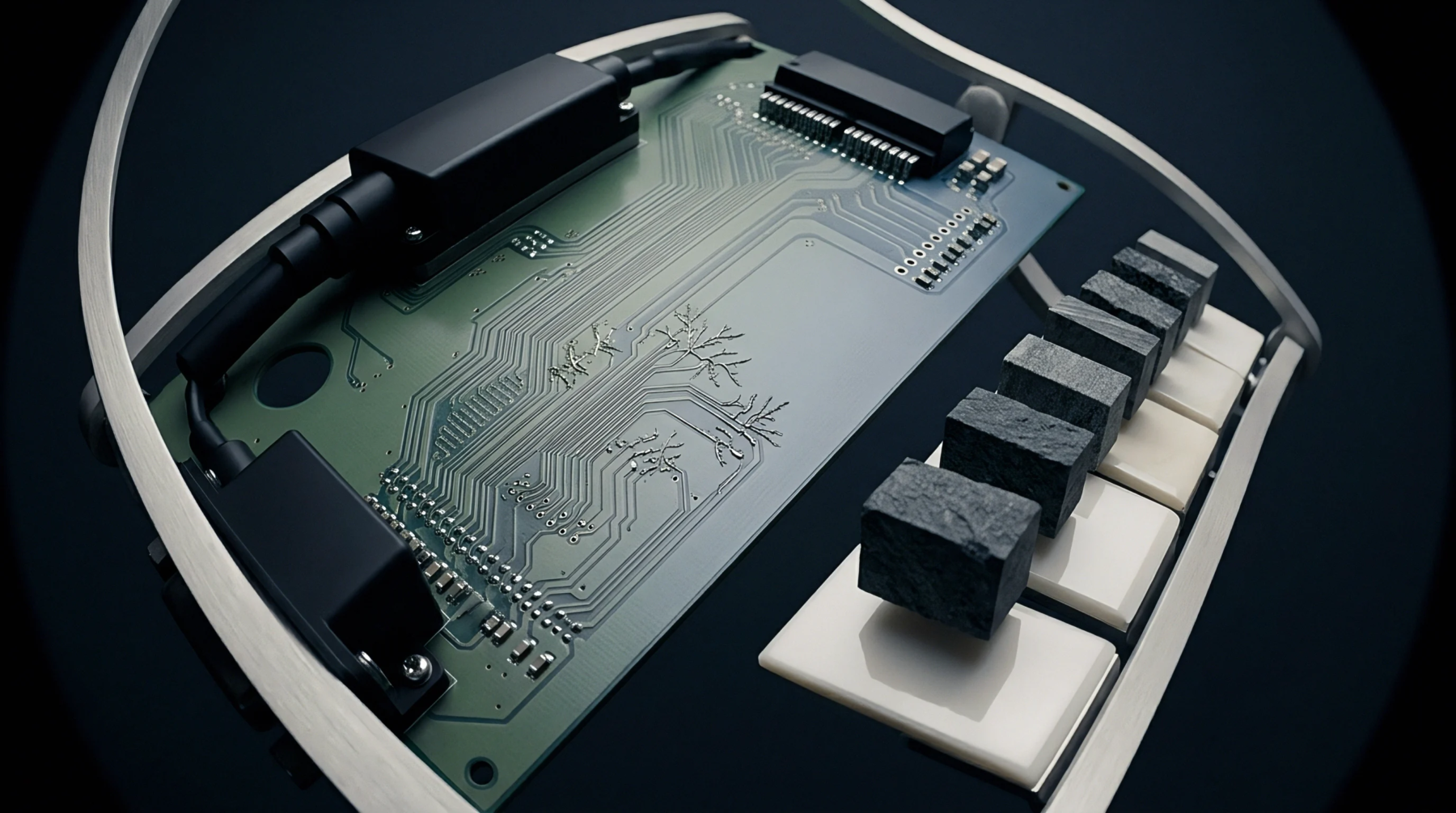
Product design teams prevent unwanted radio emissions by implementing multi-layer PCB ground planes, shielding enclosures and ferrite beads on external cables. When an electronic assembly fails testing, unshielded cable loops or poor chassis grounding usually act as efficient radiator structures. Diagnostic scans identify specific PCB trace geometries or component switching frequencies that violate maximum decibel microvolt thresholds.
Corrective measures involve trace re-routing, adding decoupling capacitors or enhancing enclosure seam shielding before commercial distribution begins.