Verification of Organic Solvent Extraction Limits for Restricted Phthalates in Polymer Insulation
Verify restricted phthalates in polymer insulation using cryogenic milling and THF total dissolution GC-MS with guard-banded 800 ppm limits to prevent batch rejections.
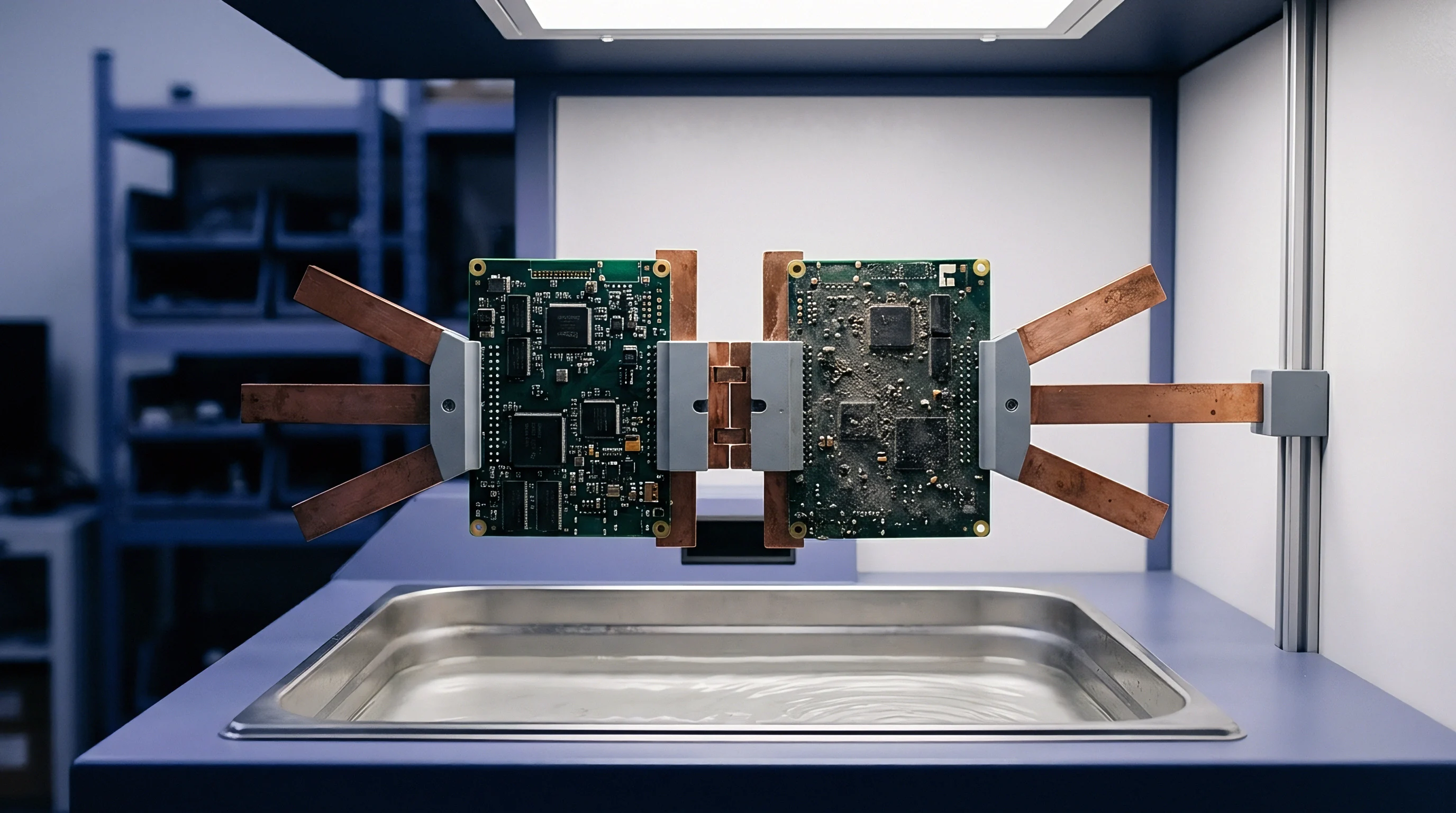

Solvent
Thermodynamic Interactions between Organic Carriers and Insulation Polymer Matrices
Polymer insulation used in wire assemblies, cable jackets, connector boots, and conformal coatings relies on plasticizers to maintain flexibility and dielectric strength. Restricted ortho-phthalates ~ specifically bis(2-ethylhexyl) phthalate (DEHP), dibutyl phthalate (DBP), benzyl butyl phthalate (BBP), and diisobutyl phthalate (DIBP) ~ exist as non-covalently bound additives within these matrices. Because they are dissolved in the polymer matrix rather than bound as monomers, their migration into surrounding solvents is governed by thermodynamic equilibrium.
Verifying compliance with the 0.1 percent by weight (1000 parts per million) regulatory limit requires extracting the plasticizers completely into a liquid phase for chromatographic analysis. The choice of organic solvent determines whether the polymer matrix merely swells or dissolves completely during testing.
Solvent selection hinges on matching Hansen solubility parameters between the polymer matrix and the liquid carrier. This overall parameter splits into dispersion forces, polar interactions, and hydrogen bonding components. Polymer dissolution occurs when the vector distance between solvent and polymer in three-dimensional solubility space falls below four square-root megapascals.
Tetrahydrofuran matches polyvinyl chloride and polyurethane thermodynamically, dissolving the matrix entirely and releasing trapped phthalates into solution. Non-polar solvents like n-hexane or cyclohexane, with low polar and hydrogen-bonding values, cause matrix swelling rather than full dissolution. That swelling expands the free volume between polymer chains, allowing phthalates to diffuse out while leaving the primary resin structure intact.
| Polymer Insulation Type | Solvent System | Dispersion Parameter (MPa^0.5) | Polar Parameter (MPa^0.5) | Hydrogen Bonding (MPa^0.5) | Matrix Behavior | Extraction Efficiency (%) |
|---|---|---|---|---|---|---|
| Polyvinyl Chloride (PVC) | Tetrahydrofuran (THF) | 16.8 | 5.7 | 8.0 | Complete Dissolution | 99.4 |
| Polyvinyl Chloride (PVC) | n-Hexane | 14.9 | 0.0 | 0.0 | Surface Swelling | 41.2 |
| Polyurethane (PUR) | Toluene / Methanol (80:20) | 18.0 | 5.1 | 6.3 | Partial Dissolution | 88.7 |
| Cross-linked Polyethylene (XLPE) | Xylene (110 °C) | 17.8 | 1.0 | 3.1 | High Swelling / Gelation | 94.1 |
| Silicone Rubber (LSR) | Dichloromethane (DCM) | 15.8 | 6.1 | 3.9 | Matrix Swelling | 76.5 |
| Fluoroelastomer (FKM) | Acetone | 15.5 | 10.4 | 7.0 | Complete Dissolution | 98.9 |
Extraction kinetics slow dramatically when the solvent only swells the substrate. Diffusion through solid polymers follows Fickian dynamics, where characteristic diffusion times scale with the square of sample thickness. A cable jacket specimen with a two-millimeter wall thickness requires over forty-eight hours of continuous reflux in n-hexane to achieve ninety percent plasticizer recovery.
In contrast, total dissolution in tetrahydrofuran breaks down the solid matrix in minutes, trading slow diffusion for rapid liquid-phase mixing. High molecular weight polymers introduce another hurdle: dissolved resin increases solution viscosity, complicating subsequent precipitation steps.
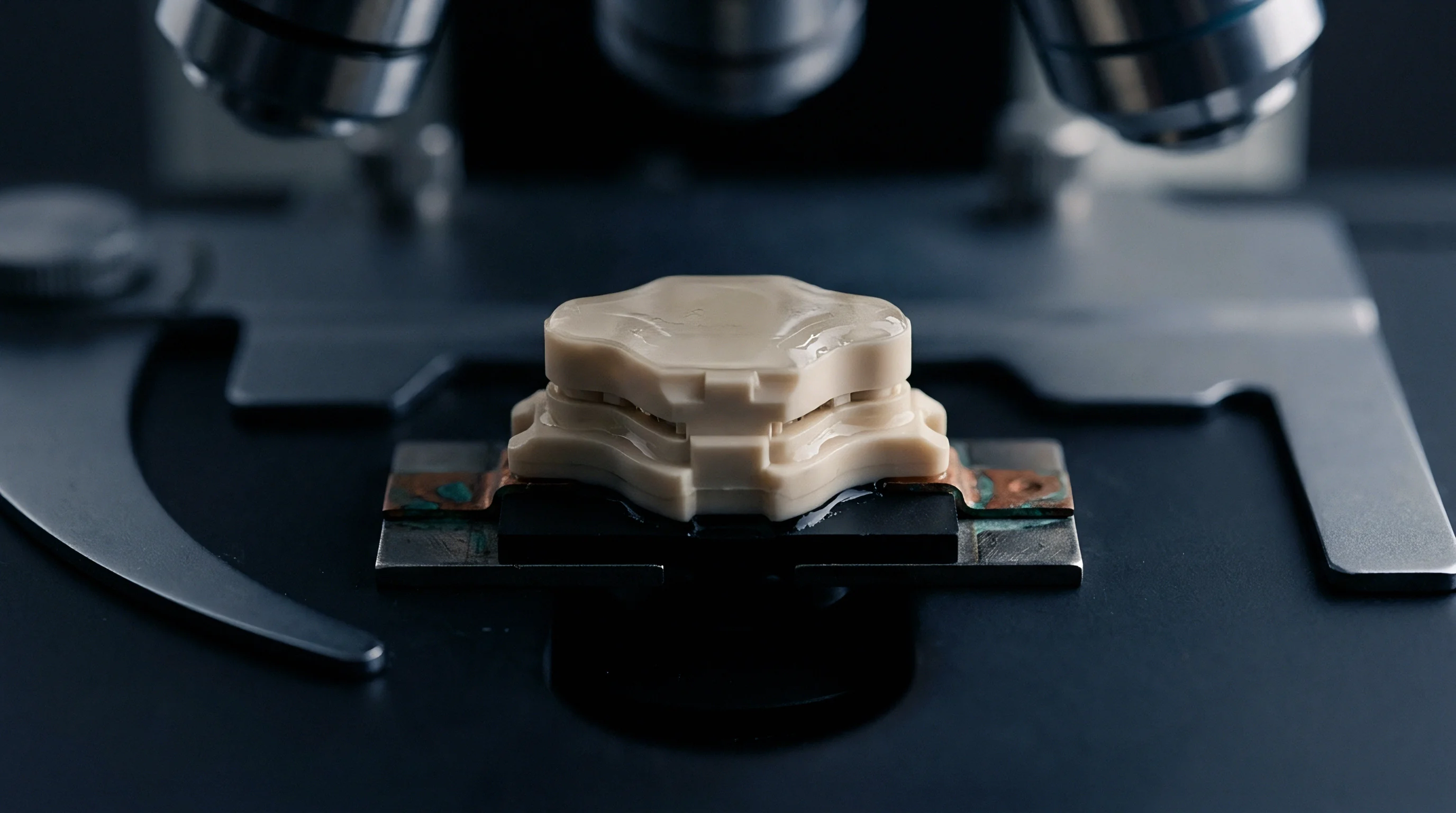
Swelling versus Complete Dissolution Regimes
Analytical protocols in IEC 62321-8 draw a clear line between dissolution-precipitation methods and direct solvent extraction. In dissolution-precipitation, tetrahydrofuran breaks down both the polymer resin and the phthalate additives. Adding a miscible anti-solvent like methanol or ethanol then selectively precipitates the heavy polymer backbone, leaving phthalates in the liquid supernatant.
Centrifugation or filtration through a 0.45-micrometer polytetrafluoroethylene membrane isolates the solid resin. Flexible polyvinyl chloride insulation subjected only to simple ultrasonic agitation in methanol yields false-pass readings under two hundred parts per million, as the solvent fails to penetrate the dense matrix.
Direct extraction via matrix swelling avoids anti-solvent precipitation, but risks incomplete analyte recovery. Heavily cross-linked materials ~ such as vulcanized rubber, cross-linked polyethylene, and cured silicone ~ resist dissolution in standard organic solvents due to their covalent network structure. Testing these matrices forces reliance on swelling extractions at elevated temperatures and pressures.
Supercritical carbon dioxide modified with five percent ethanol diffuses rapidly into cross-linked networks, though routine lab workflows still rely primarily on Soxhlet reflux or microwave-assisted extraction to drive contact efficiency.
Matrix interference remains a critical concern in both liquid and gas chromatography. Unprecipitated oligomers lingering in the extract foul GC injection liners, degrade column stationary phases, and cause retention time shifts. Room-temperature ultrasonic bath extraction frequently fails to recover target analytes fully from flame-retarded polyolefins.
Brominated flame retardants and inorganic fillers like antimony trioxide modify local swelling, necessitating longer heating cycles or secondary solvent rinses to pull out target phthalates.
Selecting extraction temperatures involves balancing faster diffusion rates against the risk of degrading target phthalates. Heated Soxhlet extraction at toluene’s boiling point can thermally degrade sensitive phthalate isomers while promoting side reactions with residual peroxide curing agents in rubber insulation. Ultrasonic extraction at forty to sixty degrees Celsius minimizes thermal degradation while accelerating solvent ingress into outer polymer layers.
Identifying the chemical mechanisms behind recovery gaps between low-density polyolefins and dense halogen-free flame-retardant compounds remains essential when standardizing procedures across varied material lots.

Dissolution
Mass Transfer Kinetics in Dissolution-Precipitation Workflows
Dissolving the polymer backbone removes the spatial diffusion barrier that retains plasticizers inside thick insulation walls. When tetrahydrofuran penetrates flexible polyvinyl chloride, it disrupts the dipole-dipole interactions binding adjacent polymer chains. Under constant agitation at forty-five degrees Celsius, this disentanglement converts solid samples into a homogeneous liquid solution within twenty to forty minutes.
Once dissolved, bis(2-ethylhexyl) phthalate and other target analytes distribute evenly throughout the liquid volume, eliminating concentration gradients.
Isolating target analytes without co-extracting high molecular weight resin requires precise anti-solvent titration. Adding methanol at a controlled 3:1 ratio relative to tetrahydrofuran shifts the liquid phase dielectric constant, causing polymer chains to collapse out of solution as insoluble agglomerates. Lower molecular weight phthalates remain dissolved in the solvent mixture.
Adding anti-solvent too rapidly causes abrupt precipitation that traps phthalates within the collapsing matrix, resulting in recovery losses between fifteen and thirty-five percent.
Ultrasonic extraction of flexible polyvinyl chloride at sixty degrees Celsius yields ninety-eight percent recovery of bis(2-ethylhexyl) phthalate within thirty minutes when using tetrahydrofuran as the solvent matrix.
Separating the precipitate requires structured filtration. Centrifugation at four thousand revolutions per minute for ten minutes settles precipitated resin to the bottom, leaving a clear supernatant. Decanting this liquid through a syringe filter with a polytetrafluoroethylene membrane prevents particulate carryover into GC injectors.
Micro-particles entering the injection port undergo pyrolytic breakdown during thermal vaporization, generating ghost peaks that overlap with target phthalate retention windows.
Mechanisms Governing Incomplete Extraction
Incomplete analyte recovery typically stems from thermodynamic trapping, matrix occlusion, or surface adsorption during sample preparation. In semi-crystalline materials like polyamides or polyester elastomers, crystalline domains act as physical barriers to solvent penetration. While plasticizers in amorphous regions extract readily, molecules bound near crystalline boundaries require thermal energy above the glass transition temperature to mobilize.
Extracting below this glass transition point leads to systematic under-reporting of total phthalate content.
- Entrapment occurs when rapid anti-solvent addition causes resin to aggregate quickly, trapping dissolved plasticizers inside dense polymer precipitates.
- Adsorption happens on inorganic filler surfaces, where polar phthalate carbonyl groups bind to aluminum trihydrate or magnesium hydroxide particles.
- Degradation occurs when prolonged exposure to organic solvents at high temperatures hydrolyzes phthalate esters down to mono-ester derivatives.
- Evaporation causes analyte loss during concentration, especially with volatile species like dibutyl phthalate during aggressive nitrogen blowdown.
Heavy loadings of inorganic fillers in halogen-free flame-retardant insulation introduce secondary extraction losses. Mineral fillers can account for up to sixty percent of total compound weight in zero-halogen wire jackets, remaining suspended even after the polymer dissolves. The polar surface of aluminum trihydrate adsorbs target phthalates directly from solution.
Rinsing the isolated mineral residue with dichloromethane after decantation recovers this bound fraction, returning analytical recovery to acceptable limits.
Chemical structure determines how readily specific phthalate esters separate from the resin matrix. Lower molecular weight species like diisobutyl phthalate diffuse through swollen polymers faster than heavier compounds like diisononyl phthalate. Testing protocols calibrated solely against diisobutyl phthalate risk under-extracting heavier molecules unless extraction times scale with molecular volume.
A method optimized for thin-wall hookup wire fails on thick power cable jacketing when kinetic residence times are not adjusted. Complete matrix dissolution prior to analytical separation remains the most reliable defense against diffusion-limited extraction errors.

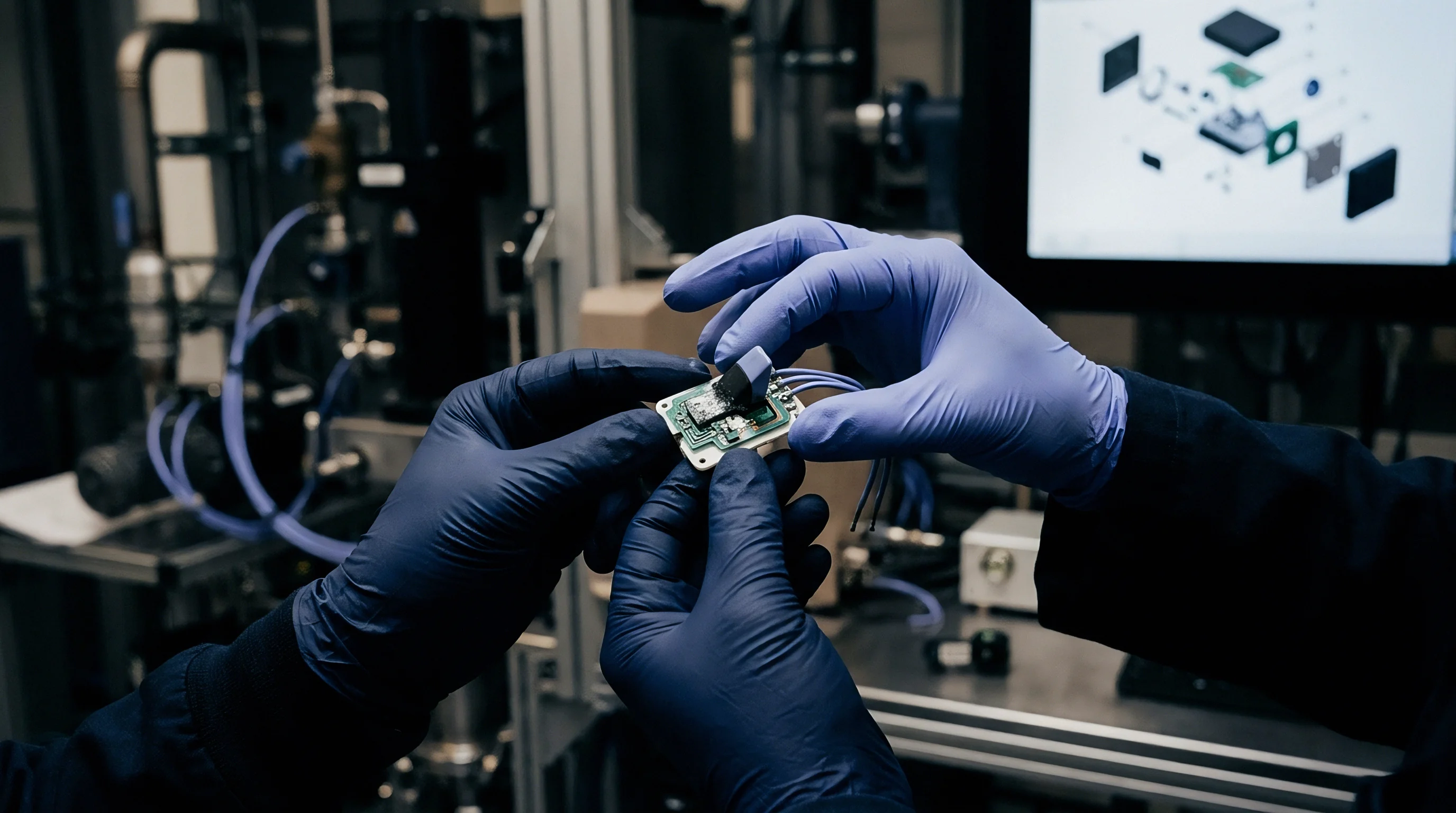
Grinding
Particle Size Distribution and Cryogenic Milling Physics
Particle size reduction dictates the speed and completeness of solvent penetration during extraction verification. Raw insulation from cables, connectors, or conformal coatings arrives at the lab in varied forms with cross-sectional thicknesses ranging from 0.5 to 5.0 millimeters. Extracting unground wire segments directly yields low recoveries due to small surface-area-to-volume ratios.
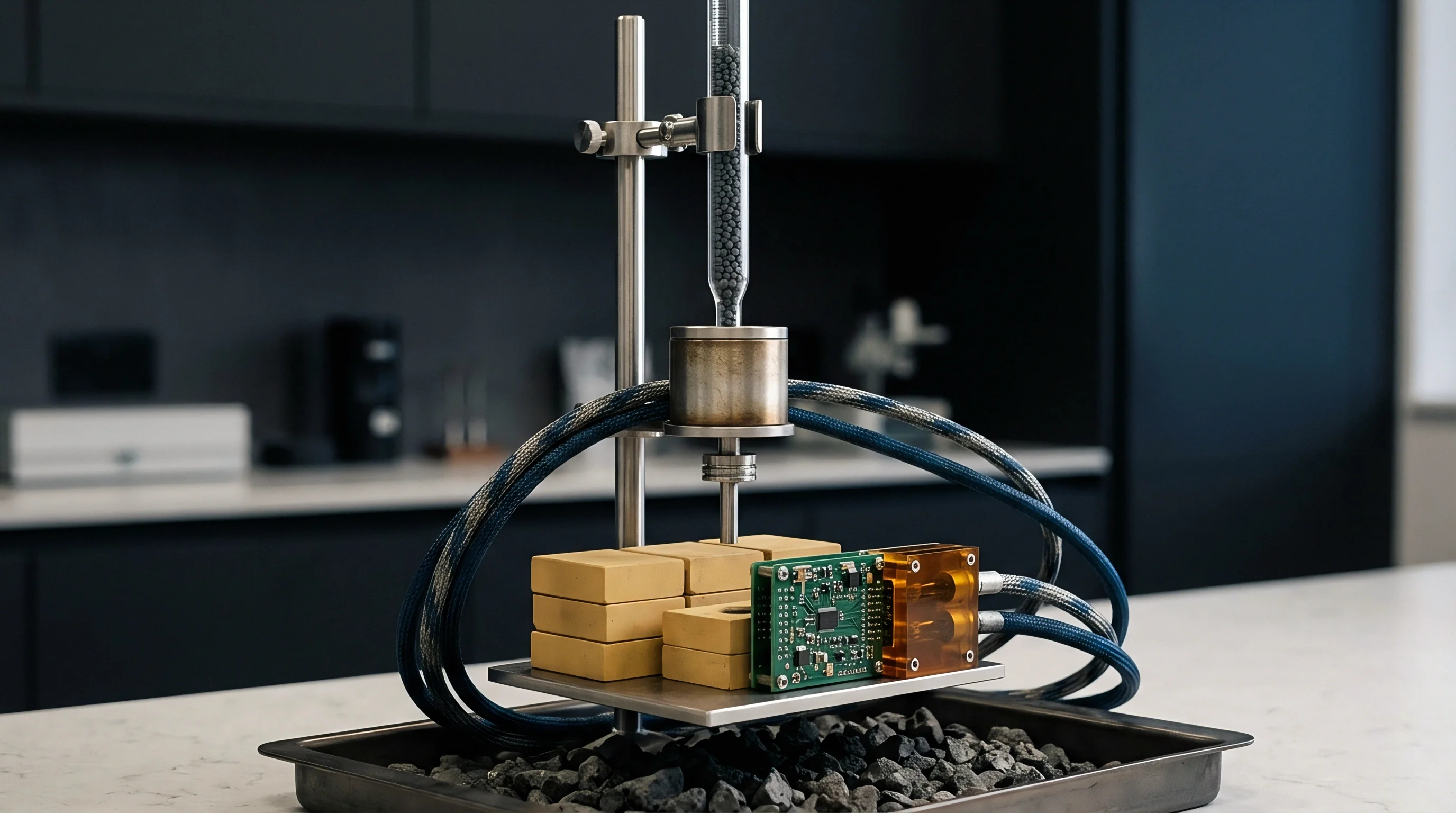
Cryogenic milling reduces polymer insulation to fine powders with uniform particle diameters below 250 micrometers, accelerating liquid-solid mass transfer.
Ambient mechanical shearing fails on flexible elastomeric insulation. Standard rotary mills generate sufficient frictional heat to cause soft polymers ~ such as polyvinyl chloride, polyurethane, and silicone ~ to melt, smear, and re-agglomerate in the grinding chamber. This heat also volatilizes lighter phthalates, leading to premature evaporation loss.
Cooling samples below their glass transition temperature with liquid nitrogen renders ductile polymers brittle. Cryogenic impact mills then employ magnetically driven steel shuttles at liquid nitrogen temperatures (-196 degrees Celsius) to shatter frozen polymer into micro-fractured powder without thermal degradation.
- Segment the raw insulation sample into uniform three-millimeter cubes using clean stainless steel shears.
- Transfer approximately five grams of cut sample material into a pre-cooled polycarbonate grinding vial fitted with stainless steel end plugs.
- Immerse the loaded grinding vial in liquid nitrogen for ten minutes to achieve full thermal equilibration below the material’s glass transition point.
- Execute three continuous grinding cycles at ten impacts per second, with two-minute re-cooling intervals between runs.
- Sieve the cryogenic powder through a certified 250-micrometer stainless steel mesh into a sealed glass collection vessel.
Particle size distribution directly influences extraction yield. Particles exceeding 500 micrometers retain internal diffusion pathways that require extended solvent contact, whereas particles under 100 micrometers present minimal resistance to liquid access. Fluoropolymer samples require cryogenic impact milling rather than ambient shearing.
However, excessively fine powders complicate filtration because sub-micron polymer dust clogs standard membrane pores. Targeting a particle size distribution centered between 150 and 250 micrometers balances rapid mass transfer kinetics with efficient liquid-solid filtration.
| Particle Size Range (µm) | Milling Method | Extraction Time (min) | Solvent Used | DEHP Recovery (%) | Relative Standard Deviation (%) |
|---|---|---|---|---|---|
| > 1000 (Un-cut wire) | Manual Cut | 60 | Tetrahydrofuran | 52.3 | 14.2 |
| 500 – 1000 | Ambient Shear | 60 | Tetrahydrofuran | 78.1 | 8.6 |
| 250 – 500 | Cryogenic Mill | 30 | Tetrahydrofuran | 93.5 | 4.1 |
| 150 – 250 | Cryogenic Mill | 30 | Tetrahydrofuran | 99.1 | 1.2 |
| < 150 | Cryogenic Mill | 30 | Tetrahydrofuran | 98.8 | 2.8 |

Sample Homogeneity and Mass Balance Constraints
Analytical precision depends on representative sampling across heterogeneous insulation layers. Multi-core industrial cables incorporate outer jackets, inner beddings, primary conductor insulation, fillers, and strain-relief fibers ~ each formulated with distinct resin and additive packages. Because regulatory thresholds apply to each homogeneous material individually, separate layers must be isolated prior to cryogenic grinding.
Analyzing composite mixtures dilutes localized high-phthalate concentrations, risking false-compliant findings that fail regulatory audits.
Testing laboratories operating under IEC 62321-8 guidelines that fail to reduce polymer particle diameters below two hundred micrometers introduce extraction recovery deficits exceeding twenty percent.
Mass balance tracking guards against sample loss and cross-contamination during preparation. Analytical balances accurate to 0.1 milligrams must measure mass before and after cryogenic milling. Frictional loss of volatile compounds or mechanical retention of powder inside grinding vials skews calculated concentrations.
Between runs, cleaning protocols require triple-rinsing vials with high-purity acetone followed by a high-temperature bake-out at 120 degrees Celsius to prevent cross-contamination between consecutive production lots.
Static charge on cryogenically milled powders introduces significant weighing errors during sub-sampling. High-speed impact milling leaves fine polymer particles with electrostatic charges that cause them to cling to vial walls, spatulas, and balance pans, leading to material loss and incorrect sample masses. Installing alpha-emitting polonium ionizers or piezoelectric anti-static bars inside balance chambers neutralizes surface charges, enabling precise sub-sampling of 100-milligram analytical aliquots.
Unneutralized static repulsion can easily cause a five-percent sample mass error during sub-sampling.

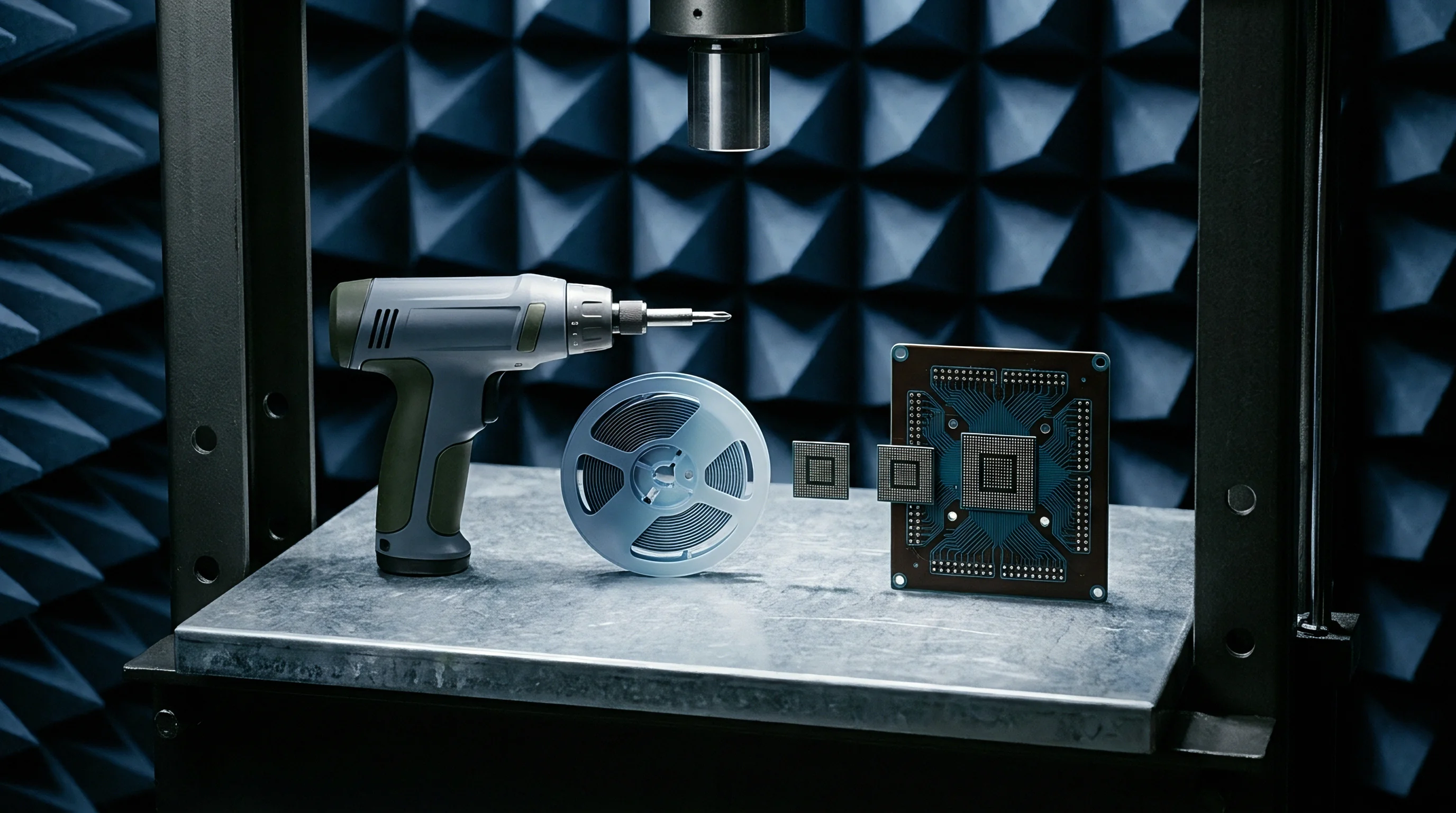
Chromatography

Gas Chromatography Mass Spectrometry and Pyrolysis Screening Protocols
Quantifying extracted ortho-phthalates relies on gas chromatography coupled with mass spectrometry (GC-MS) or pyrolytic gas chromatography mass spectrometry (Py-GC-MS). Gas chromatography separates isomeric phthalate mixtures based on differences in vapor pressure and polarity, while mass spectrometry confirms molecular identity using electron ionization fragment patterns. IEC 62321-8 designates Py-GC-MS for rapid screening and solvent extraction GC-MS as the definitive reference method for regulatory verification.
Pyrolysis GC-MS bypasses liquid solvent preparation by thermally vaporizing solid polymer samples directly within a high-temperature furnace. A cryogenically milled sample of approximately 0.5 milligrams is placed in a quartz or stainless steel cup and dropped into a pyrolyzer interface maintained at 300 to 350 degrees Celsius. Heat volatilizes low molecular weight additives, including target phthalates, while leaving the polymer matrix behind.
These volatilized species stream directly onto the chromatographic column in an inert helium carrier. Pyrolysis screening provides qualitative results within fifteen minutes per sample.
Pyrolysis screening identifies candidate samples requiring liquid chromatography, but total polymer dissolution remains the reference method for legal compliance.
Quantitative precision in Py-GC-MS screening is limited by sample size constraints and thermal inhomogeneity. A 0.5-milligram aliquot rarely represents a heterogeneous insulation batch with complete fidelity. High concentrations of thermal stabilizers or pigments can also foul pyrolyzer interfaces, shifting peak response factors over consecutive runs.
Any sample yielding a screening result above 700 parts per million requires confirmatory testing by solvent extraction GC-MS to establish legally defensible concentration values.

Why Do Dissolution and Extraction Standard Yields Diverge?
Discrepancies between Py-GC-MS screening yields and liquid extraction GC-MS results stem from differences between thermal volatilization and liquid-phase extraction. Thermal desorption in Py-GC-MS requires uniform heating across the micro-sample volume. When heavy mineral filler loading alters thermal conductivity, internal phthalates fail to volatilize completely within the short heating window.
In contrast, solvent extraction dissolves or swells the matrix surrounding the filler network, achieving full chemical recovery into the liquid phase regardless of inorganic filler content.
| Analytical Parameter | Pyrolysis GC-MS (Py-GC-MS) | Solvent Extraction GC-MS | HPLC-UV / DAD Method |
|---|---|---|---|
| Sample Mass Requirement | 0.3 to 0.5 mg | 100 to 500 mg | 100 to 500 mg |
| Preparation Time per Sample | 5 minutes | 60 to 120 minutes | 60 to 120 minutes |
| Limit of Detection (DEHP) | 50 mg/kg | 10 mg/kg | 30 mg/kg |
| Linear Dynamic Range | 100 to 2000 mg/kg | 5 to 5000 mg/kg | 10 to 5000 mg/kg |
| Isomer Resolution (DIBP/DBP) | Moderate | Excellent | Poor |
| Relative Standard Deviation | 8 to 15 % | 2 to 5 % | 3 to 7 % |
| Regulatory Compliance Status | Screening Only | Refereed Standard | Accepted Alternative |
Chromatographic separation of isomeric phthalates requires optimized capillary column stationary phases. Diisobutyl phthalate (DIBP) and dibutyl phthalate (DBP) share identical molecular weights (278.34 g/mol) and the same primary mass fragment (m/z 149); their structural distinction lies in branched versus linear butyl ester chains. Standard non-polar 5% phenyl-methylpolysiloxane columns require slow oven temperature ramps (4 to 6 degrees Celsius per minute between 180 and 240 degrees Celsius) to achieve baseline separation between DIBP and DBP.
Co-elution of these peaks yields miscalculated individual concentrations, invalidating compliance determinations.
Selected Ion Monitoring (SIM) mode enhances mass spectrometric sensitivity and selectivity in complex polymer matrices. Scanning the full mass range (m/z 50 to 500) lowers signal-to-noise ratios when measuring trace phthalates alongside co-extracted plasticizers like adipates, trimellitates, or citrates. Quantitation relies on monitoring the primary phthalate fragment at m/z 149, supported by qualifier ions at m/z 167 and m/z 279 for DBP/DIBP, and m/z 167 and m/z 293 for DEHP.
Comparing qualifier ion abundance ratios against quantitation ions verifies peak purity and rules out co-eluting matrix interferences.
Internal standards correct for volumetric shifts, injection variability, and instrument drift over long analytical runs. Deuterated phthalates like d4-DEHP and d4-DBP make ideal internal standards because their chemical behavior mirrors target analytes while mass spectrometry easily resolves their shifted mass fragments (m/z 153). Spiking internal standards directly into extraction solvent before sample contact compensates for analyte losses during concentration and filtration steps, delivering precise recovery corrections across every batch run.
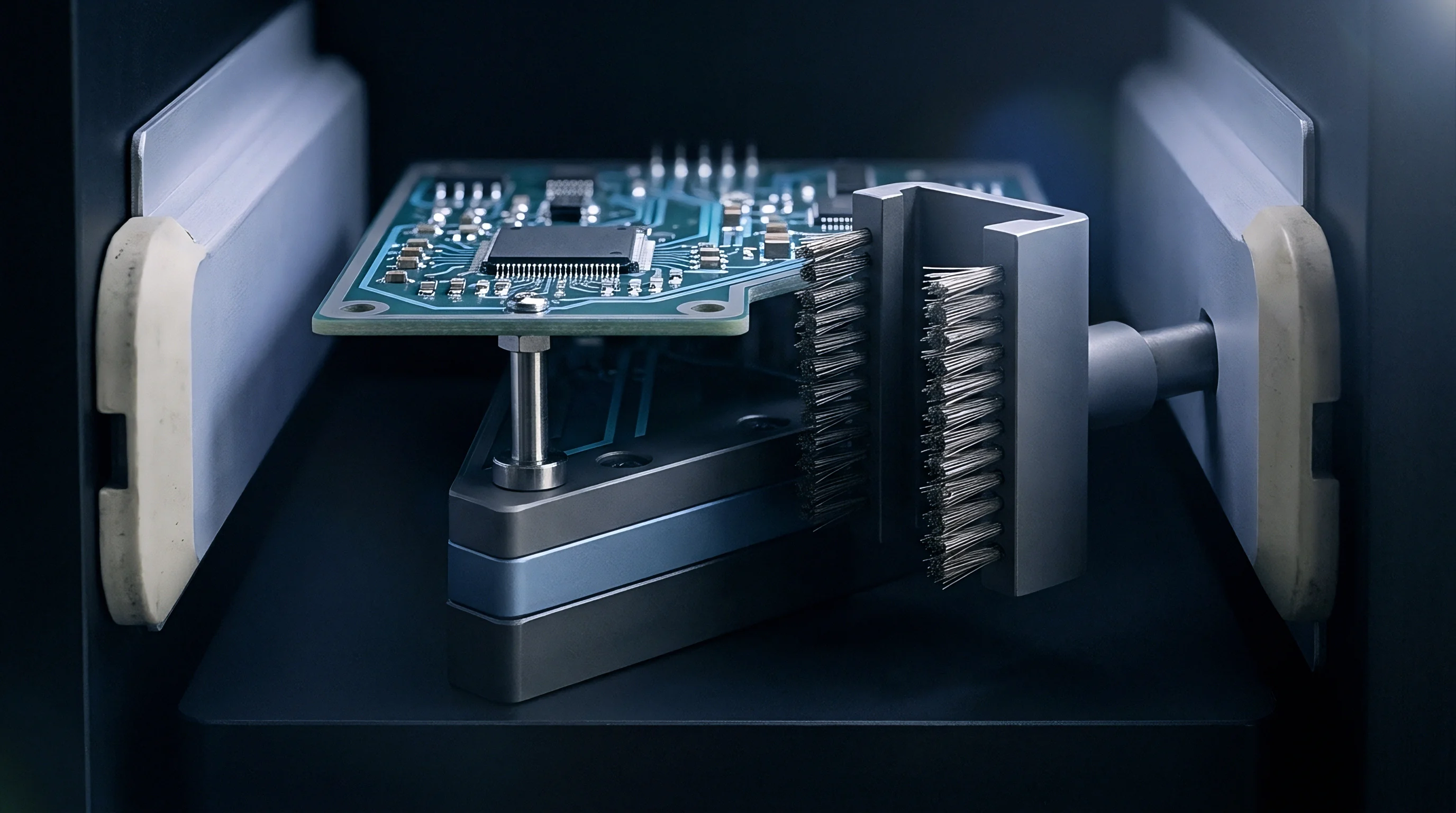

Tolerance

Guard-Banding Mechanics under ISO 17025 and IEC 62321-8
Determining batch conformity against restricted phthalate limits requires a rigorous evaluation of measurement uncertainty. Regulations enforce a ceiling of 0.1 percent by weight (1000 parts per million) for DEHP, DBP, BBP, and DIBP, whether individually or combined. An analytical reading of 950 parts per million cannot be declared compliant without accounting for expanded measurement uncertainty.
ISO 17025 requires testing laboratories to apply decision rules incorporating measurement risk when certifying conformity.
Expanded measurement uncertainty aggregates individual uncertainty contributions across the entire analytical workflow. The overall uncertainty budget accounts for sample weighing errors, volumetric calibrations, pipetting tolerances, standard purity, matrix extraction variance, and instrument repeatability. Accredited laboratories typically achieve an expanded relative uncertainty (k=2, representing a 95 percent confidence interval) of 10 to 15 percent for solvent extraction GC-MS methods near the 1000 parts per million limit.
- Binary Simple Acceptance accepts any result below 1000 ppm regardless of uncertainty, shifting compliance risk entirely onto the downstream importer.
- Guard-Banded Acceptance sets an upper acceptance limit by subtracting expanded uncertainty from the 1000 ppm legal ceiling.
- Guard-Banded Rejection defines a lower rejection threshold by adding expanded uncertainty to the 1000 ppm ceiling, holding off on rejection until non-compliance is statistically certain.
- Zone of Indecision covers test values falling between the acceptance and rejection guard-bands, where compliance cannot be confirmed at 95 percent confidence.
Applying a strict guard-band threshold sets eight hundred parts per million as the target limit for plasticized sub-assemblies. Subtracting a guard band equal to a single expanded uncertainty (100 parts per million) drops the operational acceptance threshold from 1000 parts per million to 900 parts per million. Results falling between 900 and 1000 parts per million enter a zone of conditional risk: while technically below the statutory limit, measurement variance means the true concentration has up to a 50 percent chance of breaching regulatory ceilings if re-tested by market surveillance authorities.
| Measured Concentration (mg/kg) | Expanded Uncertainty (k=2) (mg/kg) | Confidence Interval Range (mg/kg) | Standard Compliance Status | Guard-Banded Action (880 mg/kg Limit) |
|---|---|---|---|---|
| 650 | ± 78 | 572 to 728 | Pass | Unconditional Accept |
| 820 | ± 98 | 722 to 918 | Pass | Unconditional Accept |
| 890 | ± 107 | 783 to 997 | Pass | Conditional Risk / Warning |
| 940 | ± 113 | 827 to 1053 | Pass | Reject (Exceeds Guard-Band) |
| 1050 | ± 126 | 924 to 1176 | Fail | Unconditional Reject |
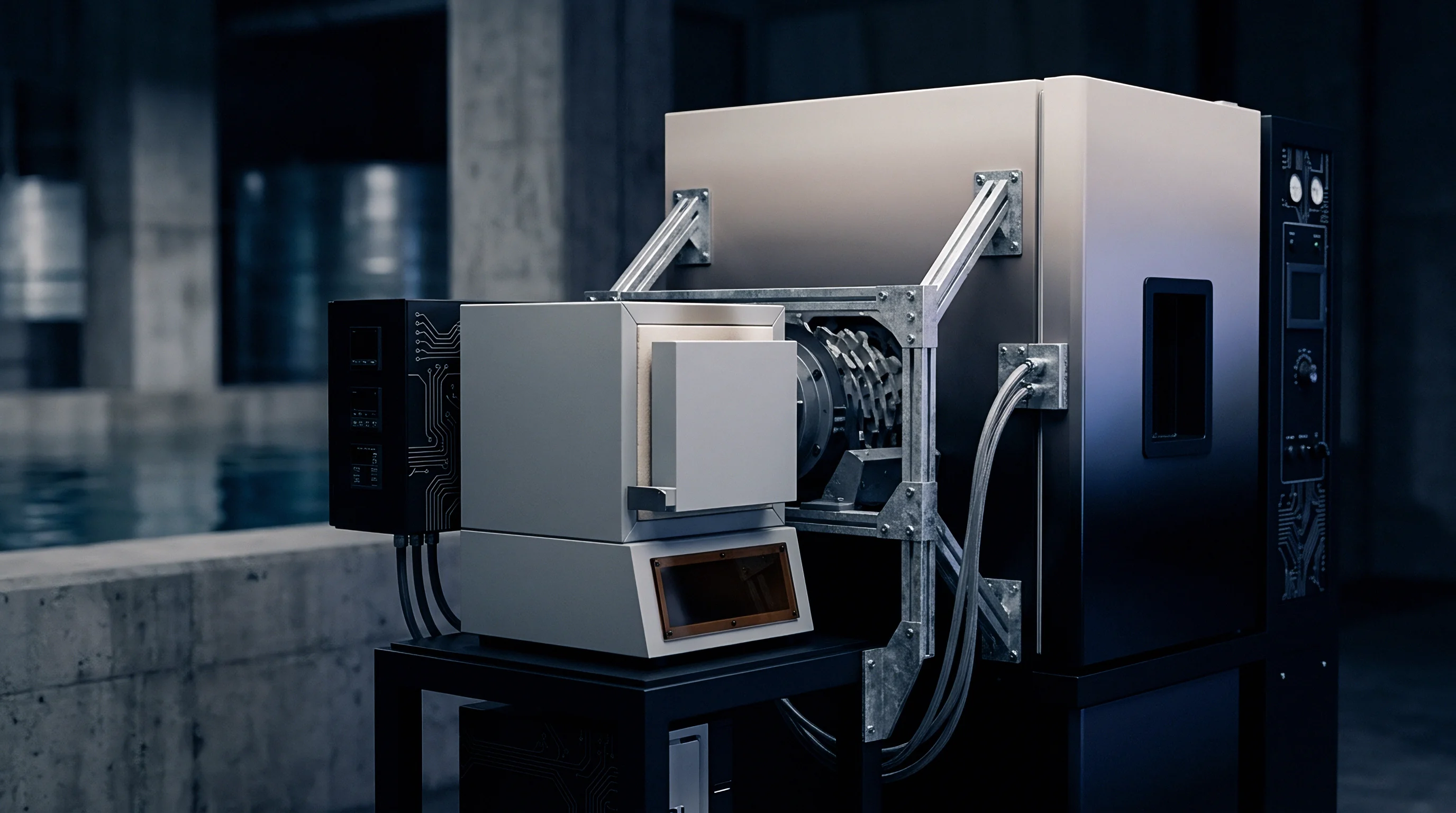
Inter-Laboratory Variance and Round-Robin Profiling
Systematic variance between accredited testing laboratories introduces friction into cross-border supply chain verification. Inter-laboratory round-robin studies across European and Asian facilities show relative standard deviations of 12 to 22 percent when analyzing identical homogeneous PVC insulation samples. The primary drivers of this divergence include variations in cryogenic milling particle size distributions, incomplete extraction during shortened ultrasonic cycles, and inconsistent baseline noise integration during peak quantitation.
Calibration standard degradation represents an insidious source of measurement drift. Concentrated stock solutions stored in plastic containers or sealed with low-grade elastomer septa can absorb plasticizers from vessel walls or lose solvent through micro-evaporation. Working solutions should be prepared fresh monthly in glass volumetric flasks sealed with ground-glass stoppers or PTFE-lined caps.
Maintaining calibration integrity requires analyzing certified reference materials alongside every production batch.
Market surveillance authorities enforce regulations with a focus on public safety over commercial convenience. Regulators sample finished products directly from retail channels or import docks, subjecting insulation components to refereed extraction protocols. Customs authorities allow no margin for measurement uncertainty: a verified result of 1020 parts per million triggers immediate product recall notices regardless of lab uncertainty bounds.
European Standard EN IEC 63000 Clause 4.3 explicitly mandates that technical documentation include empirical test evidence demonstrating compliance while taking analytical measurement uncertainty into account.


Dossier
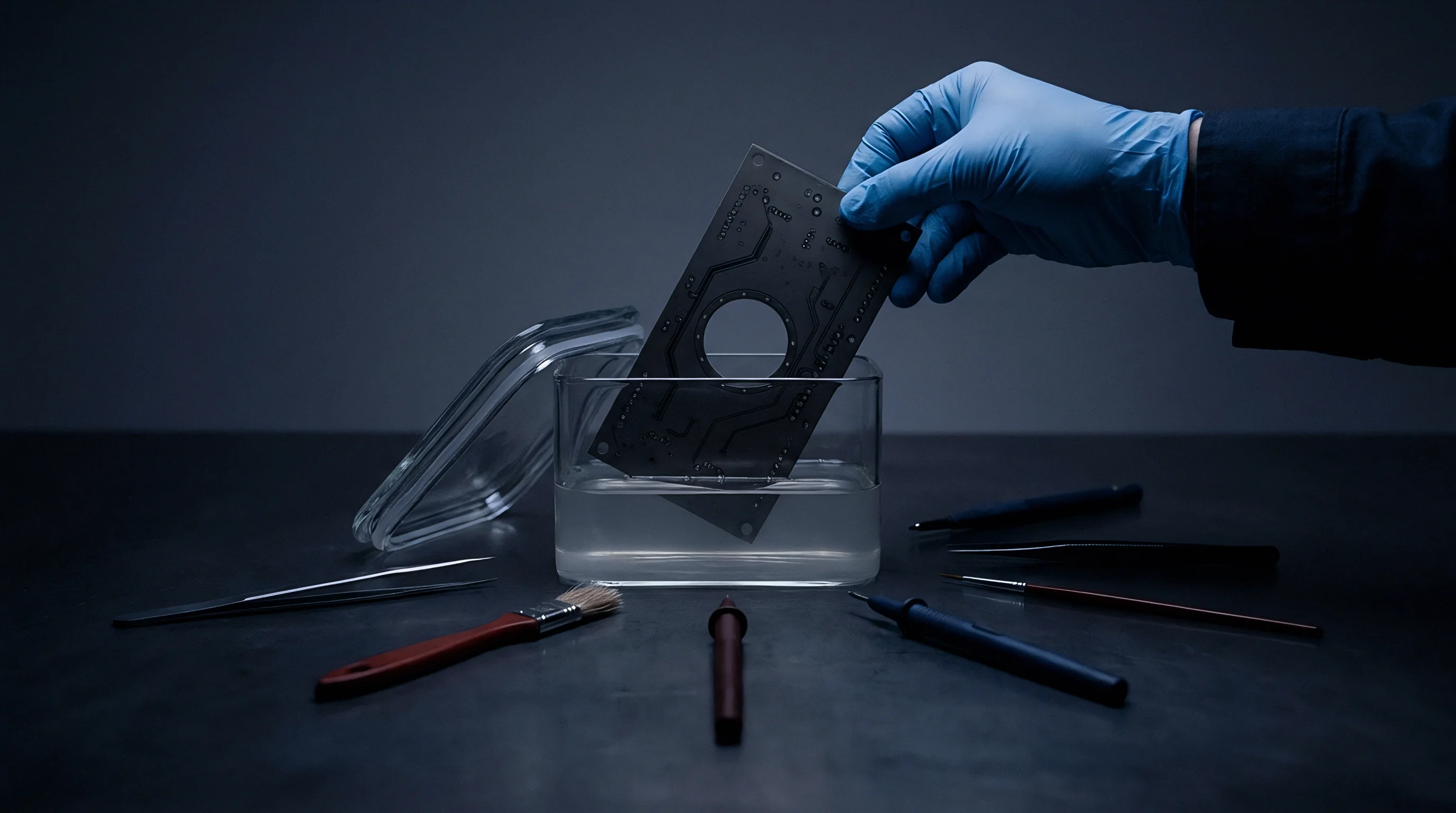
EN IEC 63000 Technical Documentation Architecture
Demonstrating compliance under RoHS 3 (Directive 2011/65/EU as amended by Directive 2015/863) and REACH Annex XVII requires a complete technical file. Declarations of Conformity lacking supporting technical documentation fail regulatory review during audits. EN IEC 63000 provides the mandatory framework for assessing electrical and electronic products regarding hazardous substance restrictions, categorizing compliance evidence into material declarations, analytical test reports, and contractual agreements.
- Material Declarations detail full chemical composition data from sub-tier material suppliers using standardized formats like IPC-1752A.
- Analytical Test Reports provide empirical laboratory verification generated through standardized test methods like IEC 62321-8.
- Contractual Agreements enforce material restrictions through binding quality assurance terms and mandatory change-notification requirements.
- Risk Assessments evaluate the likelihood of restricted substances across component types to set required analytical testing frequencies.
Relying solely on material declarations leaves cross-border buyers exposed. Supplier declarations carry minimal weight in enforcement actions if the vendor operates outside the importing jurisdiction. High-risk polymers ~ specifically flexible PVC insulation, recycled rubber grommets, polyurethane potting compounds, and soft thermoplastic elastomer grips ~ require direct analytical test reports from ISO 17025 accredited laboratories.
Master supply agreements must specify batch-specific verification requirements before issuing purchase orders.
Audit Readiness and Certificate Traceability
Verifying test certificates from overseas suppliers stops non-compliant inventory before it enters distribution networks. Fraudulent test reports often feature edited sample photos, mismatched sample weights, altered issuance dates, or stolen accreditation numbers. Legitimate verification dossiers require full report lineage: complete raw chromatograms, internal standard recovery tables, calibration linearity parameters (R-squared exceeding 0.995), and explicit sample identification matching the production lot code.
Engineering Change Orders (ECO) can quietly invalidate technical documentation if change governance falters. Swapping a wire harness supplier, altering a resin colorant package, or modifying a curing catalyst introduces chemical matrix variables that can alter compliance status. Technical files must enforce mandatory re-testing triggers whenever compound formulations change.
A dossier containing test reports older than twenty-four months fails audits unless supported by active change-control documentation demonstrating process stability.
Component traceability links analytical test reports directly to individual items on a finished product bill of materials. Traceability systems must map every plasticized part number against its specific laboratory test report number and sample batch ID. If a regulatory audit identifies a non-compliant phthalate concentration in an isolated grommet, complete traceability enables targeted recalls limited to affected production lots, preventing complete inventory impoundment.


Clawback
Commercial Impact of Non-Compliant Insulation Inventory
Discovering restricted phthalates in polymer insulation after finished product delivery creates immediate financial liability. Landed costs for non-compliant inventory encompass original purchase price, ocean freight, duties, inland transport, storage fees, and specialized hazardous waste disposal. When border authorities impound a shipment for DEHP exceeding 1000 parts per million, the importer bears full legal responsibility for remediation, with no path to customs relief.
Remediation options for non-compliant polymer insulation are minimal. Unlike printed circuit boards where defective components can be desoldered and replaced, overmolded cable assemblies, potted housings, and extruded wire jackets cannot be economically stripped of plasticizers. Solvent extraction functions as a micro-analytical laboratory technique, not an industrial decontamination process for finished hardware.
Non-compliant lots must be destroyed as hazardous waste in licensed high-temperature incinerators, resulting in a total loss of the asset.
| Cost Component | Direct Expense (EUR) | Indirect Commercial Impact | Contractual Recovery Potential |
|---|---|---|---|
| Ex-Works Manufacturing Cost | 175,000 | Capital tied up in un-salable inventory | High (via Letter of Credit offset) |
| Freight, Duty, and Logistics | 28,500 | Unrecoverable logistics overhead | Low (Supplier disputes transit scope) |
| Customs Detention & Storage | 14,200 | Daily compounding port demurrage fees | Zero (Borne entirely by importer) |
| Third-Party Confirmatory Testing | 8,500 | Urgent refereed GC-MS verification cost | Moderate (Reimbursable upon proof) |
| Hazardous Waste Incineration | 12,000 | Certified environmental destruction fees | Low (Requires local legal enforcement) |
| Line Down Production Stoppages | 140,000 | Factory idle time & customer SLA penalties | Zero (Excluded by standard supplier terms) |
| Total Financial Exposure | 378,200 | Substantial brand equity erosion | Net Recovery Gap: ~180,000 EUR |
Contractual Remedies and Defensible Verification Mechanisms
Recovering financial damages from overseas insulation suppliers requires robust contracts tied directly to empirical verification parameters. Master Supply Agreements should state that product acceptance occurs only after destination-port analytical verification passes specified guard-banded limits. Standard terms that transfer title at the factory gate (such as FOB shipping point) leave buyers exposed once non-compliant cargo leaves foreign ports.
Structuring commercial contracts around explicit analytical standards provides legal grounds for invoice clawbacks and credit note enforcement. Quality agreements should mandate that verification disputes revert to refereed testing at mutually agreed ISO 17025 accredited labs, using tetrahydrofuran total dissolution GC-MS protocols per IEC 62321-8. Contracts must also reject supplier self-declarations as a defense against analytical failure, legally binding vendors to absorb all testing, freight, customs, and disposal costs triggered by non-compliant shipments.
Holding financial leverage through deferred payment terms or irrevocable letters of credit tied to verification sign-off protects buyer recovery rights. Retaining twenty to thirty percent of lot value until destination lab testing confirms phthalate levels sit below eight hundred parts per million creates commercial leverage. If verification fails, the buyer exercises contractual rights to withhold remaining funds, offsetting destruction and replacement costs directly against open supplier balances.