Mechanical Pulverisation
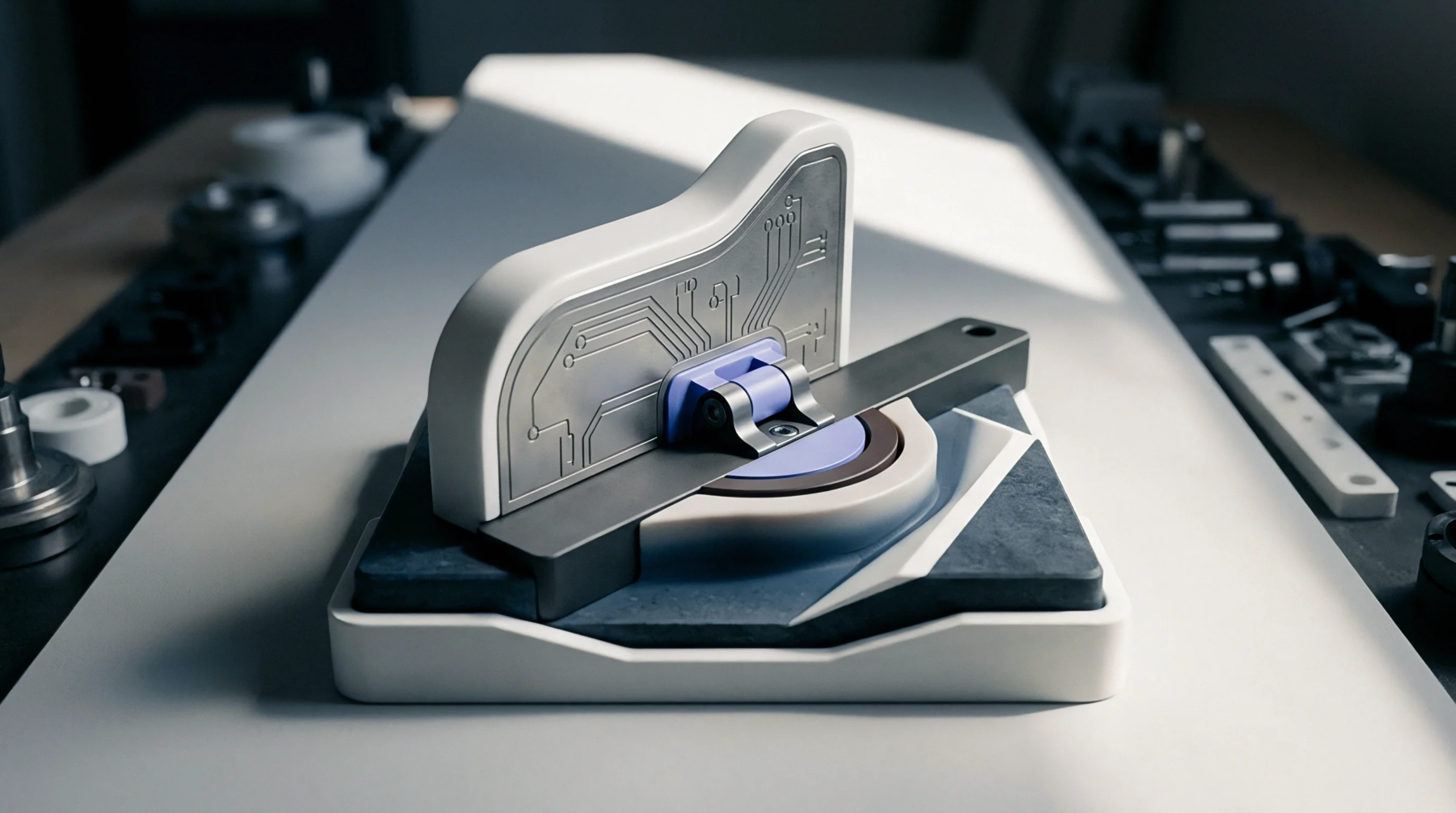
A sample preparation process reduces tough polymer matrices to fine powders by embrittling them with liquid nitrogen. Under these extremely cold conditions, cryogenic impact milling allows laboratory personnel to grind elastomeric coatings and epoxy composites without friction-induced heating that would degrade volatile organic compounds. The sub-zero environment alters the physical properties of the plastic, changing ductile materials into brittle solids that fracture easily upon impact.
Particle Size
Homogeneous sample distribution depends heavily on achieving a small and uniform grain size after the grinding cycle. Grinding of the printed circuit board components to a size under five hundred micrometres increases the surface area for subsequent chemical extraction. This high surface area ensures that extraction solvents penetrate the material fully, which accelerates the release of restricted compounds like plasticisers.
In contrast, standard ambient milling techniques heat the polymer, causing it to melt and stick to the grinding chamber walls, which leads to sample loss and cross-contamination between batches. The cold temperature maintained during this process also prevents the evaporation of low-boiling analytes, which preserves the chemical composition of the test sample for subsequent gas chromatography.
Extraction Accuracy
Incomplete recovery of analytes often occurs when coarser grinding methods leave polymer cores untouched. High mechanical efficiency during cryogenic impact milling ensures that the subsequent gas chromatography measurements represent the true concentration of RoHS substances across the board assembly. The process stops applying once the sample matrix is already soluble or when the target analytes are stable under standard mechanical grinding temperatures.