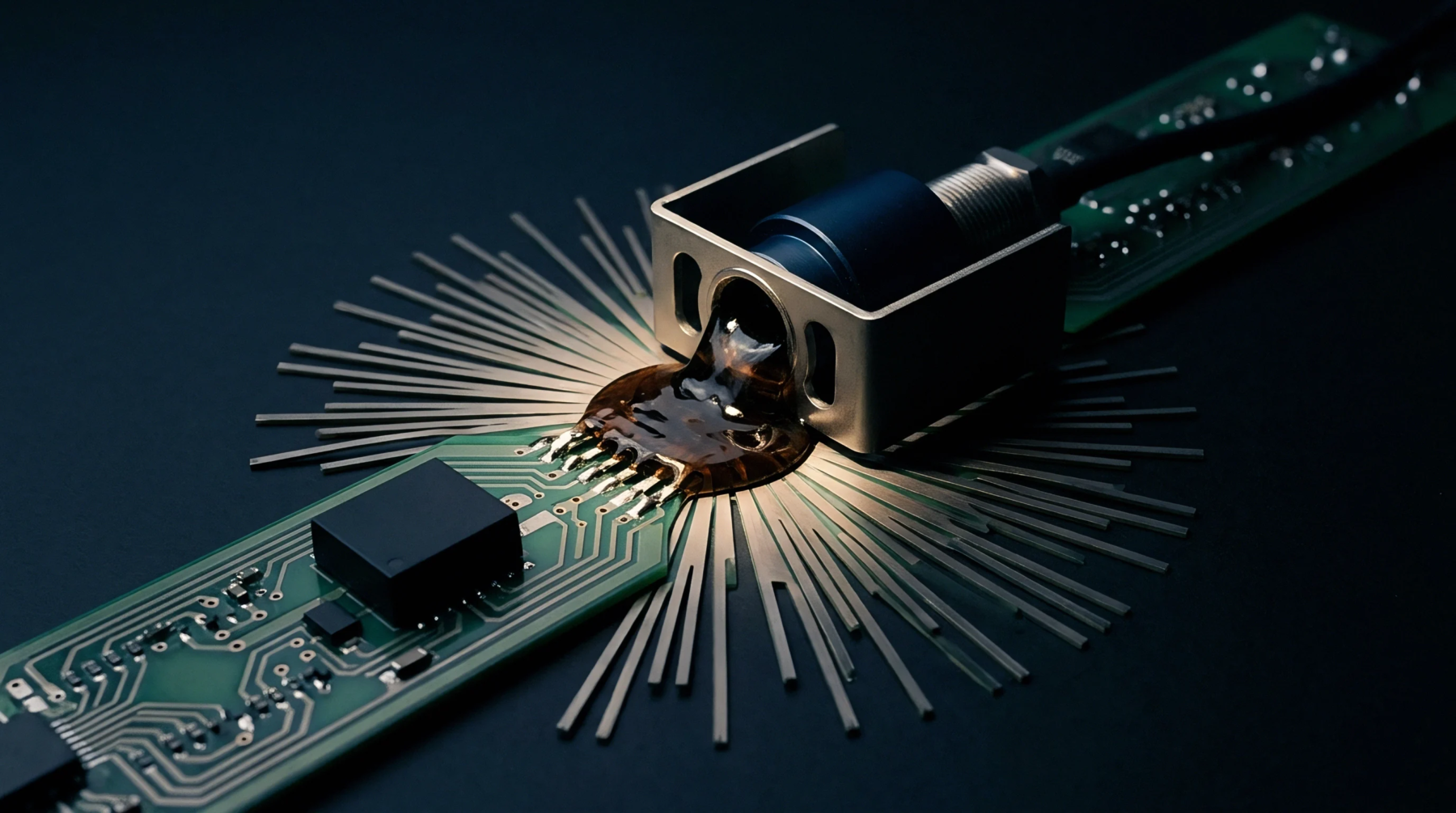
Thermal Interface Layer
Thermal substrate substitution defines the material swap executed during multi layer circuit lamination where acrylic bondply replacement eliminates standard resin interlayers in favor of modified polyimide films. Printed circuit board manufacturers introduce this substitution to improve thermal dissipation across high power processor packages during press cycles. Presses apply targeted heat and pressure to bond the copper foil directly to the dielectric core without trapping volatile solvents.
Laminators monitor resin flow rates through optical sensors to prevent void formation near plated through holes. This substitution alters the z axis expansion profile during subsequent infrared reflow soldering operations.
Mechanical Shear Resistance
Bond line durability depends heavily on copper peel strength values recorded after thermal excursion testing. Tensile forces exerted during component insertion create severe stress concentrations along internal interfaces. Modified polyimide layers withstand repeated thermal shocks better than traditional acrylic formulations due to superior cross linking density.
Assembly facilities verify joint integrity by subjecting coupon samples to destructive peel tests using specialized load cells. Shear stress limits determine whether the finished assembly can operate inside high vibration automotive environments without delamination.
Dielectric Breakdown
Insulation performance relies on high dielectric strength to prevent current leakage between adjacent signal planes. Voltage endurance tests measure the threshold where the material begins to conduct electricity under extreme electrical gradients. Moisture absorption rates directly influence this breakdown voltage because trapped humidity creates conductive pathways within the core.
Quality control laboratories immerse test specimens in boiling water for defined durations before measuring insulation resistance parameters. Electrical breakdown typically originates at microscopic resin voids left behind during inadequate vacuum lamination stages.