Defect Classification
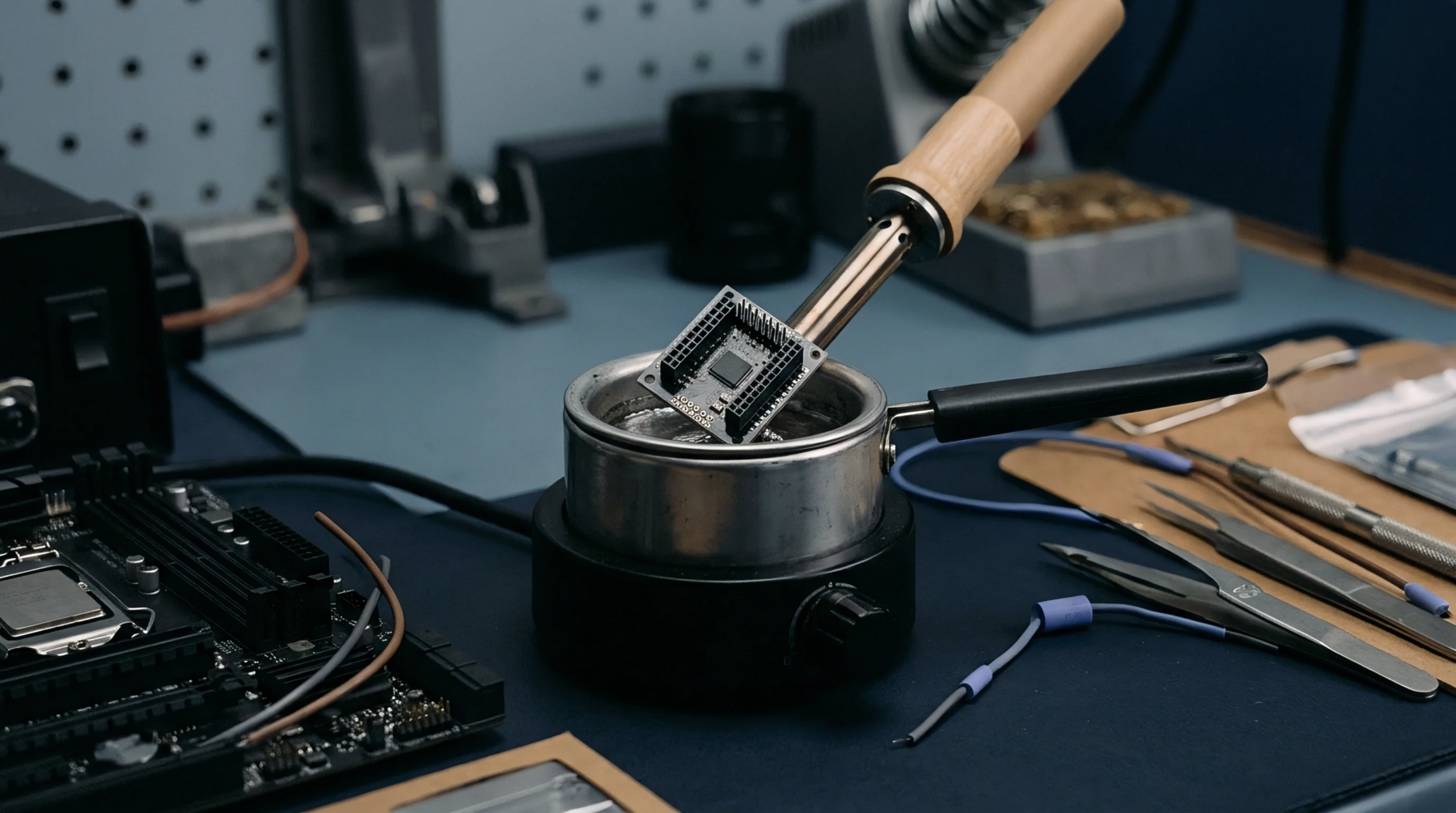
Solder interconnect anomalies formed when metallic alloy interfaces fail to reach complete liquidus wetting temperatures or undergo mechanical disturbance during phase transition constitute non-conforming conditions under standard electronics assembly workmanship criteria. A cold solder joint displays a dull, granular, or disturbed surface topology rather than the smooth, concave meniscus required for proper metallurgical bonding. Wetting angles in these anomalous connections frequently exceed accepted industry thresholds, signalling incomplete intermetallic compound formation at the boundary between copper landing pads and component terminations.
Under IPC-A-610 criteria, such conditions represent rejectable defects across Class 1, Class 2, and Class 3 electronic assemblies. Assemblies bearing these defects demonstrate compromised shear strength, erratic contact resistance, and vulnerability to early field failure under mechanical shock.
Reflow Thermal Profile
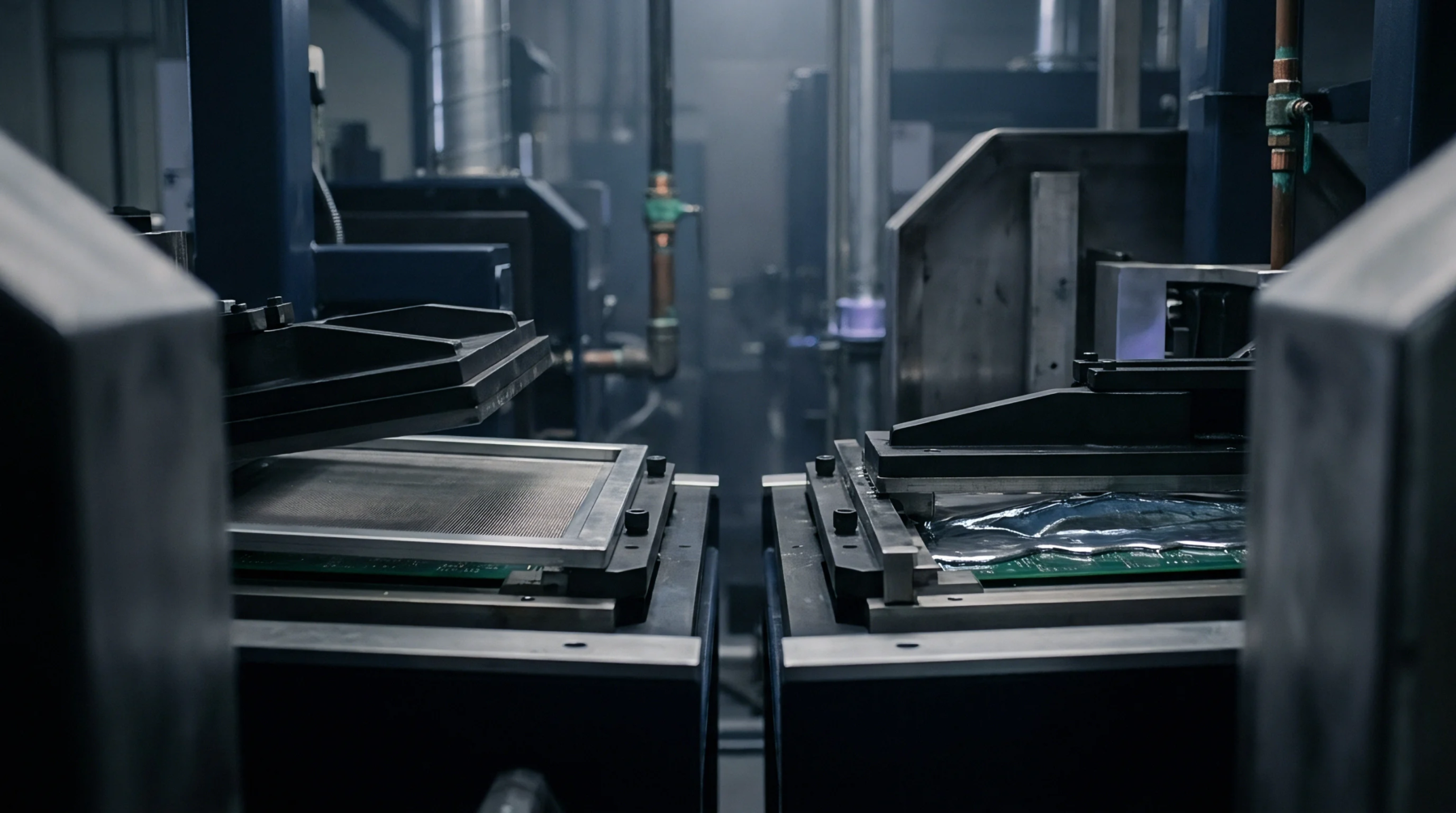
Insufficient peak reflow temperature remains the primary thermodynamic cause of incomplete alloy coalescence during convection or vapour phase soldering cycles. When thermal mass variations across a printed circuit board prevent specific interconnects from dwelling above the alloy liquidus point for the requisite duration, paste particles fail to melt into a continuous eutectic phase. Movement of conveyor systems or differential thermal contraction during cooling produces disturbed microstructures that mimic the visual markers of incomplete melting.
Modern automated optical inspection systems detect the anomalous scatter of light caused by rough surface textures on these non-coalesced junctions. Automated X-ray inspection isolates density variations and void clusters characteristic of incomplete paste reflow within hidden area-array interconnects.
Reliability Failure Mechanics
Intermetallic development between tin-based alloys and underlying copper substrates remains suppressed when thermal input stays below nominal process limits. Thin, discontinuous copper-tin intermetallic layers weaken the mechanical boundary, causing separation under cyclic strain during operational thermal swings. Electrical continuity may exist immediately post-reflow, but subsequent mechanical shock induces micro-cracking across the brittle interface.
In-circuit testing frequently passes these unstable joints before field vibration induces catastrophic open circuits. Destructive cross-sectional analysis reveals distinct boundary lines separating unmelted alloy spheres, confirming an incomplete metallurgical bond. High ambient operating temperatures accelerate mechanical divergence, transforming micro-fissures into permanent electrical opens.