Solid State Growth of Intermetallic Compounds in Lead Free Solder Joints
Solid state intermetallic growth degrades lead-free solder joints through parabolic Cu3Sn layer thickening and Kirkendall void embrittlement under thermal aging.
Solid state intermetallic growth degrades lead-free solder joints through parabolic Cu3Sn layer thickening and Kirkendall void embrittlement under thermal aging.

Micro-BGA intermetallic compound formation depends on peak reflow energy and thermal aging, where excessive layer thickness causes brittle interfacial failure.

Unshielded secondary wave heat pulses elevate primary solder joint peak temperatures, coarsening grain structures and accelerating long-term creep fatigue.
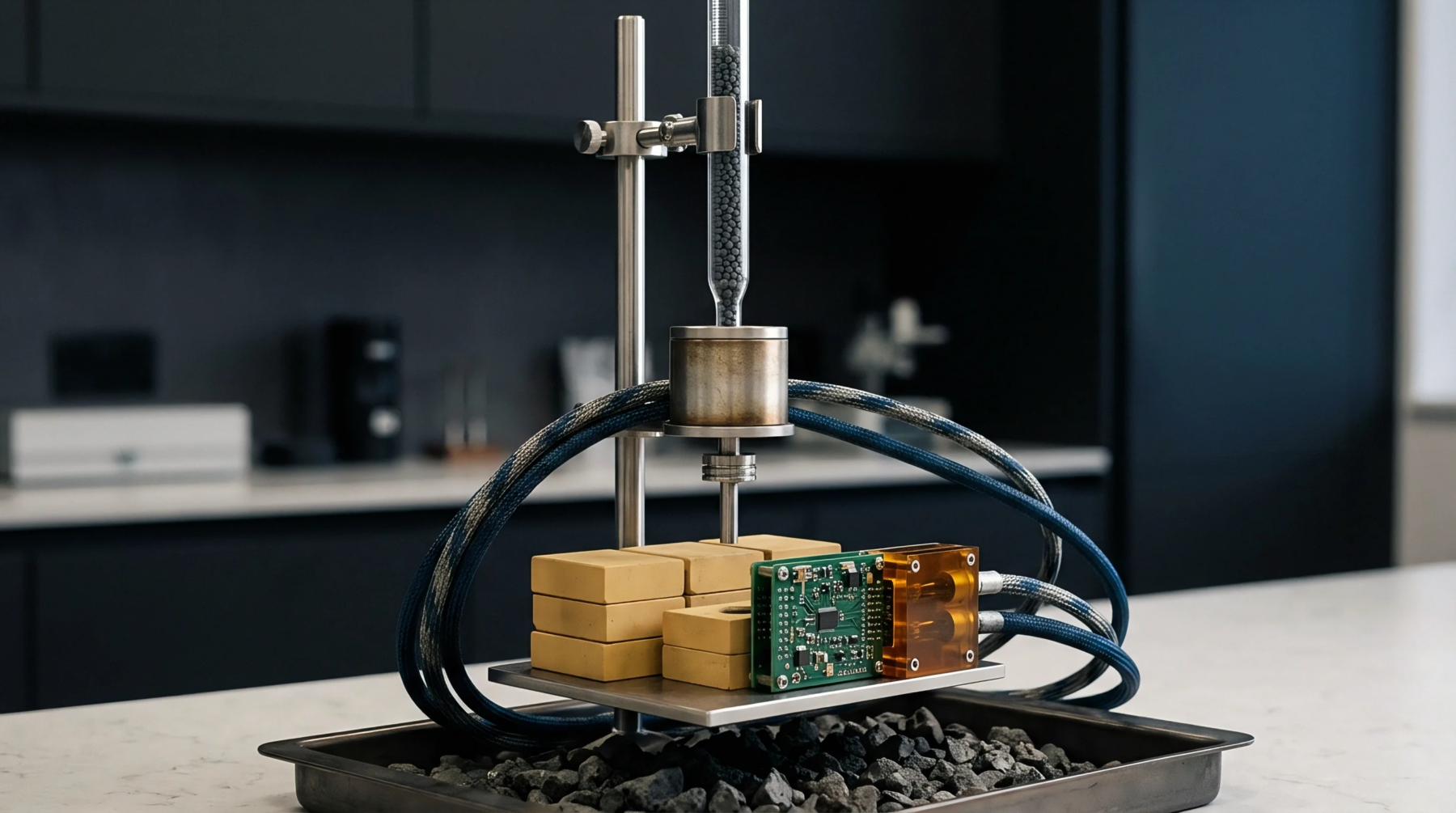
Latent solder joint failure stems from thermally activated intermetallic growth and Kirkendall voiding, requiring high-speed shear testing to detect interface embrittlement.
Expertise is a utility, not a secret. sentiention™ publishes its working knowledge as open reference: intelligence layer covering the materials it sources, the markets it enters, and the reference that serves both.