Consigned Material Sourcing and Counterfeit Escape Risk Controls
Consigned material sourcing requires strict incoming package checks, chemical decapsulation, and clear contract risk allocation to prevent counterfeit escapes.
Consigned material sourcing requires strict incoming package checks, chemical decapsulation, and clear contract risk allocation to prevent counterfeit escapes.

BGA moisture sensitivity compliance demands strict floor life tracking, J-STD-020 preconditioning qualification, and acoustic inspection for subsurface delamination.

Fickian desorption calculations use temperature-dependent diffusivity to determine exact package bake times, preventing reflow popcorning and structural delamination.

Acoustic phase inversion limits in baked plastic packages occur when thermal gap shrinkage creates sub-wavelength contact that suppresses echo reversal.

Consigned component reliability depends on strict intake MBB inspection, calculated J-STD-033 bake cycles, and J-STD-002 solderability testing before reflow.

ENIG guarantees 24-month solderability for staggered assembly runs, while OSP degrades beyond six months unless stored in vacuum-sealed moisture barrier bags.

Allocate micro BGA line standby and rework exposure by binding hourly downtime tariffs and hot-gas rework liability directly to SPI, AXI, and feeder logs.

Liability allocation for counterfeit escapes in hybrid runs depends on sourcing channels, where turnkey purchases place full warranty on the assembler while consigned inventory requires explicit contract indemnification clauses.
Exceeding component floor life limits risks catastrophic reflow popcorning; restore parts via J-STD-033 validated bake profiles before surface mount assembly.
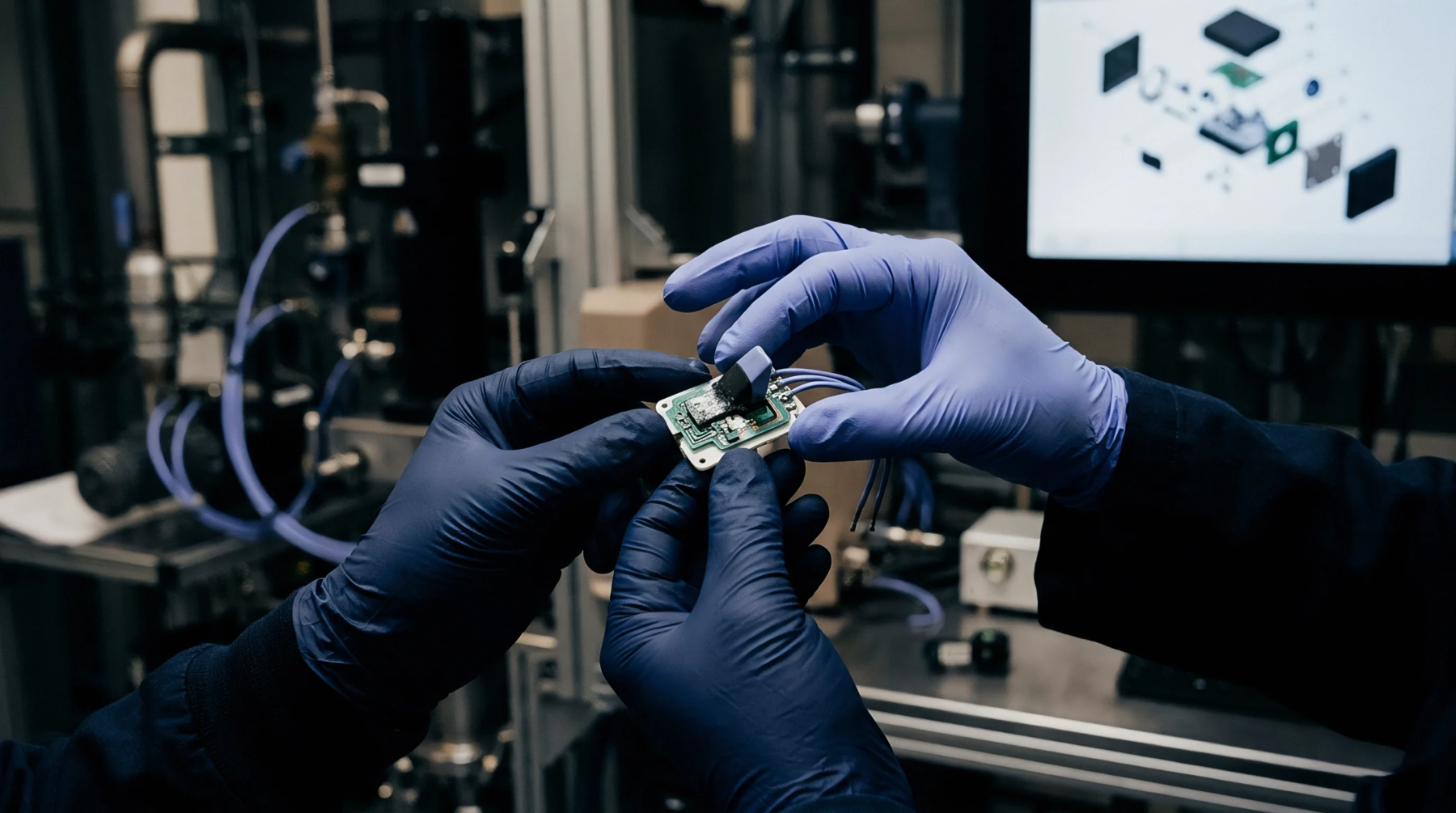
High frequency C-SAM detects post bake package delamination down to ten nanometer air gaps using acoustic phase inversion analysis.
Thermal defect attribution in mixed consigned assembly requires combining profile logs, 3D X-ray data, and MSL handling records to split material and process liability.
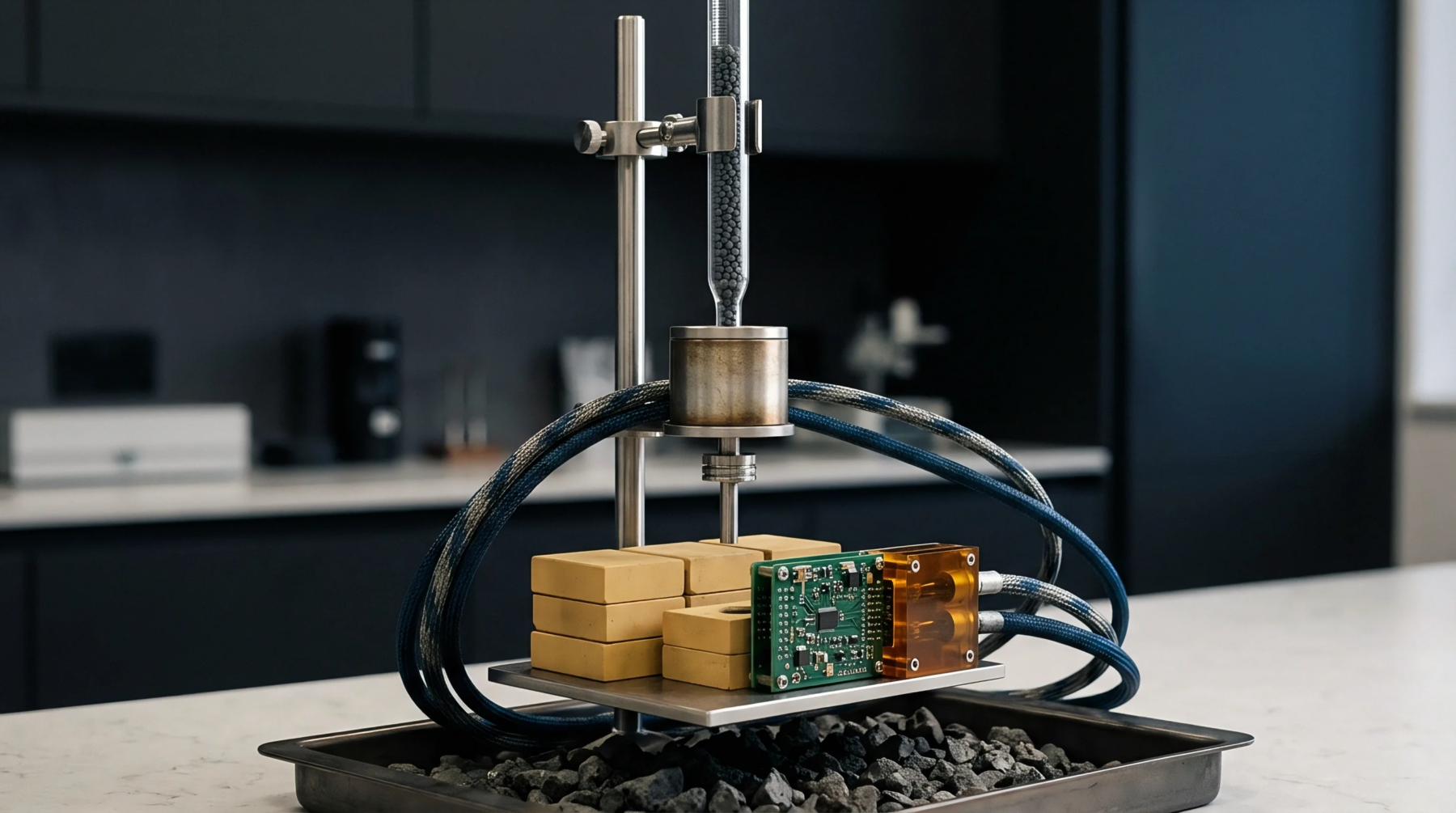
Unambiguous contract allocation caps assembly liability at process fees while tying thermal damage claims to independent coupon microsectioning evidence.
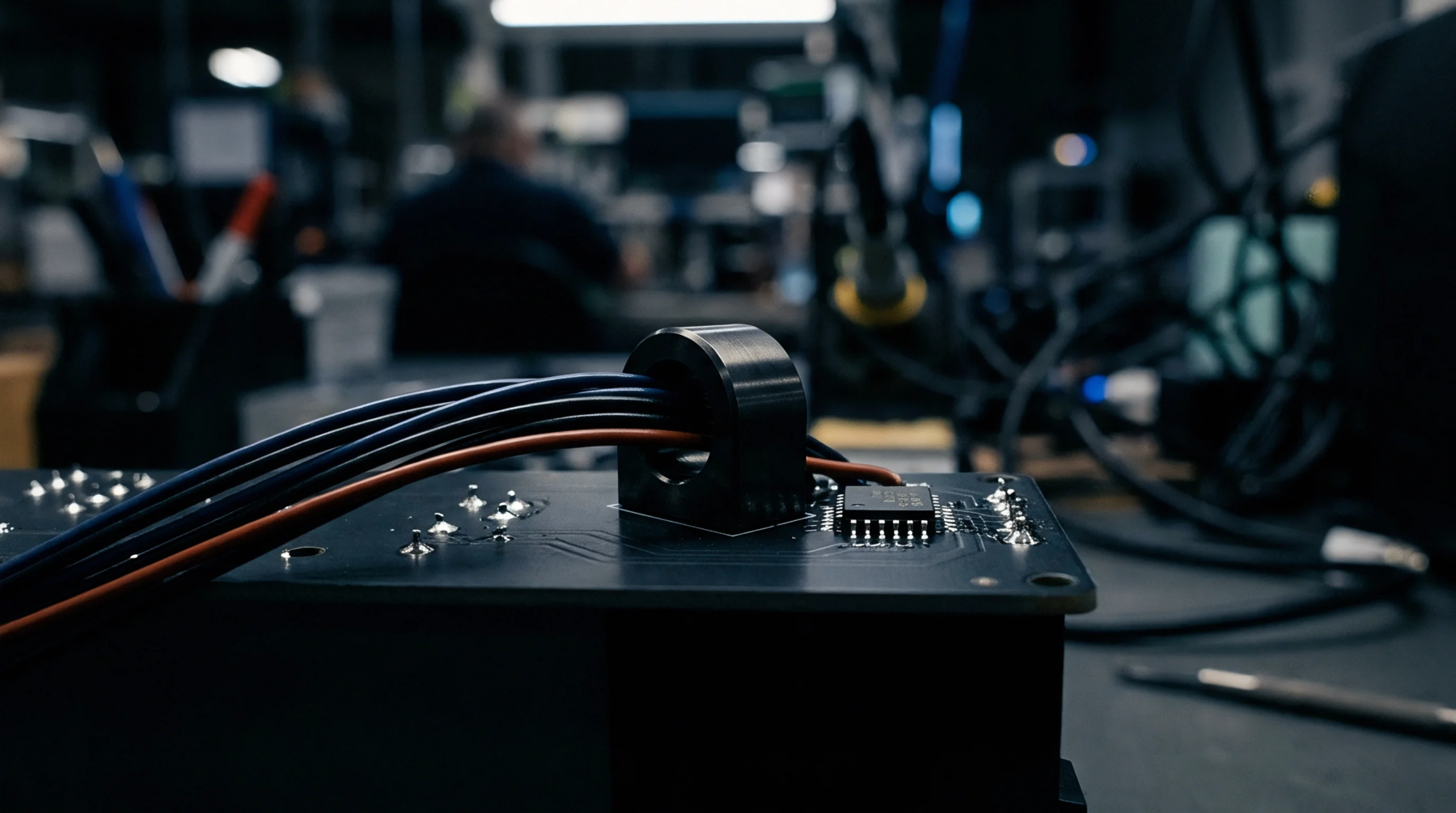
Opening moisture-sensitive parts before line release exposes components to ambient humidity, risking thermal delamination during reflow unless floor life is tracked and restored.

Split procurement saves component markup fees on high-cost ICs but demands strict kit audits, overage management, and clear contract defect attribution rules.
Expertise is a utility, not a secret. sentiention™ publishes its working knowledge as open reference: intelligence layer covering the materials it sources, the markets it enters, and the reference that serves both.