Operating Tolerance
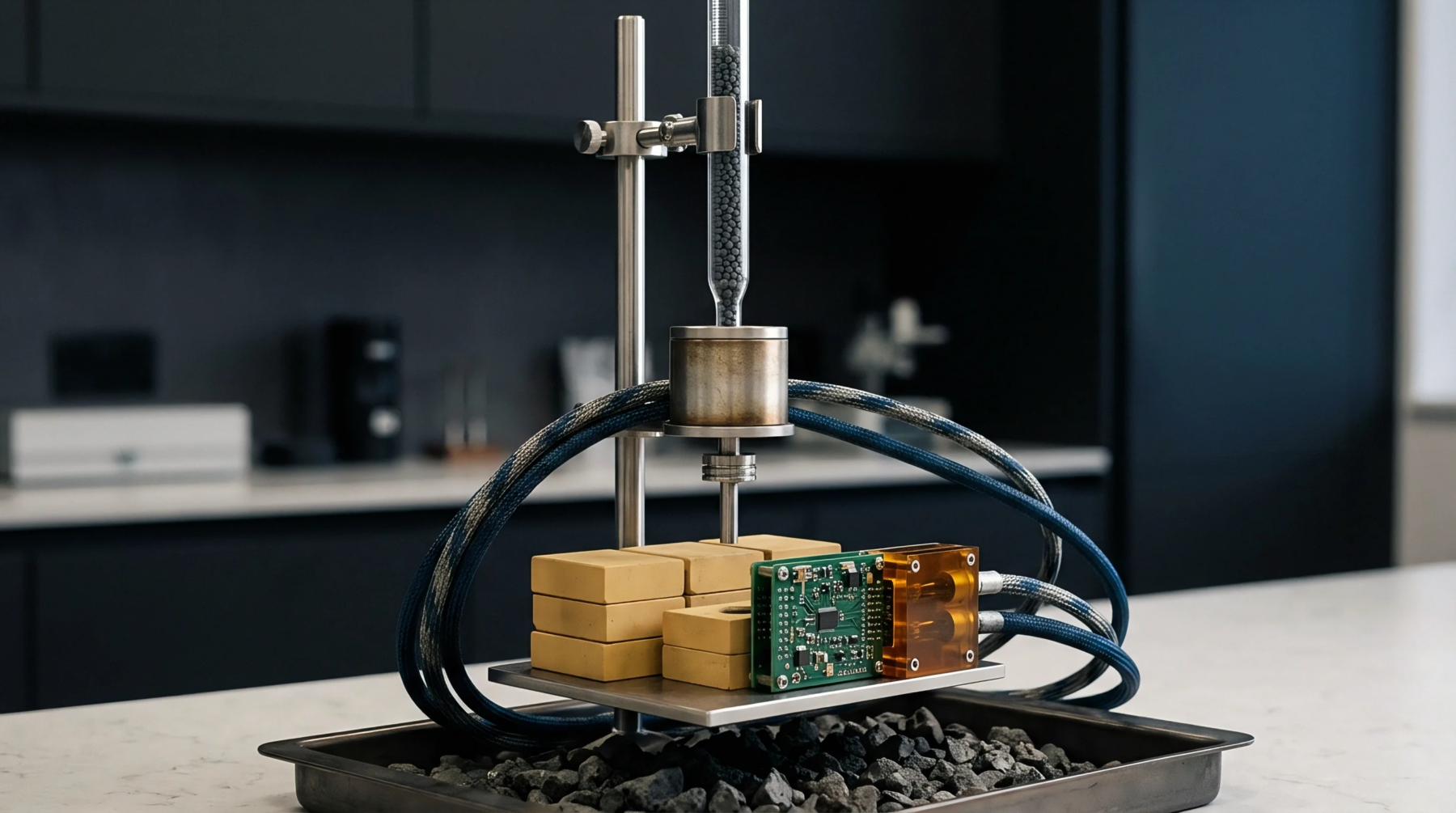
A range of numerical inputs for temperature, time, and pressure defines the boundaries within which a soldering or plating output meets all quality specifications. In the context of circuit board manufacturing, a process window represents the statistical space where machine settings produce acceptable results without triggering defect mechanisms like cold solder joints or surface oxidation. Stability within these bounds ensures that minor fluctuations in environmental conditions do not push a batch outside of the desired quality parameters.
Measurements taken from automated optical inspection systems confirm whether specific components fall within this controlled area during mass reflow.
Control Limit
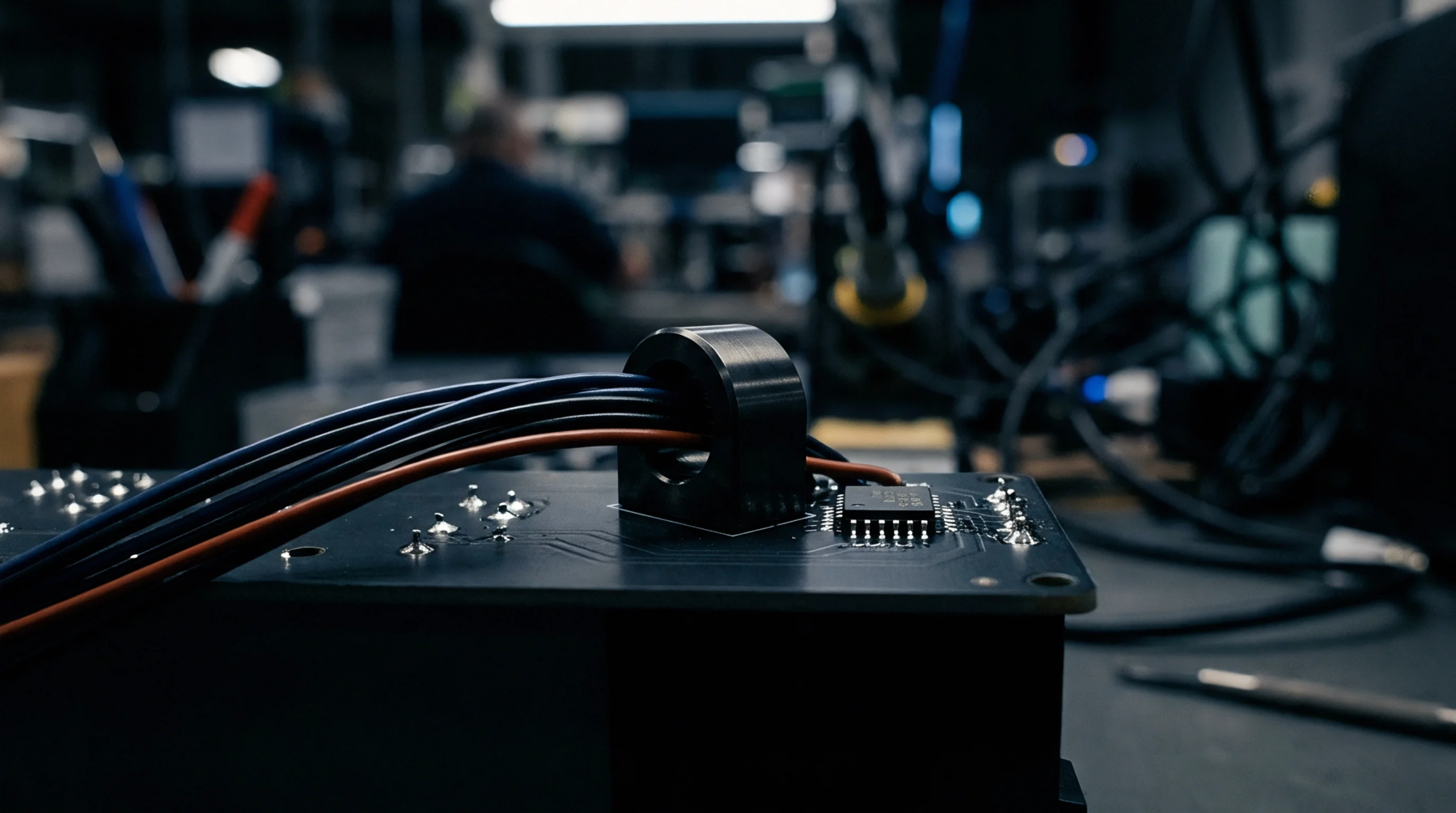
Thermal profiles for reflow ovens define the primary application of this concept by mapping the relationship between conveyor speed and heating zones. When set too high, the air temperature induces thermal stress and potential damage to laminate materials or delicate semiconductor packages. Settings below the lower limit fail to activate the flux chemistry properly, causing voids or incomplete wetting on pad surfaces.
Engineers establish these limits through thermocouples placed on sacrificial boards to track the precise heat exposure of every joint.
Performance Metric
Production consistency depends on the physical distance between the nominal target and the nearest failure point in the machine settings. Narrow limits signal high sensitivity to equipment drift, whereas a wider gap allows for greater flexibility during high volume runs without constant manual recalibration. Shops monitor this distance to predict when tool wear or chemical depletion will force a stoppage.
Operational effectiveness hinges on the ability of the hardware to maintain a steady state exactly at the center of the established valid zone.