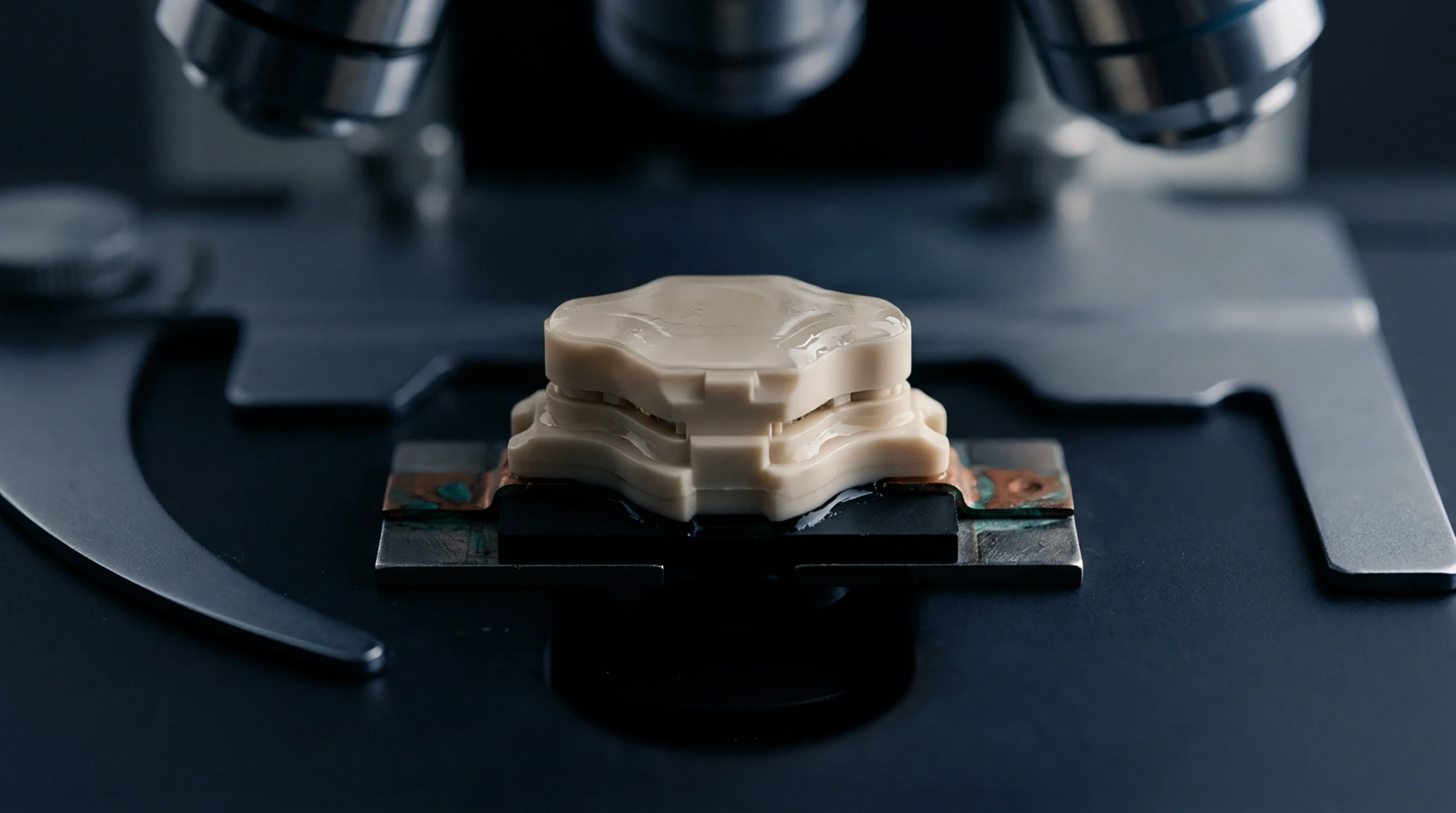
Sorting Stage
Holding areas for assemblies that have failed a test or inspection step allow for the organized evaluation of defects before a final decision on scrap or rework is made. A triage queue separates boards that need a simple fix from those that require complex troubleshooting or are beyond repair. This stage prevents the main production line from stalling while engineers investigate a specific problem.
Workflow Management
Technicians assess each unit in the triage queue based on the severity of the failure and the cost of the components involved. If an automated optical inspection system finds a missing resistor, the unit is moved quickly to a rework station. A more complex failure at the functional test stage might require an oscilloscope or a logic analyzer to find the root cause.
This sorting process ensures that high value boards are given the attention they need to be salvaged.
Resolution Path
Data collected at this point provides a feedback loop for the entire factory. Trends observed in the triage queue can point to a failing pick and place nozzle or a misaligned screen printer. If a sudden spike in a particular defect type occurs, the production manager can halt the line to fix the machine before more scrap is generated.
Successful management of this area minimizes the work in progress and helps maintain a predictable delivery schedule for the customer. Detailed records of these failures are often required for ISO 9001 compliance and other quality certifications.