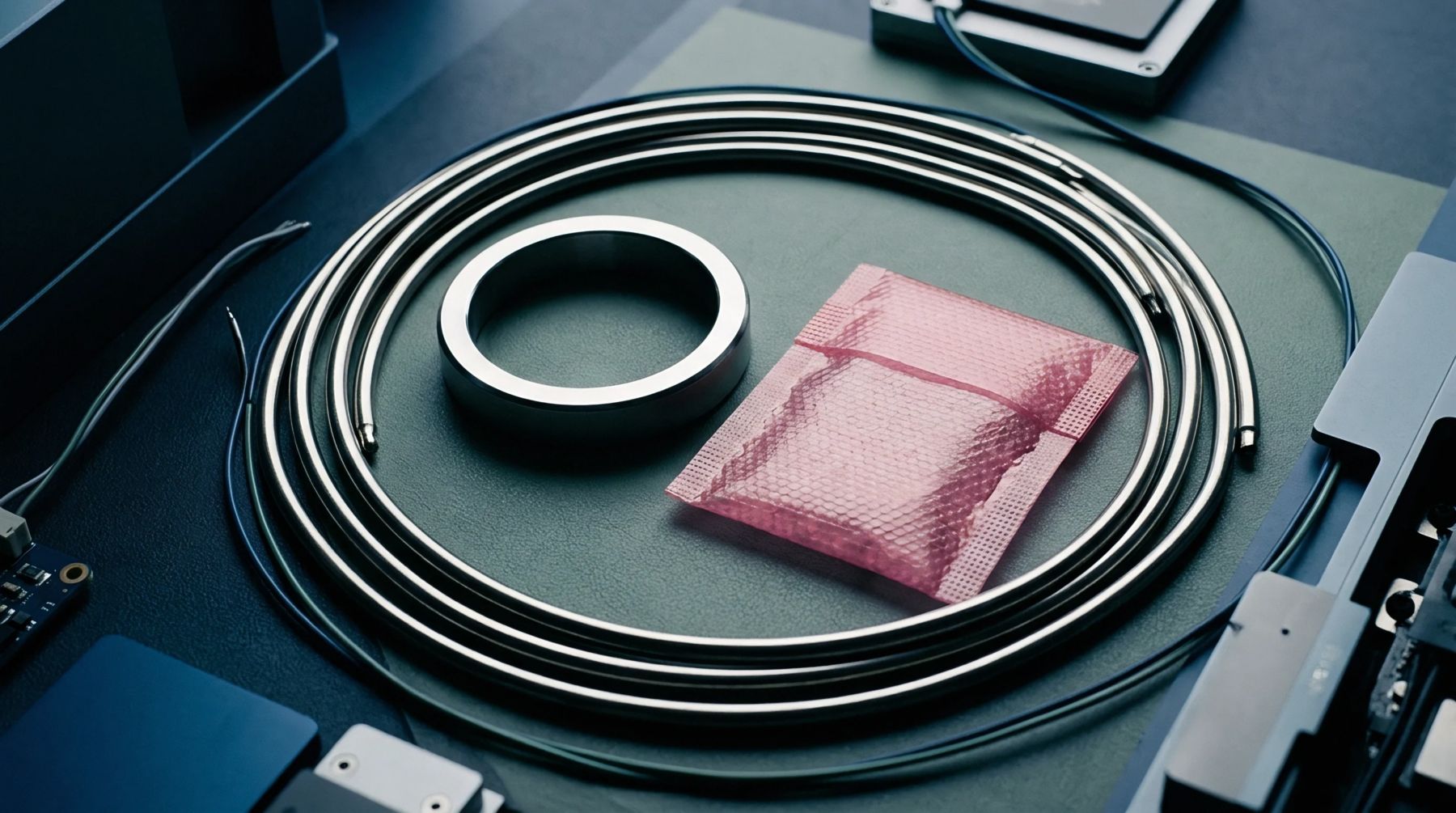
Characterizing Long Term Nano Coating Friction Degradation across High Volume Assembly Runs
Dynamic friction increases across high-volume assembly runs strip nano-coatings, demanding coupon contact angle tracking to prevent paste release failures.
Dynamic friction increases across high-volume assembly runs strip nano-coatings, demanding coupon contact angle tracking to prevent paste release failures.
Dynamic reinforcement learning eliminates placement thermal drift by predicting mechanical frame warping milliseconds ahead of delayed thermistor feedback loops.

Thixotropic yield stress restoration prevents post-print slump and bridging in ultra-fine pitch stencil printing by rebuilding paste structure after shear.

Optimize micro-pitch stencil area ratios above 0.50 by pairing fine-grain or electroformed foils, nano-coatings, and Type 5 paste to stabilize transfer volume.
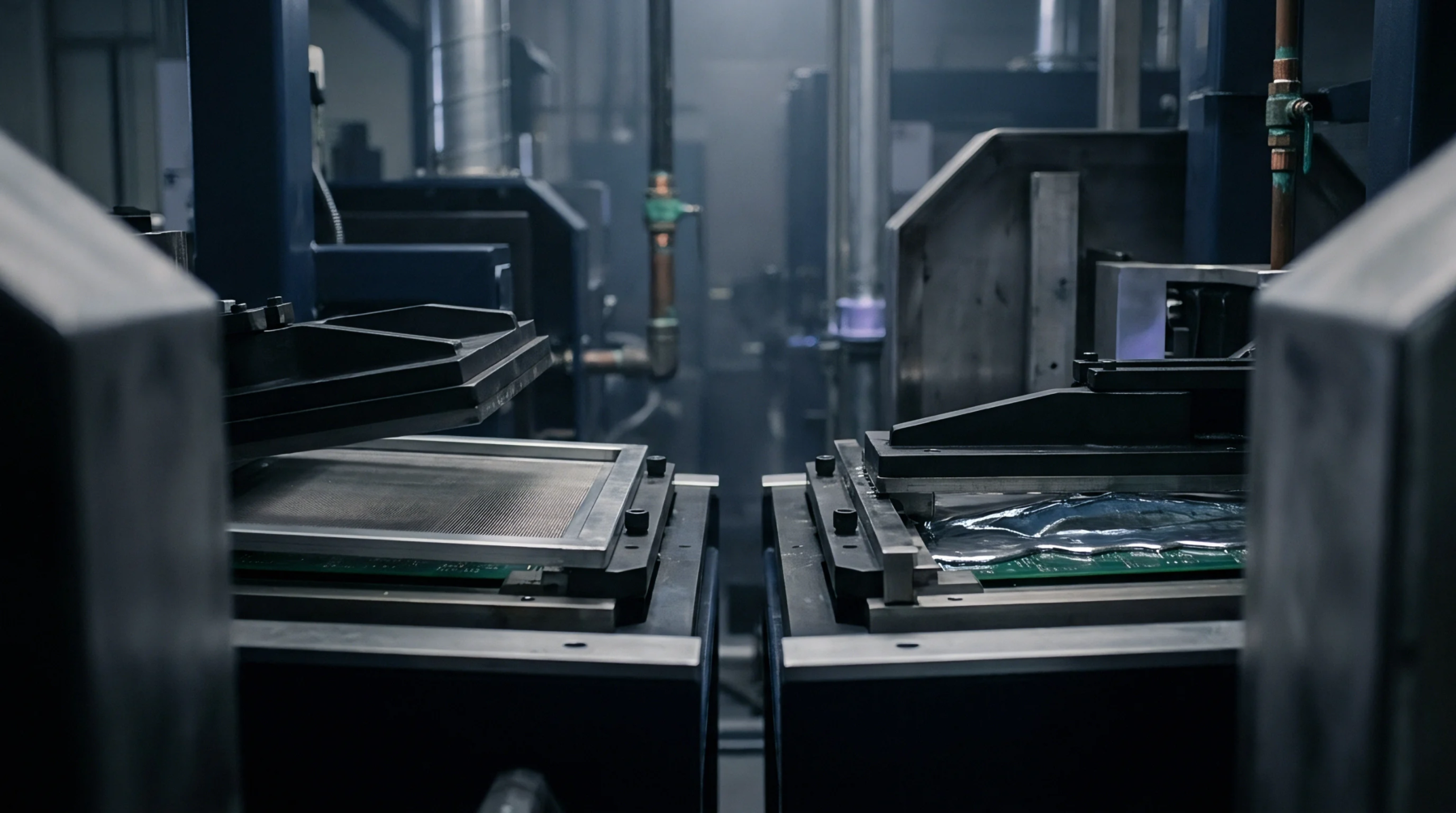
Parallel plate oscillatory strain sweeps validate high-speed deposit release by measuring storage modulus breakdown and yield stress thresholds.

Balance squeegee load at 0.18 to 0.22 kilograms per centimeter to seal the foil without scooping, running velocity to sustain paste roll hydrodynamics.
Characterizing shear thinning and structural recovery limits in Type 5 solder pastes establishes precise print windows to eliminate aperture clogging and post-print slump.
Statistical control limits for SMT inspection must reflect actual equipment variance rather than specification bands to prevent scrap and rework.
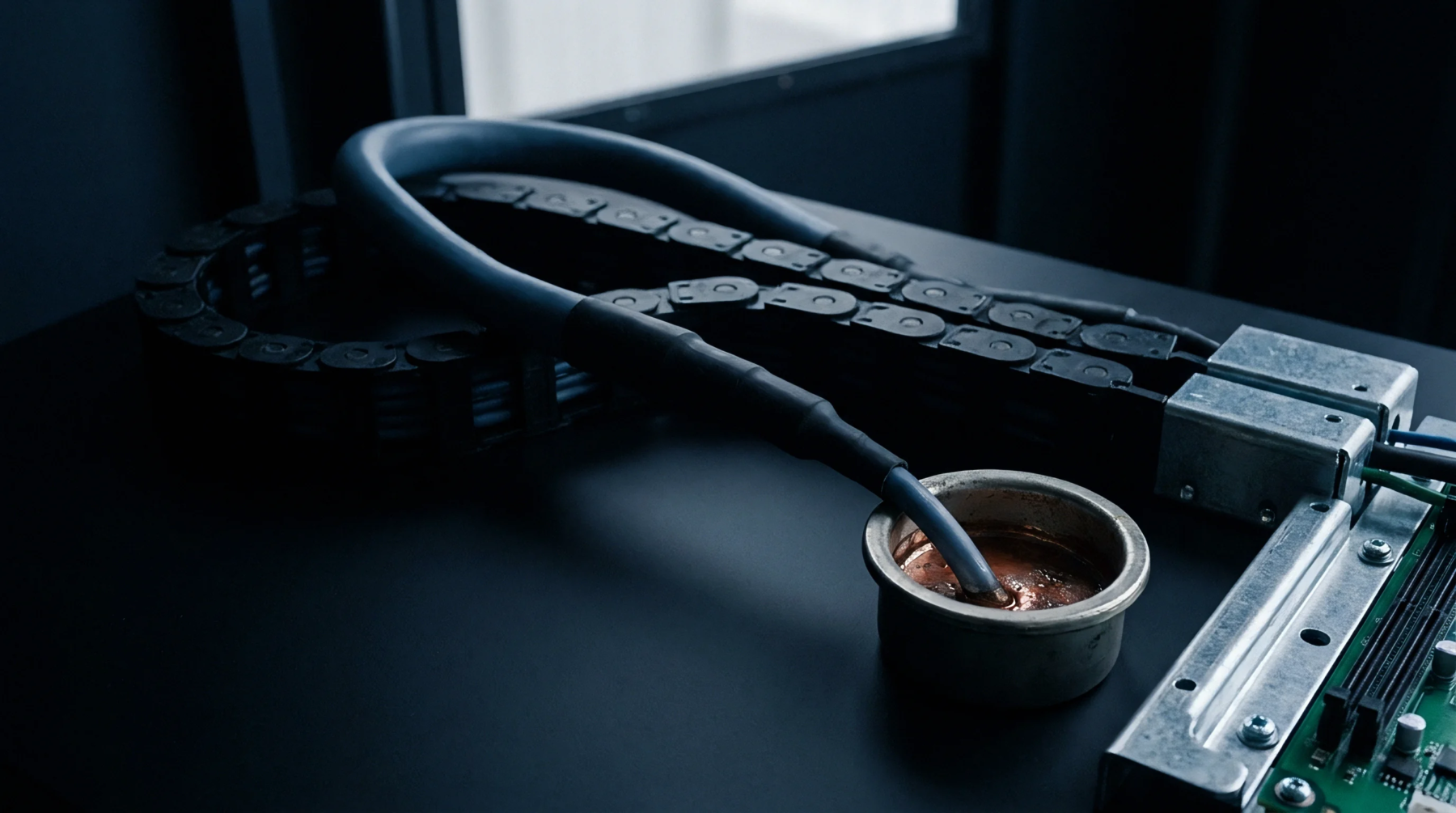
Aperture area ratios below 0.50 demand fine-grain foils with CVD nanocoatings to sustain transfer efficiency above 80 percent and print Cpk above 1.33.
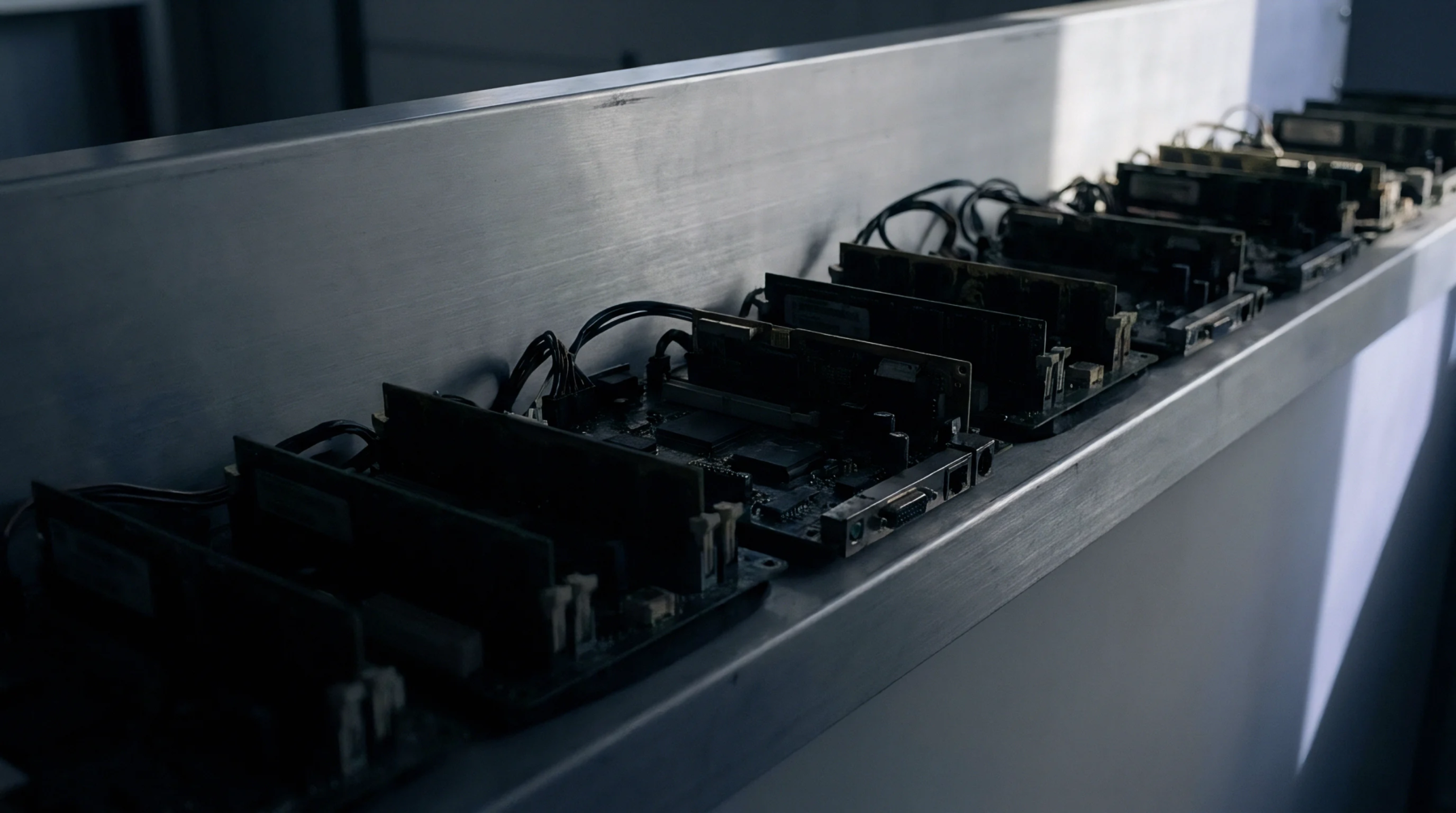
Setting automated solder paste inspection hold boundaries requires balancing transfer efficiency limits against component pad density to control false calls.
Expertise is a utility, not a secret. sentiention™ publishes its working knowledge as open reference: intelligence layer covering the materials it sources, the markets it enters, and the reference that serves both.