Sub-Millimeter Lead Pitch Component Placement Optimization Algorithms
Sub-millimeter lead pitch placement stability requires balancing linear encoder precision, feeder trajectory routing, and local fiducial alignment cycles.
Sub-millimeter lead pitch placement stability requires balancing linear encoder precision, feeder trajectory routing, and local fiducial alignment cycles.
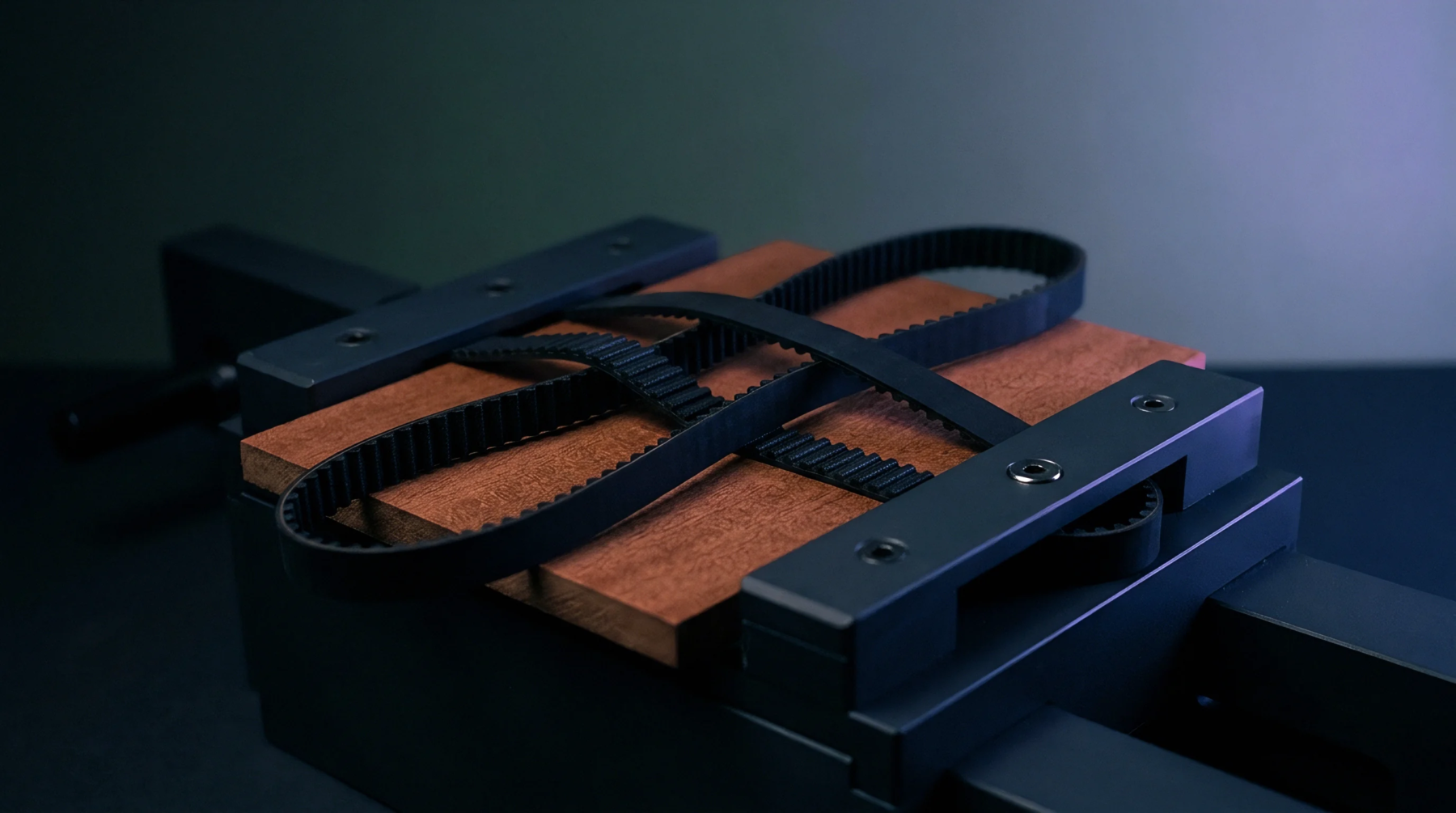
Standardized optical calibration targets provide certified physical baselines to eliminate sensor magnification, distortion, and drift errors in fine pitch AOI.

Real PCB assembly throughput averages forty to sixty percent of IPC-9850 placement rates due to board transfer, vision checks, and component variation.
Allocate micro BGA line standby and rework exposure by binding hourly downtime tariffs and hot-gas rework liability directly to SPI, AXI, and feeder logs.
Dynamic multi-engine optical calibration and thermal drift compensation protocols eliminate false calls and harmonize solder volume thresholds across SMT lines.

Quantifying gantry settling times and optical inspection acquisition latency isolates placement errors from software processing bottlenecks.

Standardized optical calibration using certified glass targets and phase step standards ensures micron-level accuracy across fine pitch inspection runs.

Nominal SMT placement rates ignore vision latency, board transport dead time, and nozzle swaps; real line throughput requires simulation-derived cycle times.
Expertise is a utility, not a secret. sentiention™ publishes its working knowledge as open reference: intelligence layer covering the materials it sources, the markets it enters, and the reference that serves both.