Viscosity Restructure
Time-dependent rebuild is the process by which a sheared material slowly returns to its original high-viscosity state after the removal of mechanical shear stress. For solder paste printing, thixotropic recovery must occur within a specific time window to ensure that the printed solder paste deposits do not slump or lose their shape before components are placed. This recovery prevents adjacent paste brick deposits from merging.
Structural Rebuilding
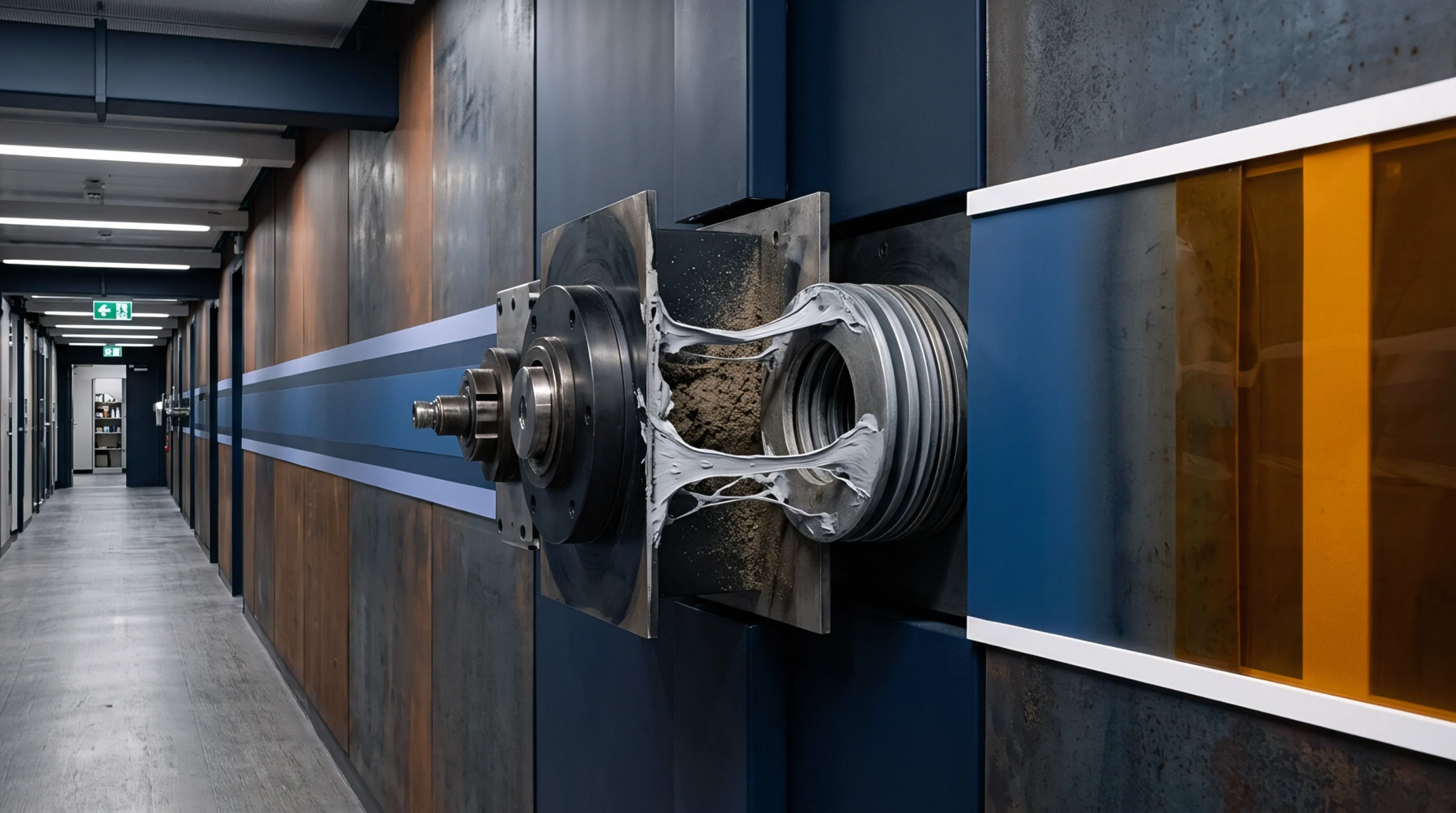
The stencil printing process subjects the solder paste to intense shear stress that breaks down its internal chemical structure, allowing it to flow and fill the fine stencil apertures. Following aperture release, thixotropic recovery begins as the polymer chains within the flux vehicle recombine to rebuild the paste viscosity. If this rebuilding process occurs too slowly, the printed paste bricks will sag, which leads to solder bridging and electrical short circuits after the reflow oven process.
Solder paste manufacturers must balance the rate of this recovery to ensure the paste remains stable during the delay between printing and component placement. This timing ensures that high-density boards can be printed and held before entering the pick-and-place machine.
Viscoelastic Measurement
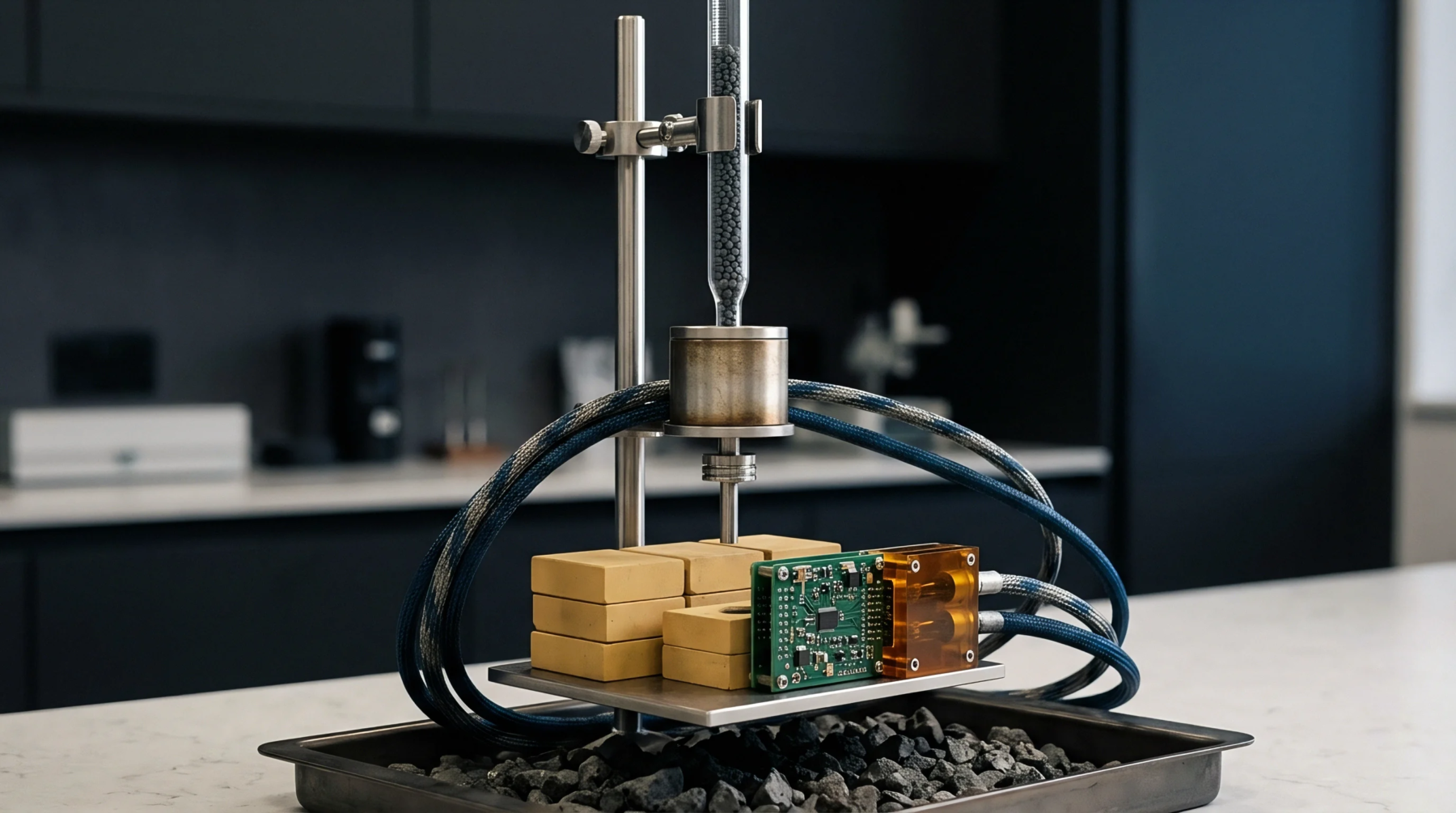
Rheological tests evaluate this behavior by applying a high-shear pulse followed by a low-shear monitoring phase to measure viscosity rebound over time. Paste formulations with a rapid recovery rate are chosen for fine-pitch surface mount assemblies. This property ensures that the printed paste maintains its height and vertical sidewalls during subsequent processing steps.