
Thermal Ramp Rate Selection for Micro BGA and Package Assemblies
Micro BGA thermal ramp selection balances solvent outgassing, substrate deformation, and wetting kinetics to prevent bridging and non-wetting defects.
Micro BGA thermal ramp selection balances solvent outgassing, substrate deformation, and wetting kinetics to prevent bridging and non-wetting defects.
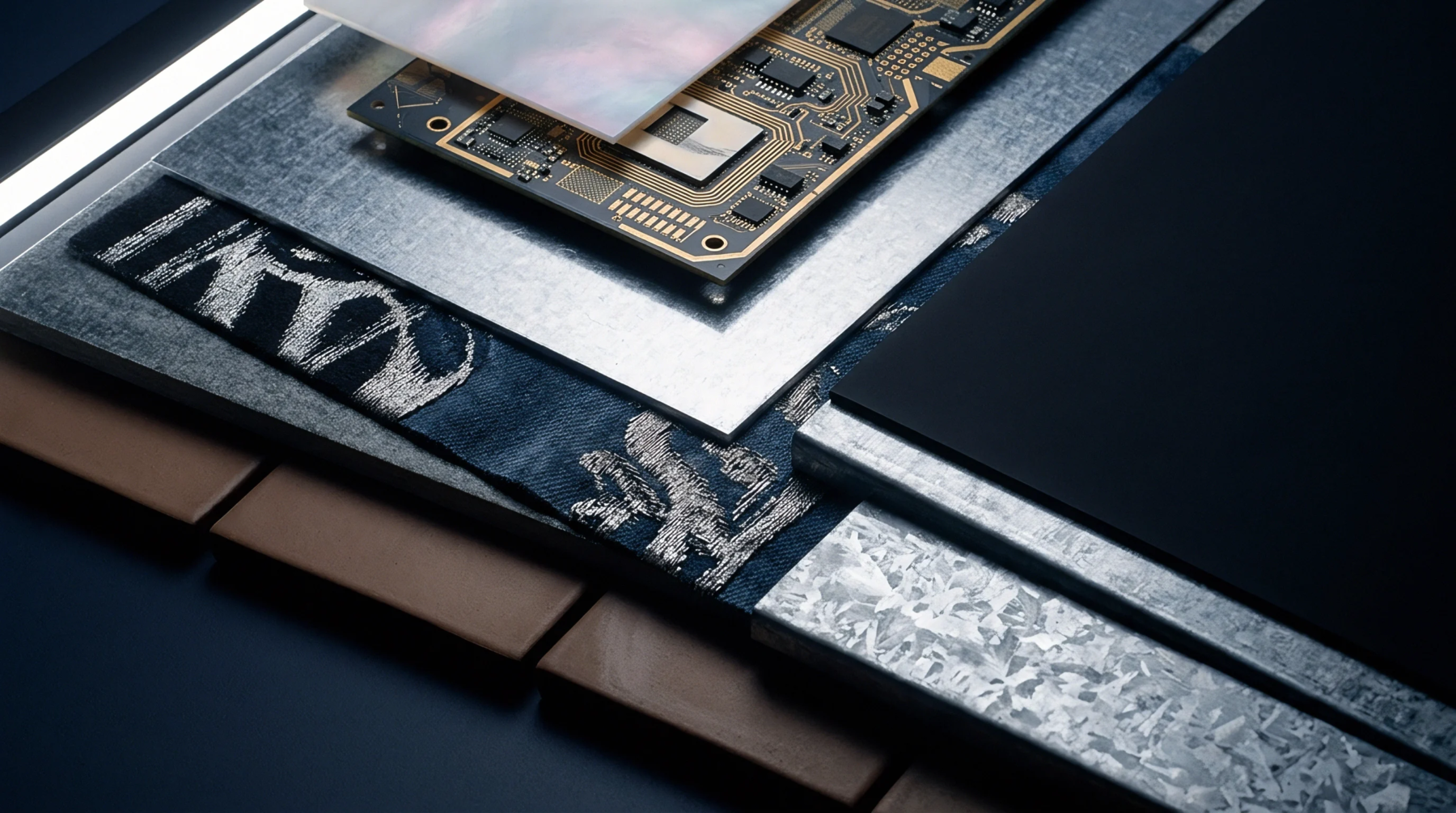
Establishing nano coating wear bounds requires tracking contact angle decay below 85 degrees and limiting squeegee pressure to 0.30 kg per centimeter.

Area ratio calculations divide aperture opening area by wall area, dictating solder paste transfer efficiency above the mandatory 0.66 process limit.

Electroformed step-down stencils deliver tighter volume control than nano-coated steel below 0.50 area ratio, provided keepouts exceed 1.2 mm per 25 µm step.
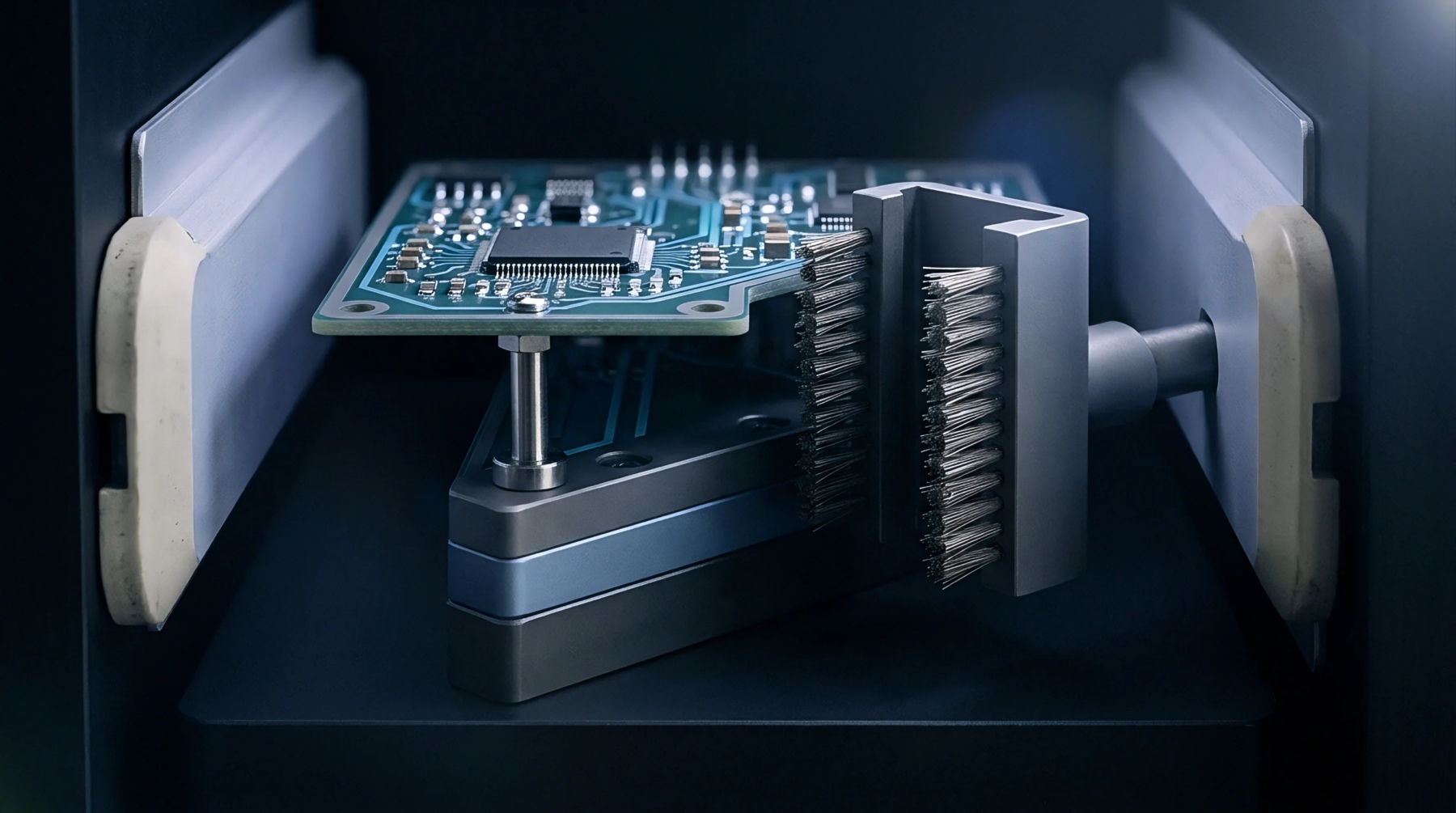
Stencil surface treatments extend area ratio limits to 0.50 by lowering wall surface energy and cutting under-stencil wipe frequency to lift print yields.
Sub-0.5 mm stencil yield relies on tuning separation speed so process timescales exceed solder paste viscoelastic relaxation time, preventing wall tear-out.
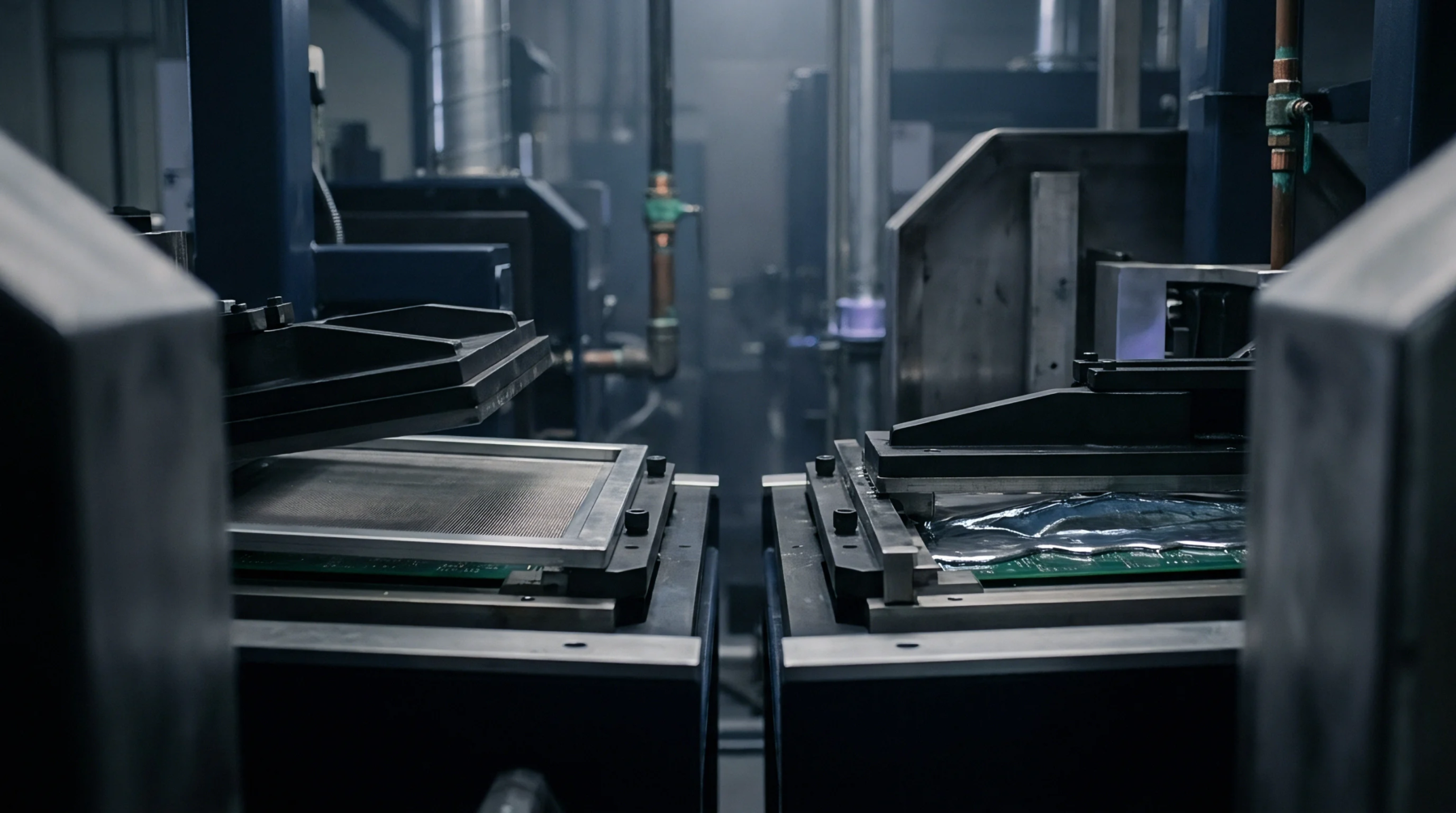
Parallel plate oscillatory strain sweeps validate high-speed deposit release by measuring storage modulus breakdown and yield stress thresholds.
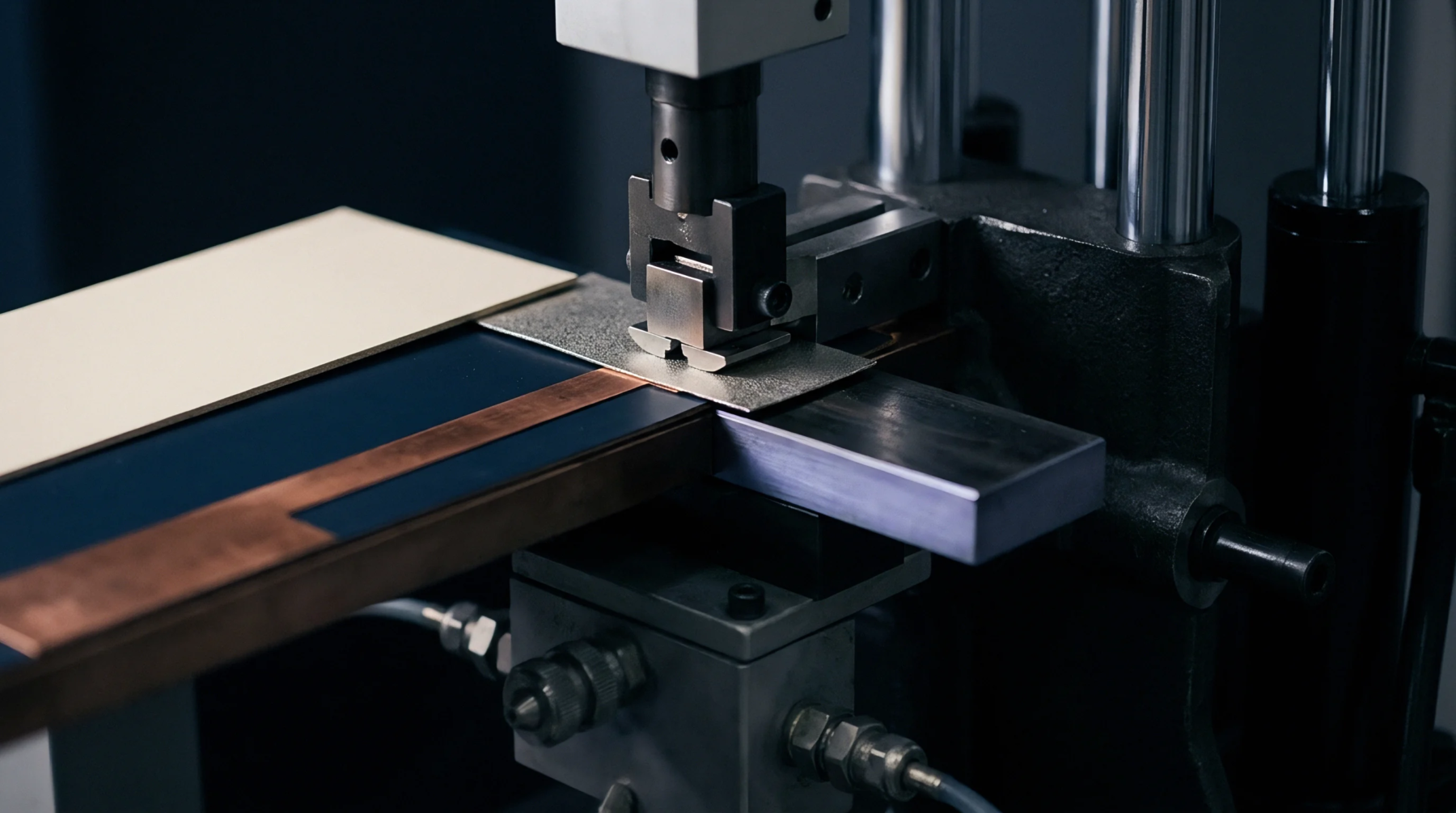
Continuous high-speed squeegee cycles degrade solder paste transfer efficiency through mechanical shear breakdown and solvent evaporation within stencil apertures.
Aperture area ratios below 0.66 demand electroformed foils, covalent nanocoatings, or Type 5 solder paste to maintain acceptable volumetric transfer efficiency.
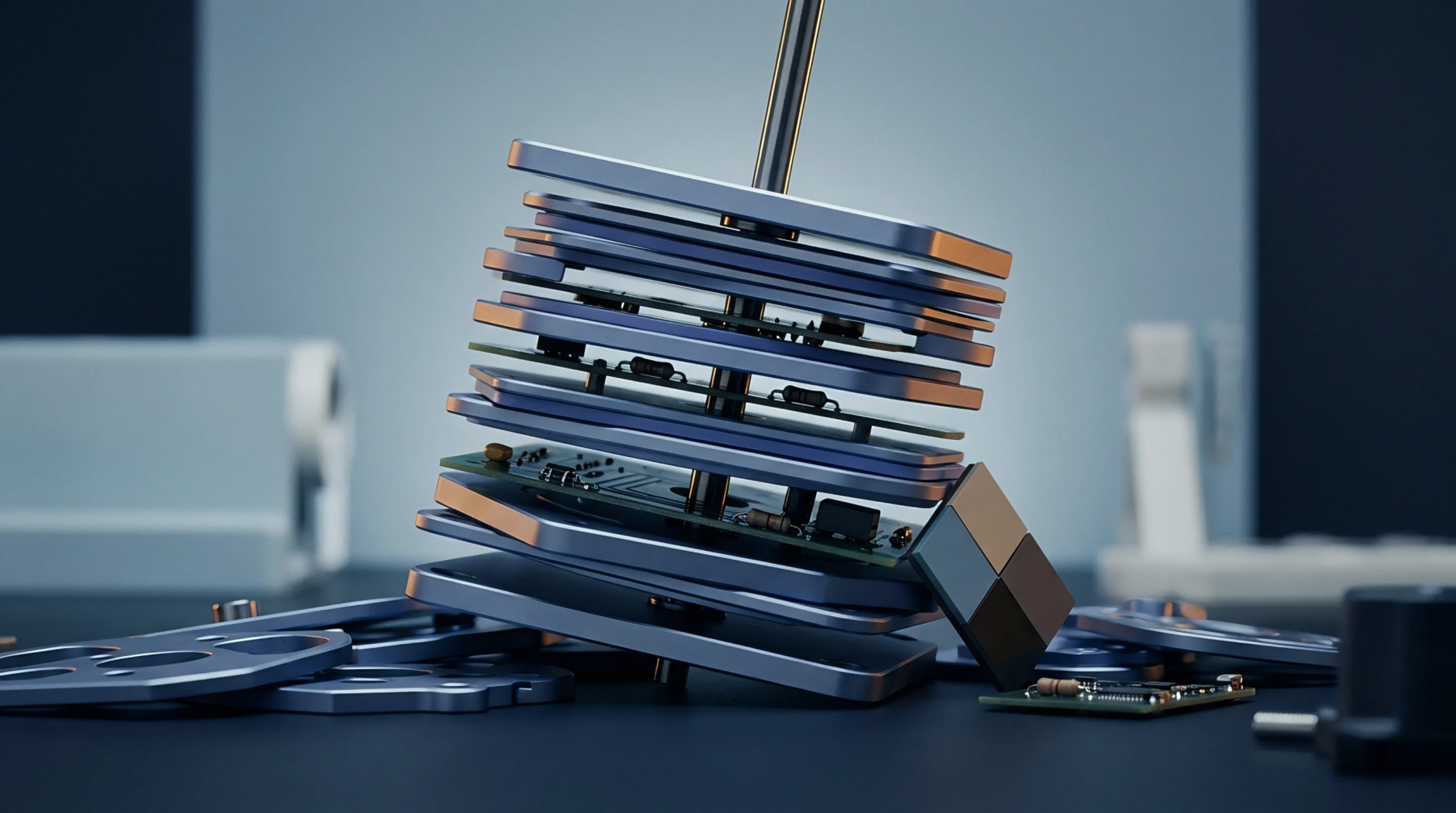
Calculate area ratio by dividing aperture base area by sidewall surface area to verify values exceed 0.66 for stable solder paste release on fine pitch lands.
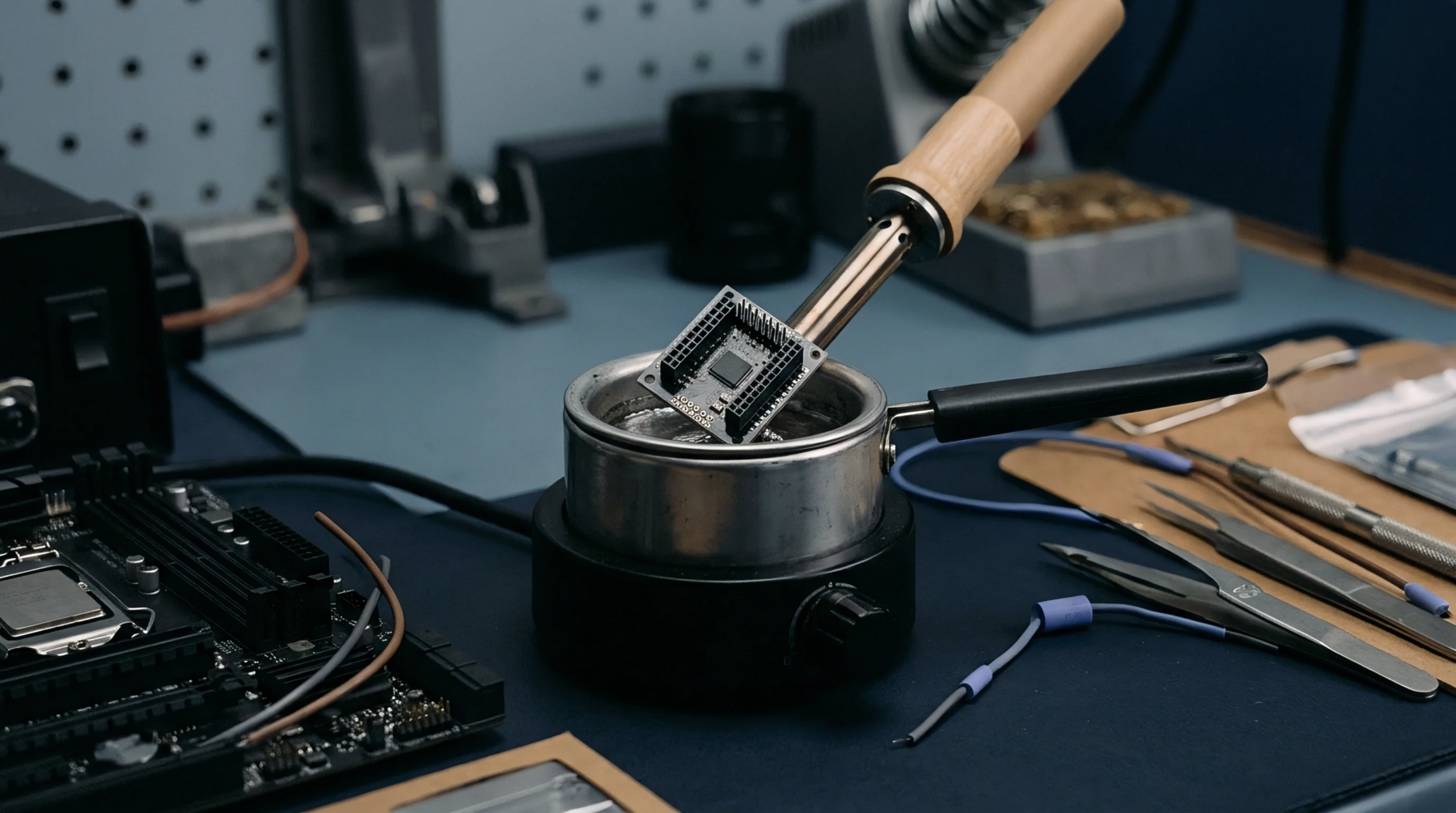
Calculate stencil area ratio above 0.66 for standard laser foil and above 0.50 for nano coated electroformed stencil to guarantee ninety percent paste release.
Stencil thickness selection balances aperture area ratios above 0.66 with component paste volume demands to eliminate SMT print defects and maximize yield.
Optimizing surface mount stencil apertures demands balancing area ratios above 0.66, foil wall smoothness, and pad reductions for repeatable paste volume.
Expertise is a utility, not a secret. sentiention™ publishes its working knowledge as open reference: intelligence layer covering the materials it sources, the markets it enters, and the reference that serves both.