Production Yield
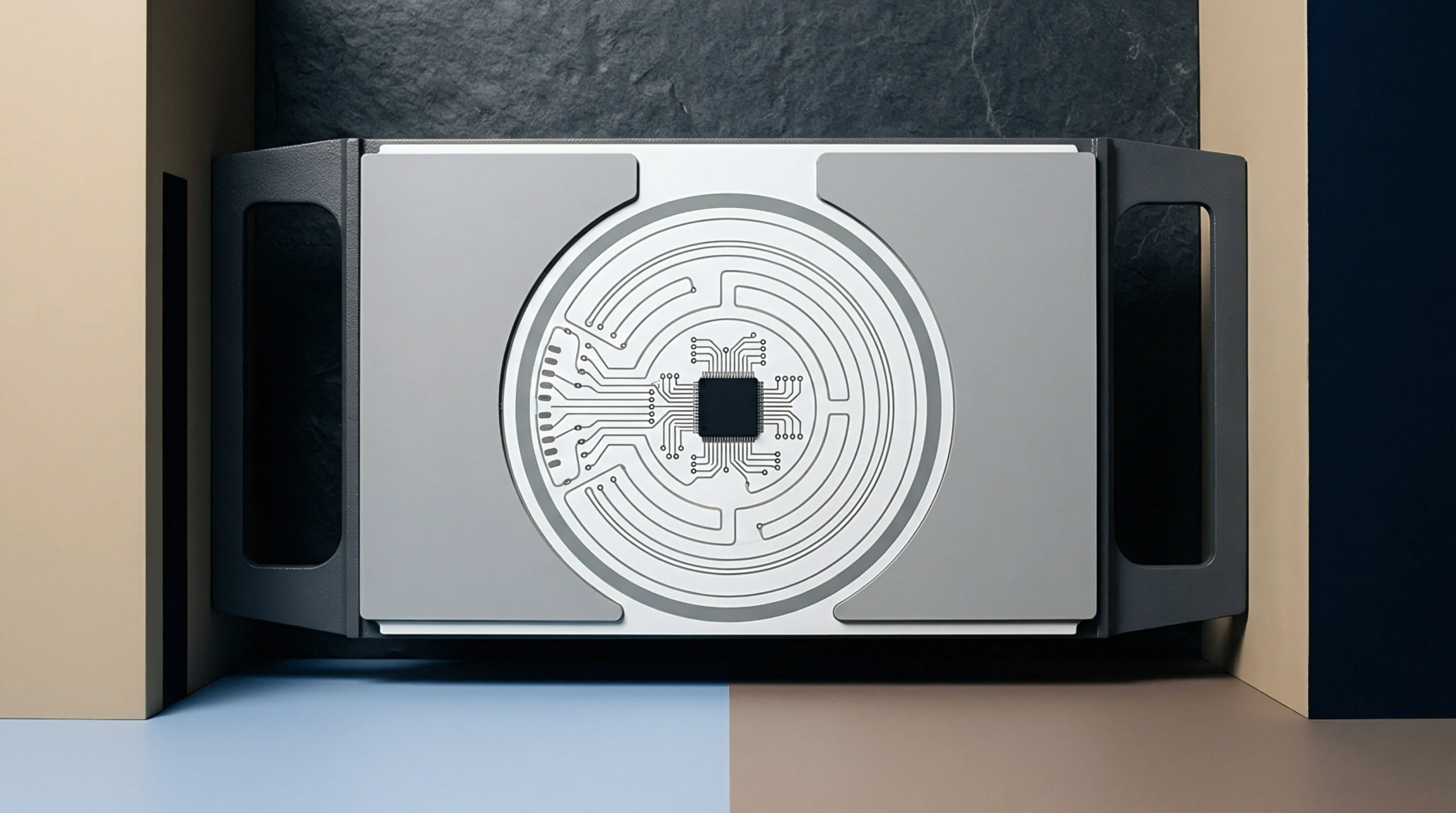
Component density optimization represents the balancing of board area against the number of discrete circuit patterns arranged on a single manufacturing sheet. Panel economics dictates the physical layout logic for maximizing the number of individual units recovered from a raw laminate piece. Designers configure spacing between boards to facilitate safe routing for automated cutting equipment while minimizing the wasted perimeter space.
This strategy balances the cost of raw material consumption against the total throughput time for assembly lines.
Calculation Method
Fabricators determine the ideal quantity of units by dividing the usable surface of the laminate by the sum of the board area and the necessary separation kerf. This ratio identifies the cost impact of the kerf width on individual circuit prices. Larger board dimensions often increase the material loss at the edges of the sheet during the panelization process.
Engineers select the smallest safe kerf width to decrease waste and lower the per unit cost.
Operational Boundary
Throughput constraints limit how far density increases before assembly equipment failure occurs. Pick and place machines require specific edge clearances for mechanical grippers and transport rails. Increased board density sometimes forces manual handling because automated transport systems lack sufficient surface area for grip.
Production efficiency drops when the chosen layout exceeds the handling capability of the standard factory hardware.