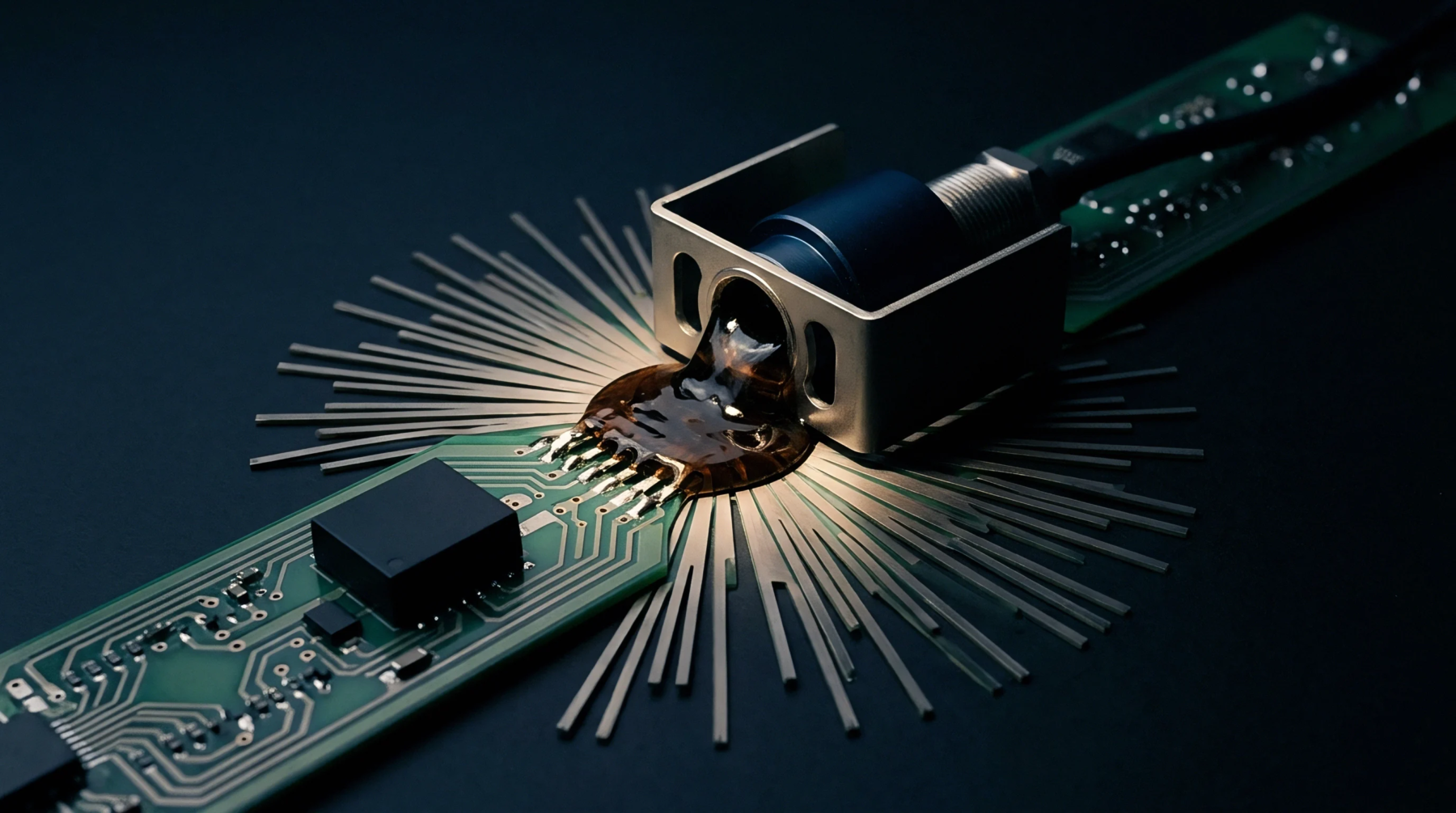
Laminate Resin Flow and Fill Dynamics in Thin Core Multilayer Construction
Dynamic resin flow in thin core laminates governs post-press dielectric thickness, feature filling capability, and panel impedance uniformity.
Dynamic resin flow in thin core laminates governs post-press dielectric thickness, feature filling capability, and panel impedance uniformity.
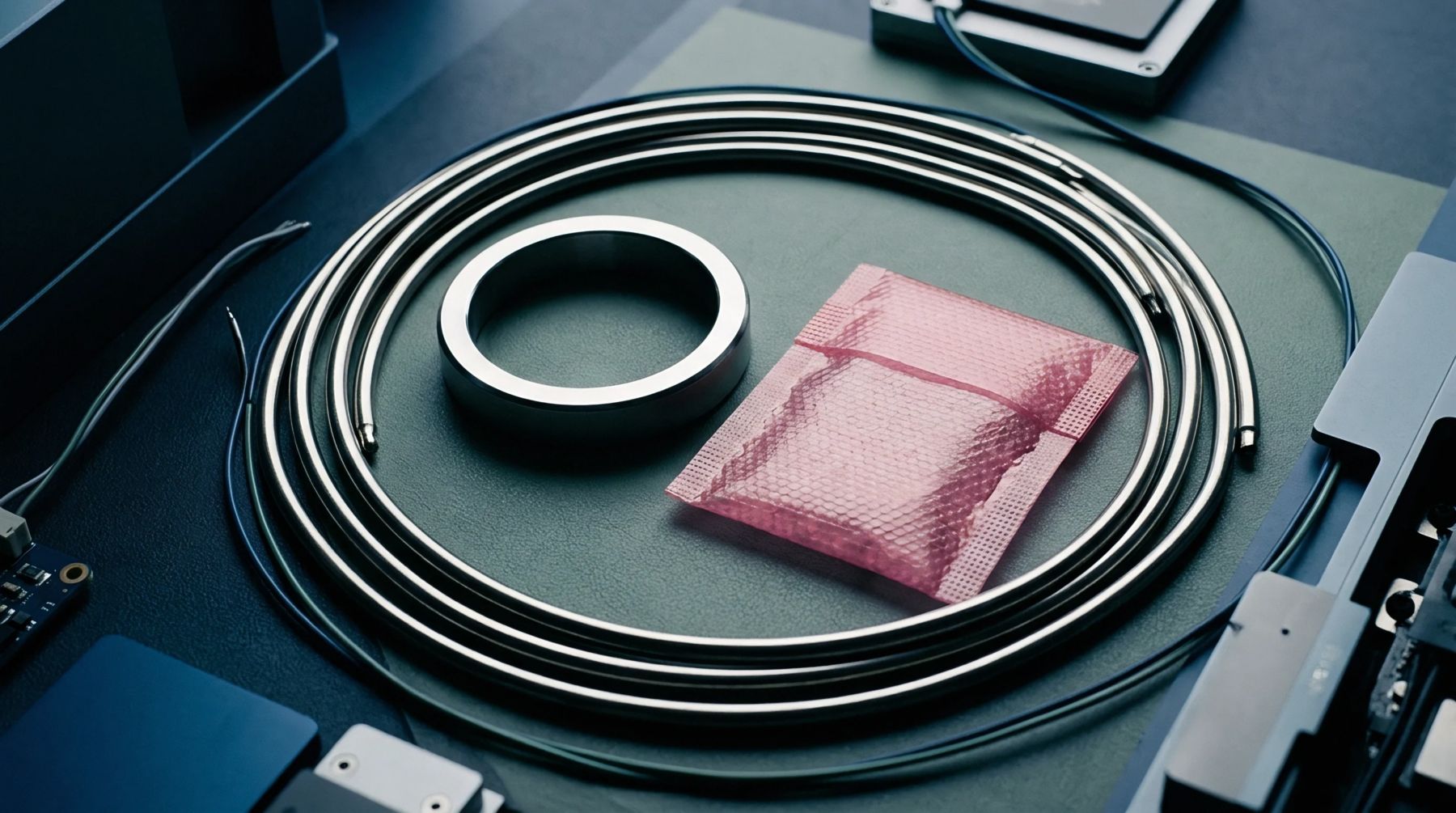
Rigid-flex architecture eliminates discrete connector failures and signal discontinuities while reducing assembly labor, justifying higher bare-board costs.

Microvia aspect ratios above 0.8:1 cause exponential fabricator yield loss by obstructing fluid exchange during plating and creating latent thermal stress fractures.
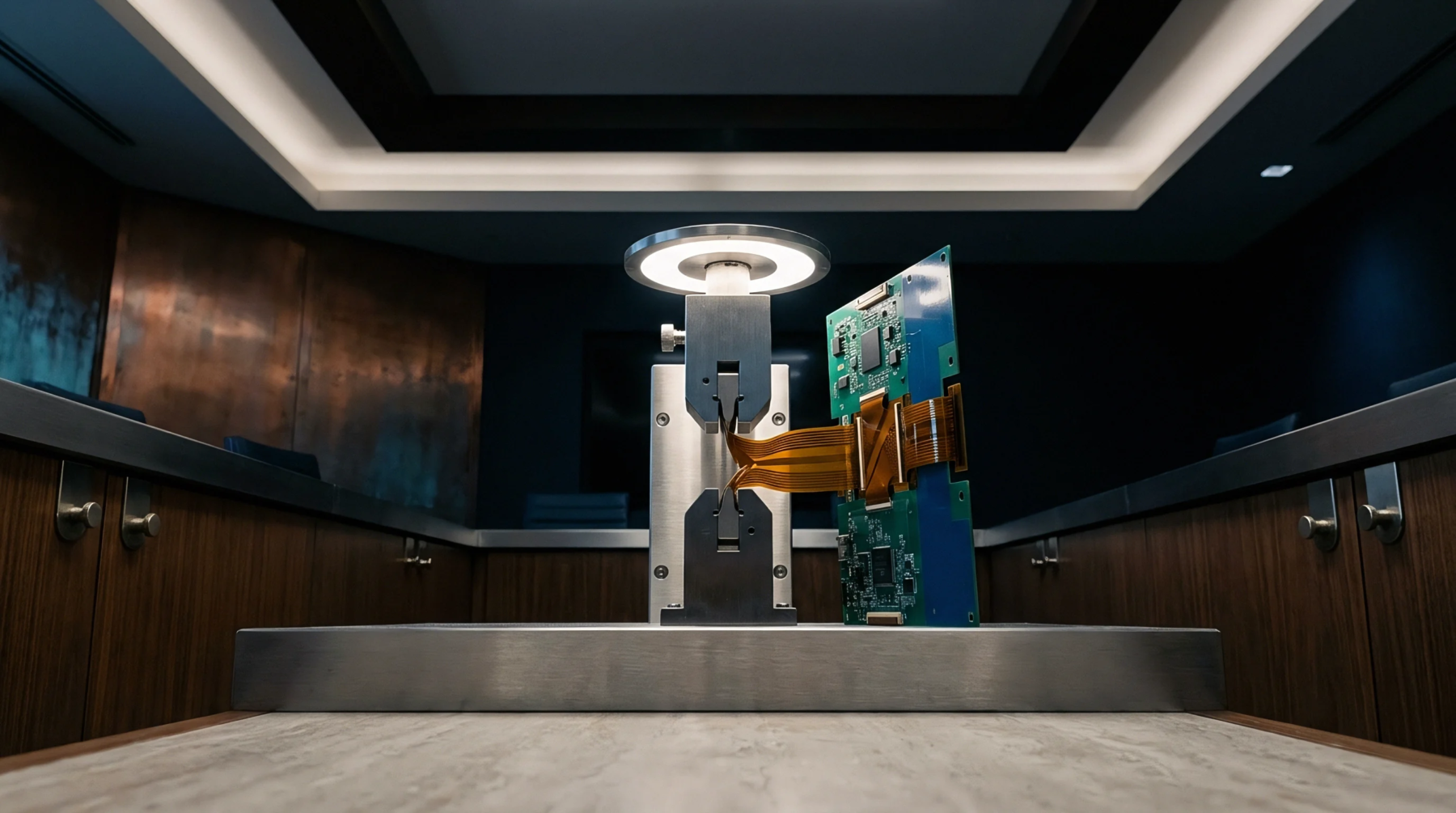
Frequency-domain tensor extraction decouples directional permittivity and loss tangent variations on glass core build-up panels, fixing impedance tolerances across sub-THz interconnects.

Microstructural recrystallization and impurity segregation drive grain boundary shear failure at microvia target pad interfaces during high-temperature reflow.

Perimeter test coupons provide non-destructive evidence of bare-board plating integrity and controlled impedance, requiring spatial correlation offsets to match internal circuit realities.
Anisotropic permittivity variations in glass filament bundles under thermal cycling and moisture exposure are driven by silane interphase degradation, requiring spread-glass weaves and dynamic tensor modeling to prevent high-speed differential skew.
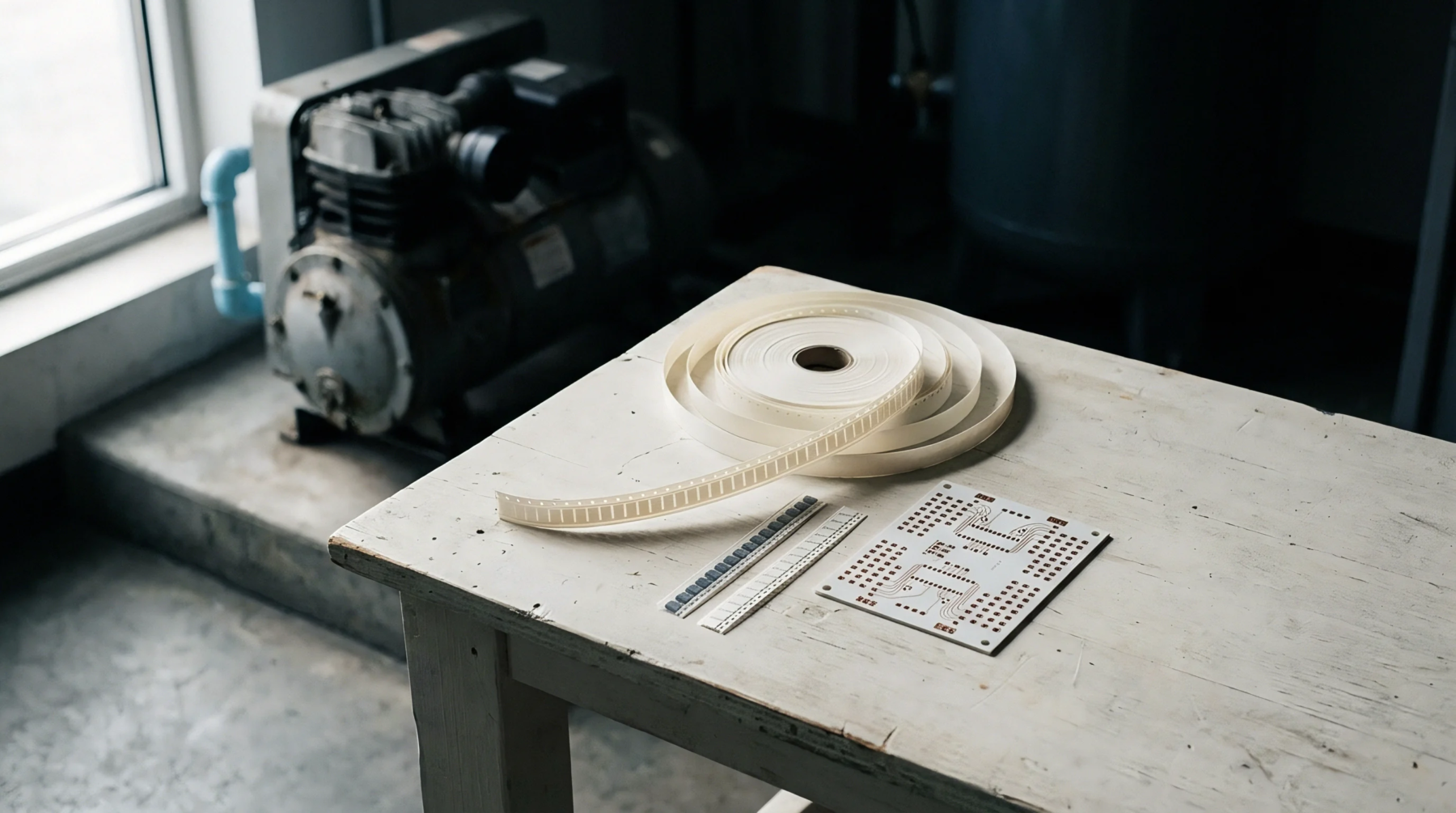
Continuous high-speed Kelvin monitoring during rapid thermal cycling isolates latent target pad separations that re-nest and pass static ambient tests.
Lead-free reflow shifts substrate permittivity by altering free volume and desorbing moisture, changing line impedance by up to 2.5 ohms on high-speed traces.
IPC Class 3 compliance requires minimum 75 percent vertical barrel fill and under 15 percent internal voiding verified via precision microsectioning.
Low z-CTE silica-filled laminates (IPC-4101/129) and staggered microvia topologies prevent target pad separation during 260°C lead-free reflow excursions.
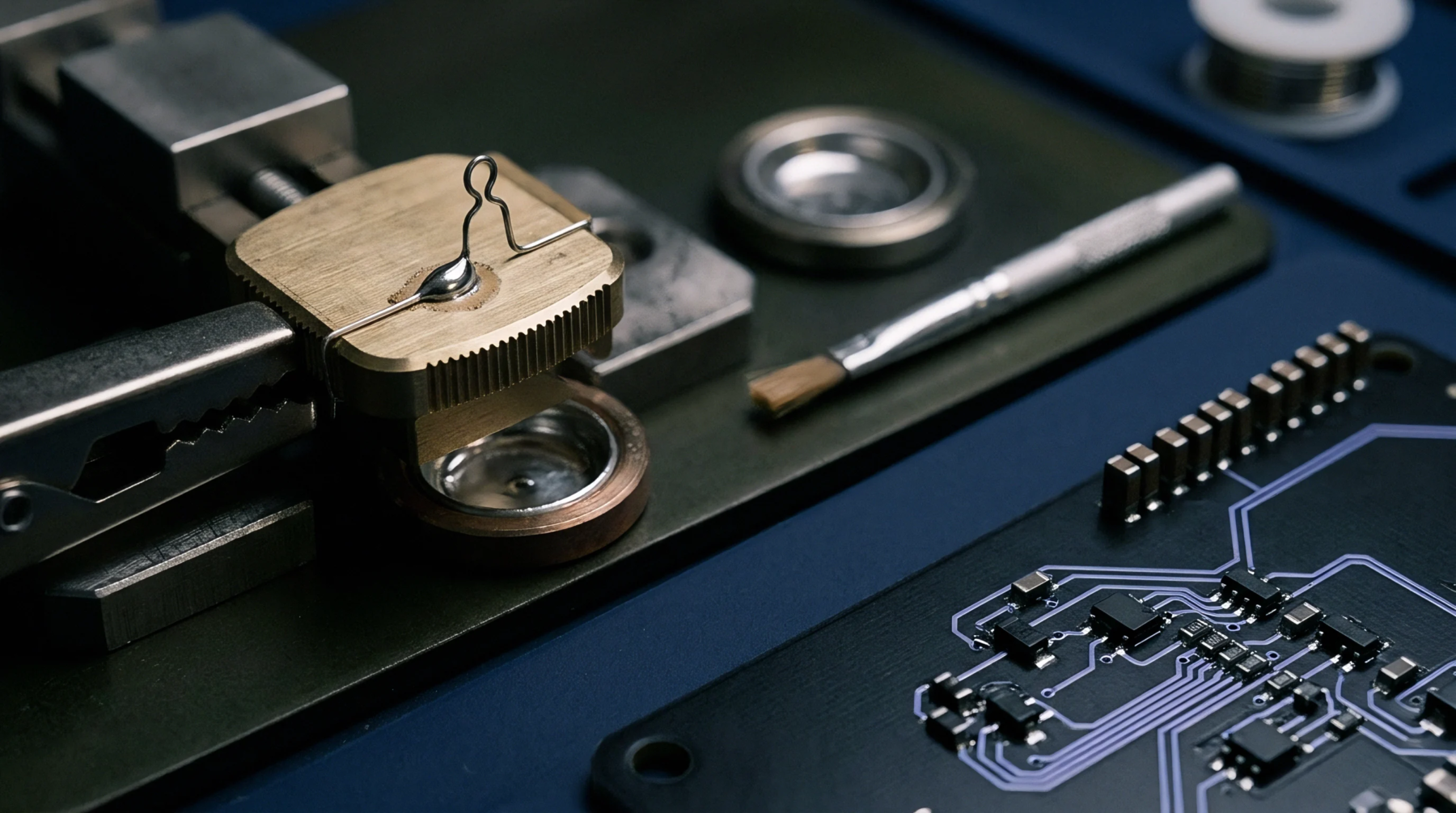
Heavy copper lamination shear stress stems from CTE mismatch and trace height steps, requiring controlled press ramps, high-resin prepregs, and optimized surface treatments to prevent delamination.
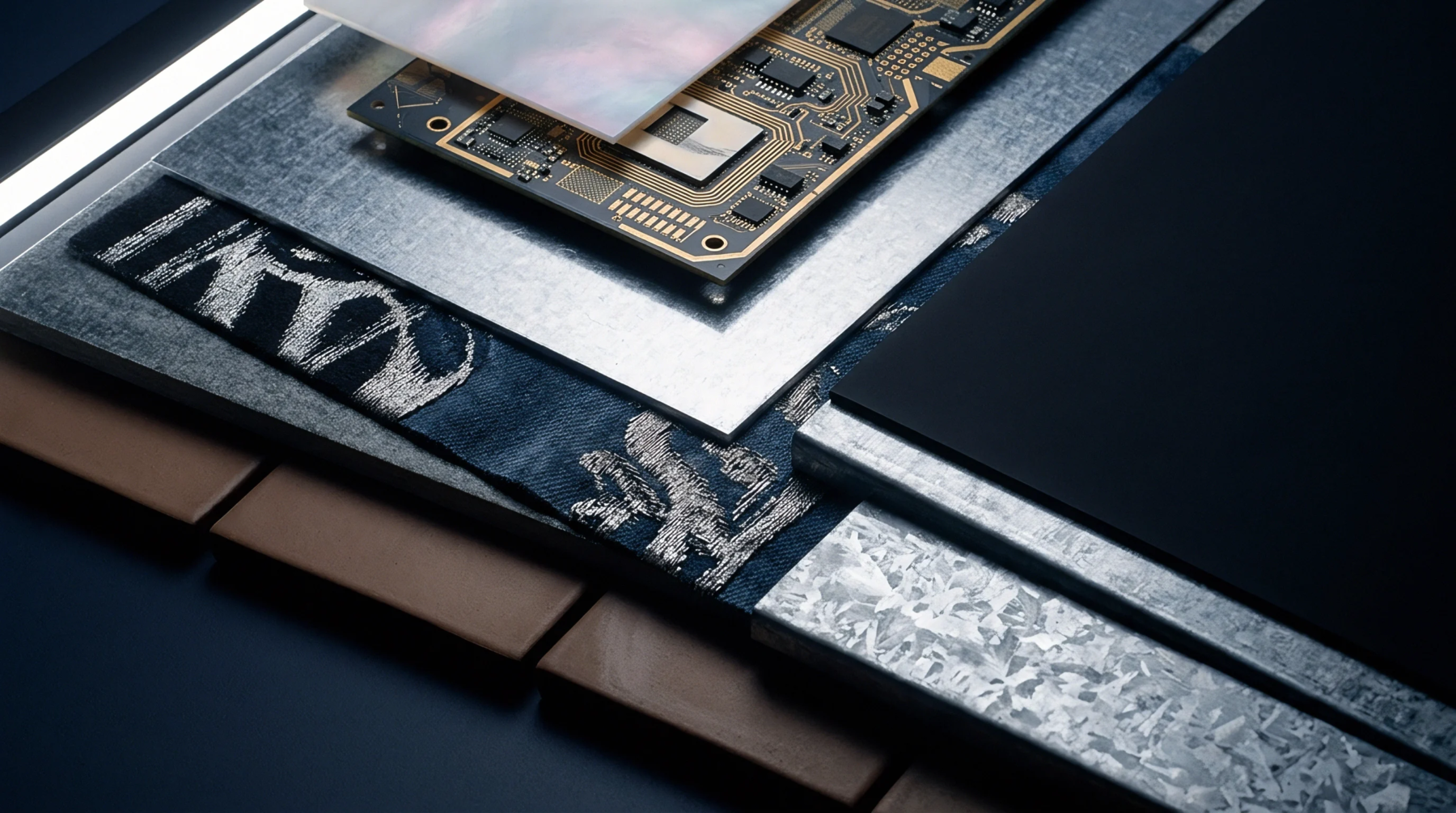
Calculate usable circuits per master production panel and subtract outer border clearances before negotiating bare board unit prices with fabricators.

Rigid-flex stackup selection replaces failure-prone discrete connectors with continuous polyimide trace runs, trading lower bare-board cost for reliability.

Non-linear shear modeling predicts accumulated plastic strain at microvia target pads during sequential lamination, preventing assembly reflow failures.
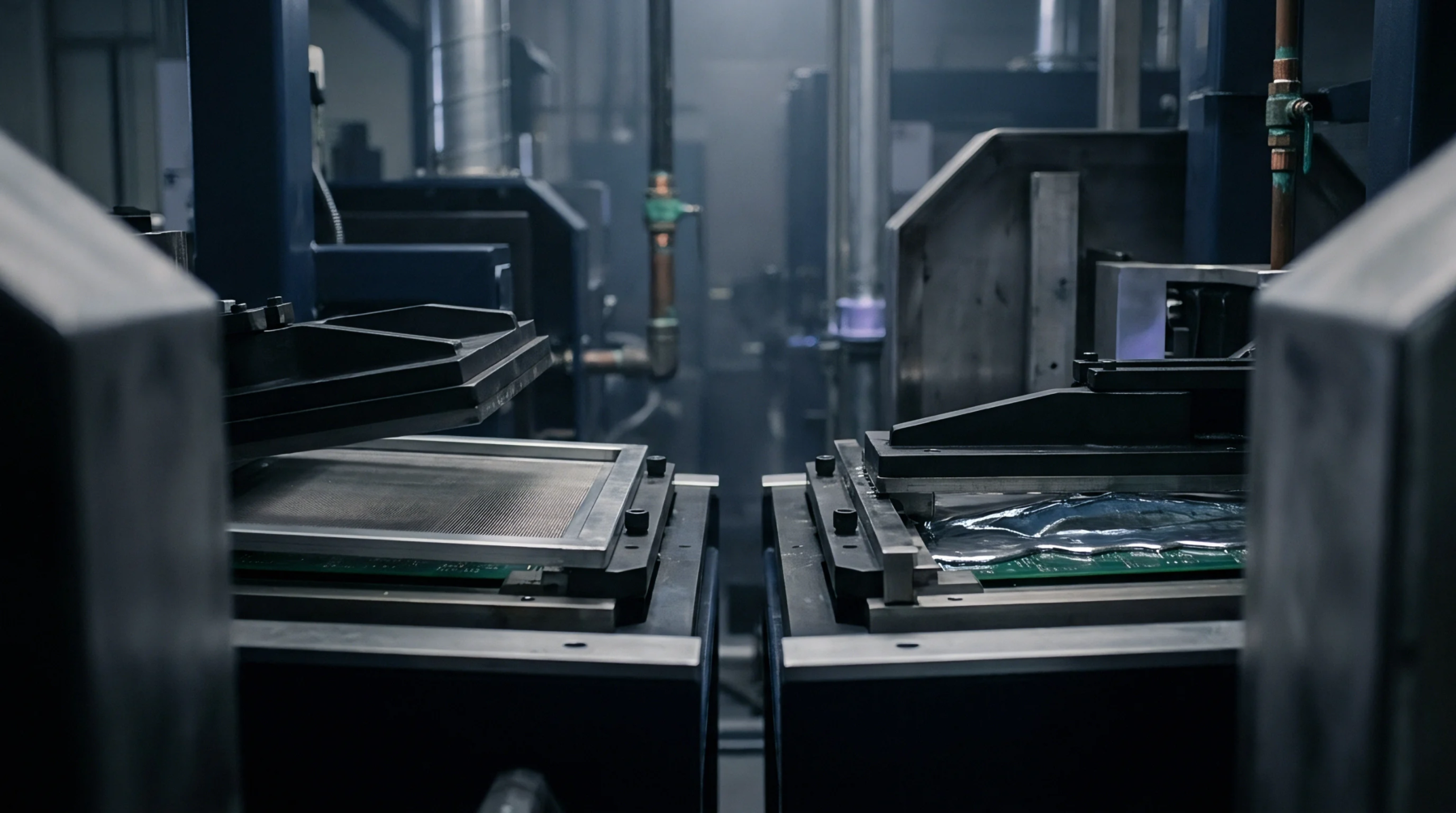
Standard test coupon layouts place structural patterns in panel frame gutters to verify microsection plating and trace impedance without sacrificing yield.
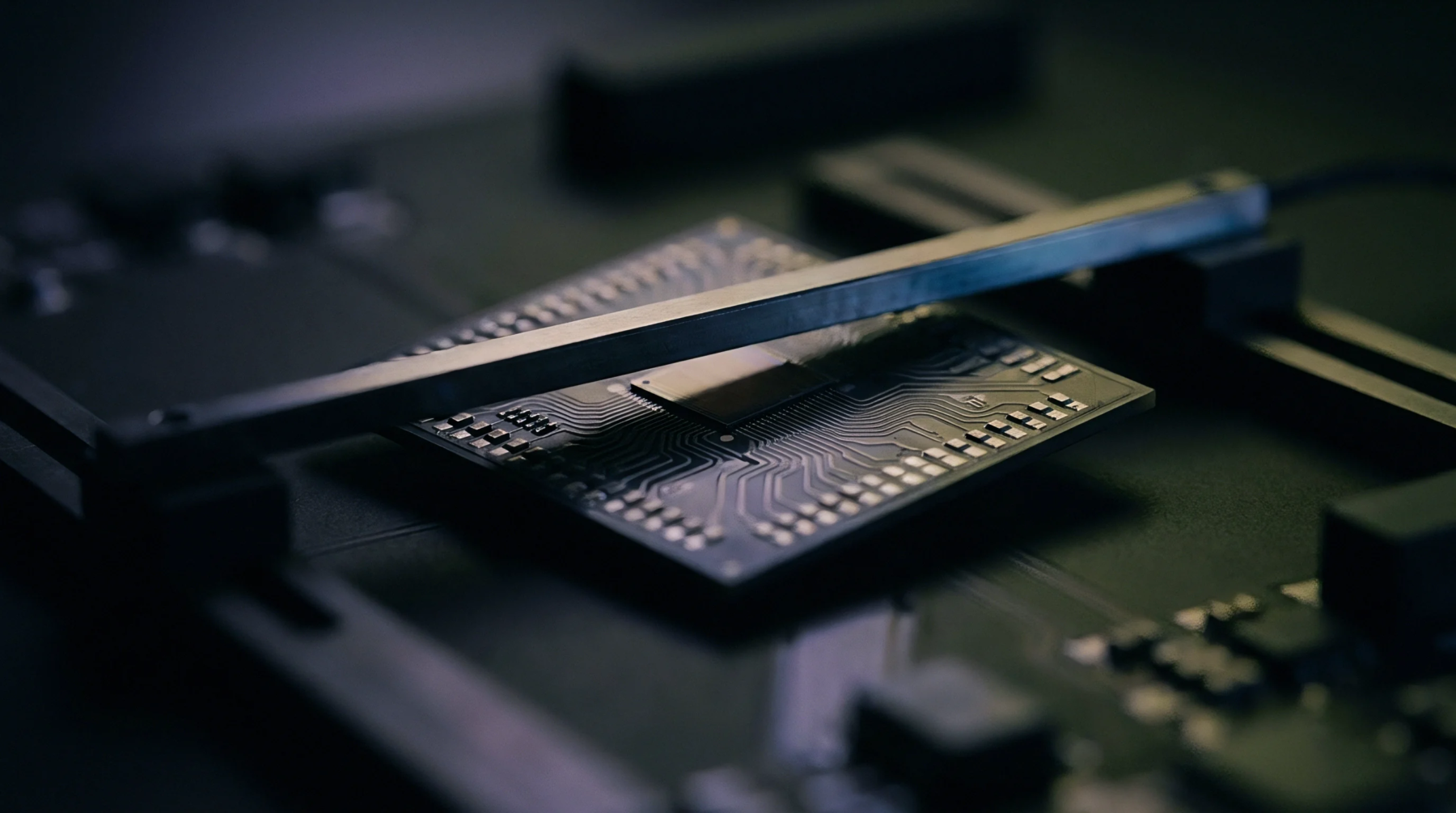
Microvia target pad separation stems from z-axis thermal expansion strain exceeding electroless copper interfacial bond strength during assembly reflow.

Low-frequency DC probing misses high-speed differential symmetry defects, requiring combined TDR, AC scan, and S-parameter metrics to bound structural escapes.
Managing anisotropic permittivity and glass weave dispersion prevents timing jitter and intra-pair phase skew in gigabit differential interconnects.
Perimeter coupon microsections overestimate internal circuit hole plating by up to forty percent due to edge current crowding and throwing power attenuation.
Electrodeposited microvia column fatigue life depends on controlling plating chemistry additives to eliminate interfacial nano-voids that coalesce during reflow.
Acoustic impedance mapping detects microvia target land delamination by reading phase-inverted ultrasonic reflections before assembly reflow causes circuit failure.
High-frequency acoustic phase inversion reveals submicron microvia delamination escaping electrical tests, saving $5.60 per unit over field warranty exposure.
Ultra-smooth foil lamination trades mechanical tooth for chemical bonding, demanding tightly controlled press viscosity windows to avoid delamination.

Continuous high-speed resistance monitoring during thermal reflow simulation catches latent microvia void coalescence that passes room temperature checks.

Dielectric constant shifts permanently during lead-free reflow, requiring stackup field solvers to simulate compensated post-thermal permittivity baselines.
Latent substrate microcracks close elastically at room temperature, escaping DC continuity tests until thermal expansion separates the fractured interfaces.

Interfacial shear stress during lead-free reflow peaks at target pad edges, requiring staggered vias or low-CTE filled prepregs to prevent open circuits.
Dynamic thermal resistance monitoring on D-coupons isolates latent microvia separations, enabling contractual scrap cost transfers before assembly.
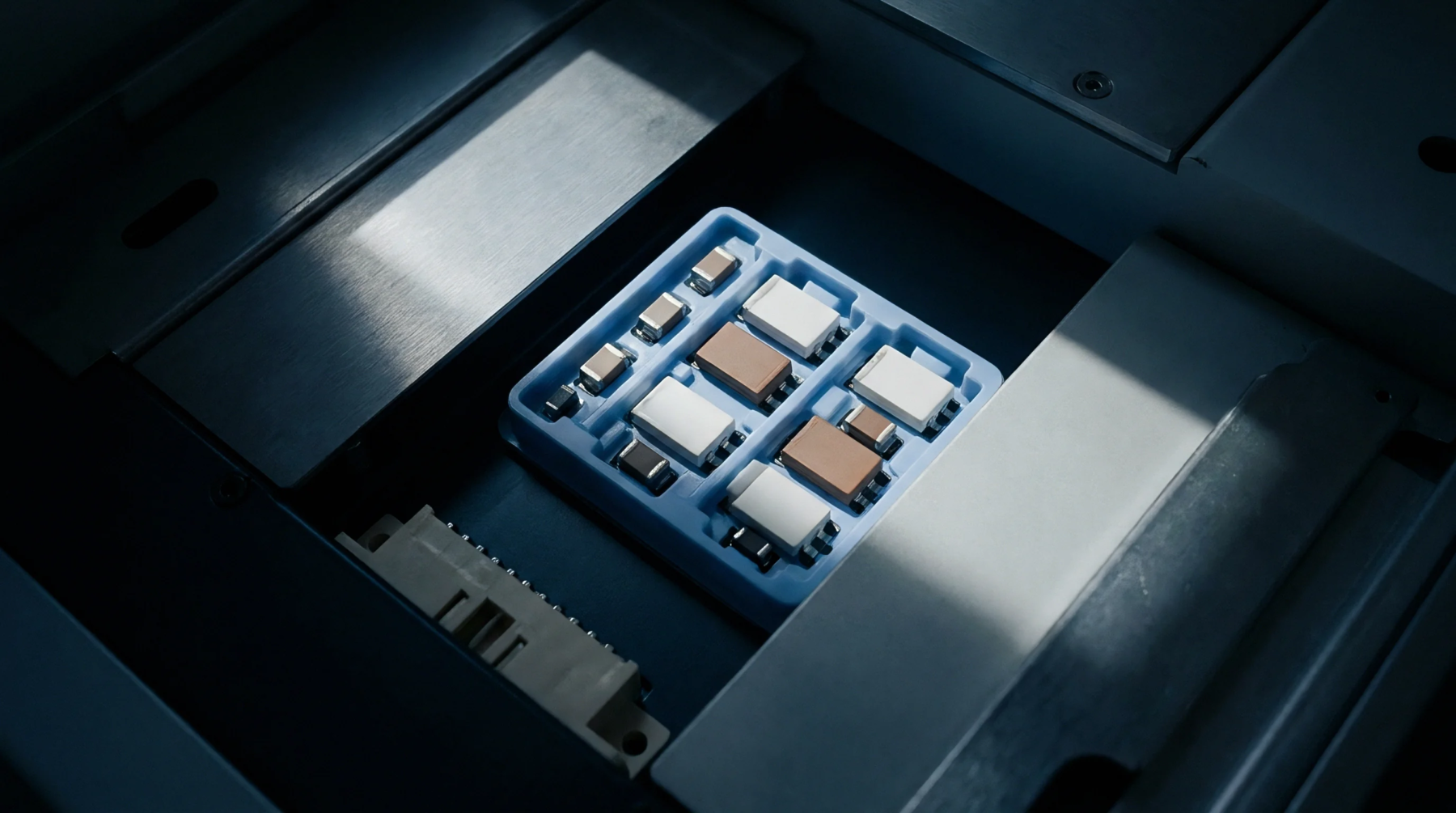
Target pad separation occurs when reflow heat drives z-axis dielectric expansion that shears weak electroless copper bonds at the microvia base.
Expertise is a utility, not a secret. sentiention™ publishes its working knowledge as open reference: intelligence layer covering the materials it sources, the markets it enters, and the reference that serves both.