Multi Press Profitability
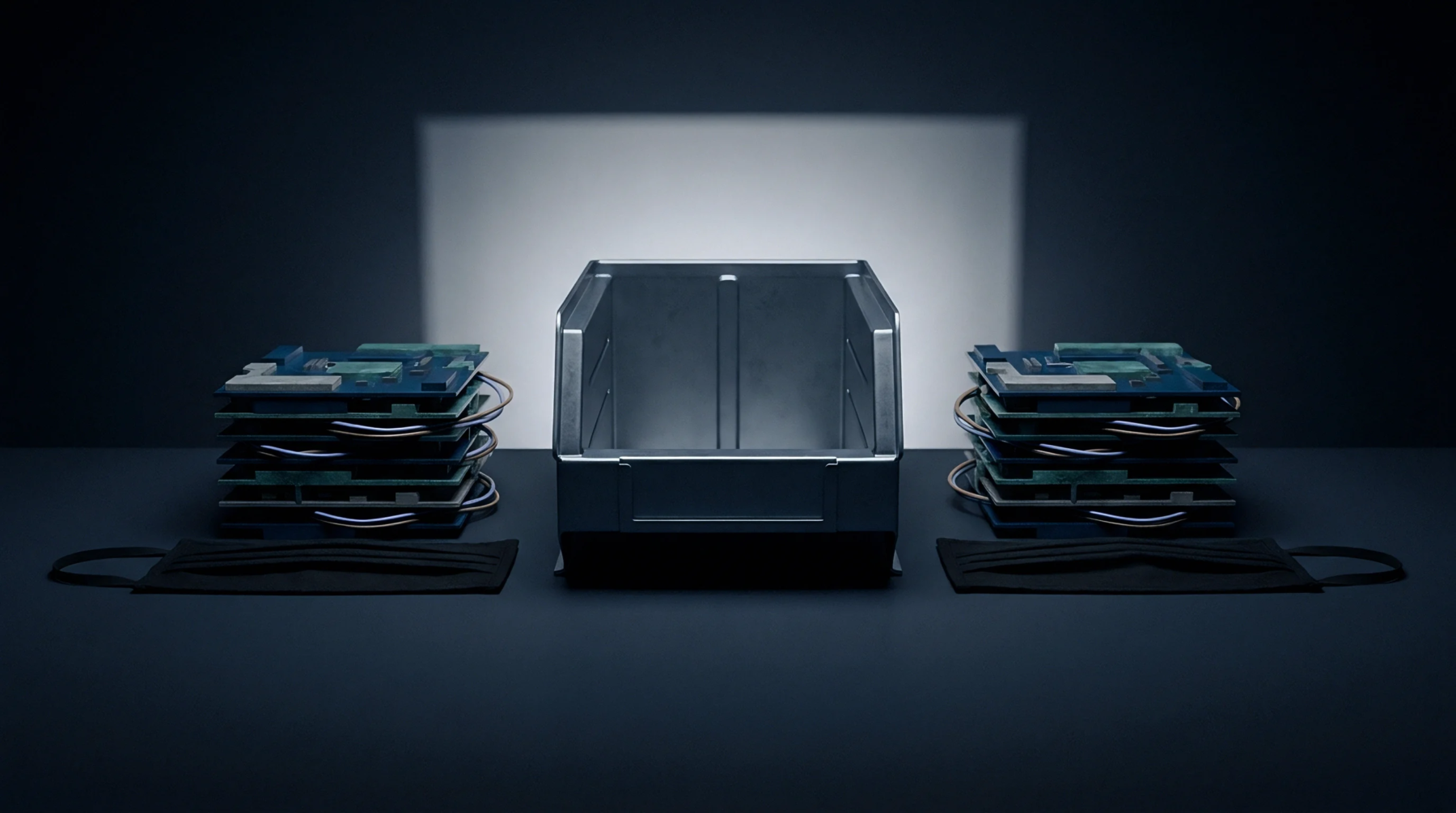
The percentage of conforming boards produced during a manufacturing run that requires multiple separate pressing cycles to combine different core layers dictates the financial viability of a complex design. A high sequential lamination yield is difficult to maintain because each additional press cycle introduces risks of shrinkage and layer misalignment. This metric measures the capability of a fabricator to produce complex high-density boards.
It determines the ultimate scrap rate and unit cost of the production batch.
Dimensional Distortion Challenge
Materials swell and shrink when subjected to the heat and pressure of the laminating press. Achieving a high sequential lamination yield requires precise scaling of the artwork before the copper is etched. This adjustment compensates for the material movements that occur during repeated heat cycles.
Registration Precision Metric
Blind and buried vias must align perfectly with inner layers to prevent circuit opens and shorts. Every time a board goes through the lamination press, the probability of trace-to-via misalignment increases, which directly threatens the sequential lamination yield of the production batch. Fabricators use advanced x-ray drills and lamination pin systems to verify and maintain registration between successive layers.
This specialized tooling represents a major investment but is required to produce multi-layer HDI boards with acceptable losses.