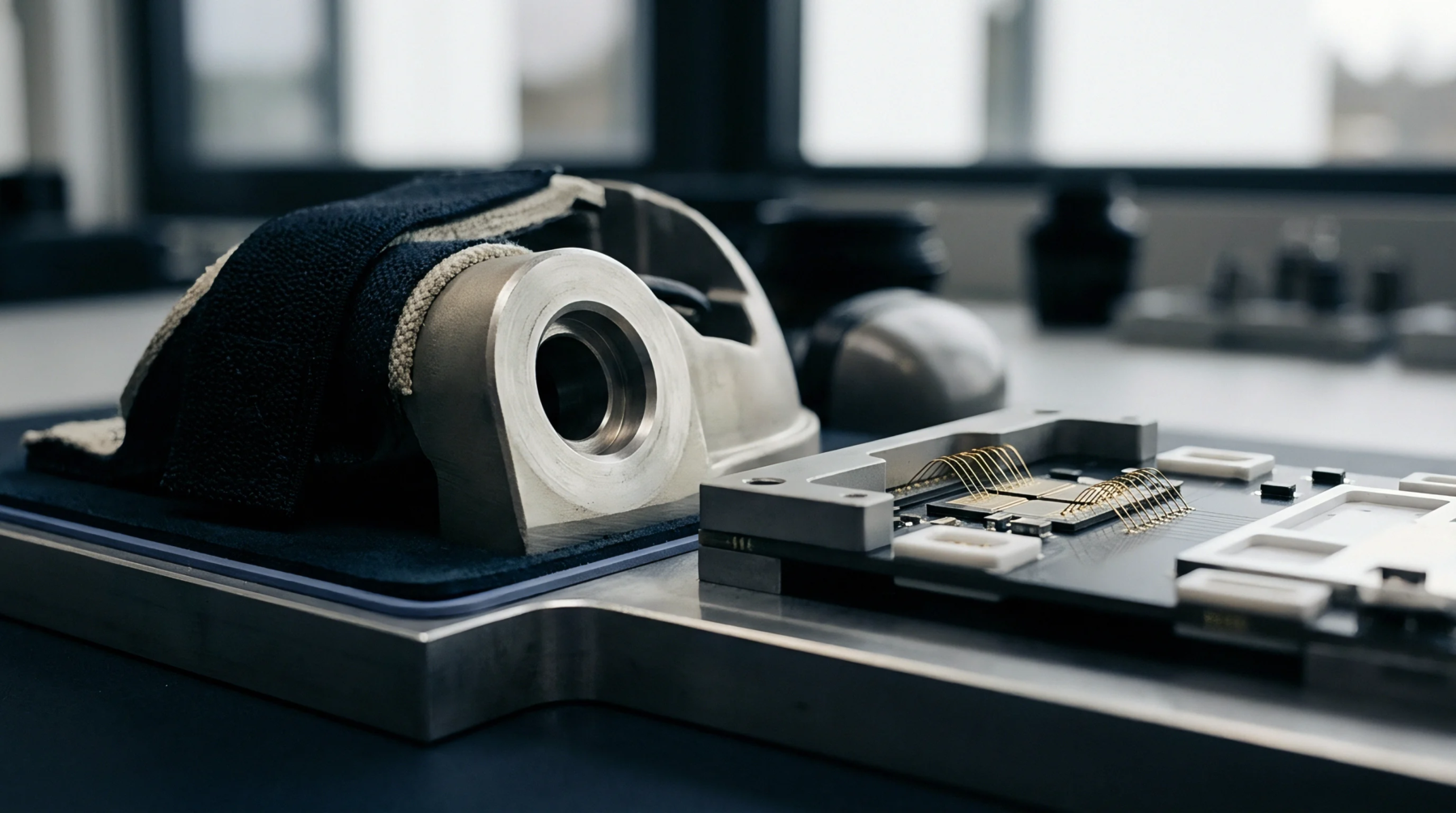
Determining Microvia Interface Mechanics under Accelerated Thermal Stress Testing
Microvia interface mechanics dictate that thermal cycling drives out-of-plane dielectric expansion, inducing shear failure at contaminated target pad boundaries.
Microvia interface mechanics dictate that thermal cycling drives out-of-plane dielectric expansion, inducing shear failure at contaminated target pad boundaries.
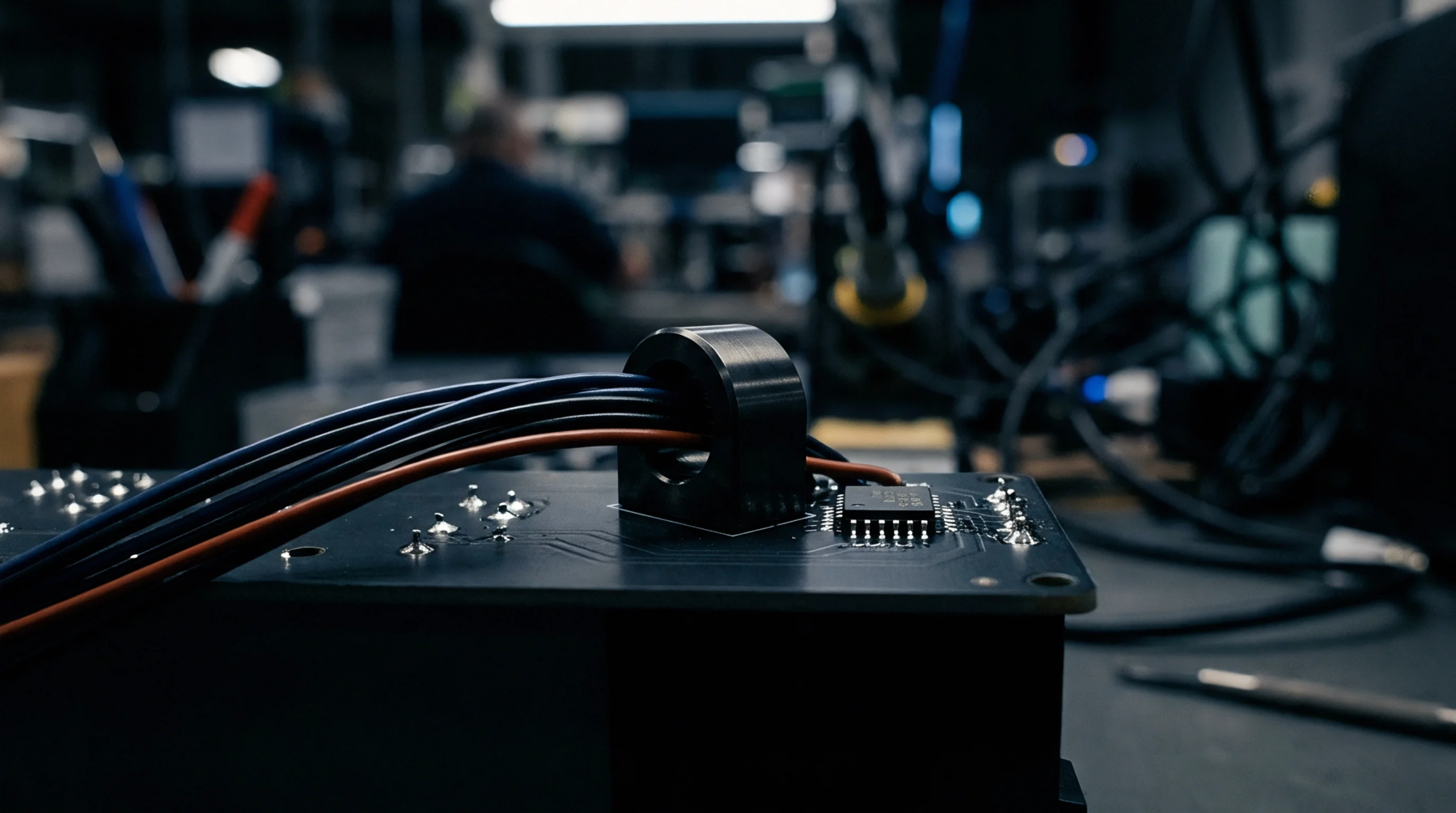
Mitigate sub-core microvia target pad delamination by enforcing eighteen-micrometre foils, controlled microetching, and staggered layout architectures.

Substrate Z-axis thermal expansion above Tg drives low-cycle fatigue and target pad separation in HDI microvias during SAC305 lead-free reflow profiles.
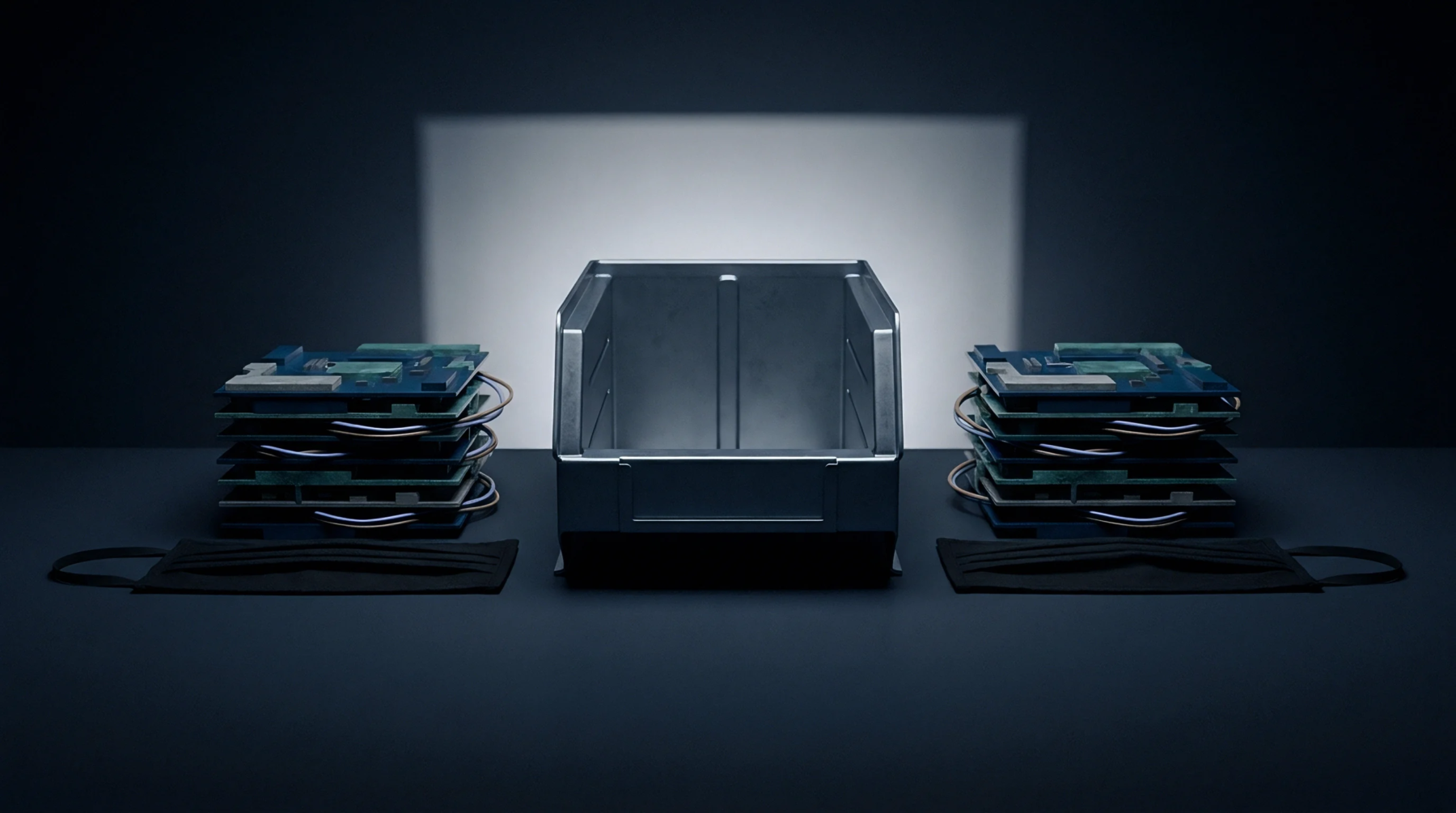
Low z-CTE silica-filled laminates (IPC-4101/129) and staggered microvia topologies prevent target pad separation during 260°C lead-free reflow excursions.
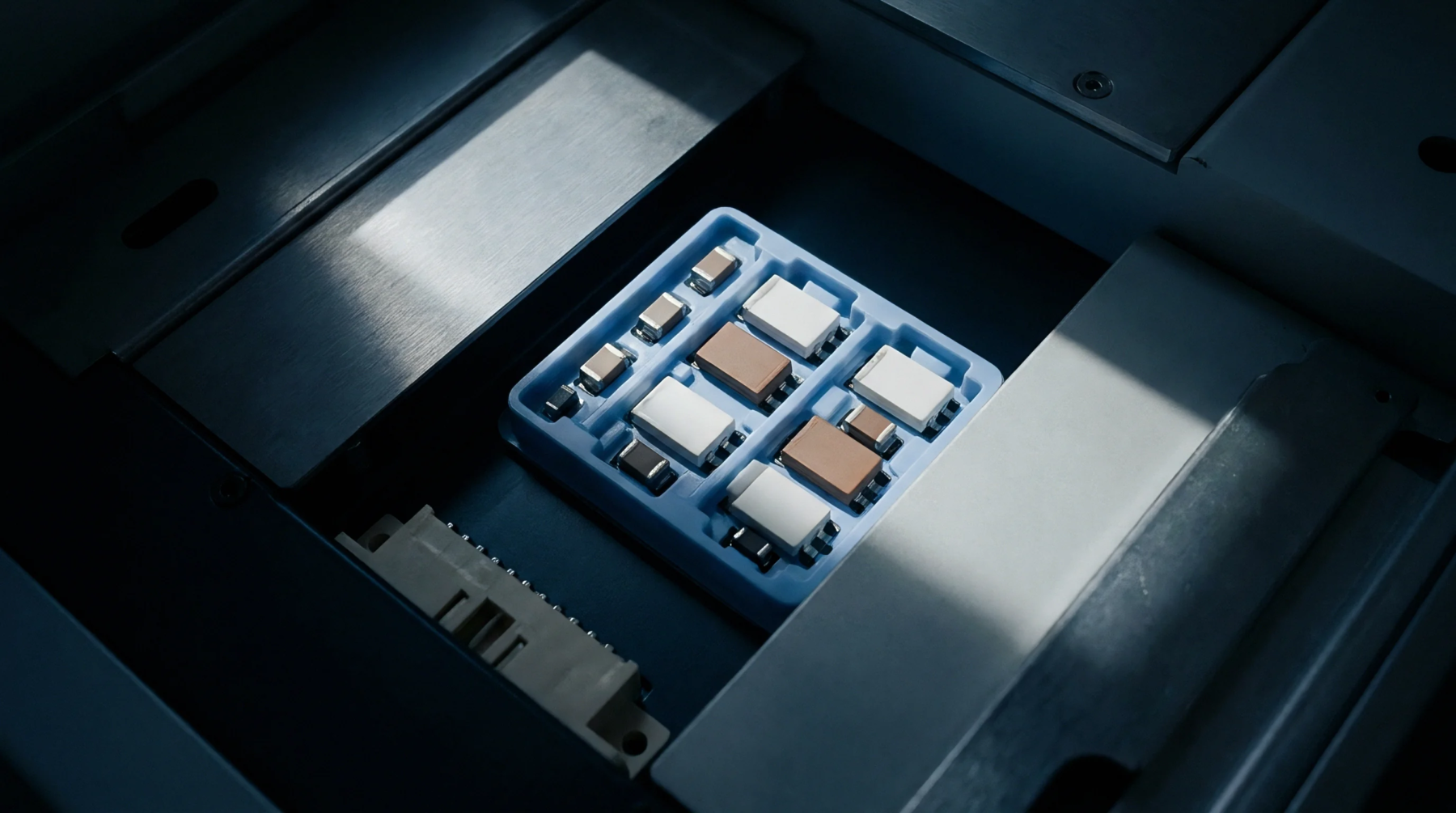
Latent microvia interfacial fatigue opens during thermal transients to cause intermittent high-speed signal failures detectable only by dynamic four-wire thermal screening.
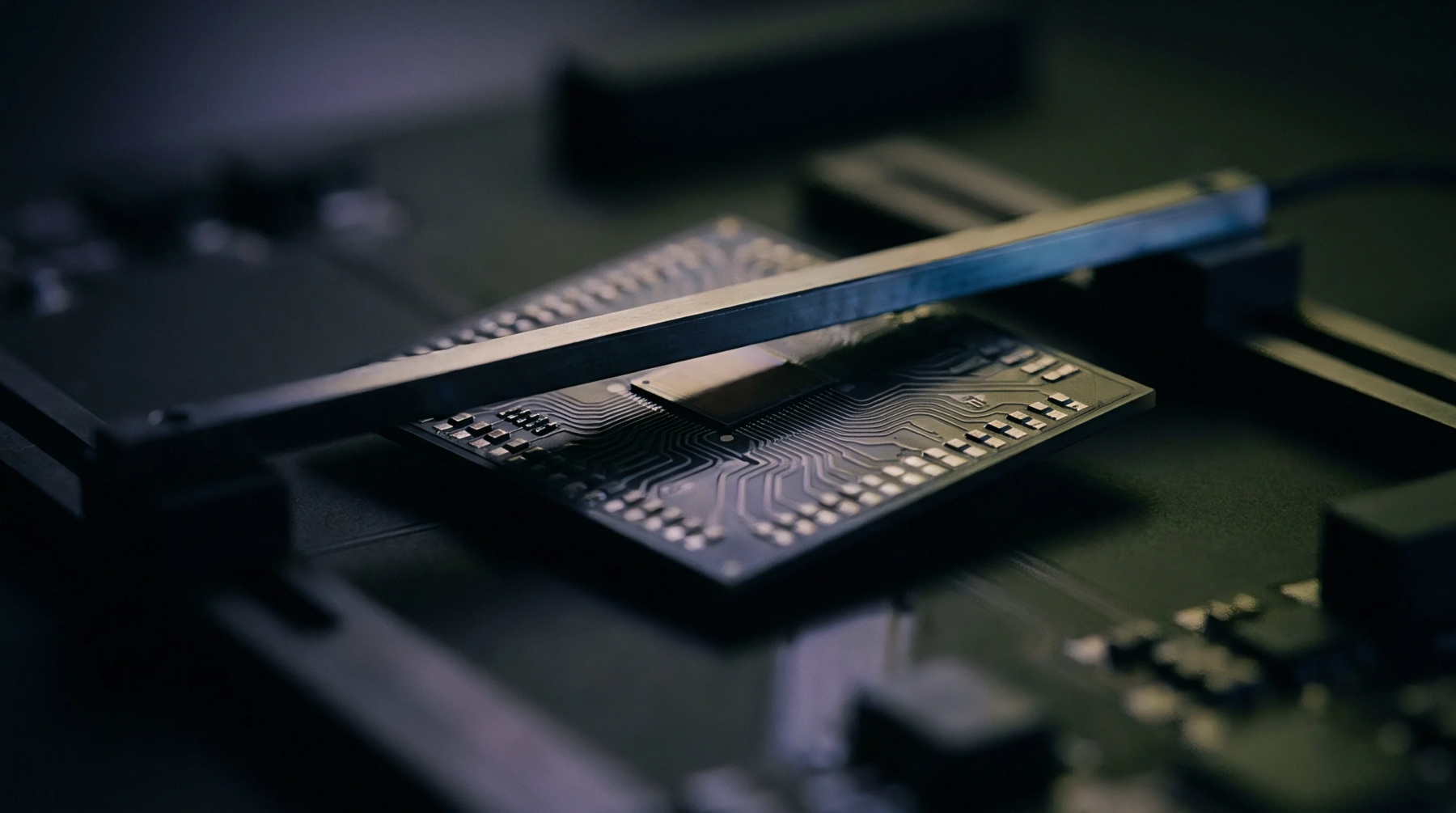
Sequential lamination registration budgets require root-sum-square alignment modeling of sub-core thermal shrinkage and drill offsets to size microvia lands.
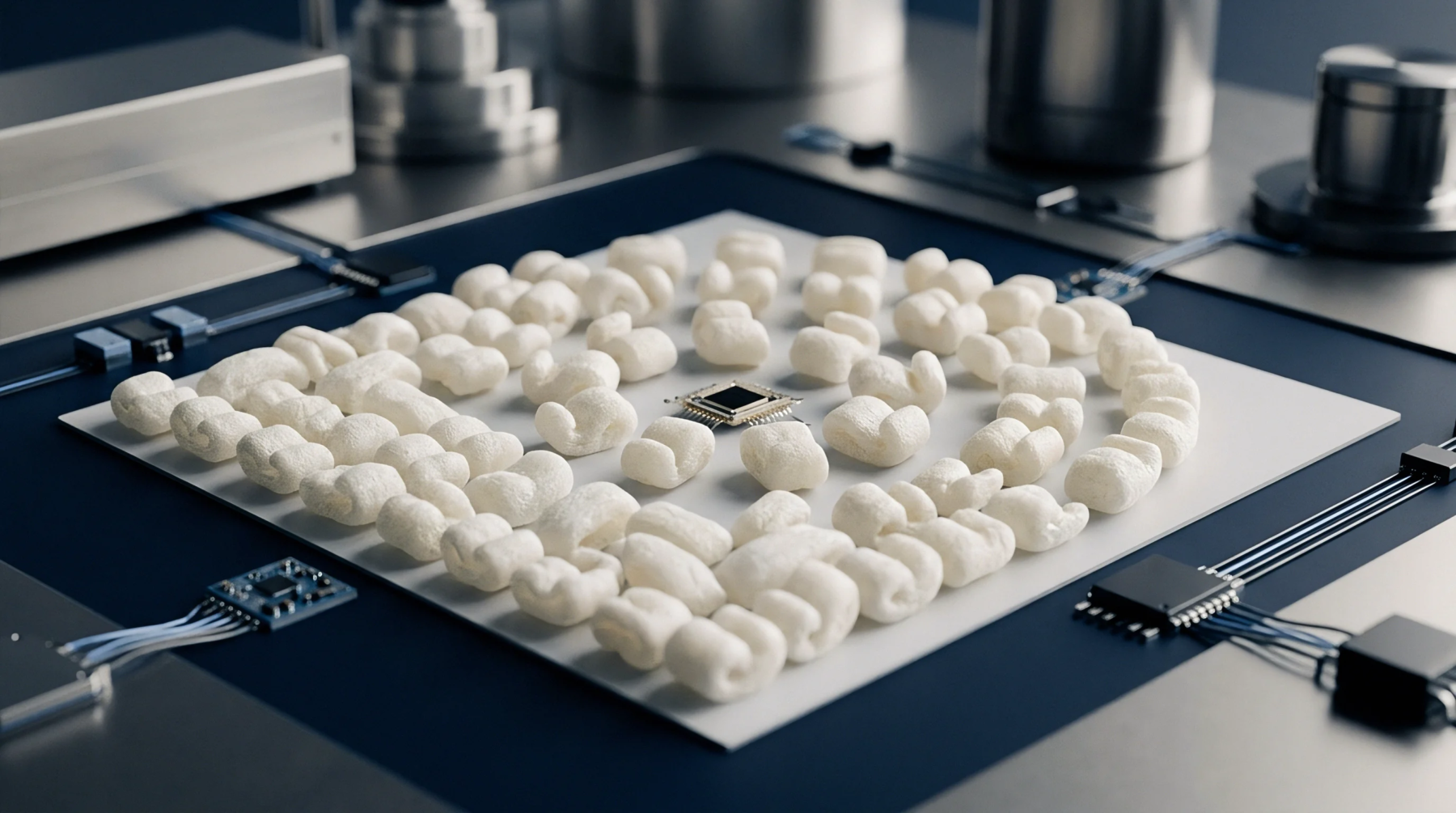
Quantifying stacked microvia thermal fatigue requires matching resin z-axis CTE limits to electrodeposited copper ductility under continuous resistance monitoring.
Expertise is a utility, not a secret. sentiention™ publishes its working knowledge as open reference: intelligence layer covering the materials it sources, the markets it enters, and the reference that serves both.