
Finite Element Analysis Verification against Physical Strain Gauge Telemetry in Fixtures
Finite element analysis verification against physical strain gauge telemetry requires localized mesh refinement and empirical contact friction coefficients.
Finite element analysis verification against physical strain gauge telemetry requires localized mesh refinement and empirical contact friction coefficients.

Finite element shear modeling predicts latent interface cracking in high-temperature electronics by applying age-degraded cohesive zone parameters.
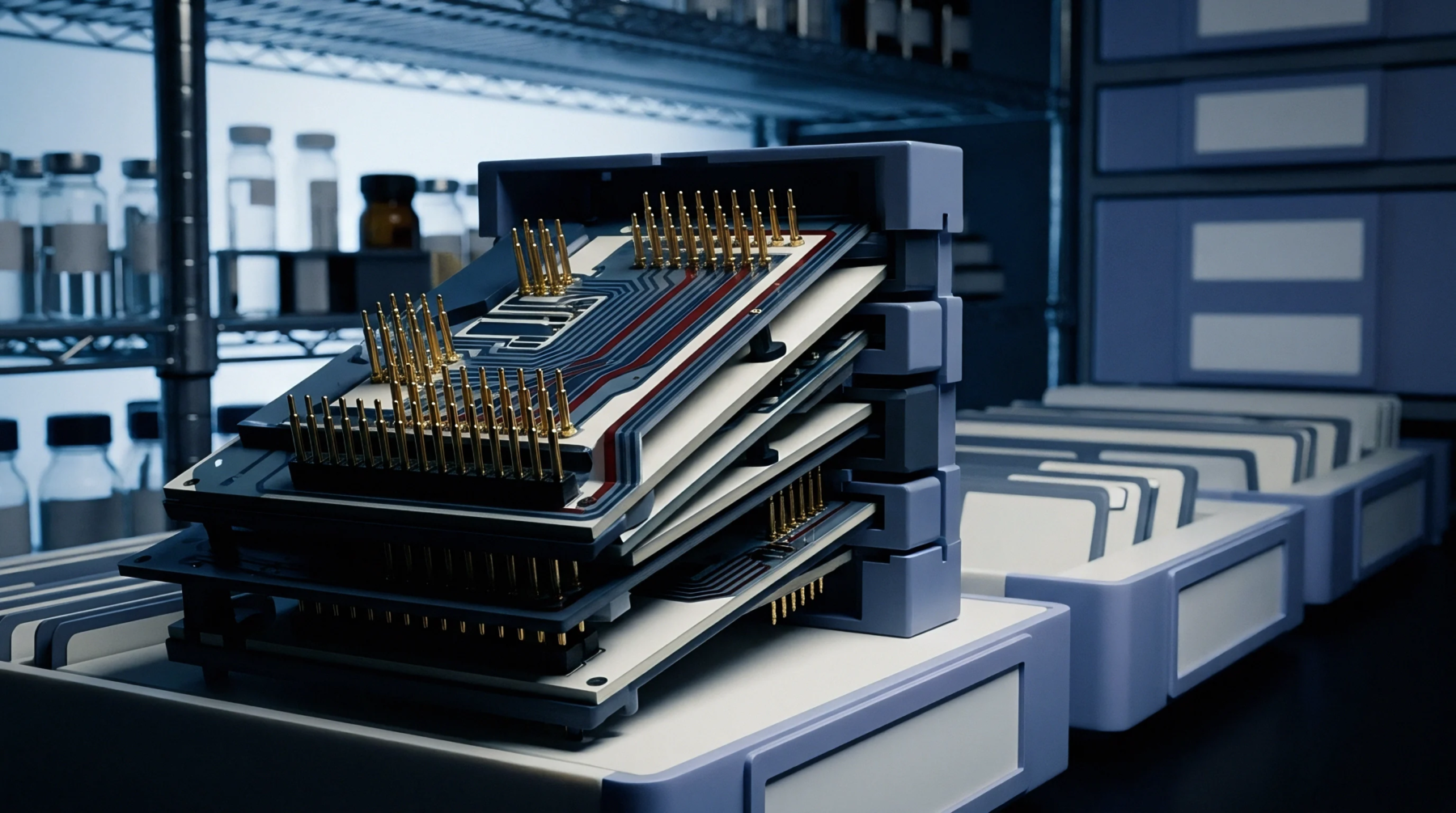
Strain energy damage modeling accurately predicts lead-free solder joint fatigue under multi-pass thermal transients where linear creep models fail.

Microvia target pad interfacial shear displacement stems from CTE mismatch during thermal shock, demanding tight lamination control to prevent failure.
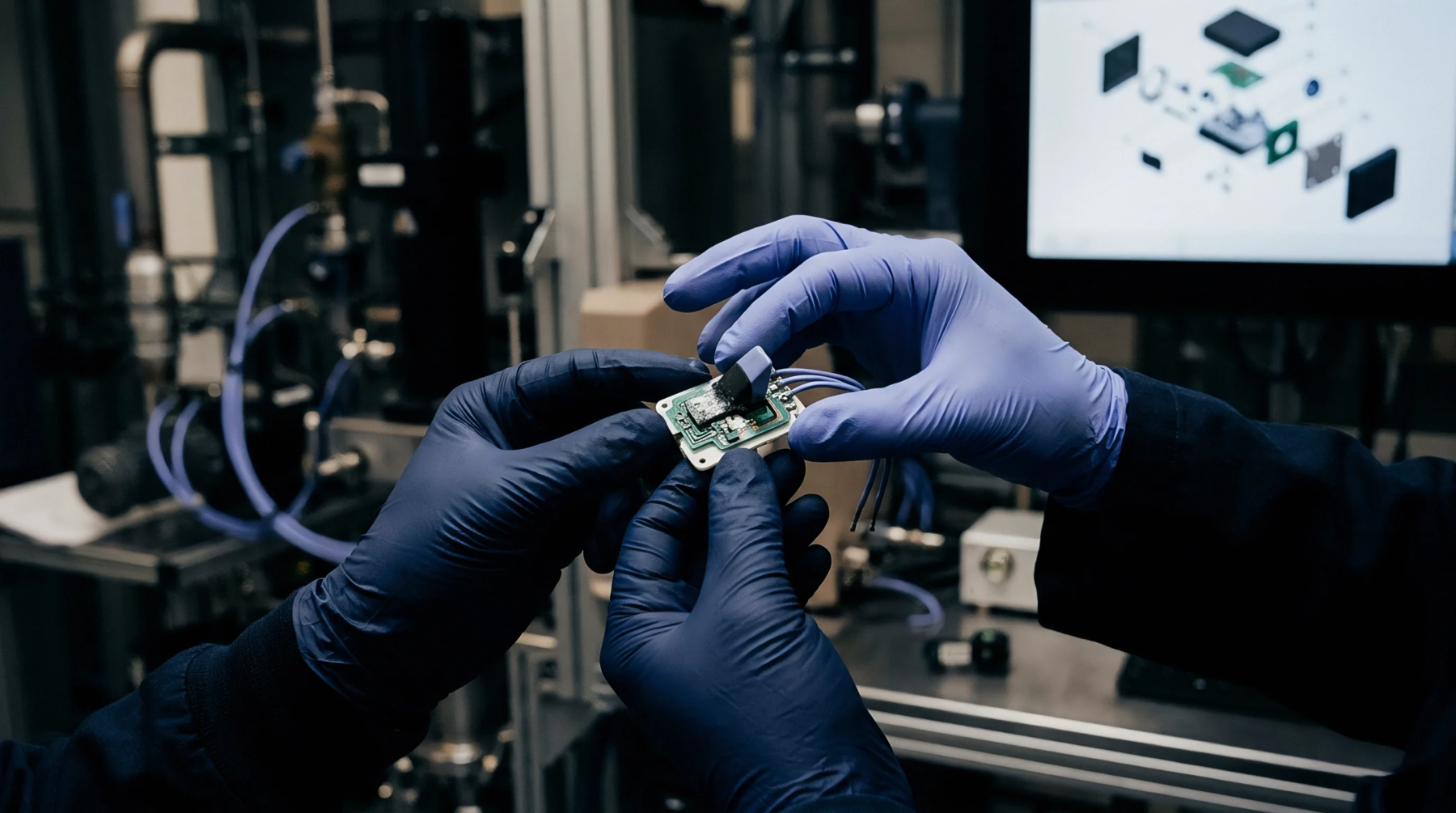
Non-linear viscoelastic cure modeling predicts microvia target pad separation by coupling resin shrinkage to interfacial cohesive fracture energy.
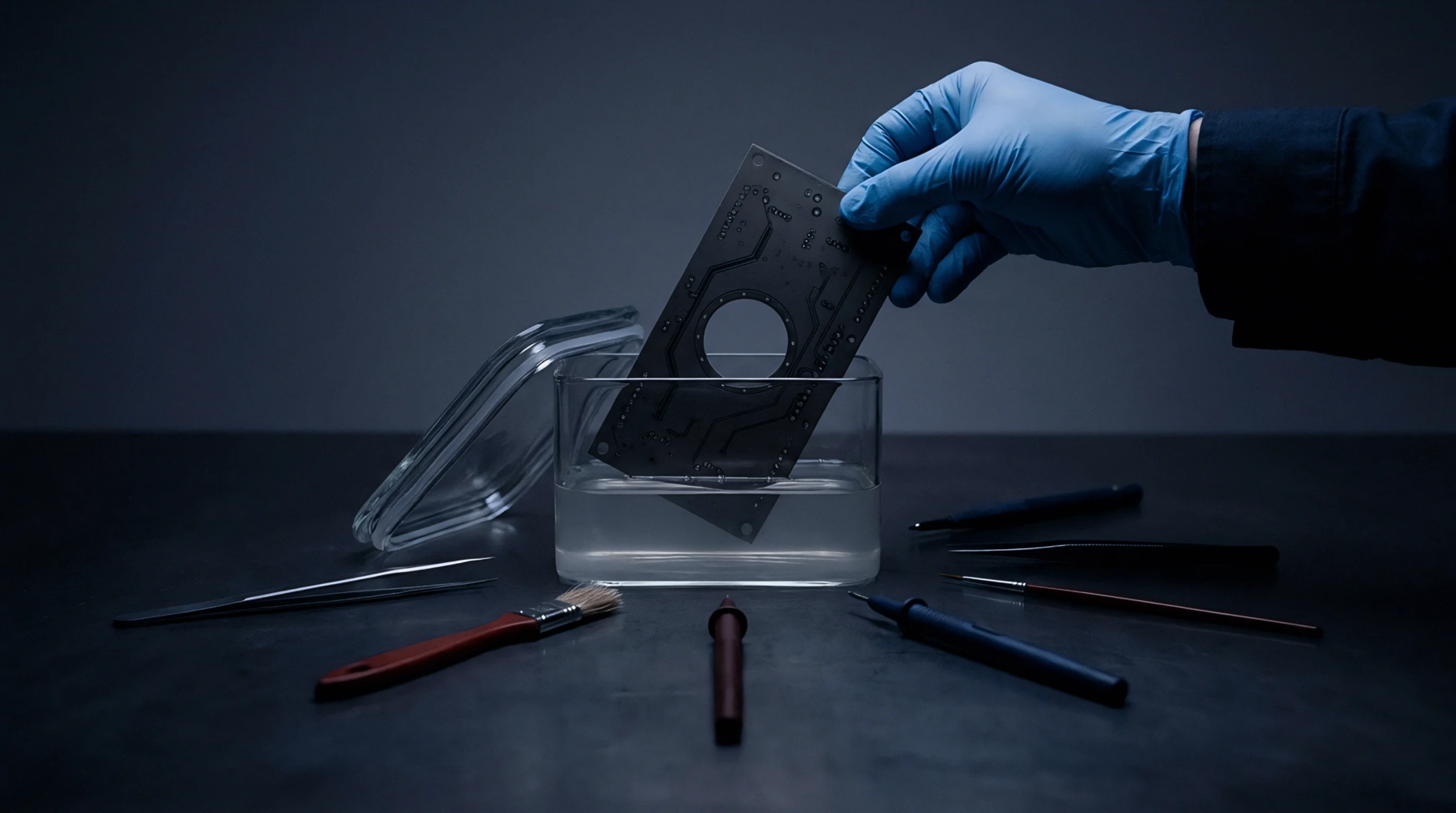
Balancing micro-probe forces with precision push-fingers prevents substrate strain over 500 microstrain, protecting fine-pitch BGAs and MLCCs from fixture damage.
Commissioning in-circuit test fixtures with triaxial strain gauge rosettes per IPC/JEDEC-9704A prevents test-induced solder joint and pad cratering failures.
Expertise is a utility, not a secret. sentiention™ publishes its working knowledge as open reference: intelligence layer covering the materials it sources, the markets it enters, and the reference that serves both.