Temperature Distribution
Rate of temperature change over a physical distance across a circuit board indicates how uniformly the assembly is heating during reflow. A high thermal gradient can cause different parts of the same component to expand at different rates. This phenomenon is a primary cause of internal stress in large ceramic capacitors and ball grid arrays.
Reflow Dynamics
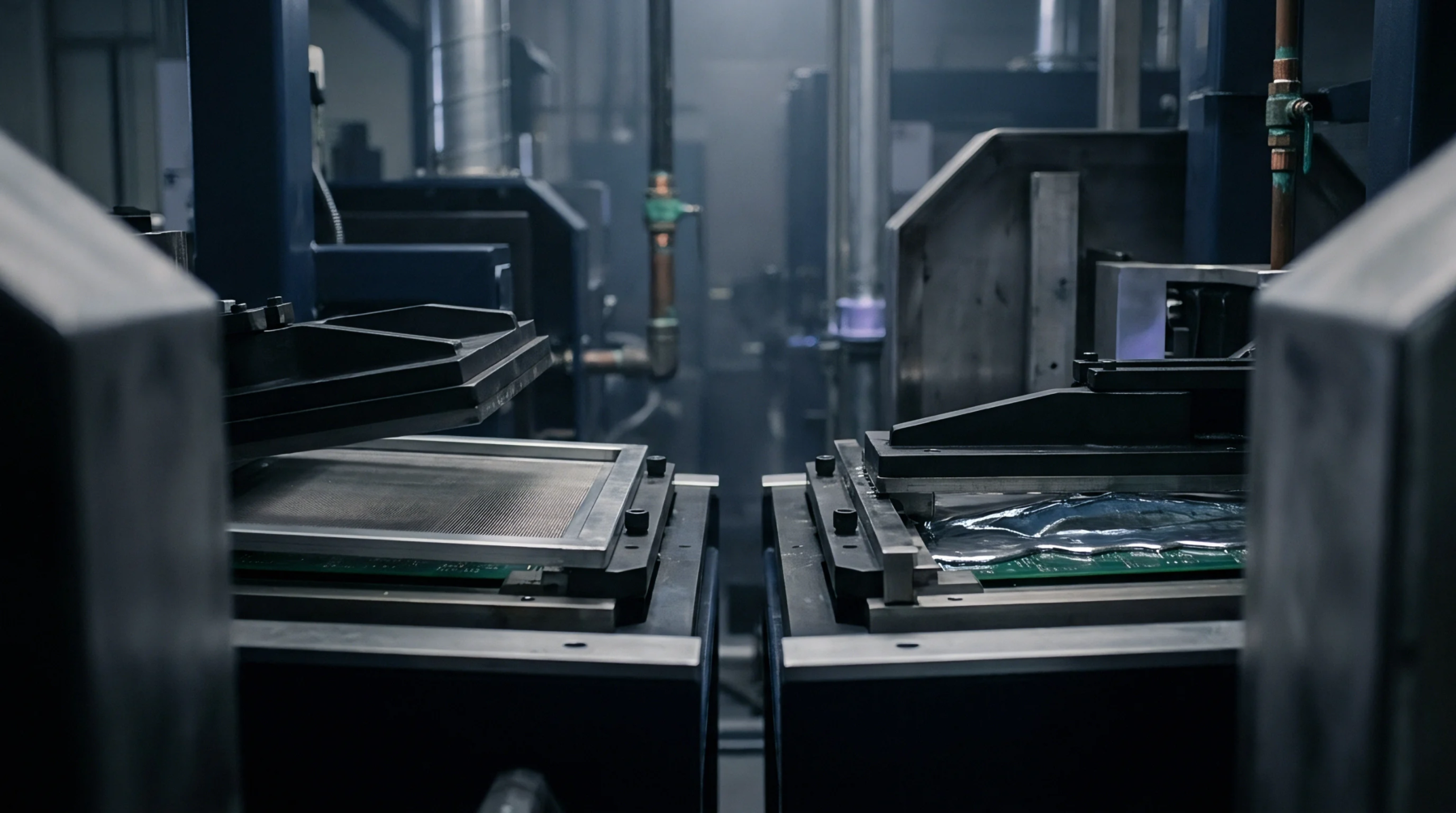
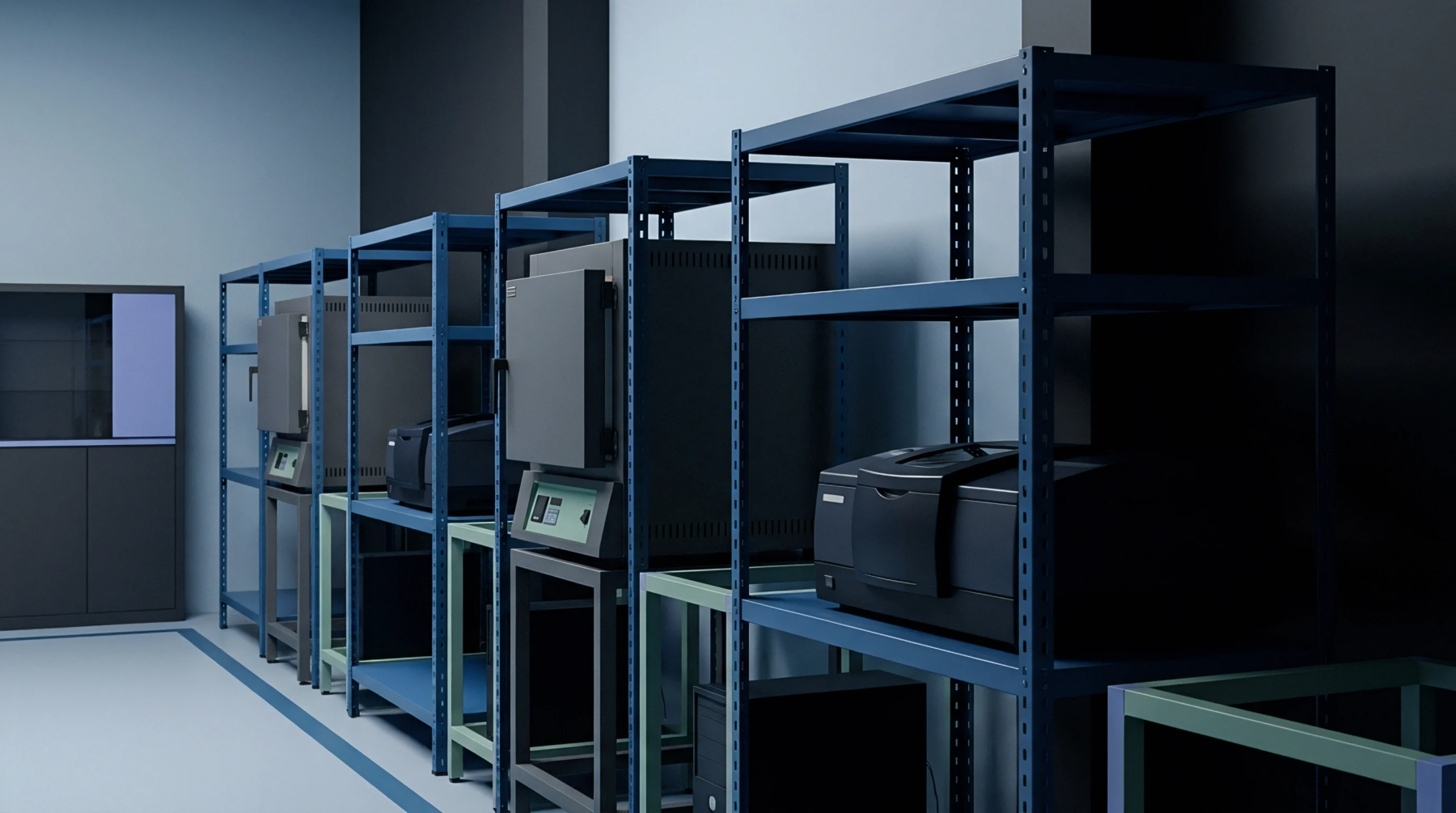
Convection ovens are designed to minimize this variation by providing a balanced flow of heated air to all regions of the board. When the thermal gradient is too steep, the leads on one side of a component might reach the liquidus point while the other side remains solid. This imbalance often leads to tombstoning or skewed parts.
Monitoring the difference between the hottest and coldest points is a standard part of profile optimization.
Component Health
Preventing cracks in sensitive packages requires the heating and cooling rates to stay within the limits specified by the component manufacturer. A controlled thermal gradient ensures that the solder melts and solidifies simultaneously across all connections of a single device. Rapid changes in temperature increase the risk of delamination within the board layers.
Maintaining a flat profile across the assembly width is essential for high yield manufacturing.