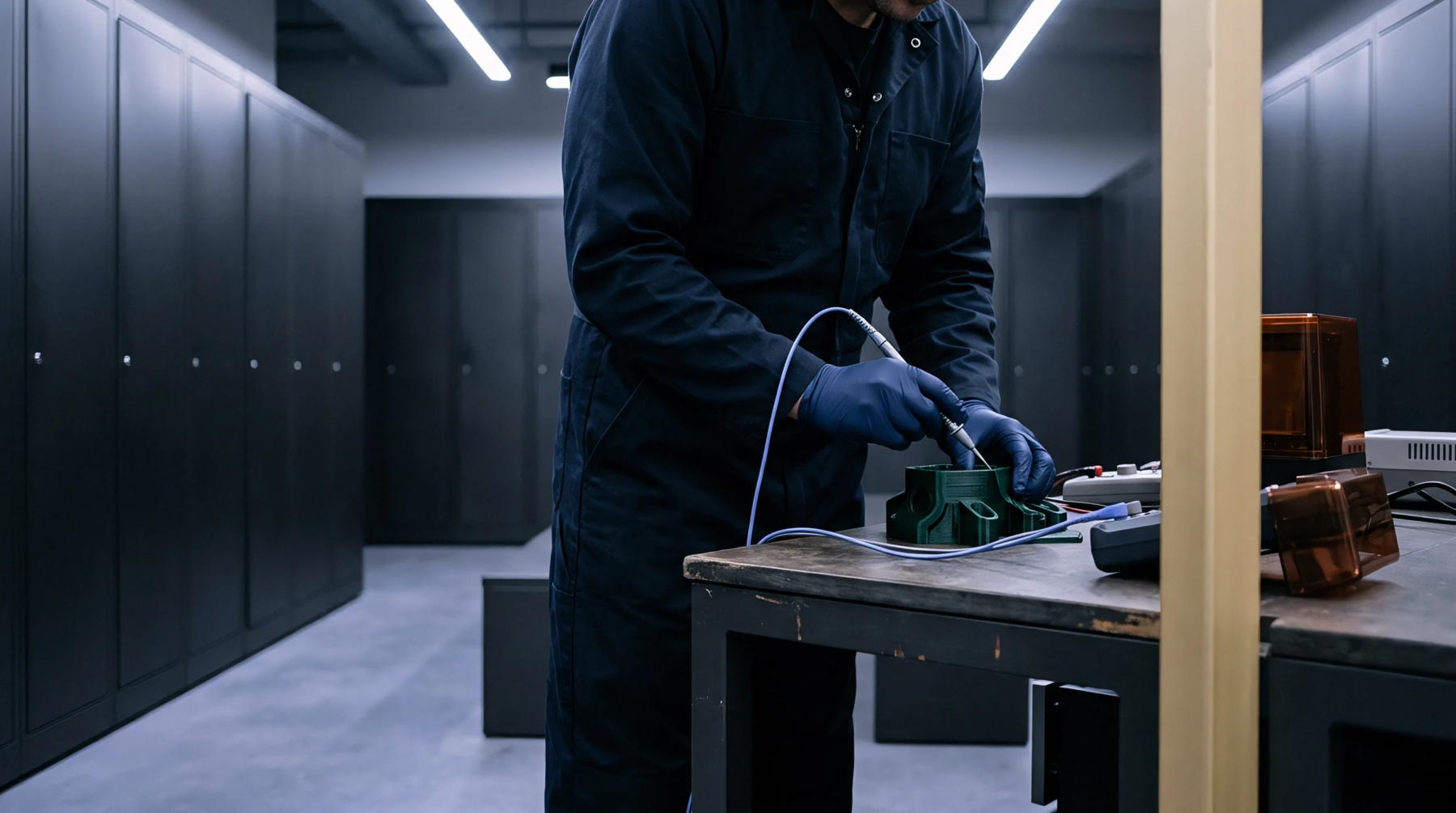
Direct Imaging Registration Accuracy Limits across Multi-Layer Thin-Core High-Density Interconnect Laminates
Dynamic zone direct imaging compensates for anisotropic thin-core shrinkage, keeping microvia misregistration within sub-15 micron limits.
Dynamic zone direct imaging compensates for anisotropic thin-core shrinkage, keeping microvia misregistration within sub-15 micron limits.
Microvia target pad interfacial bonds are verified by combining 4-wire Kelvin resistance sensing during IST thermal cycling with 1000x microsection analysis.
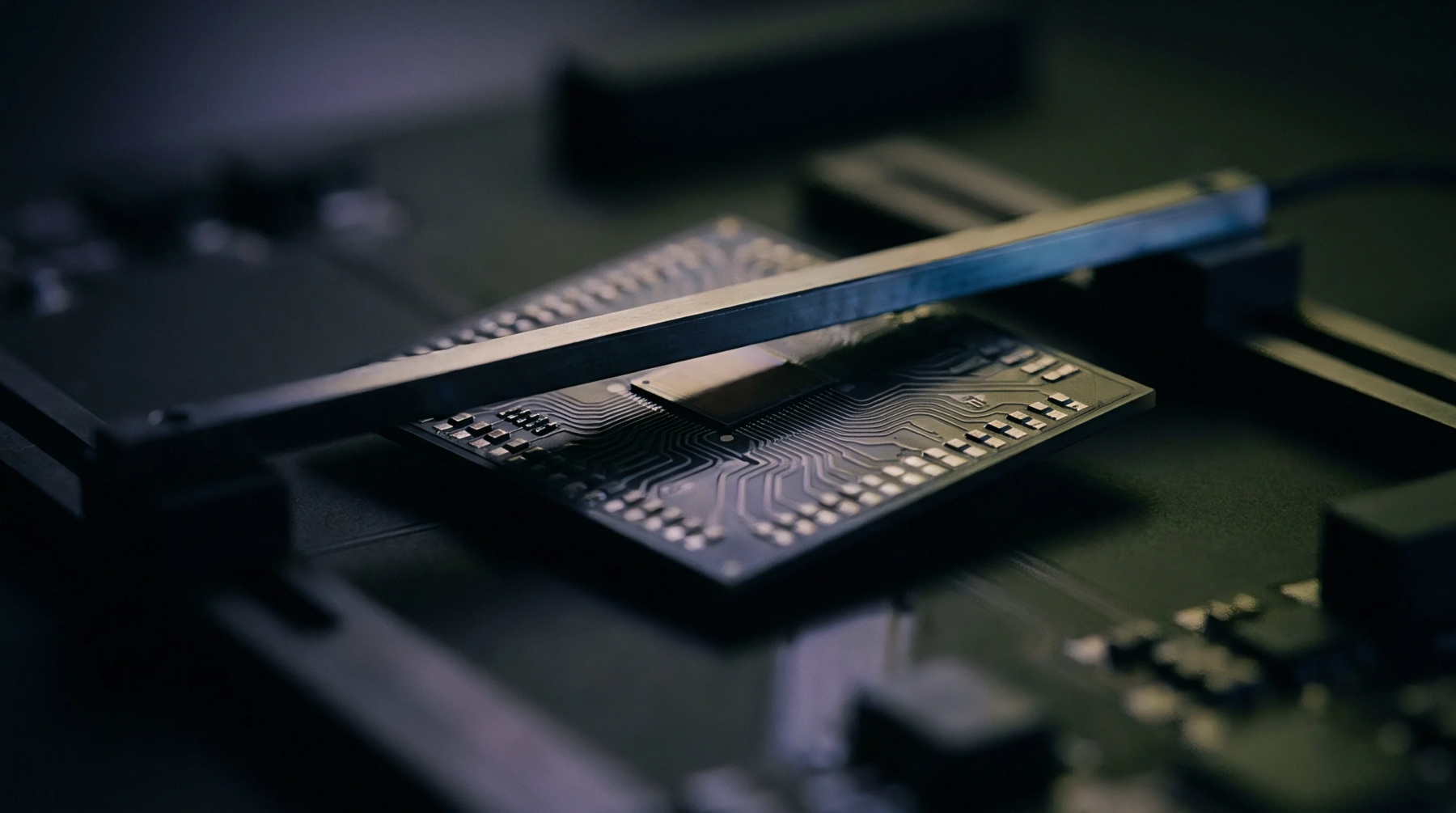
Capture pad size equals laser diameter plus twice the root-sum-square of tool, drill, and lamination movement tolerances.

Non-linear shear modeling predicts accumulated plastic strain at microvia target pads during sequential lamination, preventing assembly reflow failures.
Sub-50 micron trace etching demands mSAP seed layers, anisotropic chemistry passivators, and dynamic laser imaging scaling to hold 3.5+ etch factors and pass IPC Class 3 yield limits.
Sequential lamination registration budgets require root-sum-square alignment modeling of sub-core thermal shrinkage and drill offsets to size microvia lands.
Expertise is a utility, not a secret. sentiention™ publishes its working knowledge as open reference: intelligence layer covering the materials it sources, the markets it enters, and the reference that serves both.