Characterizing Intermetallic Compound Formation Rates in Micro-BGA Solder Interfaces
Micro-BGA intermetallic compound formation depends on peak reflow energy and thermal aging, where excessive layer thickness causes brittle interfacial failure.
Micro-BGA intermetallic compound formation depends on peak reflow energy and thermal aging, where excessive layer thickness causes brittle interfacial failure.
Microvoid coalescence under thermal cyclic strain stems from creep-fatigue interaction at intermetallic layers, requiring EBSD and strain partitioning to prove.

Optimized lead-free reflow profiling requires thermal deltas under eight degrees, controlled time above liquidus, and precise paste transfer efficiency.
Calculated steam expansion pressures in reflowed plastic integrated circuits reach 4.69 MPa at 260°C, causing catastrophic delamination if moisture exceeds critical levels.
Solder reflow steam pressures inside plastic components demand exact floor life accounting and dry storage discipline to prevent package delamination.
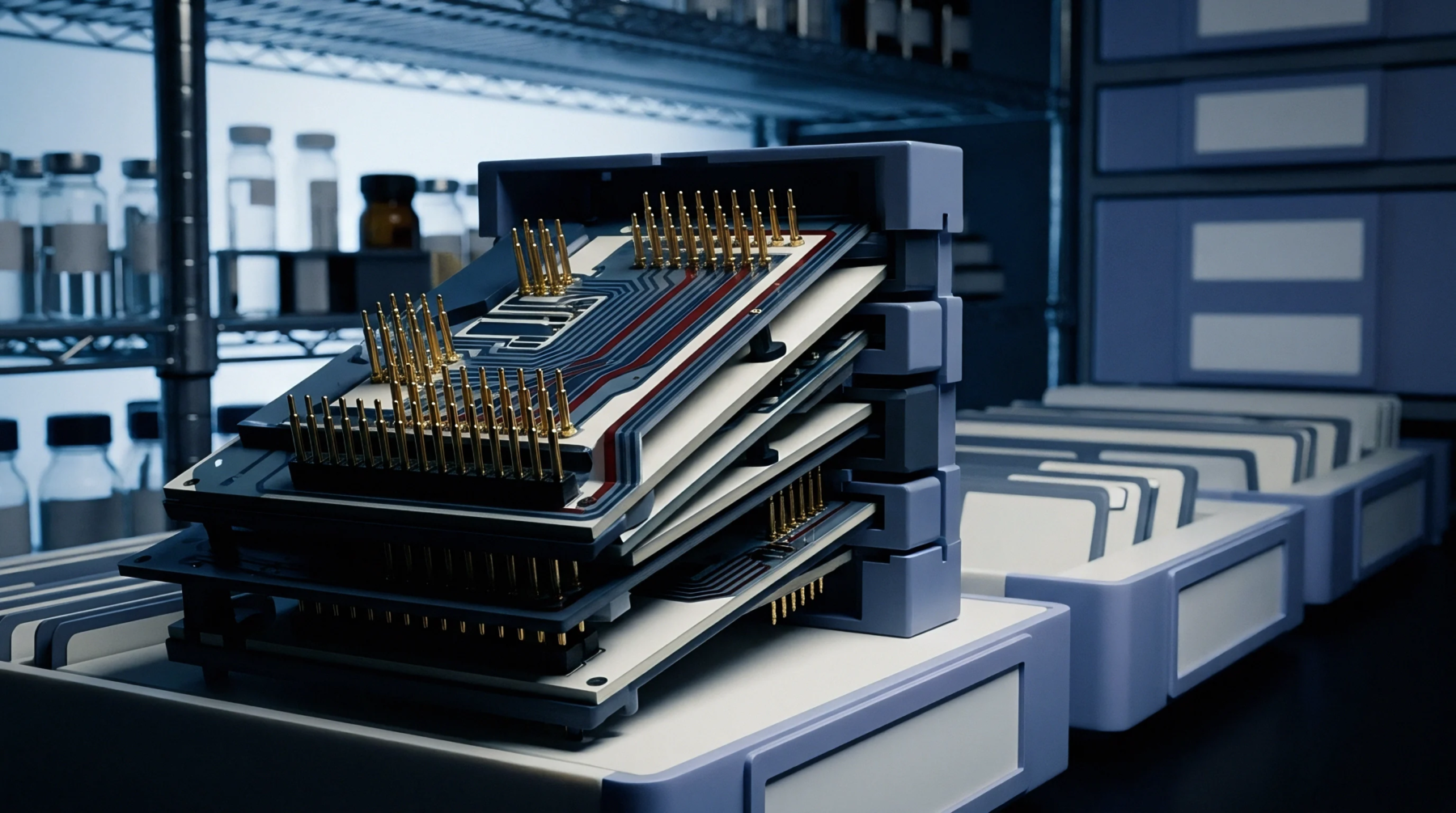
Vapor phase reflow eliminates thermal deltas across unequal copper density substrates by transferring latent condensation energy at constant fluid temperatures.
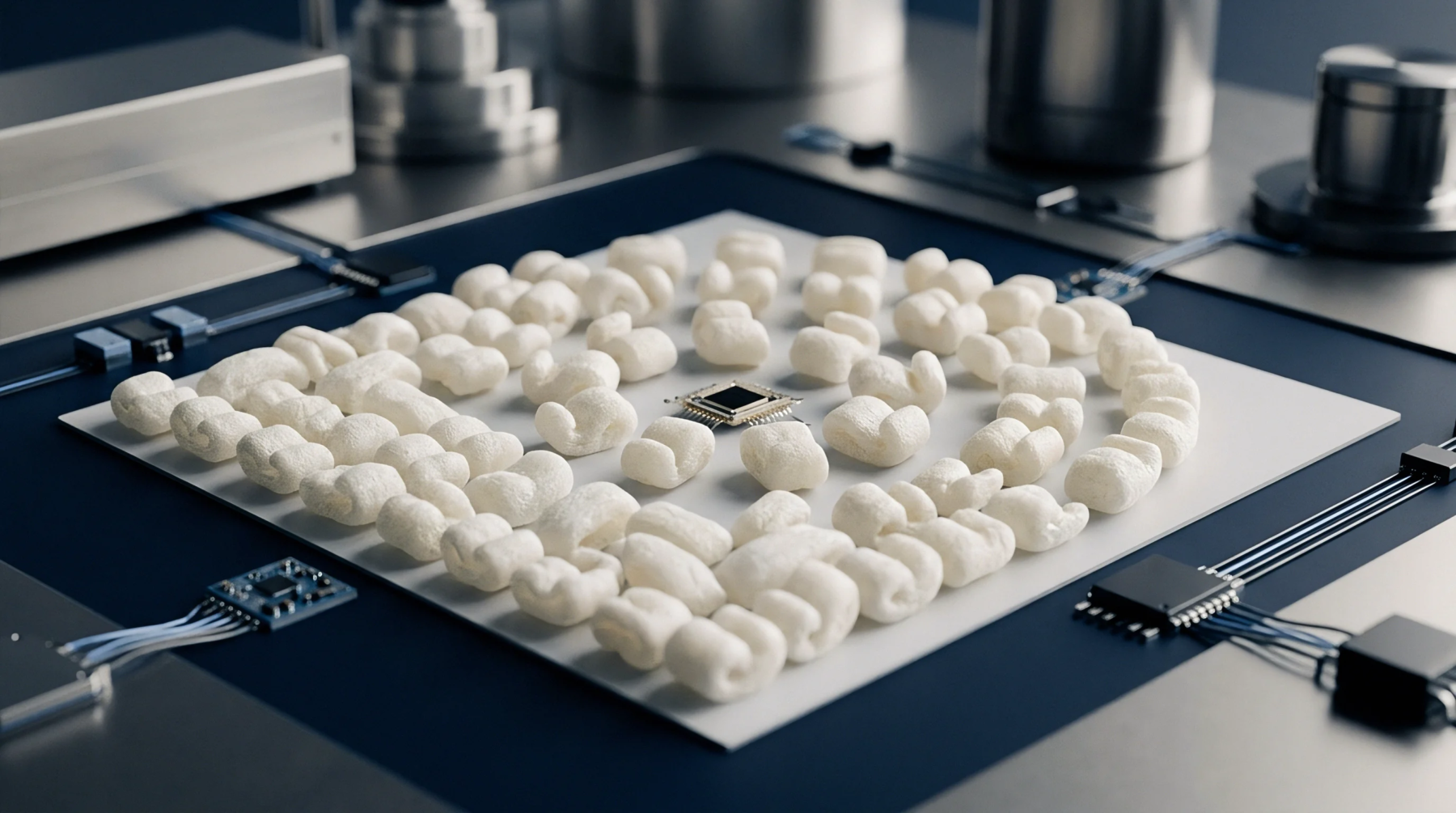
Quantifying solder paste solvent evaporation rates in reflow profiles prevents micro-boiling, solder ball spattering, and excessive voiding beneath BTCs.
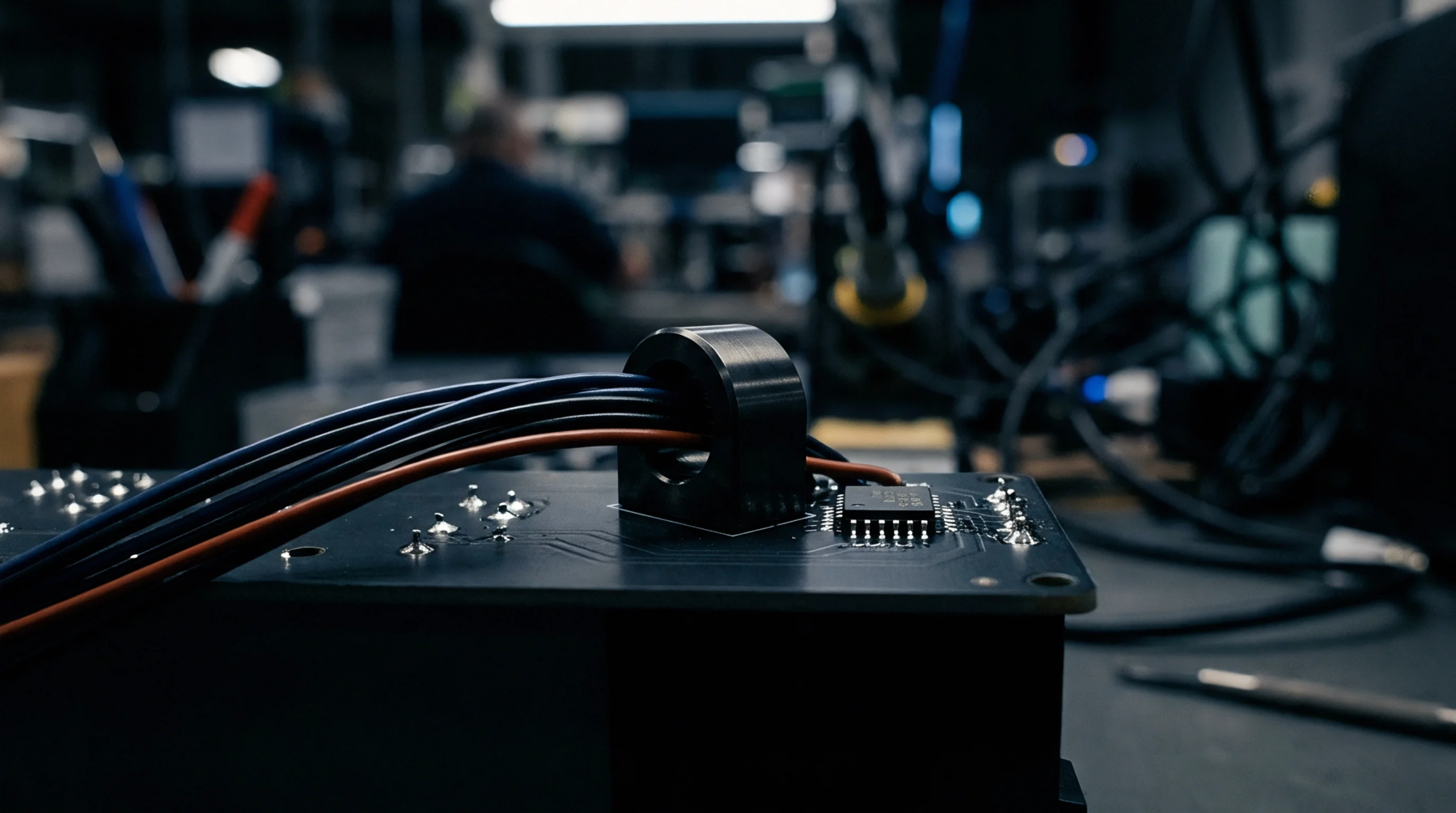
Opening moisture-sensitive parts before line release exposes components to ambient humidity, risking thermal delamination during reflow unless floor life is tracked and restored.

Optimal SMT yield requires matching paste shear-thinning rheology with stencil area ratios above 0.66 and reflow profiles holding peak temperatures within 5°C.
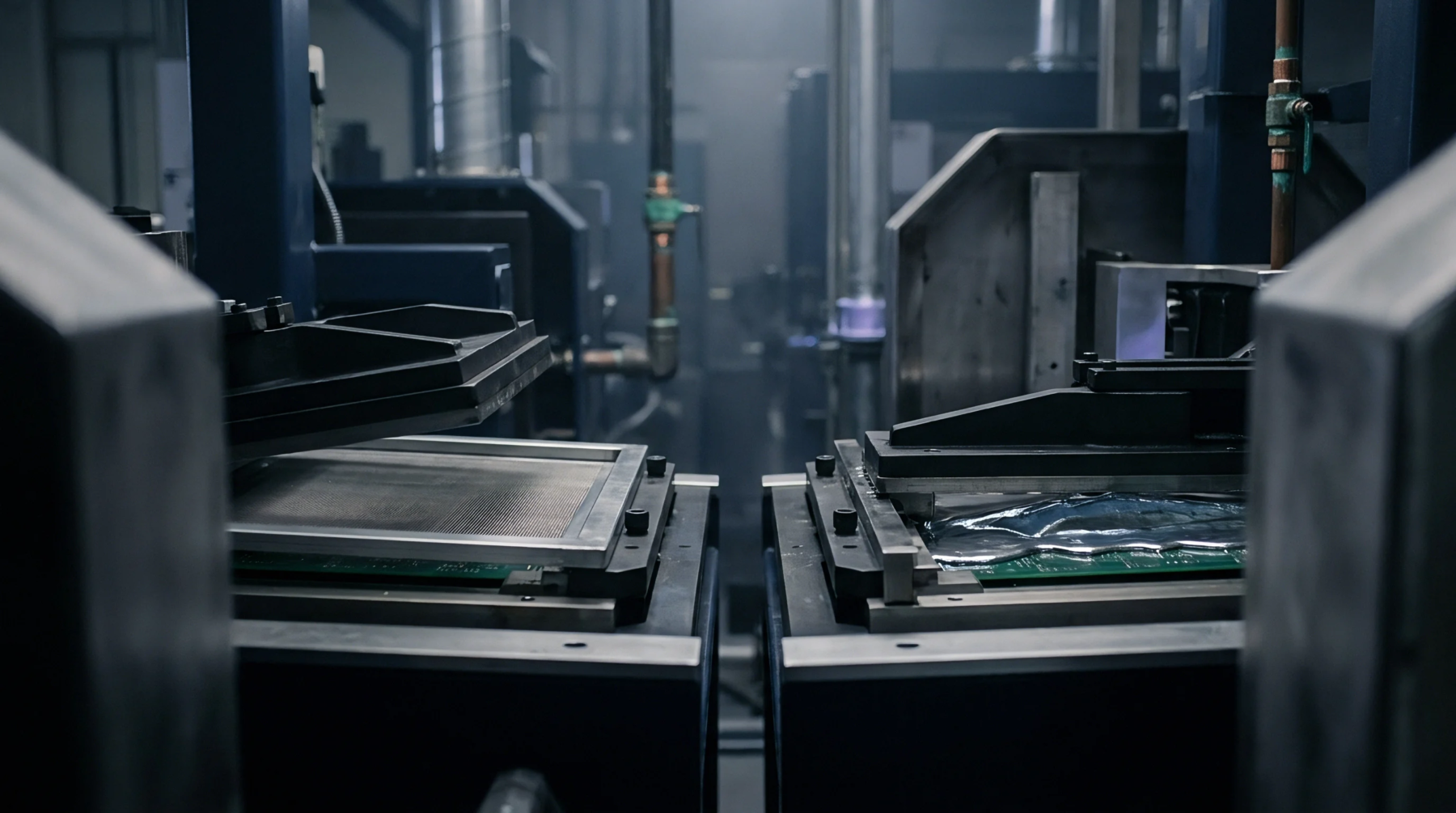
Contractual first-article approval requires binding solder volume maps, 5-point profile logs, X-ray void limits, and clear downtime liability terms.
Expertise is a utility, not a secret. sentiention™ publishes its working knowledge as open reference: intelligence layer covering the materials it sources, the markets it enters, and the reference that serves both.