Adhesion Loss
Reduction in the mechanical bond between the conductive copper foil and the underlying dielectric substrate compromises the structural integrity of circuit traces. This decrease in bond integrity, termed peel strength degradation, occurs when boards are exposed to repeated high-temperature cycles or chemical baths. As the adhesive force weakens, traces become susceptible to physical lifting or complete detachment under mechanical stress.
Fabricators must select laminates with high thermal resistance to minimize this risk.
Thermal Stress
High-temperature assembly operations like lead-free reflow and manual soldering accelerate the weakening of the metal-to-epoxy interface. When peel strength degradation reaches a critical threshold, the trace easily separates from the resin during the soldering of heavy connectors. This issue is compounded by thermal mismatch, as copper and epoxy expand at different rates when heated.
This differential expansion creates shear stresses that tear the weakened bond apart.
Prevention Protocol
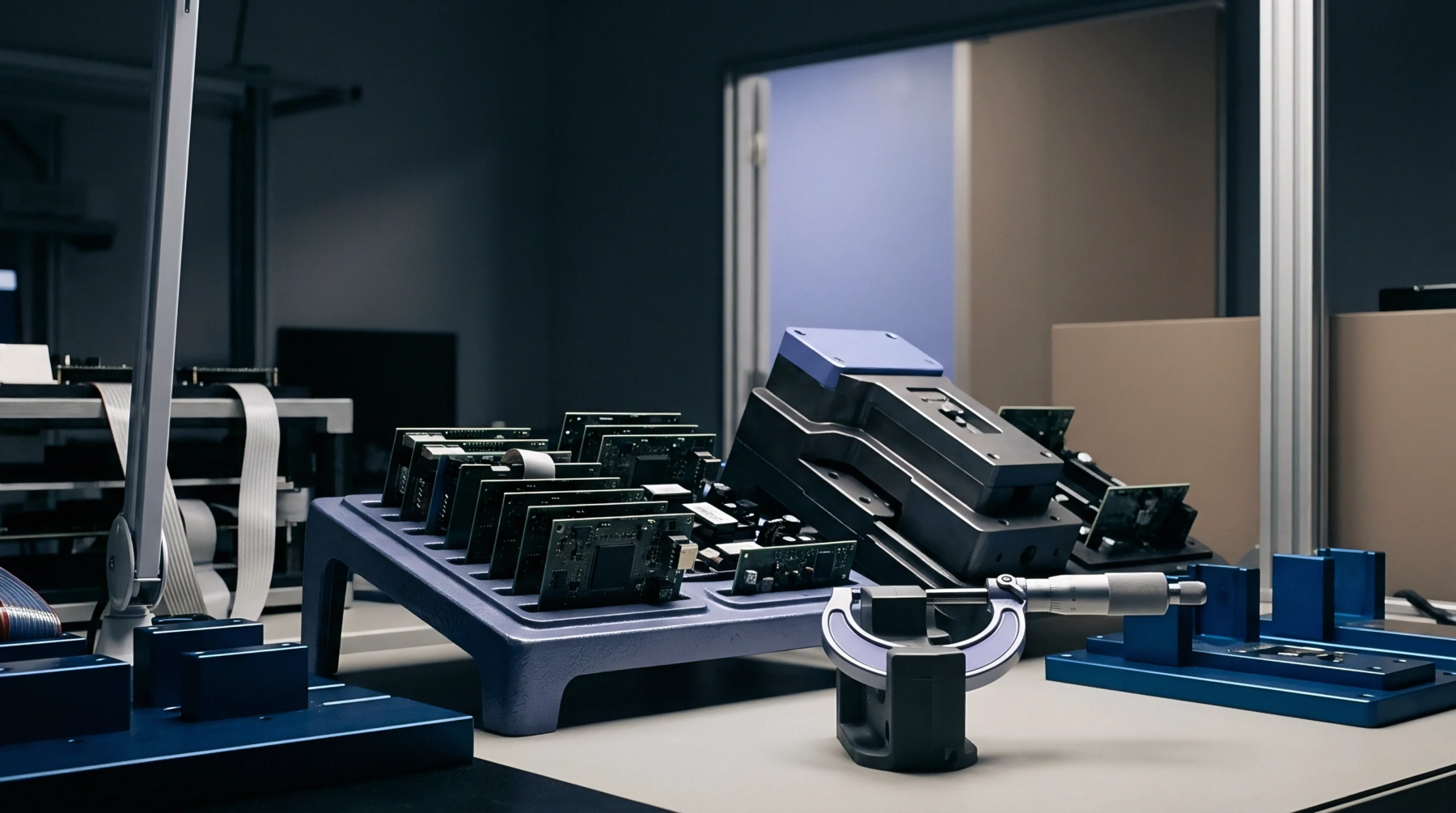
Controlling thermal exposure and selecting high-performance resins are the main strategies used to maintain board trace integrity. Process engineers optimize solder profile durations and limit manual touch-ups to reduce the total thermal load applied to the assembly. Testing copper adhesion using peel strength testers after simulated assembly cycles helps verify the performance of incoming laminates.
Consistently tracking this metric ensures that the board trace adhesion remains above industry limits, protecting the final assembly against mechanical failures during handling and field operations. Implementing these protective thermal and chemical boundaries helps guarantee that high-density interconnect boards maintain their trace integrity throughout their expected operating life.