
High Frequency Phase Delay Anisotropy Analysis across High Speed Microstrip Substrates
High-frequency phase delay anisotropy stems from woven reinforcement and foil grain directions; locking panel alignment ensures repeatable channel timing.
High-frequency phase delay anisotropy stems from woven reinforcement and foil grain directions; locking panel alignment ensures repeatable channel timing.
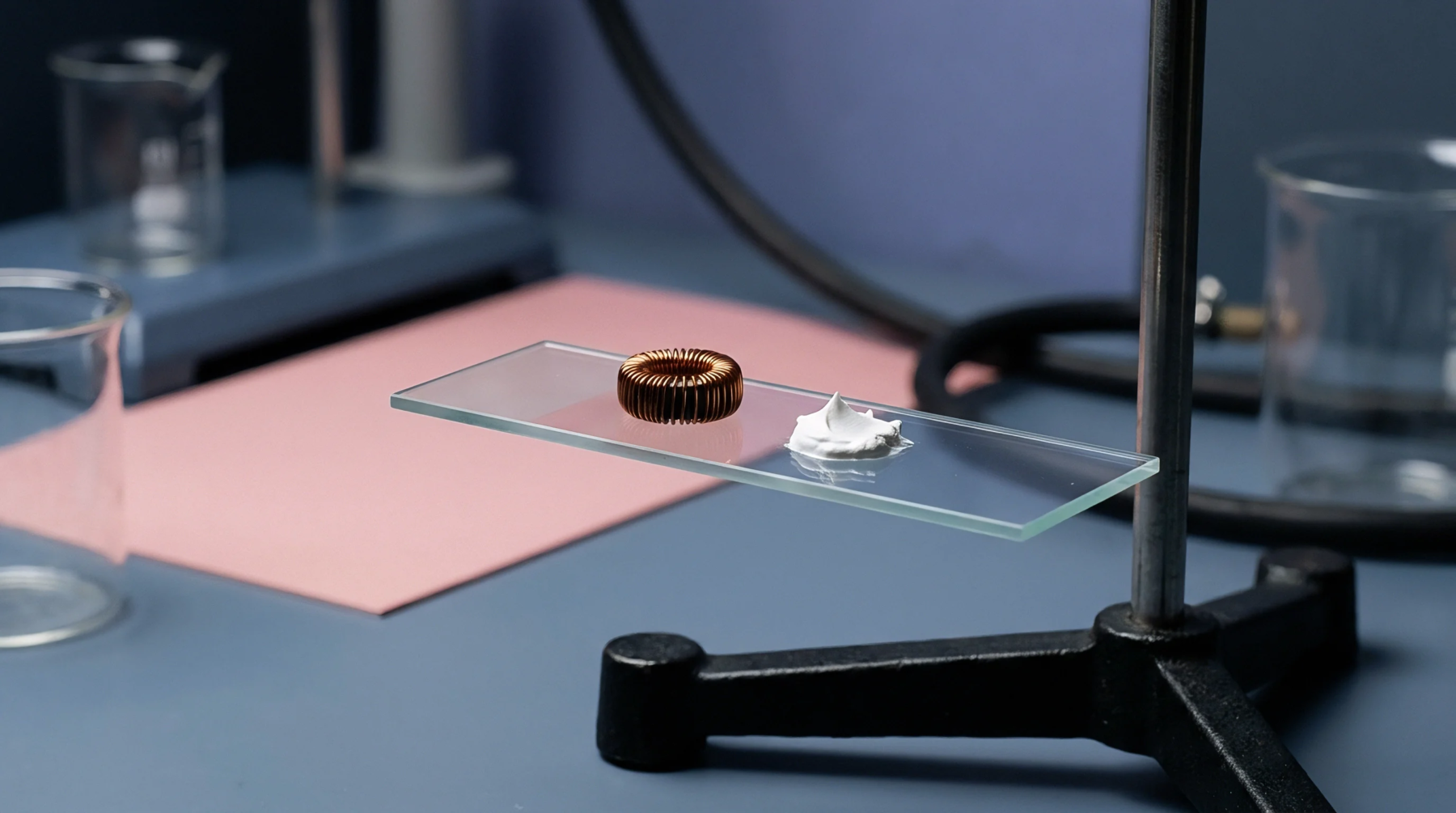
Decoupling tensor permittivity from interfacial scattering requires multiline TRL calibration and broadband power spectral density modeling up to 110 GHz.
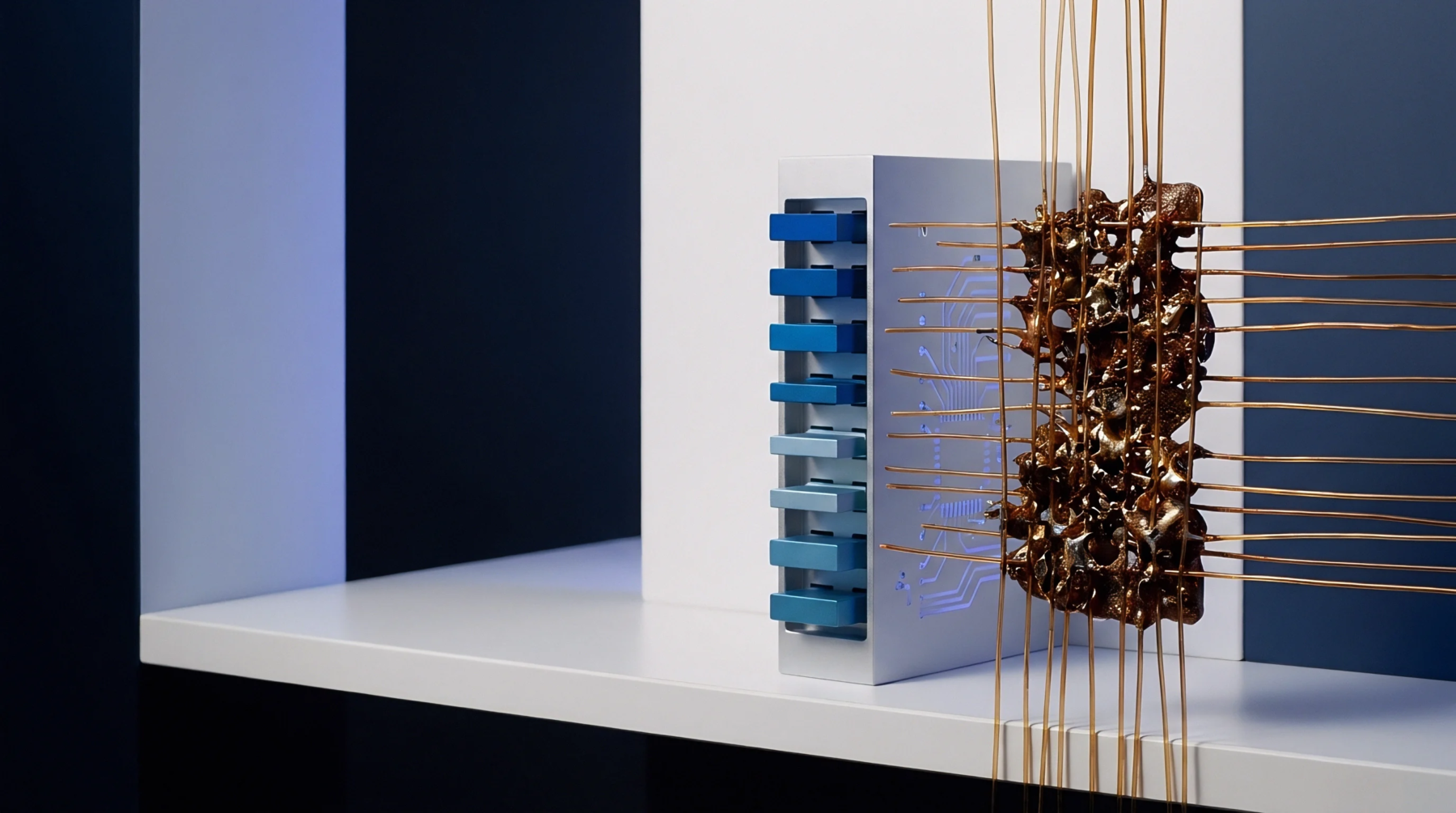
Inverting sub-terahertz dielectric tensors requires decoupling core micro-fracture damage from copper roughness spectral density to preserve phase velocity.
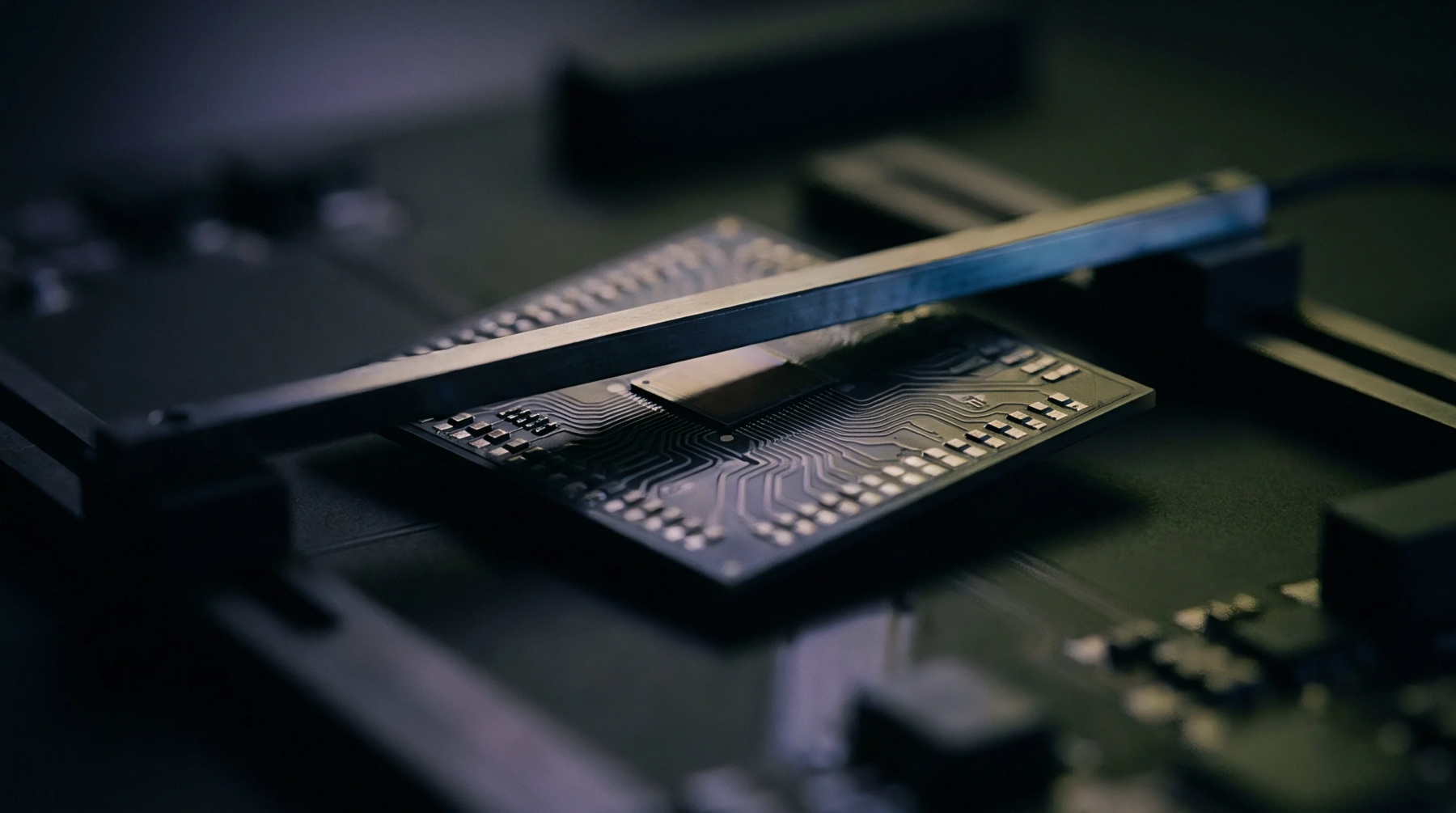
Spatial resin gradients in heterogeneous cores alter localized permittivity, requiring spread-glass selection and off-axis trace routing to control high-frequency phase skew.
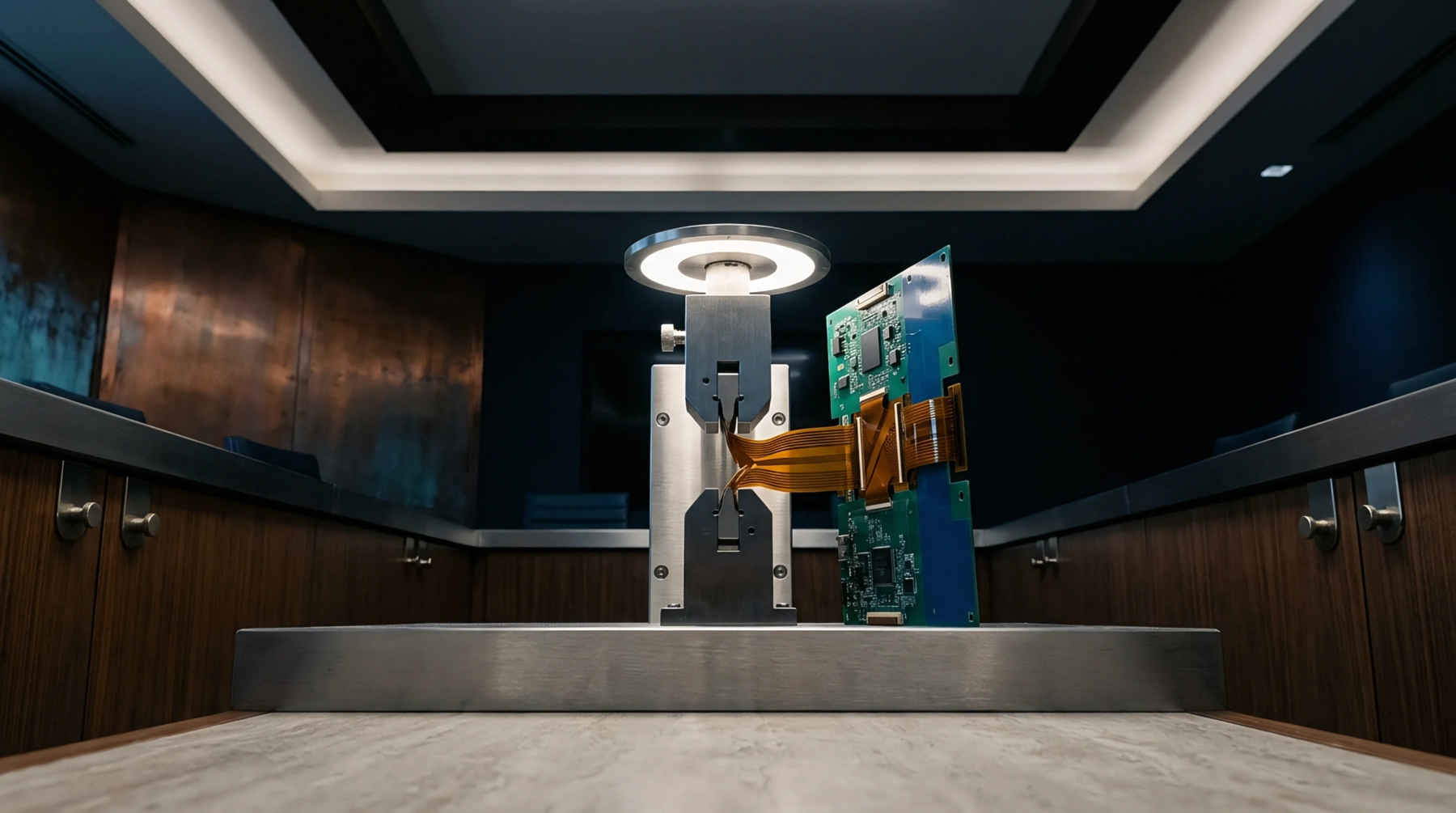
Frequency-domain tensor extraction decouples directional permittivity and loss tangent variations on glass core build-up panels, fixing impedance tolerances across sub-THz interconnects.
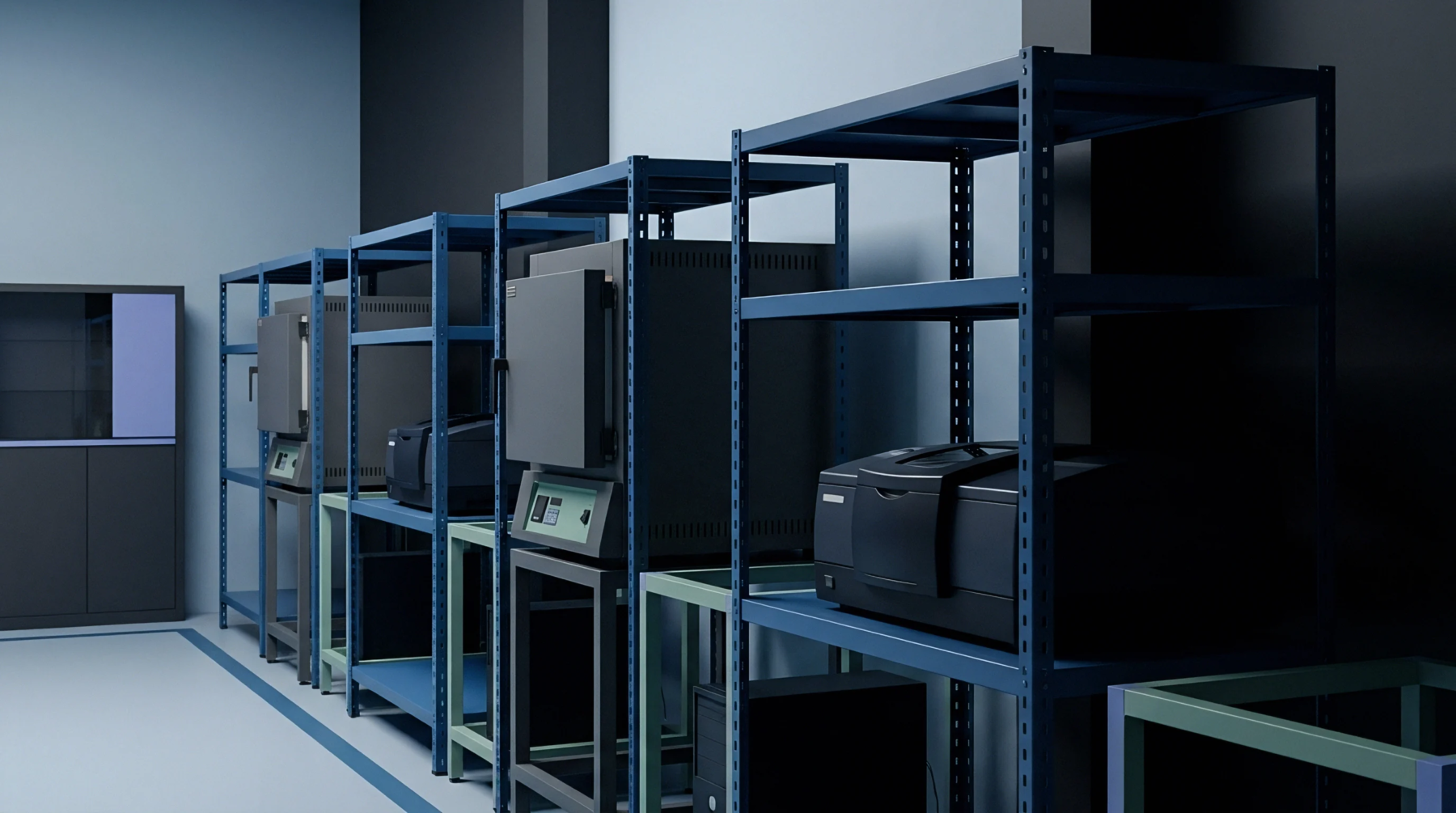
Adhesiveless hydrophobic polyimide interfaces reduce high-frequency dielectric attenuation by suppressing moisture uptake and eliminating lossy acrylic adhesive layers.
Characterizing spatial dielectric anisotropy under extreme thermal excursions prevents sub-THz phase distortion and catastrophic high-density packaging yield loss.
Expertise is a utility, not a secret. sentiention™ publishes its working knowledge as open reference: intelligence layer covering the materials it sources, the markets it enters, and the reference that serves both.