Spatial Resolution
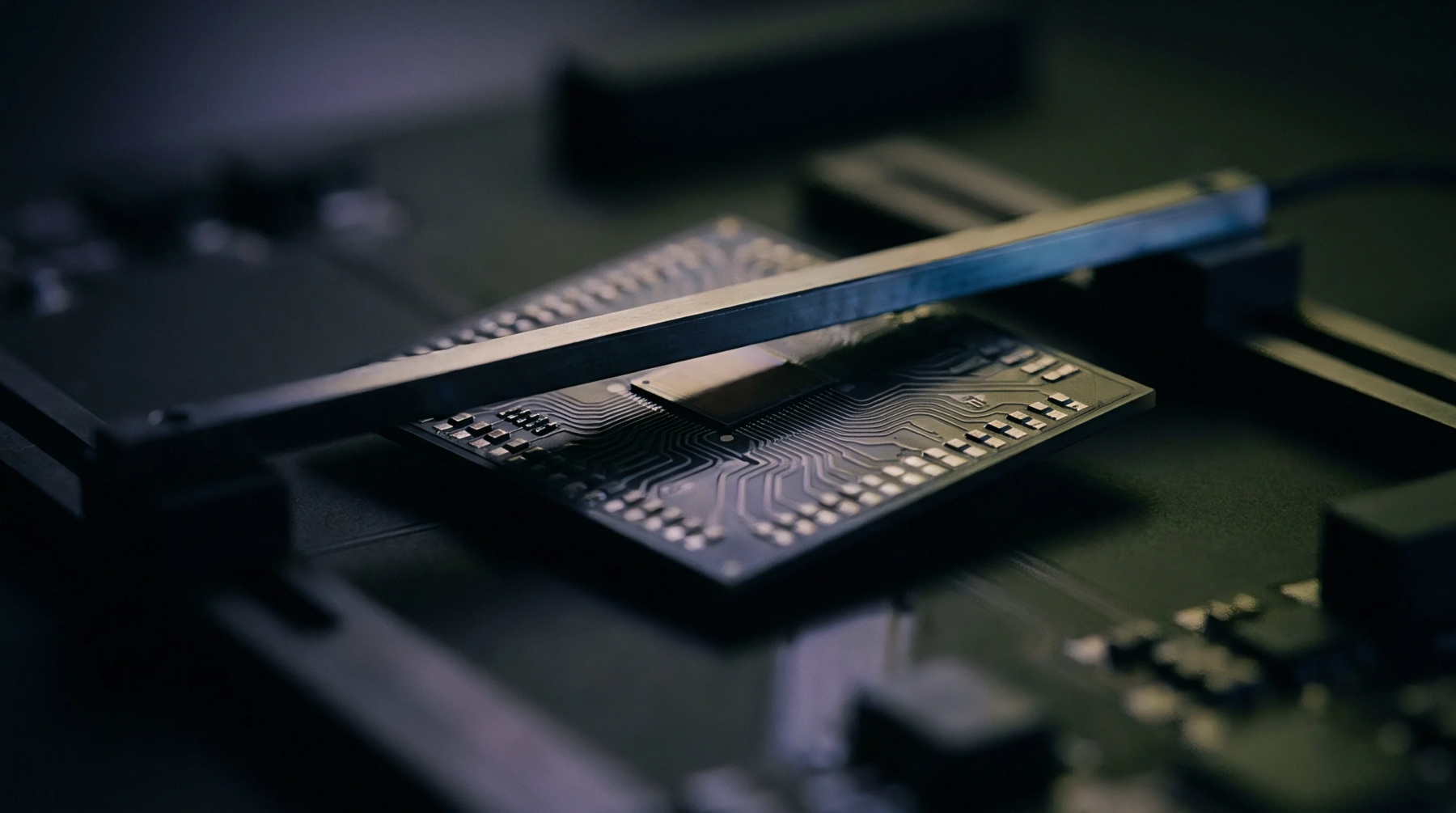
Specialized sensing instruments capture electromagnetic emissions in the immediate vicinity of a circuit without requiring direct electrical contact. Using a near-field microwave probe allows for the localization of interference sources on a densely packed assembly. This tool is effective for identifying specific components or traces that violate electromagnetic compatibility limits.
Electromagnetic Detection
The probe consists of a small loop or tip that interacts with the magnetic or electric fields surrounding a conductor. As the sensor moves across the surface of the board, it picks up the localized energy radiated by high-frequency signals. This data is then displayed on a spectrum analyzer or oscilloscope to reveal the frequency and intensity of the noise.
Because the probe only senses fields within a few millimeters of the source, it can distinguish between two adjacent traces. This ability is essential for troubleshooting complex boards where multiple signals are switching simultaneously. Skilled technicians use the probe to verify that the energy stays within the intended transmission lines.
Interference Mapping
Scanning a probe over the entire assembly creates a visual map of the electromagnetic hot spots. Engineers use these maps to evaluate the effectiveness of shielding and decoupling capacitors. Identifying the exact point of emission allows for targeted design changes rather than broad modifications.
This precision reduces the number of design iterations needed to pass regulatory testing.