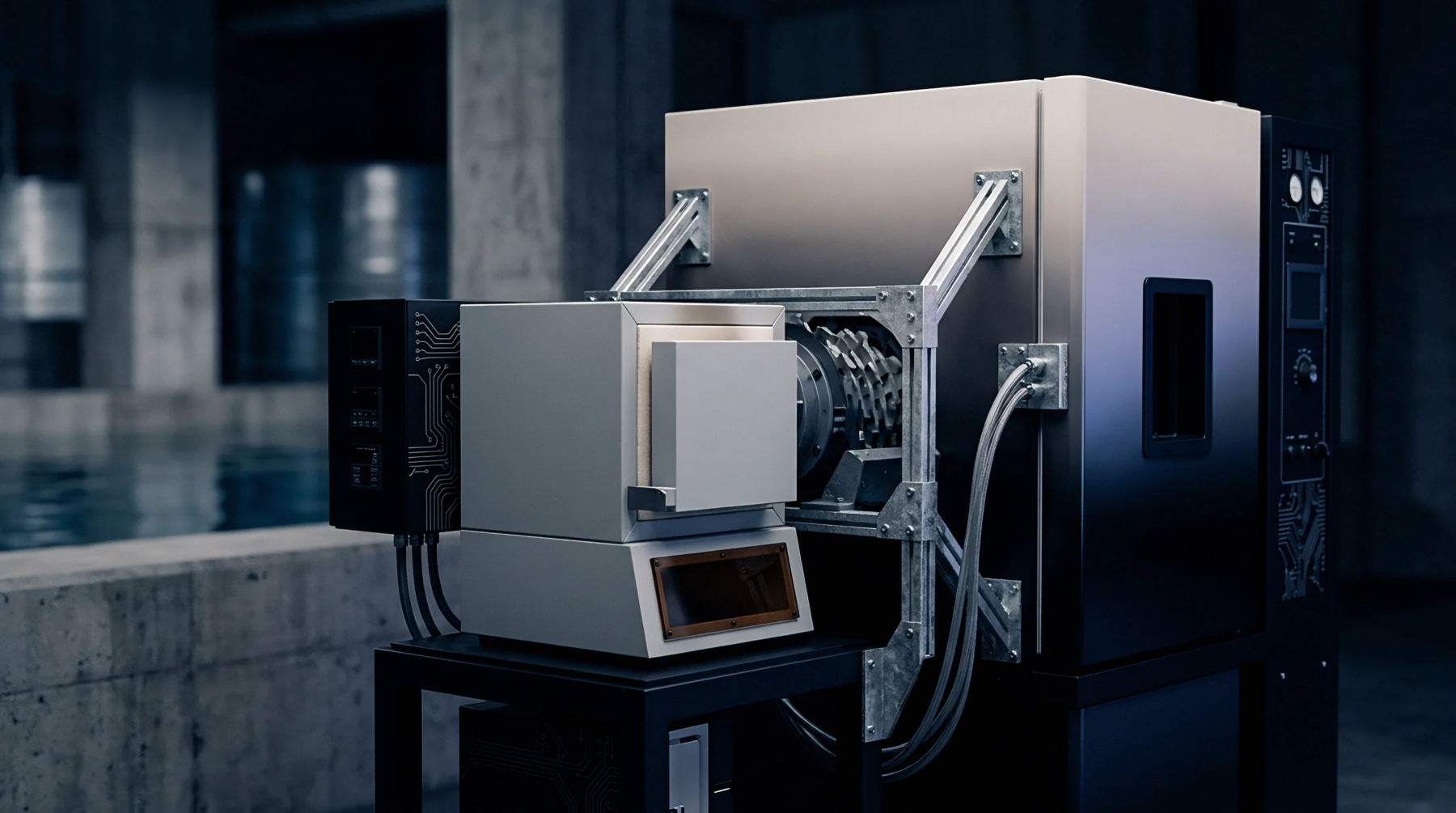
Climatic Exposure
Steady-state environmental conditioning exposes unpowered circuit boards and soldered assemblies to controlled levels of elevated temperature and high relative humidity within an enclosed test chamber. Test profiles specified as damp heat commonly run at eighty-five degrees Celsius and eighty-five percent relative humidity across intervals ranging from forty-eight to one thousand hours. The procedure evaluates the resistance of printed board laminates, solder mask coatings and assembly joints against moisture ingress and surface condensation.
Test limits define exposure duration, chamber ramp rates and recovery drying intervals prior to electrical assessment.
Degradation Mechanism
Ingress of water molecules into organic laminates lowers surface insulation resistance and encourages conductive anodic filamentation along glass reinforcement fibers. Elevated moisture accelerates ionic migration across closely spaced surface copper conductors when trace biases remain active, generating dendrites that create permanent electrical shorts. Under simultaneous thermal loads, absorbed water expands rapidly inside the epoxy matrix, producing resin blistering, delamination at the copper foil interface and barrel cracking in plated through-holes.
Surface finishes also suffer oxidation, degrading the wetting capabilities of unpopulated pads or weakening intermetallic bond layers on existing solder joints. Solder mask polymers undergo plasticization, softening their protective barrier and exposing underlying copper to chemical attacks from ambient contaminants.
Verification Limit
Post-exposure evaluation verifies electrical insulation resistance, dielectric breakdown voltage and mechanical laminate integrity against baseline specifications. Standard acceptance criteria mandate that surface insulation resistance values remain above specified megohm thresholds after controlled stabilization in ambient factory conditions. Visual examination and microsectioning confirm the absence of internal blistering, weave exposure or solder joint cracking.
Assemblies exhibiting conductive dendrites, copper trace separation or delamination fail the compliance boundary.