Sub-Terahertz Dielectric Permittivity Tensor Discrepancies in Advanced Laminates
Sub-terahertz substrate tensor anisotropy causes severe phase delay and impedance shifts that require quasi-optical characterization and tight stackup controls.
Sub-terahertz substrate tensor anisotropy causes severe phase delay and impedance shifts that require quasi-optical characterization and tight stackup controls.
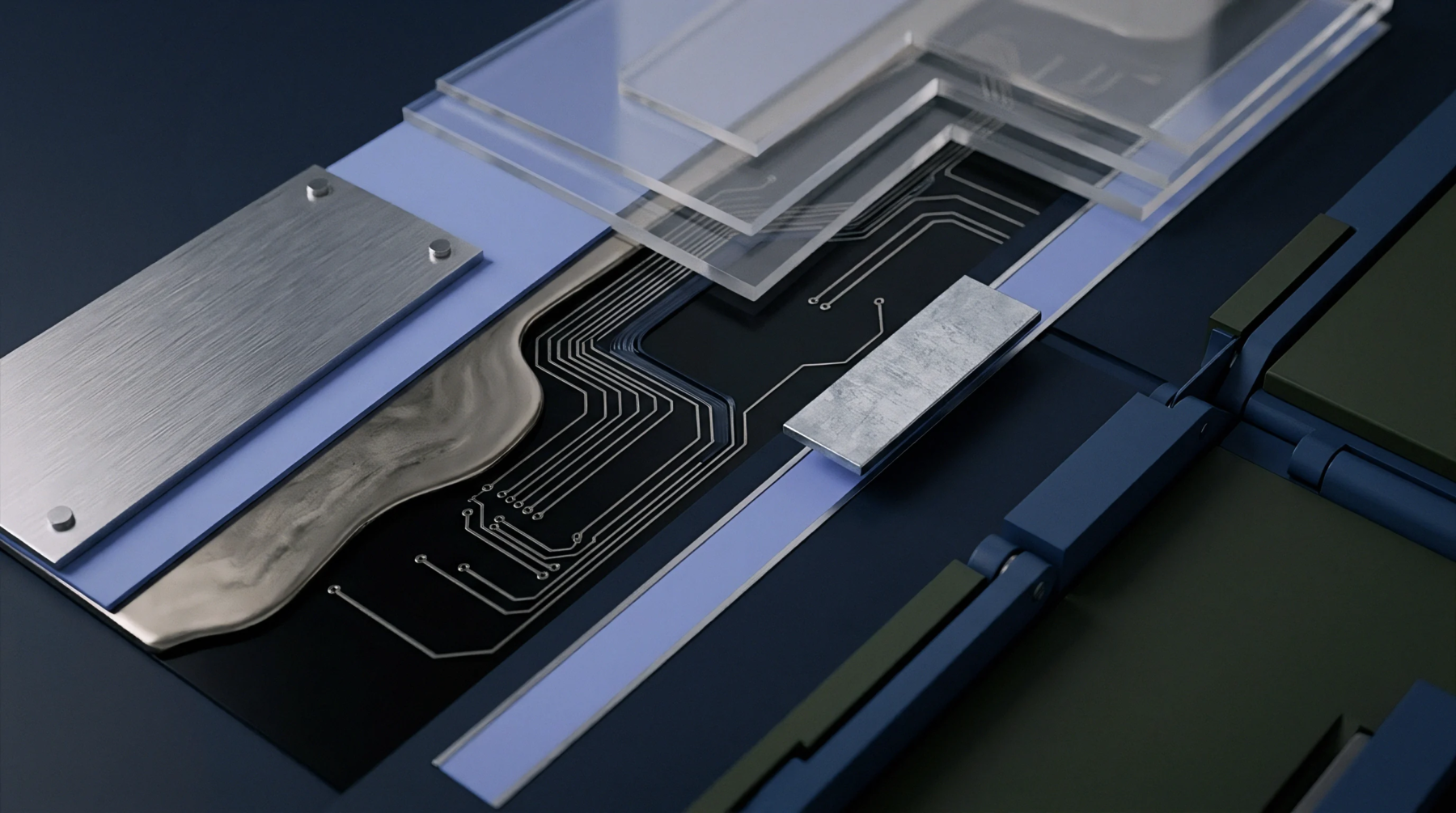
Spread glass eliminates micro-scale dielectric gradients across temperature, cutting phase velocity drift to under thirty parts per million per degree Celsius.
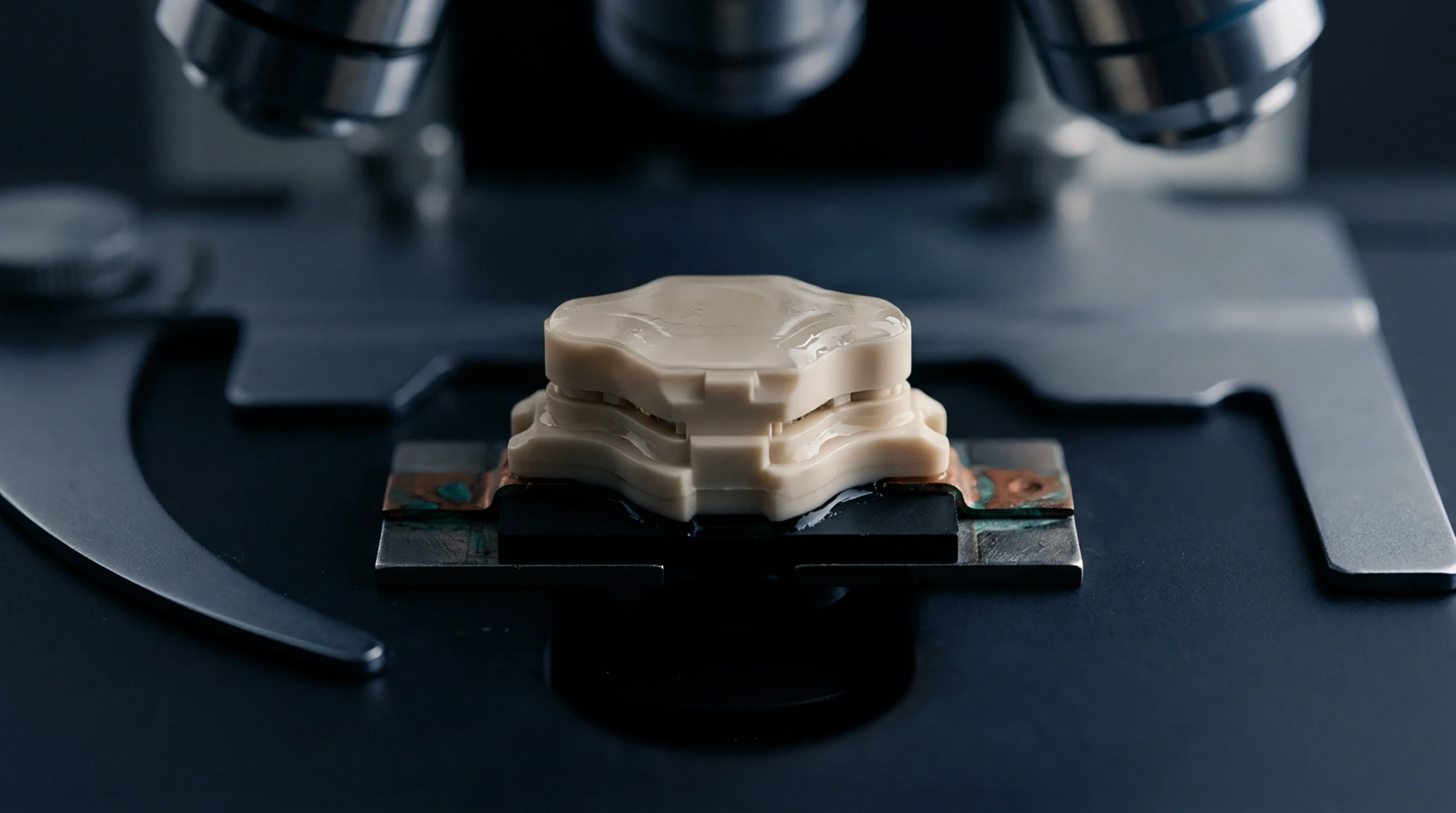
Model anisotropic permittivity tensor drift across every lamination cycle to prevent multi-degree phase velocity errors and panel scrap above 30 GHz.
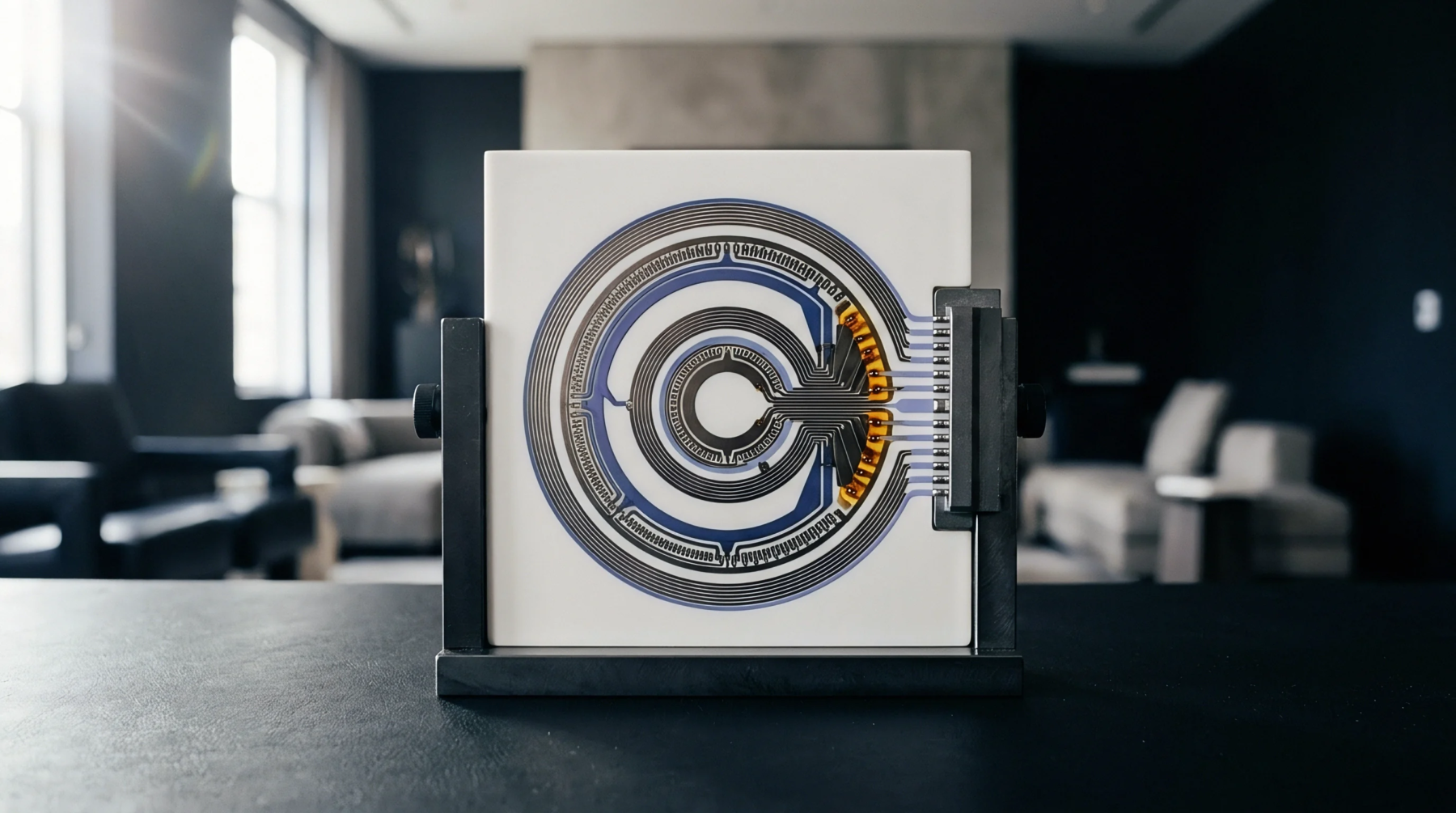
Dielectric constant shifts permanently during lead-free reflow, requiring stackup field solvers to simulate compensated post-thermal permittivity baselines.
Substrate TcDK defines high-frequency phase and impedance drift across temperature, requiring ceramic-filled composites to prevent operational signal failures.
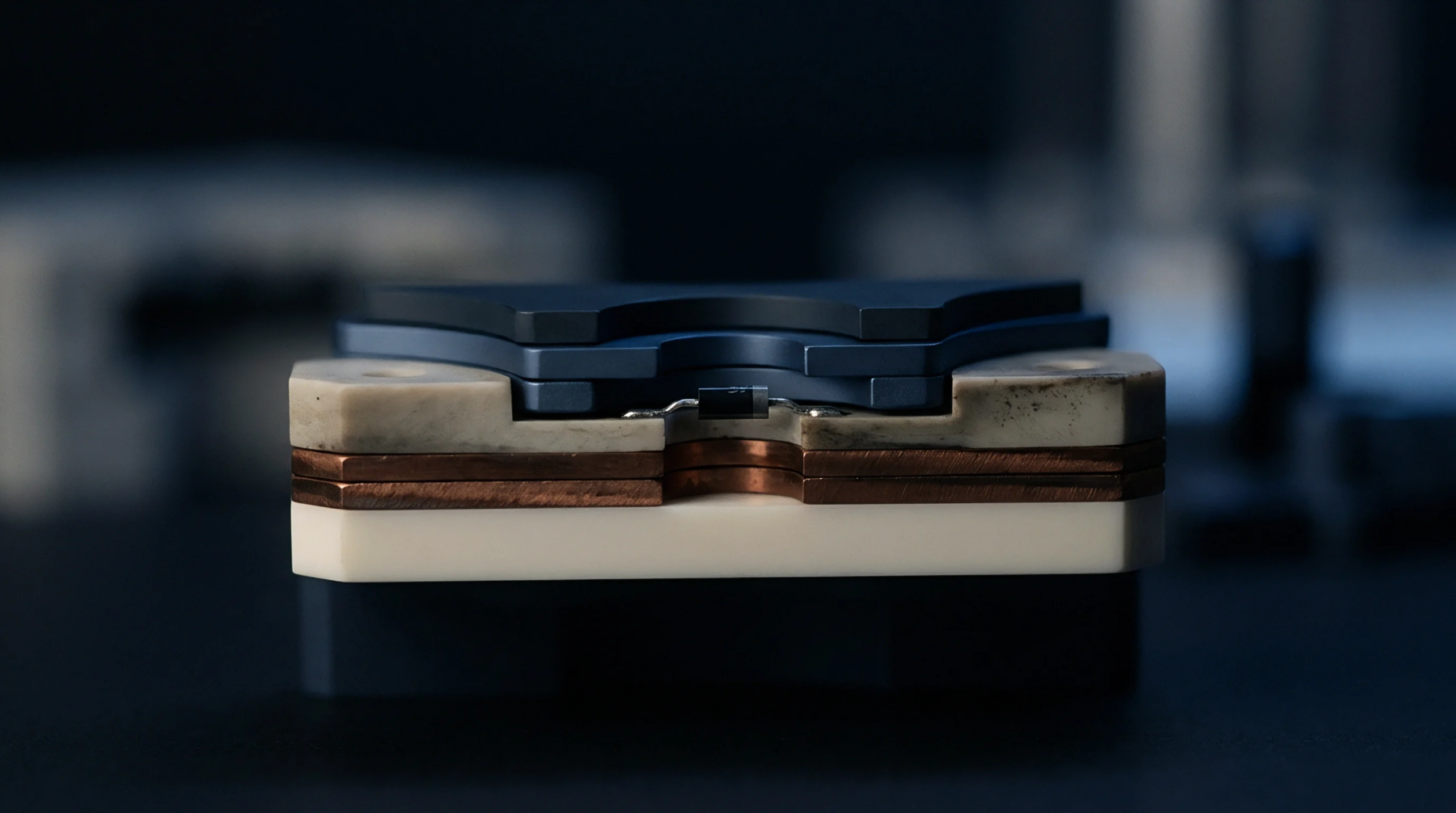
Substrate dielectric drift alters high-frequency signal phase velocity and impedance under thermal stress, requiring flat TCDk resin selection to hold timing margins.
Expertise is a utility, not a secret. sentiention™ publishes its working knowledge as open reference: intelligence layer covering the materials it sources, the markets it enters, and the reference that serves both.