
Glass Style Selection for Controlled Impedance Printed Circuit Boards
Specify mechanically spread, dual-ply glass styles to eliminate weave windows, suppress phase skew, and maintain consistent characteristic impedance.
Specify mechanically spread, dual-ply glass styles to eliminate weave windows, suppress phase skew, and maintain consistent characteristic impedance.
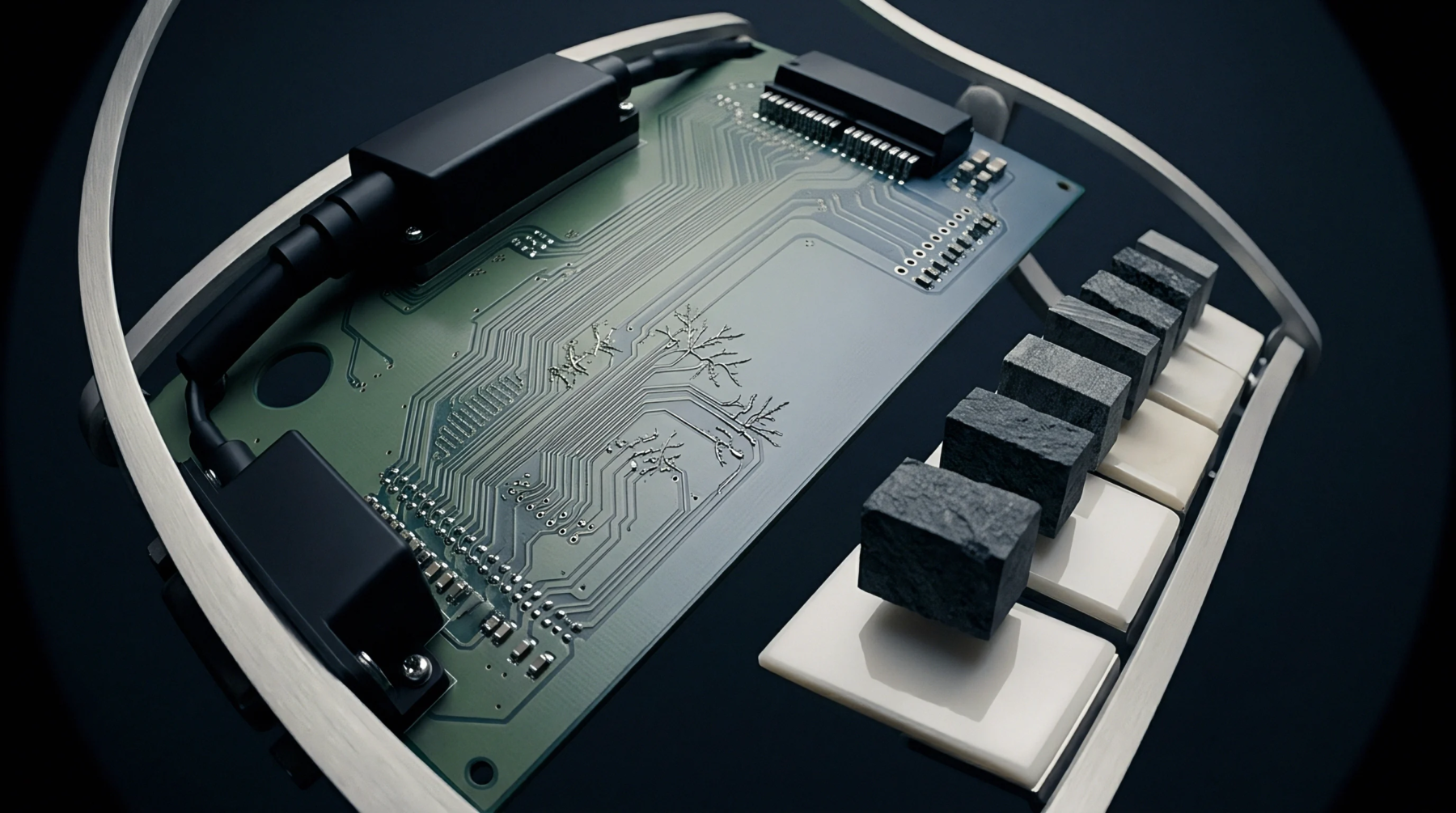
Mitigating 112G PAM4 weave skew requires mechanically spread low-Dk glass or zig-zag trace routing to keep intra-pair delay variation below 0.3 picoseconds.
High-frequency phase delay anisotropy stems from woven reinforcement and foil grain directions; locking panel alignment ensures repeatable channel timing.
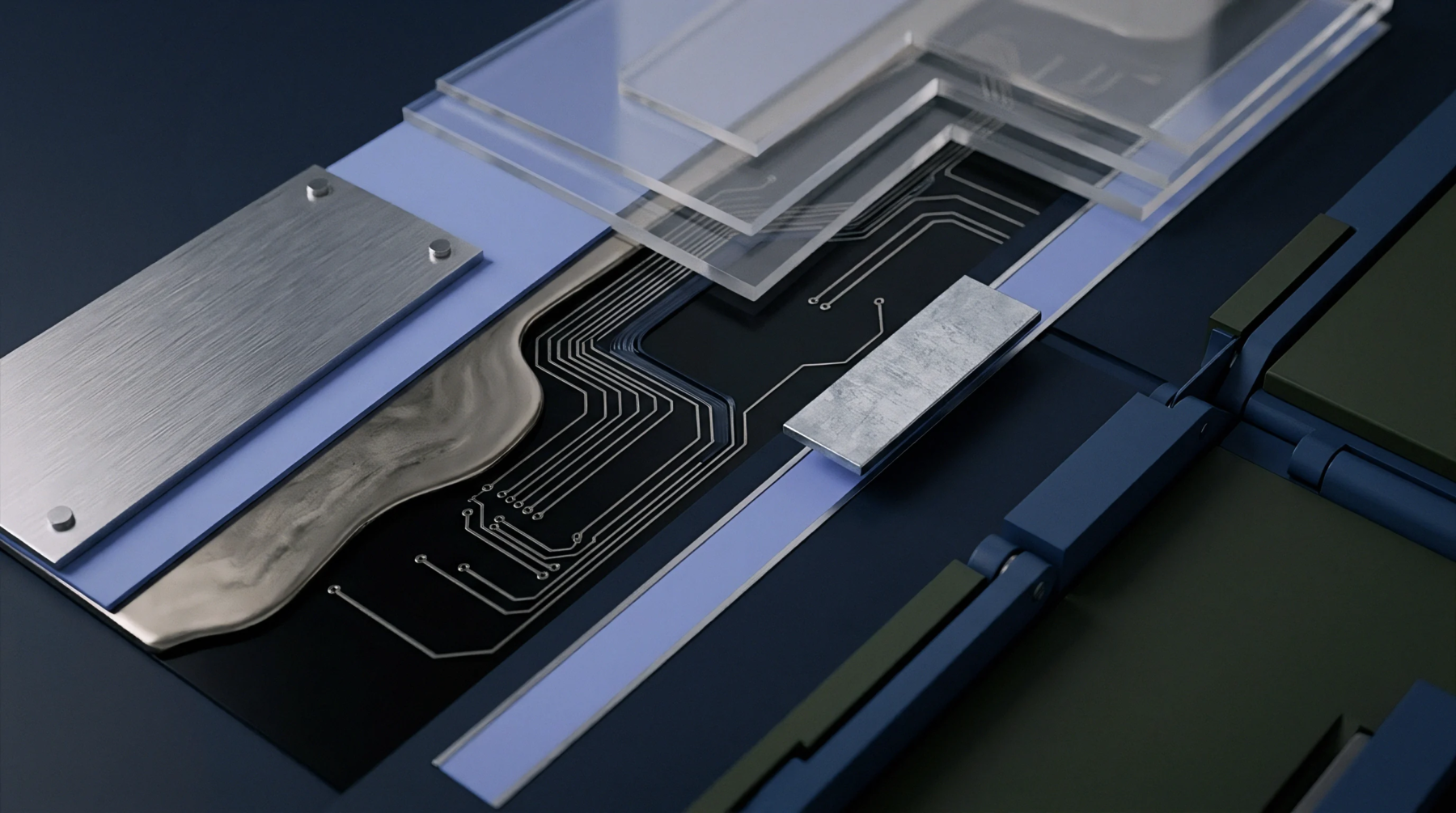
Spread prepreg styles flatten glass yarns to eliminate dielectric window voids, reducing differential phase skew below 1.5 ps per inch in PAM4 signal lines.
Spatial resin gradients in heterogeneous cores alter localized permittivity, requiring spread-glass selection and off-axis trace routing to control high-frequency phase skew.
Expertise is a utility, not a secret. sentiention™ publishes its working knowledge as open reference: intelligence layer covering the materials it sources, the markets it enters, and the reference that serves both.