Circuit Calibration
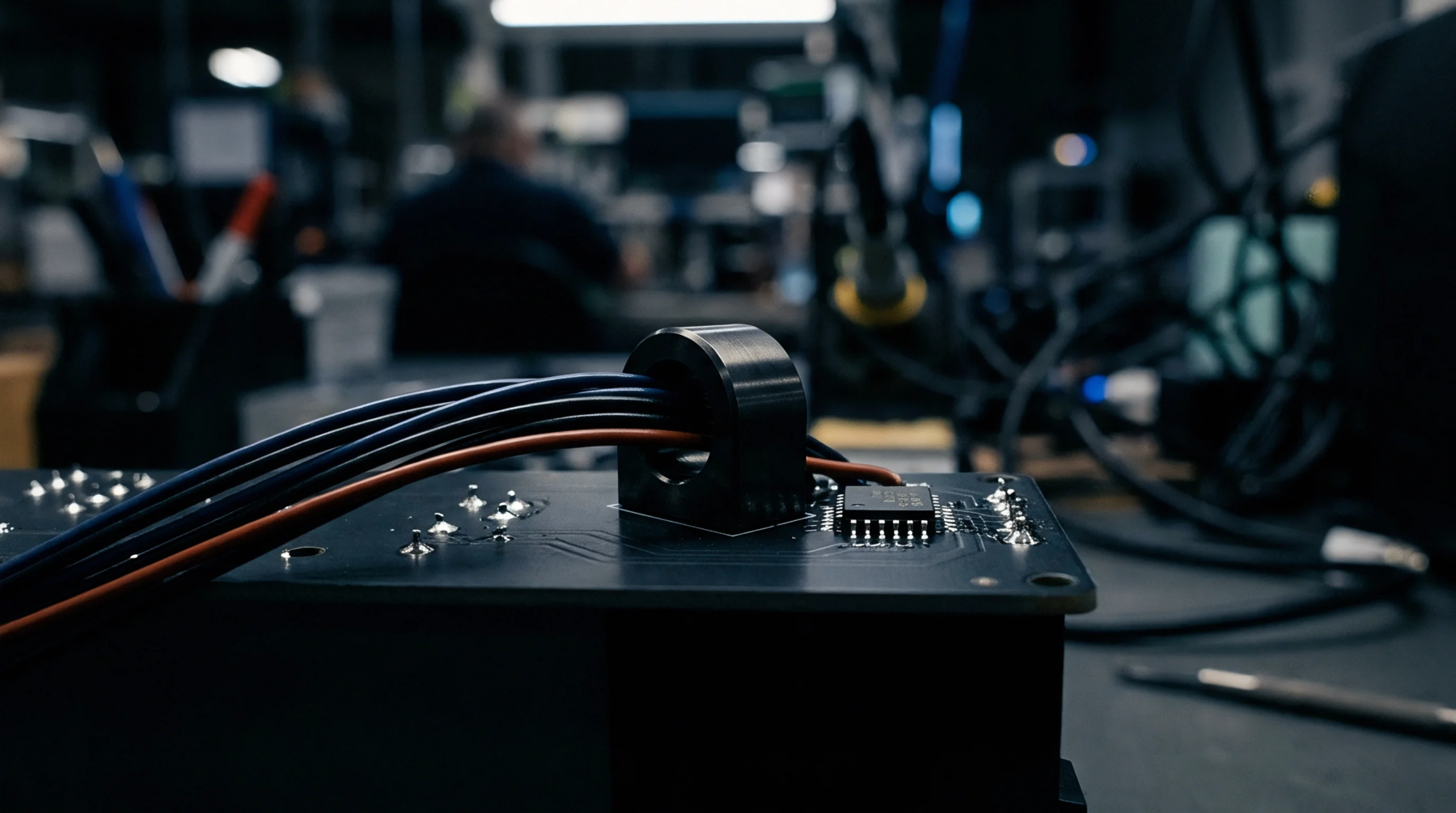
Foil resistance measurement begins when an unpowered printed circuit board receives foil application for mechanical stress detection during thermal cycling or functional bench testing. Strain gauge verification confirms that the bonded sensor maintains correct electrical isolation and bridge resistance before final encapsulation or environmental exposure. Technicians inject a known shunt calibration resistor across the bridge circuit to simulate a specific mechanical load.
Output voltage from the transducer must match the calculated theoretical deflection within strict percentage limits established by the testing protocol. Any discrepancy exceeding the allowable tolerance points toward incomplete adhesive curing or lead wire damage sustained during surface mount assembly operations.
Bridge Accuracy
Electrical balance across the wheatstone network depends heavily upon precise initial resistance values matching between active and dummy grids. Bridge completion resistors mounted externally on the printed circuit board assembly must maintain identical thermal coefficients to prevent false readings caused by ambient temperature fluctuations. Excitation voltage applied to the input terminals requires stable regulation because power supply drift introduces direct measurement errors into the output signal.
Signal conditioning circuitry amplifies millivolt outputs into standard analog or digital formats suitable for data acquisition hardware. Baseline stability testing removes residual thermal gradients trapped beneath the sensor backing material prior to data collection.
Deflection Limit
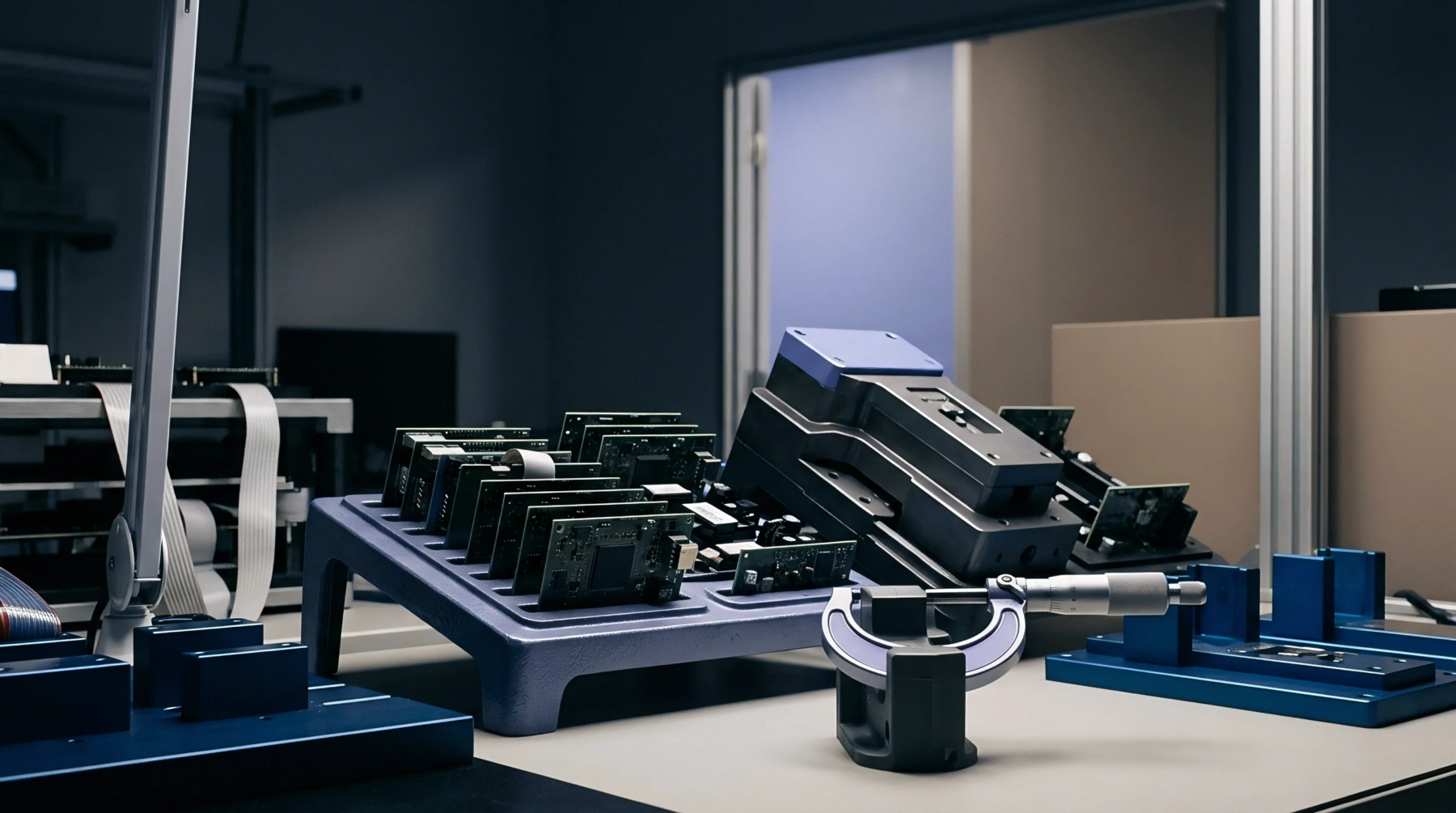
Mechanical loading procedures follow strict mathematical models correlating surface elongation directly with recorded electrical output without causing permanent deformation of the substrate. Maximum allowable microstrain thresholds depend upon the yield strength of the copper traces and surrounding laminate material beneath the sensor footprint. Dynamic fatigue testing applies cyclical mechanical bending to evaluate solder joint integrity under operational vibration profiles typical of aerospace or automotive hardware.
Transducer longevity relies upon proper strain relief applied to the lead wires exiting the sensor pad to prevent cyclic fatigue failure of the copper foil. Signal linearity degrades rapidly when physical displacement exceeds the elastic limit of the adhesive layer securing the sensor to the circuit board.