Redundant Coverage Elimination
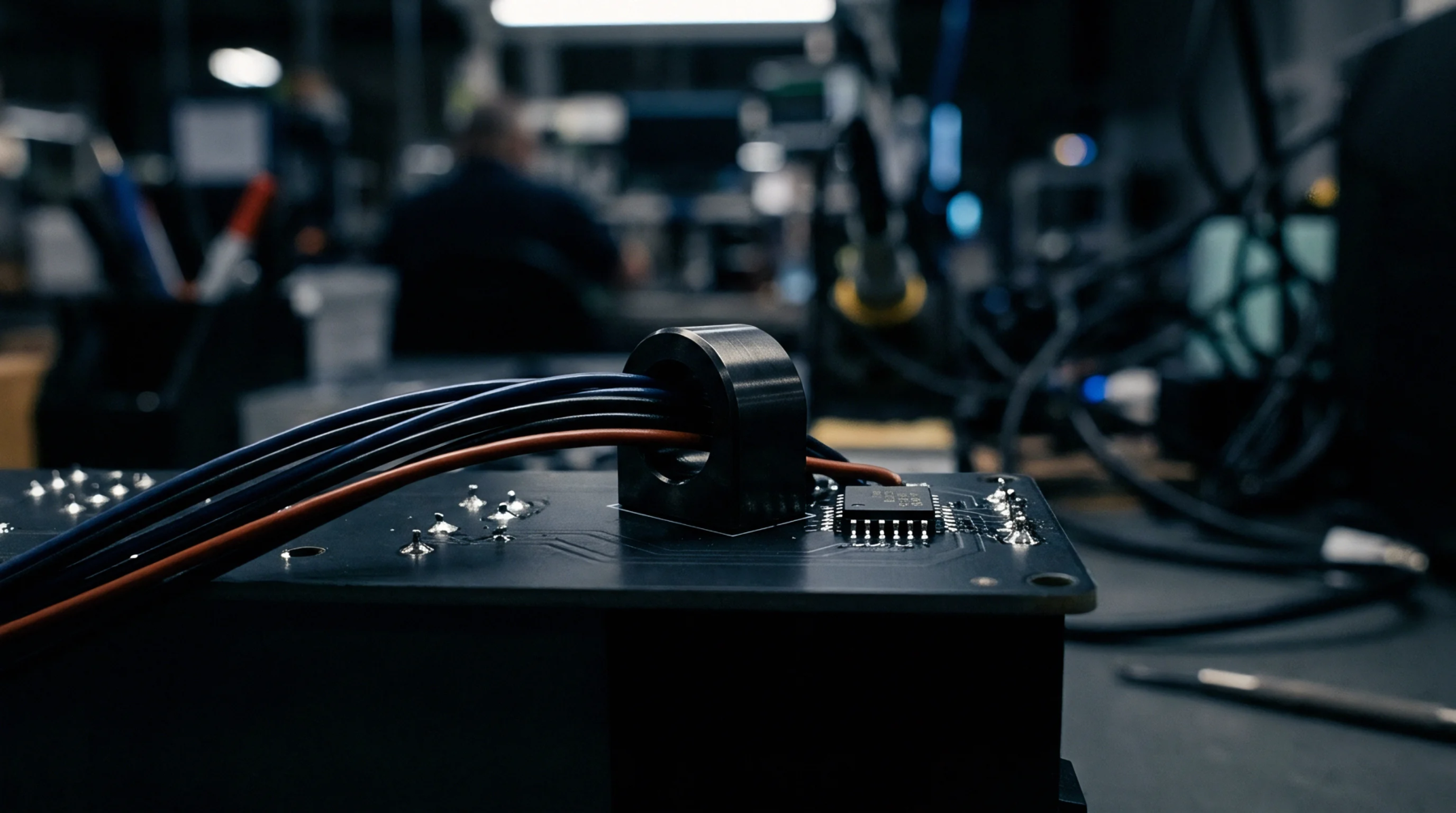
Systematic removal of overlapping verification checks across multiple production test stages optimizes cycle time while maintaining defect detection rates. This engineering strategy, designated as test deduplication, analyzes fault models across automated optical inspection, in-circuit fixtures, and functional test stations to eliminate identical defect checks performed by successive machines. Manufacturing quality protocols apply this process to reduce testing bottlenecks and extend fixture pin lifespans on high-volume production lines.
The deduplication practice applies across the board-level assembly test flow, stopping at regulatory safety screens and final product burn-in verification.
Process Efficiency Optimization
Multiple automated testing stations often evaluate identical physical parameters, consuming test resources without catching new assembly defects. When automated x-ray inspection fully validates quad-flat no-lead solder joints and shorts beneath BGA packages, programming the subsequent in-circuit test fixture to measure those same pins wastes fixture multiplexer channels and extends test time. Test engineers evaluate coverage matrices from automated test pattern generators, uncoupling redundant continuity measurements at the bed-of-nails fixture where optical or x-ray inspection already delivers zero escapes.
Deduplication removes repetitive open-pin checks on digital nets where boundary-scan registers verify connection lines faster and with zero fixture contact stress. Statistical yield analysis confirms defect history before any test step is removed from automated programs, ensuring manufacturing slip rates remain unchanged. Line balancing data indicate significant reduction in cycle times when redundant passive component measurements are retired.
Coverage Boundaries
Safety requirements prevent the deduplication of critical structural or functional screens. High-voltage insulation tests, earth bond continuity, and functional power verification remain mandatory across designated test gates regardless of earlier optical confirmation. Quality audits require cross-correlation studies between inspection systems before retiring redundant test steps.
Test deduplication preserves capital equipment capacity on high-volume assembly lines.