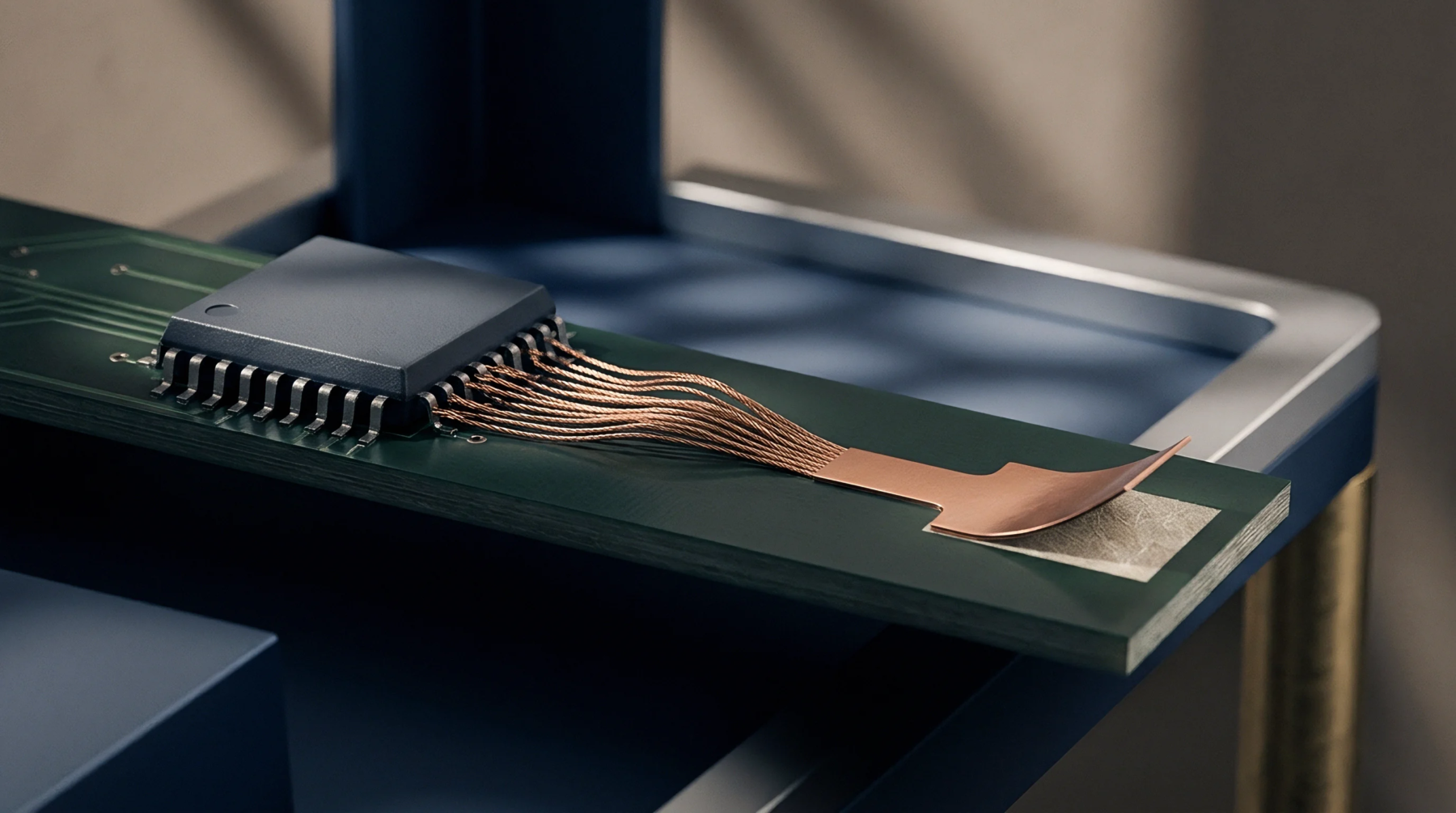
Evaluating Solder Joint Fatigue Dynamics during High Volume ICT Actuation
Minimizing ICT solder joint fatigue requires triaxial strain gauge profiling below 500 microstrain at actuation speeds under 1,000 microstrain per second.
Minimizing ICT solder joint fatigue requires triaxial strain gauge profiling below 500 microstrain at actuation speeds under 1,000 microstrain per second.
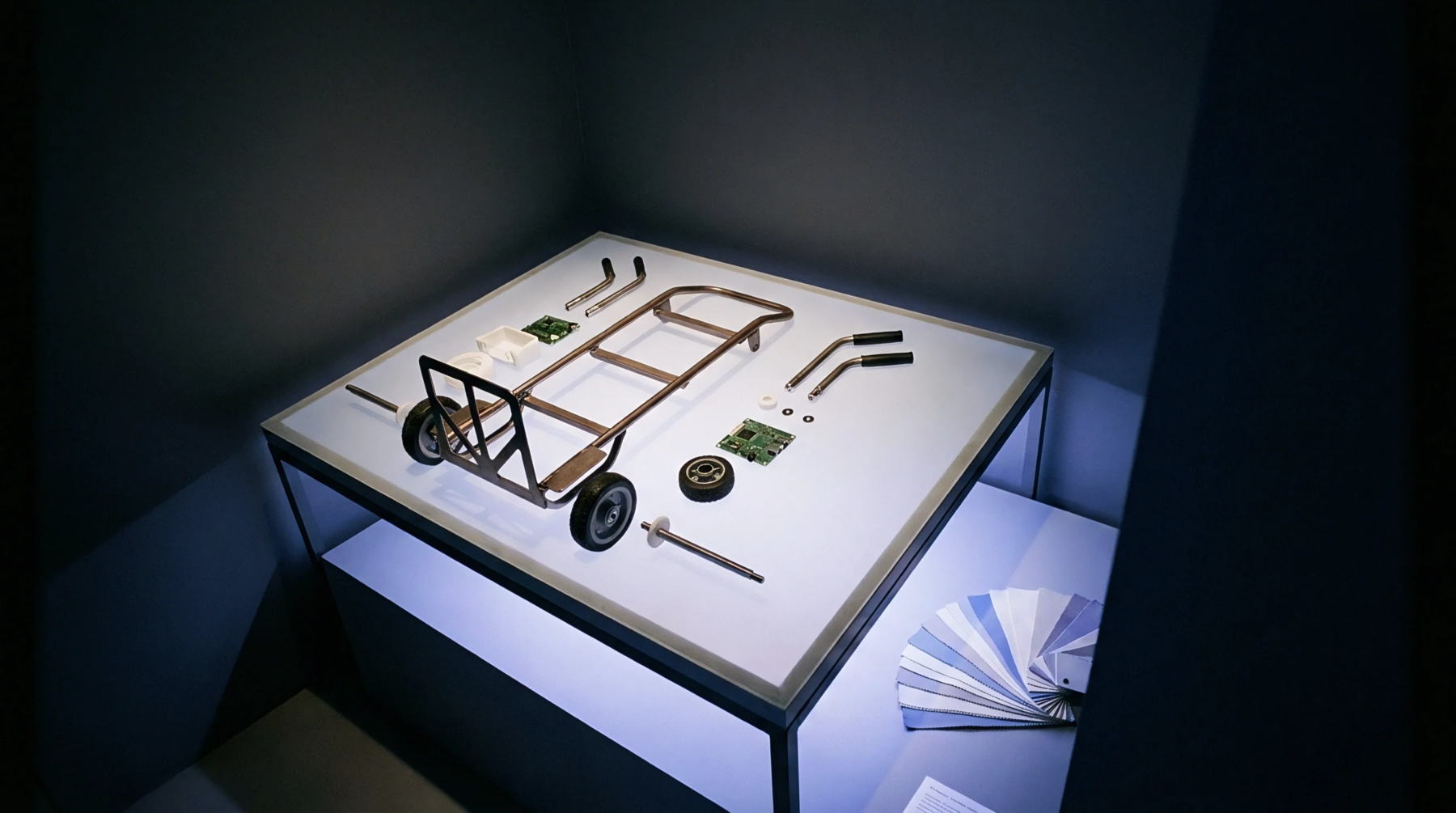
Sub-0.15mm microvia target pad interface fatigue scales nonlinearly with z-axis CTE mismatch and target pad offset, demanding thick base copper and equiaxed plating.

Matching dielectric CTE above Tg to copper ductility prevents inner layer interconnect fracture during high temperature reflow thermal profile cycles.
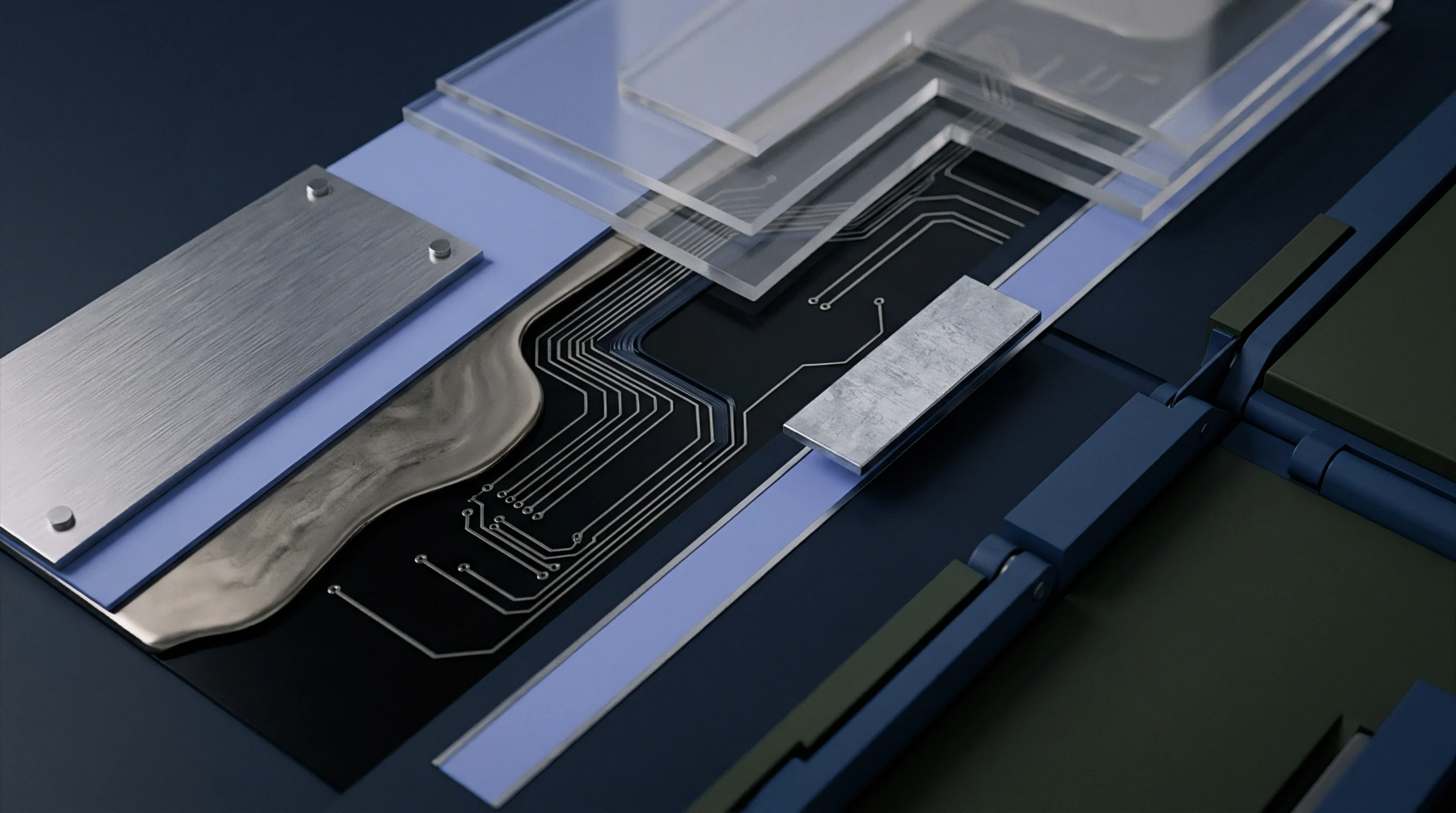
Evaluating thermomechanical creep in dual-sided solder joints requires tracking secondary reflow thermal exposure, intermetallic layer growth, and creep strain accumulation under asymmetric board warpage.
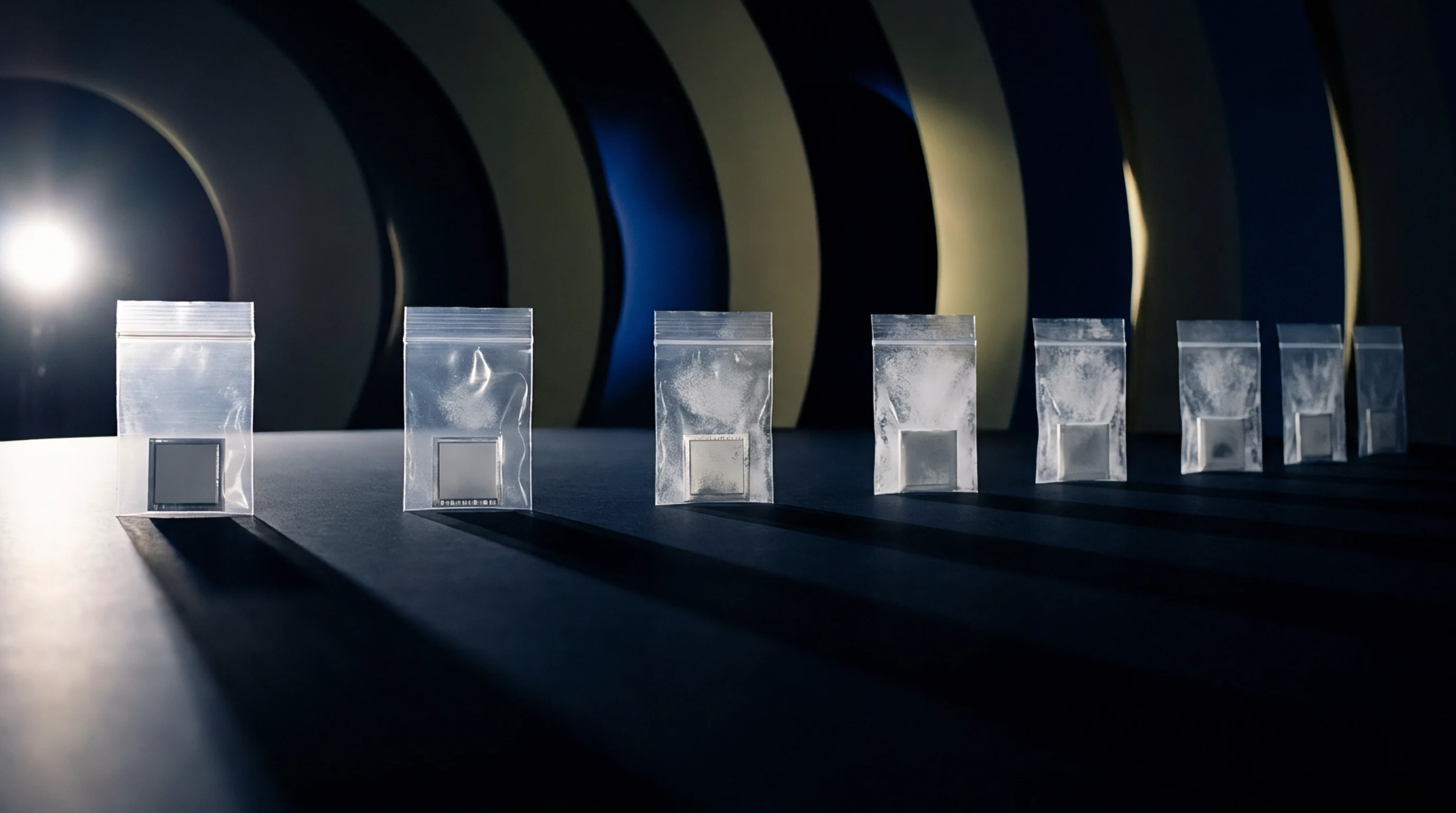
Correlating micro-ohmic resistance drift in thermal stress coupons with microsection defect rates isolates latent inner layer post separation before assembly.
Standard panel coupon architectures must balance border placement against current density gradients to ensure microsections accurately reflect internal board quality.
Expertise is a utility, not a secret. sentiention™ publishes its working knowledge as open reference: intelligence layer covering the materials it sources, the markets it enters, and the reference that serves both.