Reliability Metric
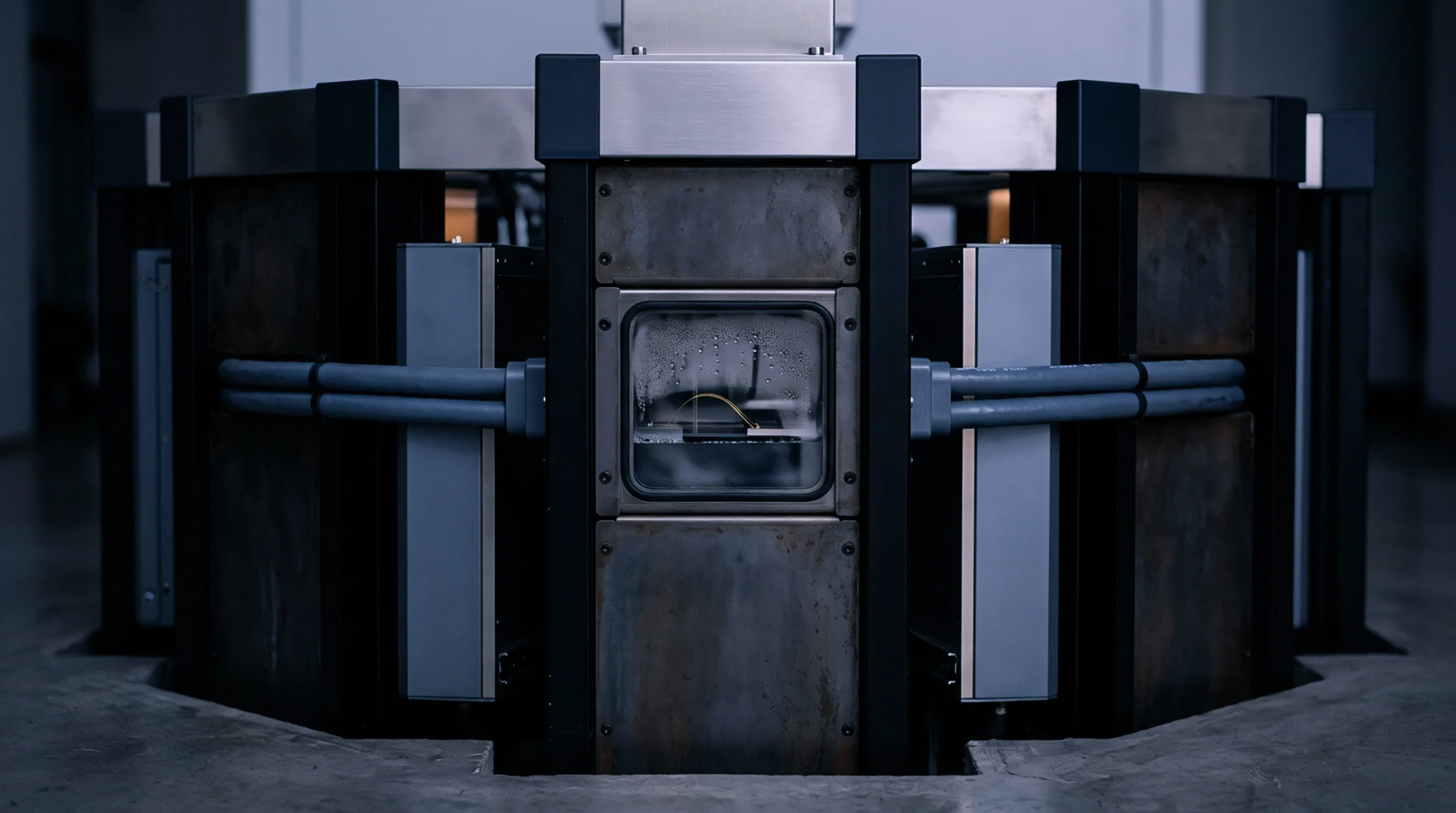
Accelerated thermal cycling serves as the primary mechanism to determine the fatigue resistance of copper barrels and through-hole connections on printed circuit boards. An interconnect stress test applies continuous temperature transitions to a sample coupon until structural degradation occurs within the metal structures. This procedure forces rapid expansion and contraction of dielectric materials against copper plating to highlight potential weaknesses in barrel geometry or plating chemistry.
Manufacturers use these data points to qualify processes or materials prior to mass production. The duration of the cycle count before failure provides a quantifiable measure of expected service life under fluctuating environmental conditions.
Cycling Protocol
Controlled chamber environments facilitate these temperature excursions by oscillating between extremes often spanning from fifty-five degrees Celsius to one hundred twenty-five degrees Celsius. Each ramp period requires precise calibration to maintain consistent rates of change that prevent premature damage unrelated to actual interconnect fatigue. Thermocouples attached to the test vehicle monitor real-time temperatures to ensure the specimen tracks the chamber profile throughout the entire cycle.
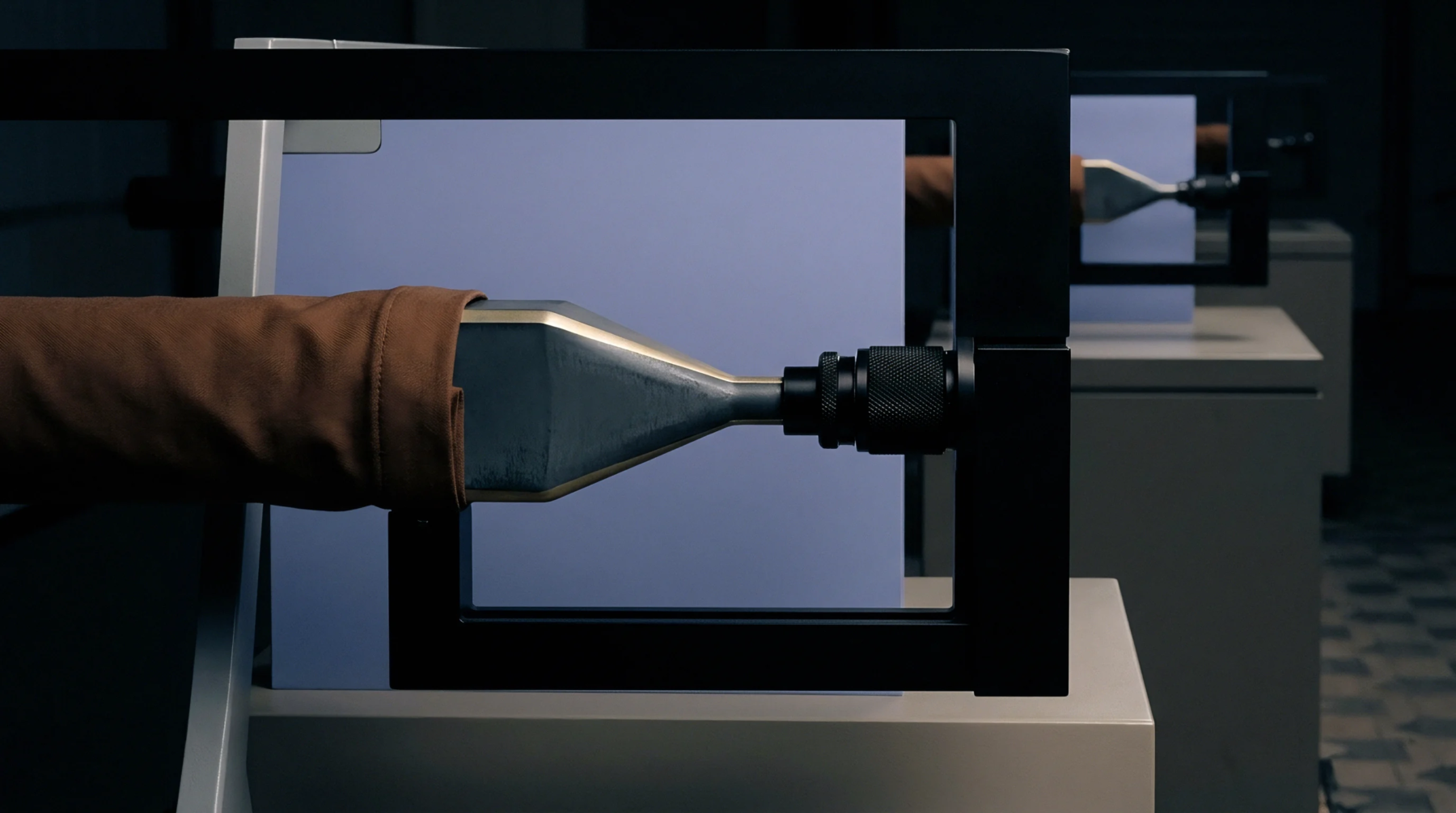
Data acquisition systems record electrical resistance continuously to detect the instant a micro-crack initiates or propagates through the plating. Sudden increases in resistance indicate a fault that halts the cycle count for that specific test location.
Material Validation
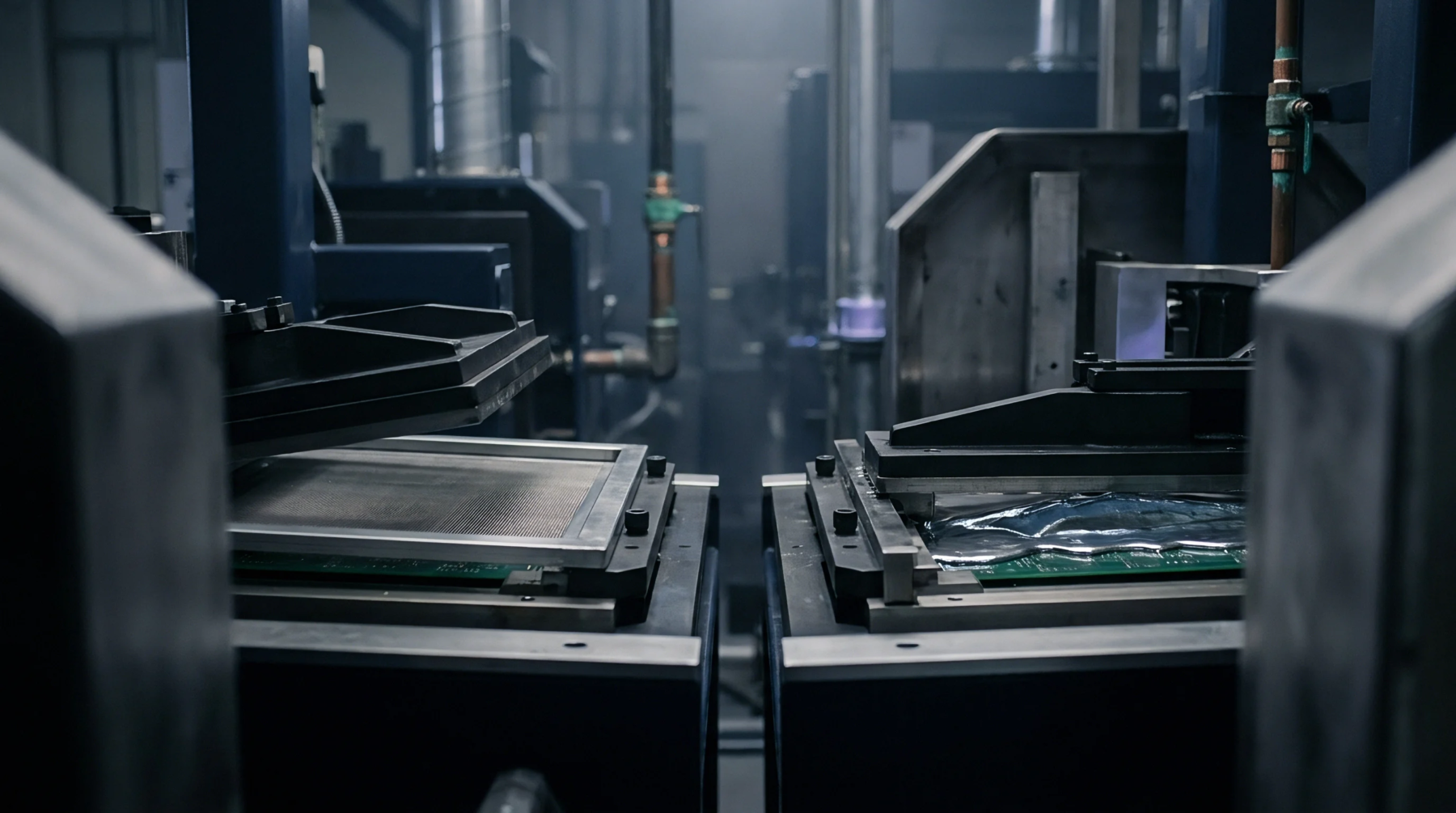
Performance limits derived from this assessment dictate design rules for high-reliability assemblies and complex multilayer boards. Engineers compare result sets against historical averages to determine if specific plating additives or board stackups introduce unacceptable risks for long-term usage. Rigid specifications often demand a minimum threshold of cycles before the onset of open circuits in the copper wall.
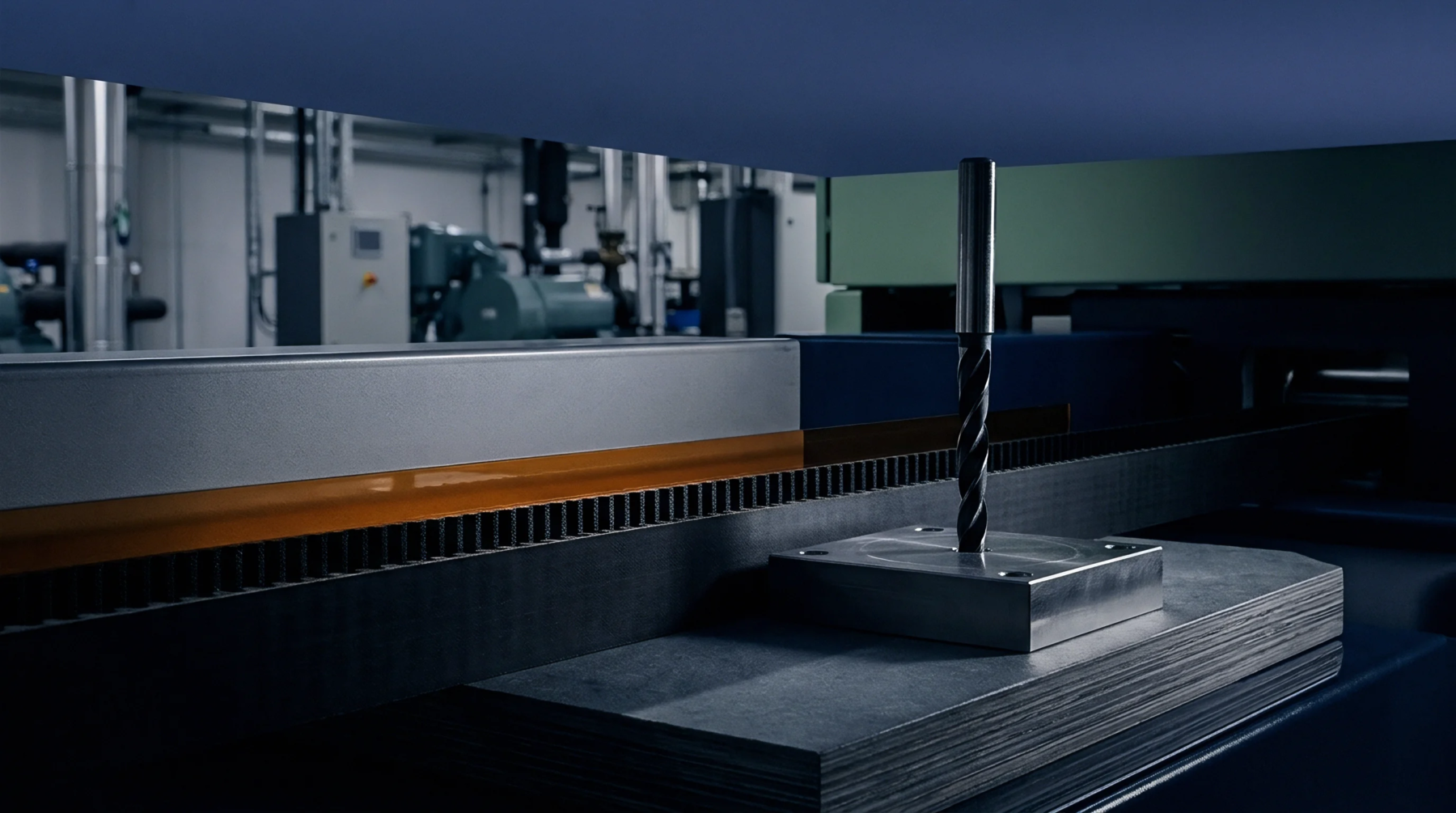
Verification happens at the prototype stage to detect deficiencies before the transition to high-volume manufacturing lines. Failure analysis following the conclusion of the testing window provides the necessary feedback loop to adjust plating current density or drill quality parameters. The resistance to thermal shock represents the ultimate benchmark for circuit integrity in demanding hardware applications.