Solder Transition
Metallurgical bonding during the soldering process depends on the chemical reaction between the liquid solder and the metal substrate. These newly formed alloys, known as intermetallic compounds, grow at the boundary between the solder and the copper pad or surface finish. A thin and uniform layer of this alloy is necessary to establish a mechanically sound electrical connection.
Soldering Control
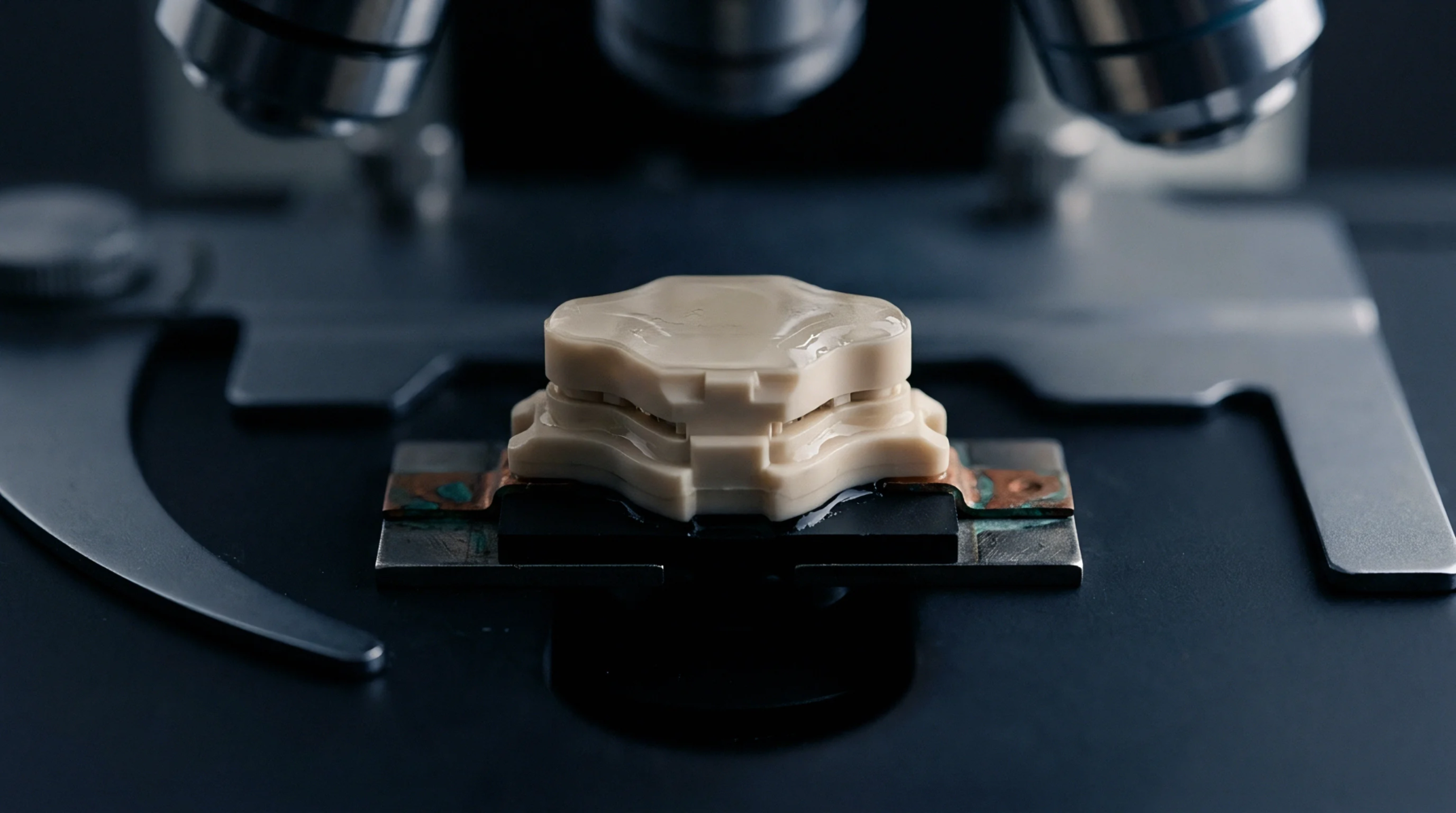
Managing the thickness of this layer requires tight control over the reflow oven temperature profile and the time above liquidus. Minimizing the time that solder remains in a molten state limits the diffusion rate of copper or nickel into the tin-rich solder, preventing the formation of thick, weak intermetallic layers that threaten the long-term reliability of the printed circuit board assembly. Regular inspection of cross-sectioned test coupons helps verify that the alloy growth remains within the range specified by standards like IPC-A-610.
Mechanical Weakness
Excessive growth of this compound occurs when the assembly is subjected to repeated thermal cycles or stored in high-temperature environments. Because intermetallic compounds are inherently brittle, a layer that exceeds a few micrometers in thickness can cause the solder joint to crack or separate when the board is subjected to mechanical drop tests or vibration.