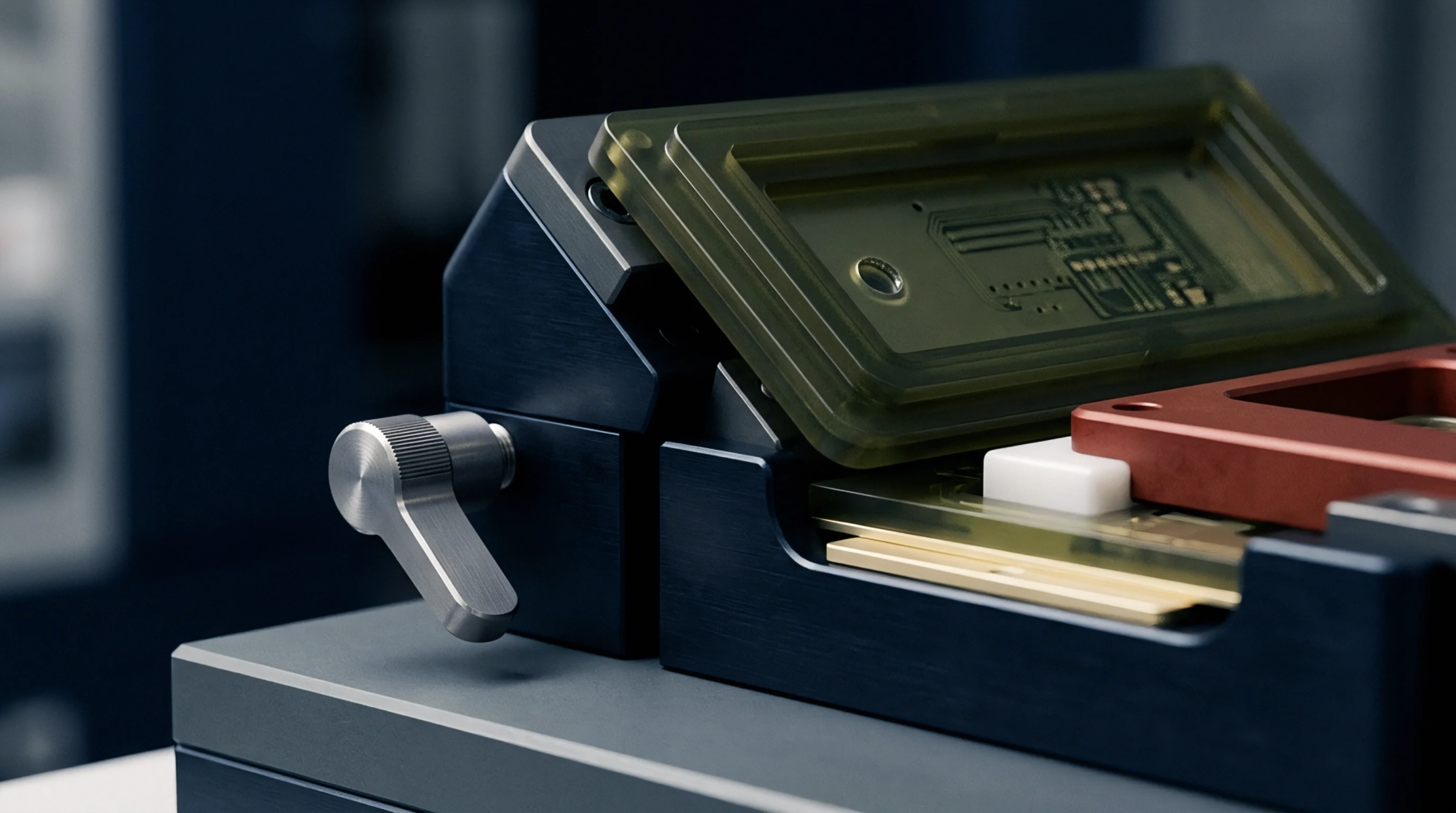
Glass Weave Skew inside a Differential Pair Budget
Mitigate glass weave skew by specifying mechanically spread low-Dk glass fabrics and dual-ply stackups to keep phase skew below 0.8 ps/inch across differential pairs.
Mitigate glass weave skew by specifying mechanically spread low-Dk glass fabrics and dual-ply stackups to keep phase skew below 0.8 ps/inch across differential pairs.
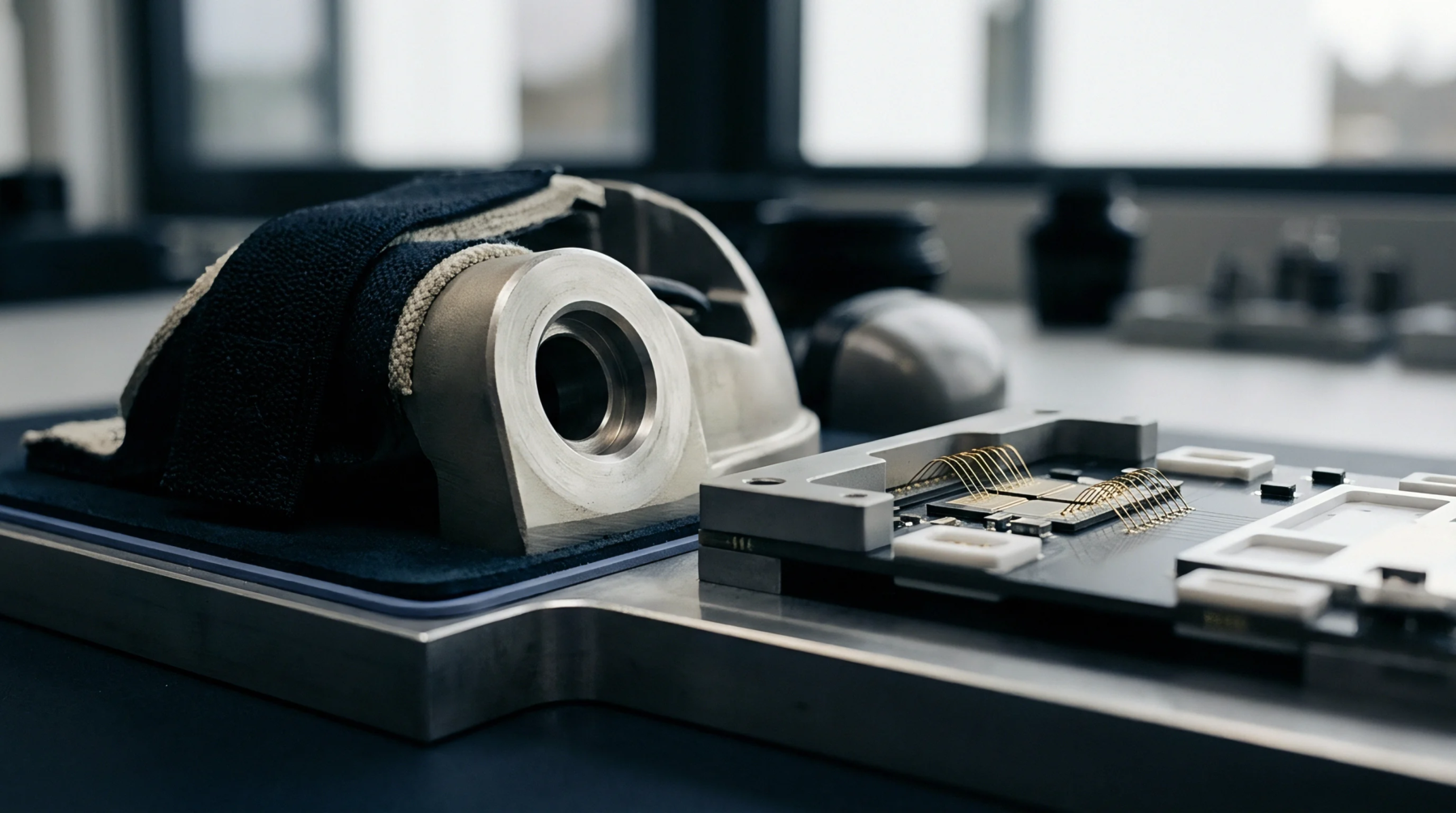
Moving from four to six layers adds 30 to 55 percent to bare board cost through double core usage, lamination press overhead, and tighter registration yields.
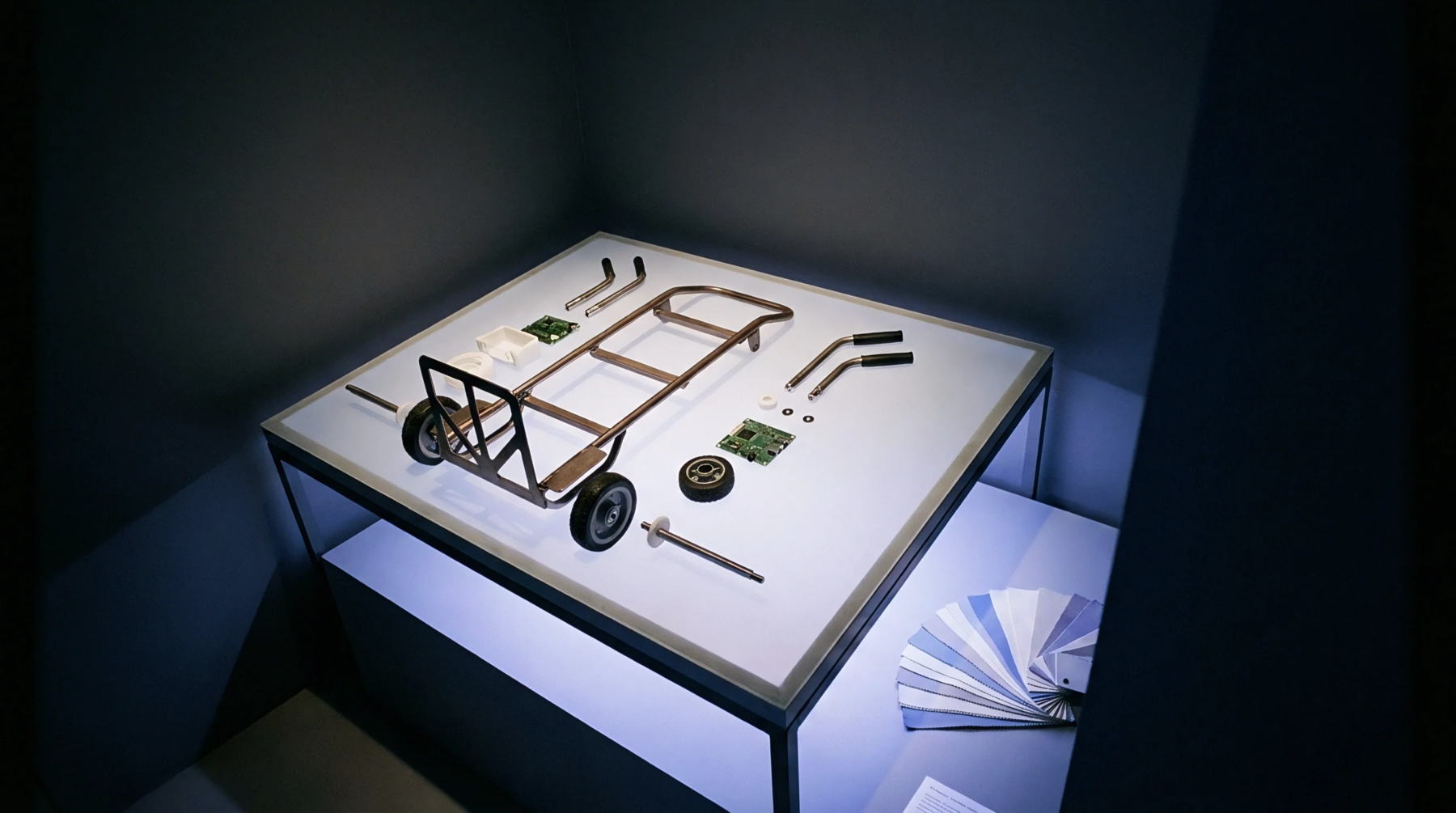
Multilayer PCB fabrication laminates etched copper cores and prepreg under heat and vacuum, creating vertical interconnects through precision drilling and copper electroplating.
Stackup selection balances resin flow, z-axis dielectric constants, and panel utilization to fix bare-board cost, impedance tolerances, and factory pool.
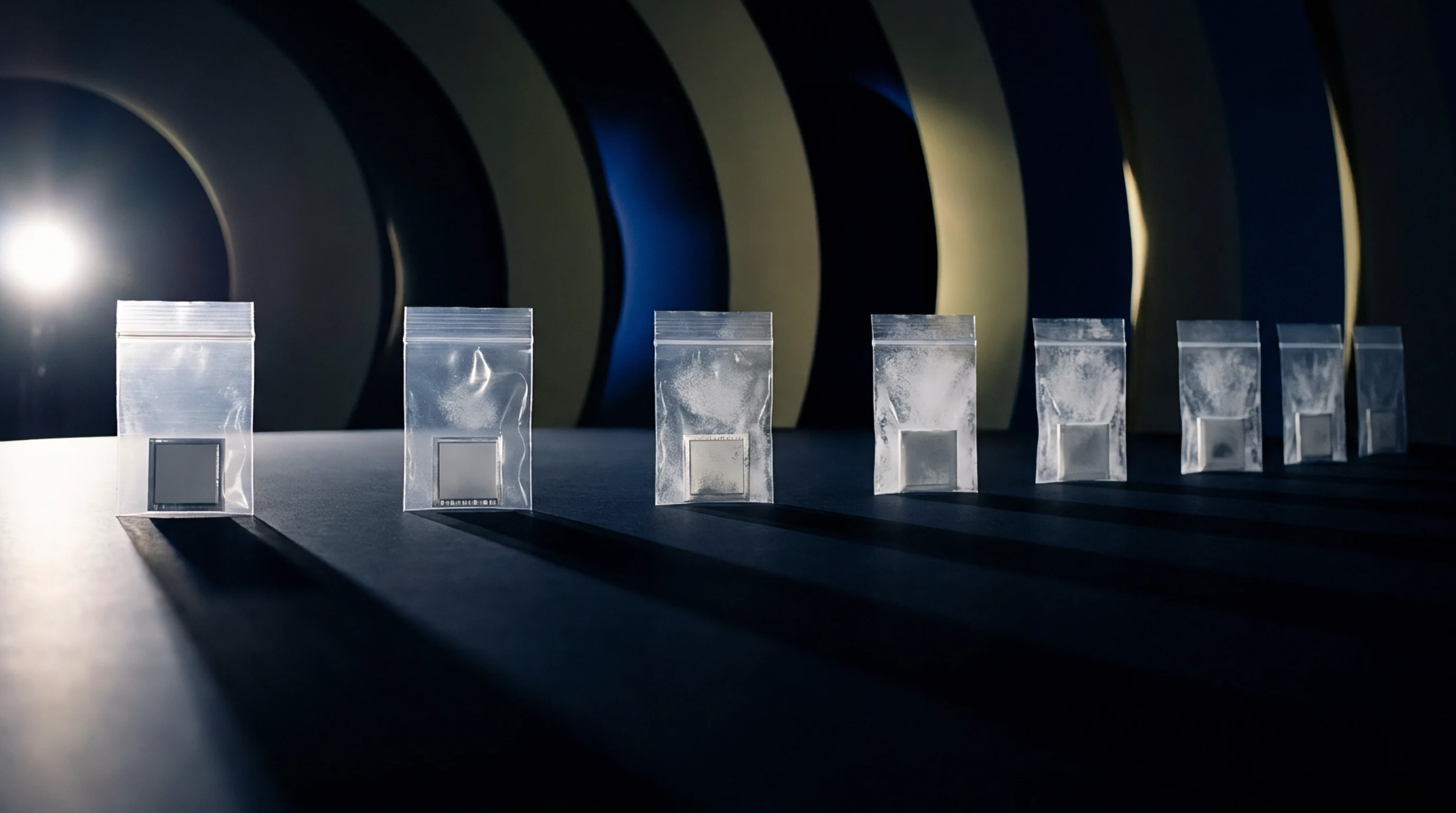
Specifying staggered microvias and single-press HDI stackups preserves multi-vendor competition while cutting panel scrap costs.
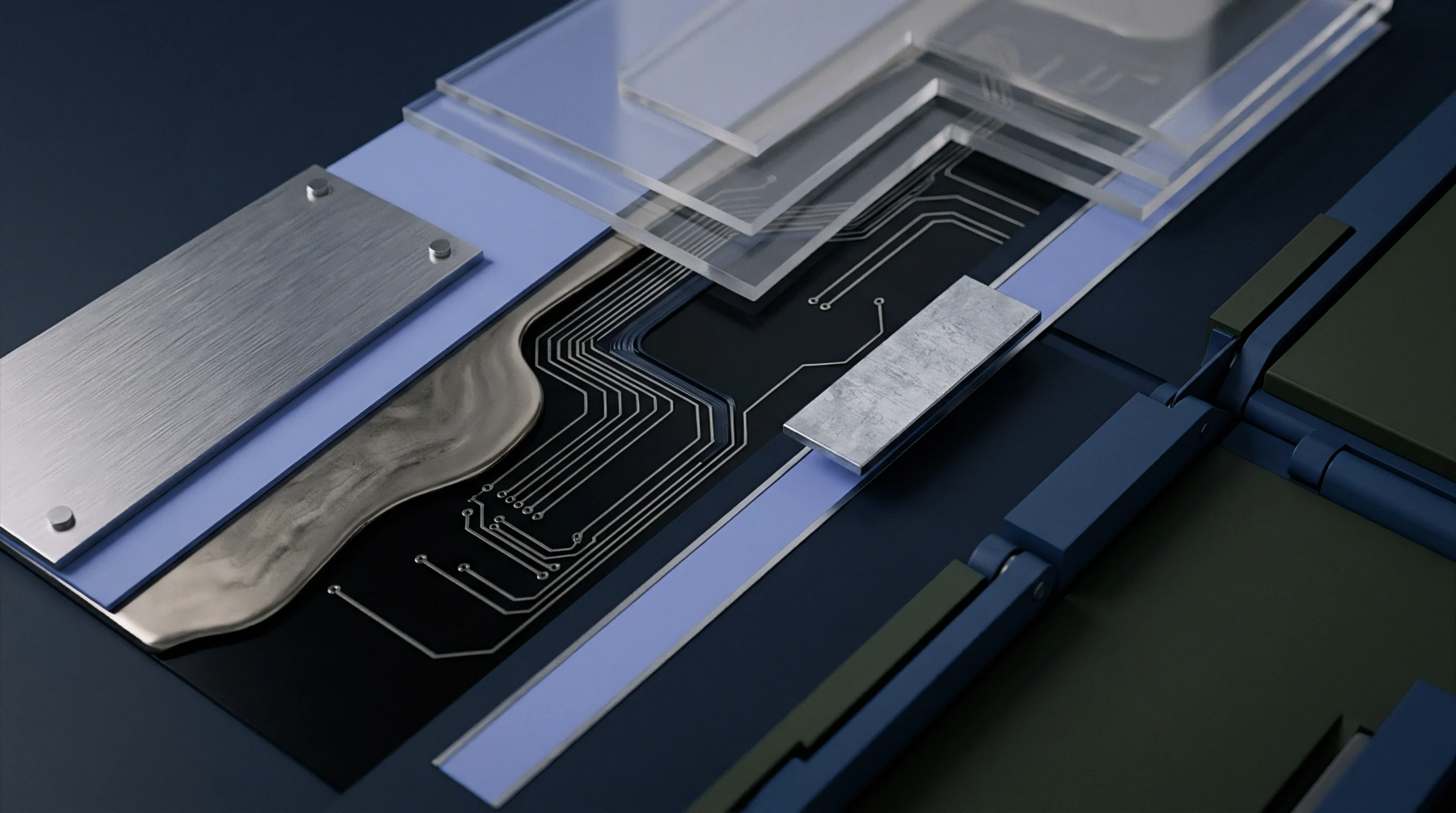
Peripheral coupon TDR reports require empirical offset adjustments derived from physical microsections to accurately reflect functional internal board impedance.
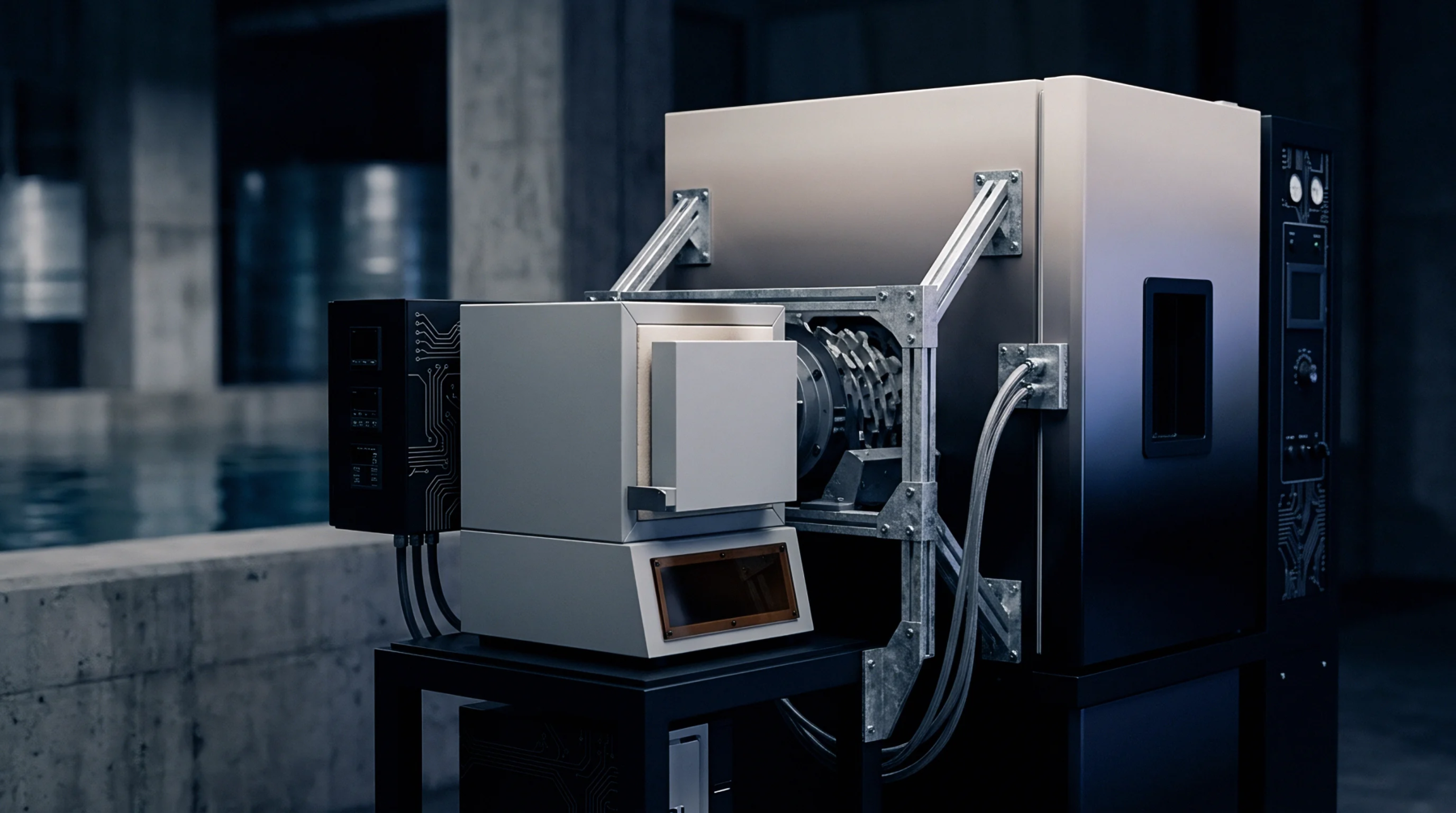
Mechanically spread glass fabrics flatten yarn bundles to eliminate resin-rich windows, stabilizing relative permittivity and preventing high-speed differential skew.
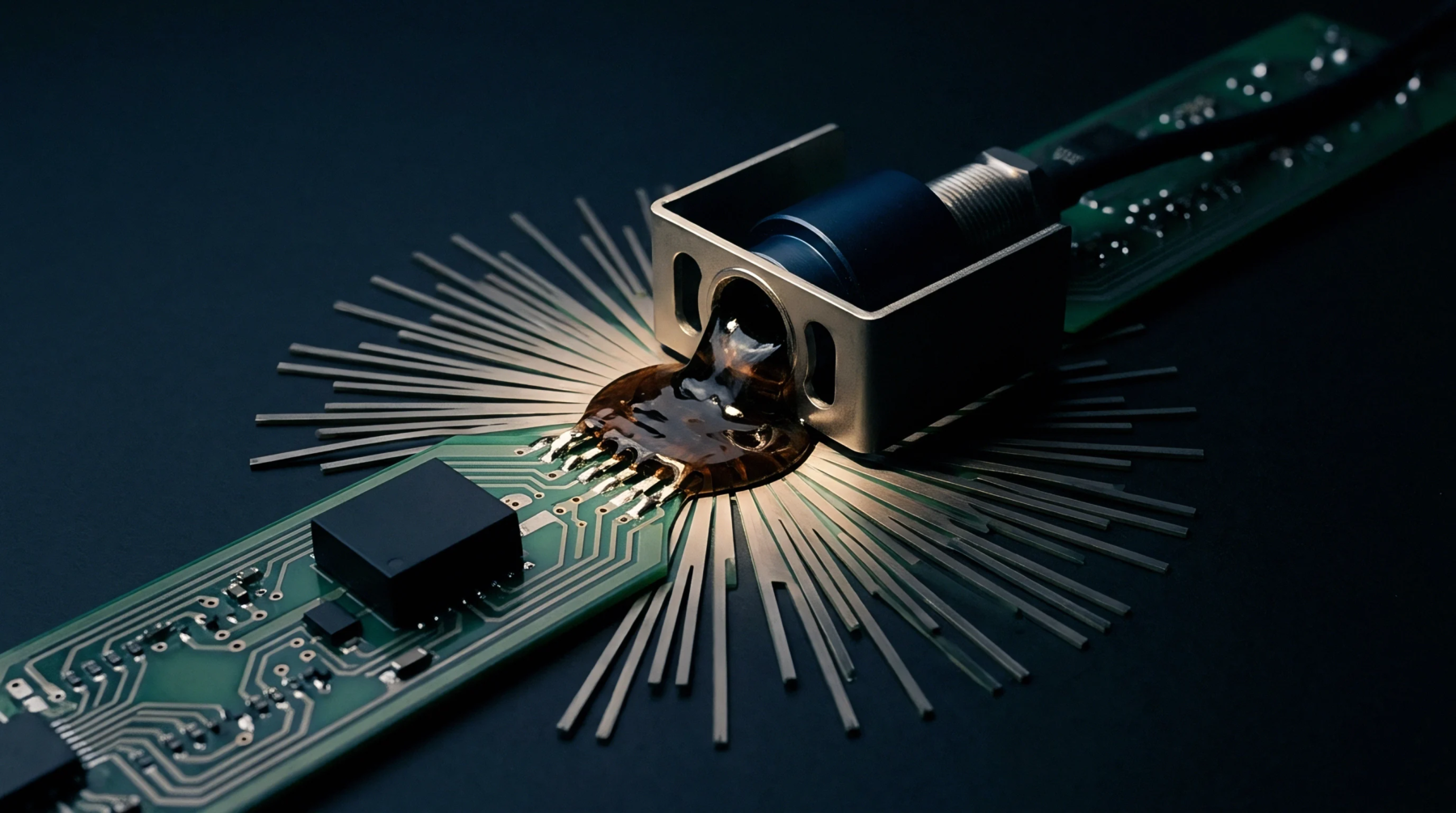
Dynamic resin flow in thin core laminates governs post-press dielectric thickness, feature filling capability, and panel impedance uniformity.
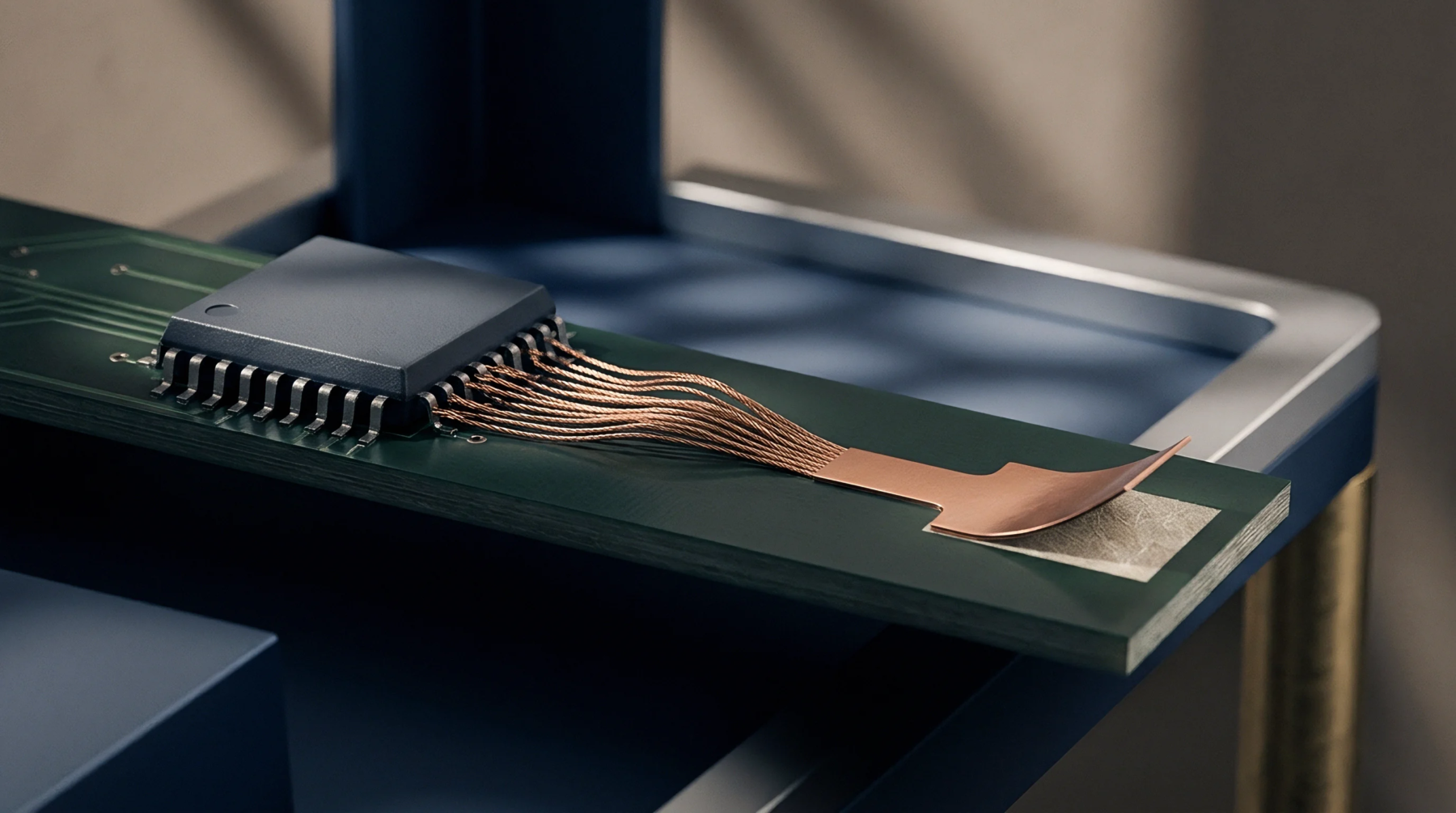
Sub-hundred-micron fine-line multi-core panel surcharges stem from seed-etch yield hits, core-shift registration buffers, and panel margin expansion.
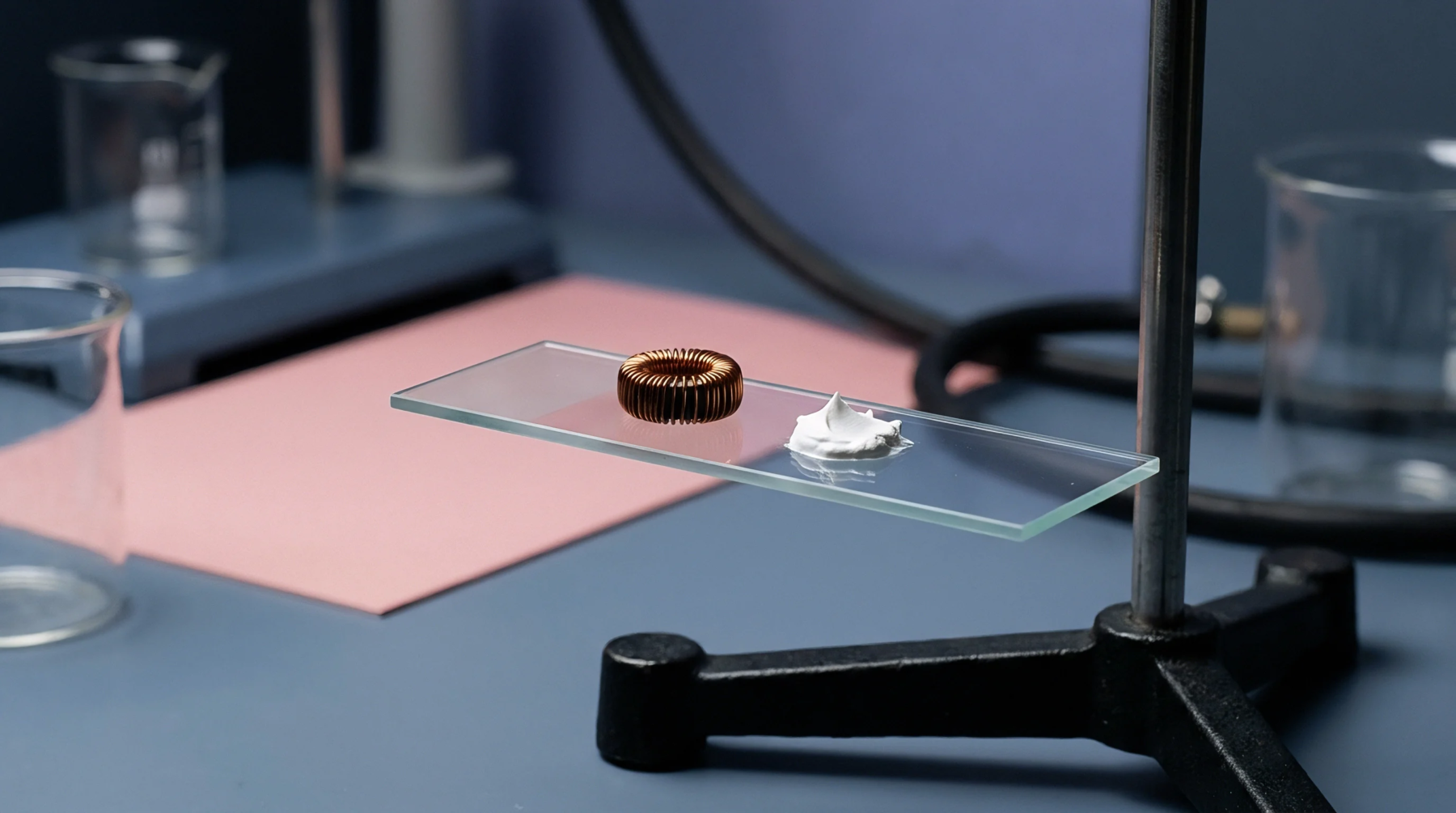
Spread glass weaves minimize micro-spatial permittivity variations, stabilizing high-frequency phase delay when press thermal cycles are tightly controlled.
Sub-30 µm dielectric void suppression requires matching non-Newtonian dynamic viscosity to vacuum press ramps to maintain shear flow prior to cross-linking gelation.
Sub-sixty micron trace fabrication mandates semi-additive processing over subtractive etching to eliminate undercut and hold tight differential impedance.
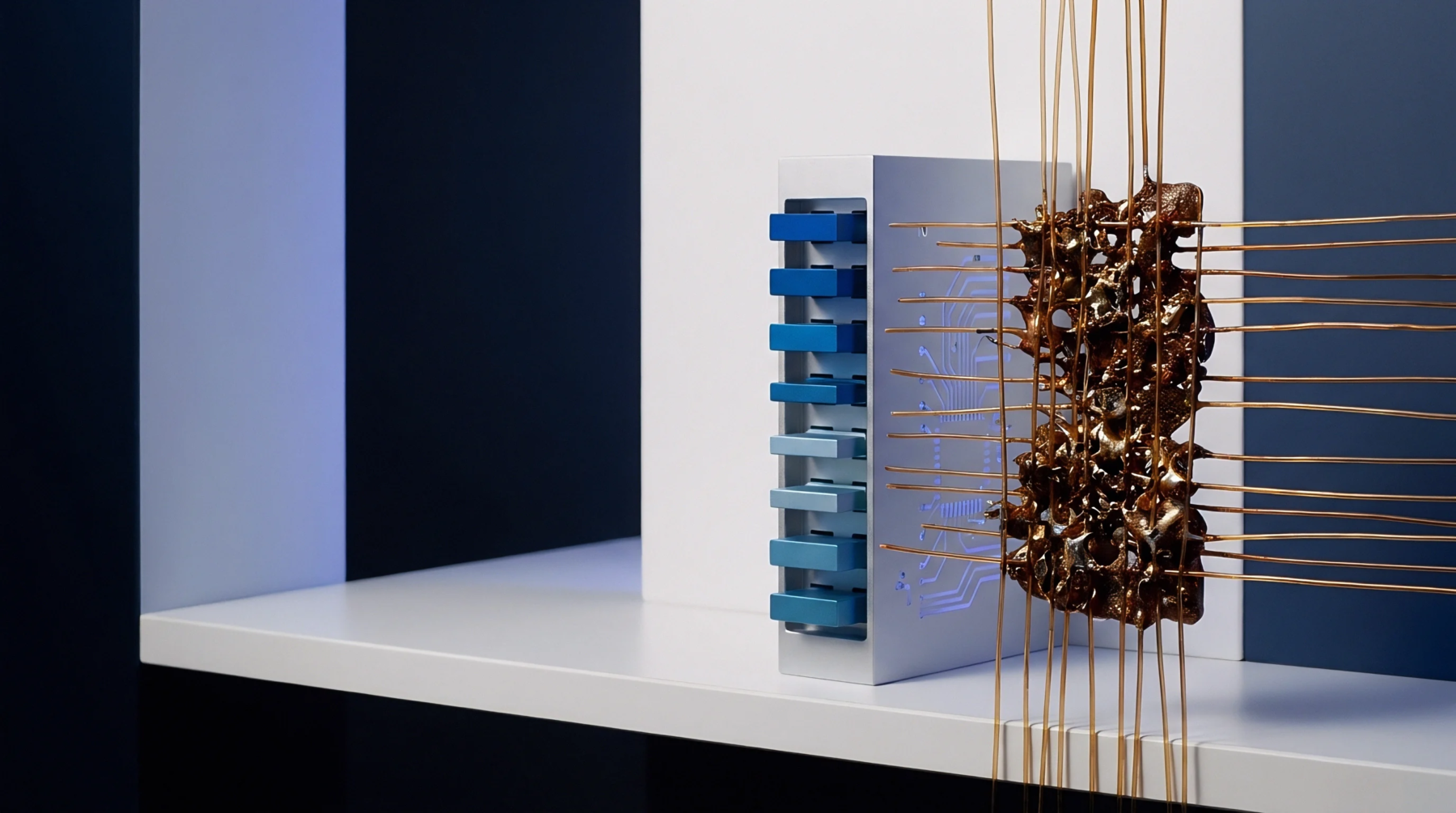
Spatial dielectric variation in glass laminates stems from weave periodicity and drives phase skew, requiring spread glass or angled routing to pass tight jitter budgets.
Characterizing spatial dielectric anisotropy under extreme thermal excursions prevents sub-THz phase distortion and catastrophic high-density packaging yield loss.

Extracting out-of-plane permittivity requires guarded parallel-plate or re-entrant cavity tests to isolate vertical flux fields from in-plane glass weave effects.
In-situ quasi-optical interferometry resolves thermo-mechanical dielectric tensor degradation across sequential reflow passes, preventing mmWave phase error.
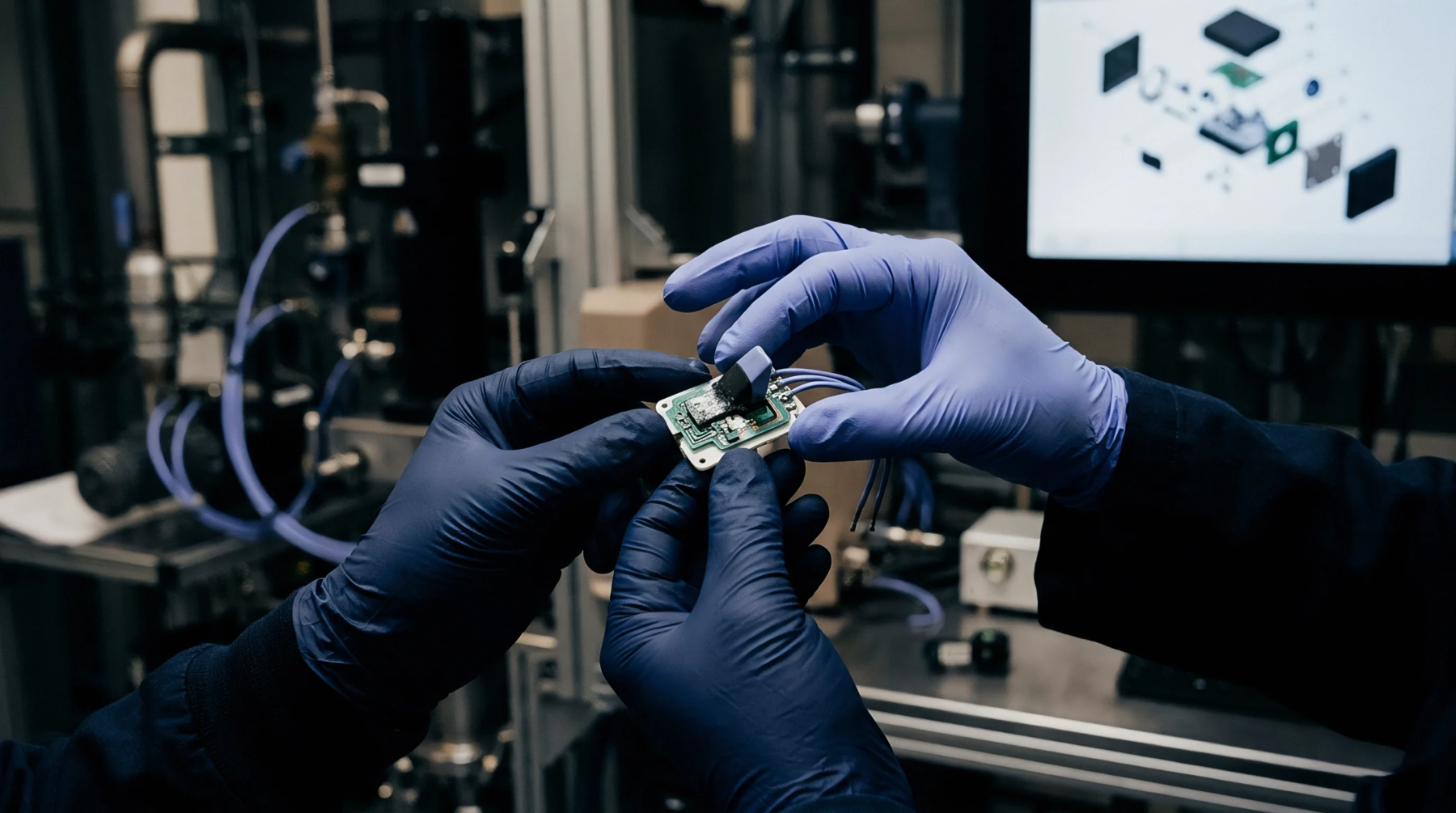
Mid-loss laminates paired with low-roughness copper foil match high-cost ultra-low-loss performance at a fraction of the raw panel price.
Rigid-flex architecture eliminates discrete connector failures and signal discontinuities while reducing assembly labor, justifying higher bare-board costs.

Off-axis artwork rotation increases gross panel utilization on paper but degrades true net commercial yield through anisotropic lamination twist and registration scrap.
Quantifying stacked microvia thermal fatigue requires matching resin z-axis CTE limits to electrodeposited copper ductility under continuous resistance monitoring.
Select spread-glass prepreg and extract dielectric constants from TRL transmission line measurements to eliminate weave skew and impedance errors.
Sub-stack resin squeeze-out during sequential lamination elevates z-axis Dk and reduces dielectric thickness, shifting differential impedance off target.
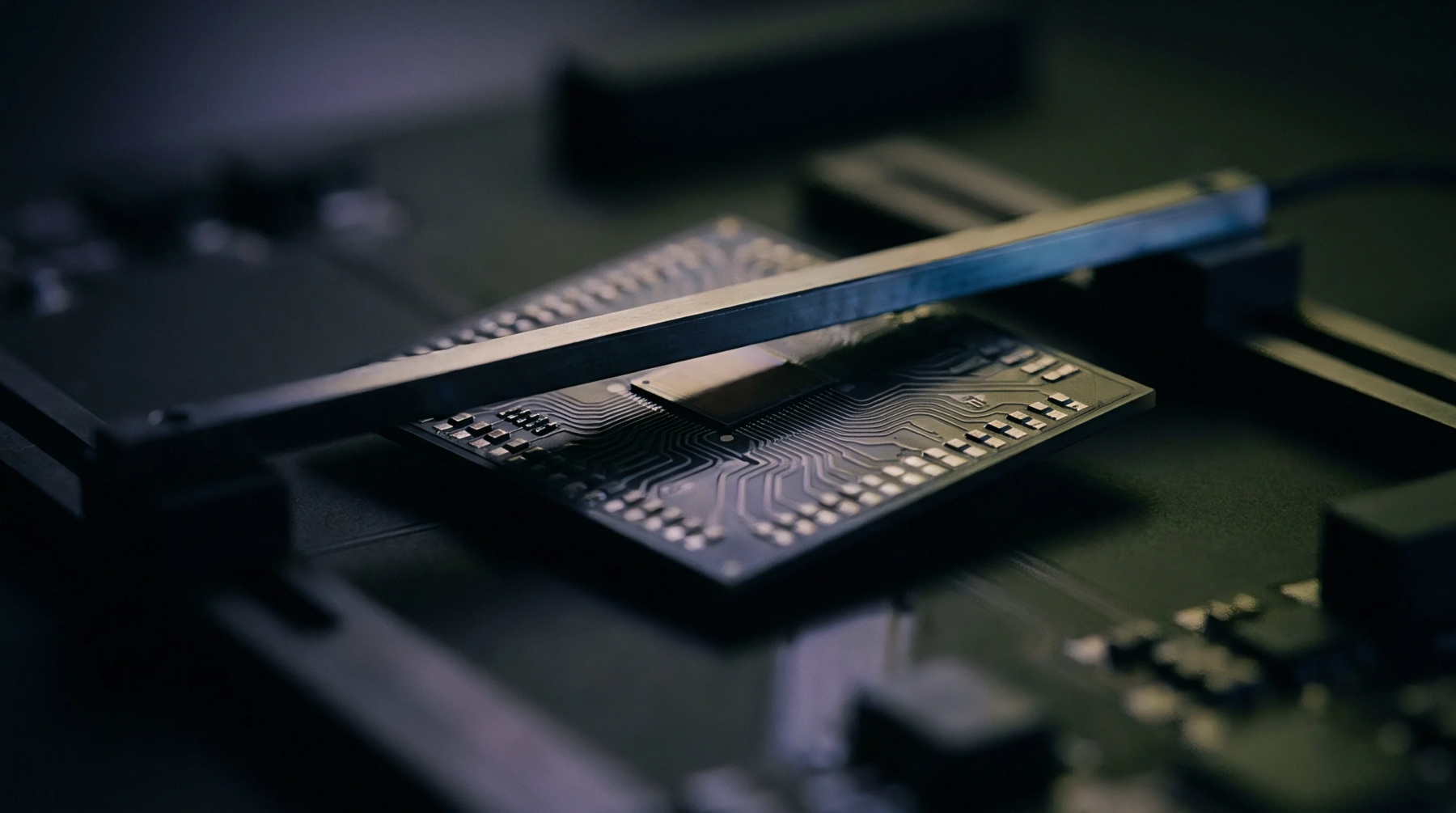
Sequential lamination registration budgets require root-sum-square alignment modeling of sub-core thermal shrinkage and drill offsets to size microvia lands.
Standard panel coupon architectures must balance border placement against current density gradients to ensure microsections accurately reflect internal board quality.
Selecting spread glass fabrics and controlling resin distribution tightens microstrip relative permittivity tolerances, eliminating differential phase skew.
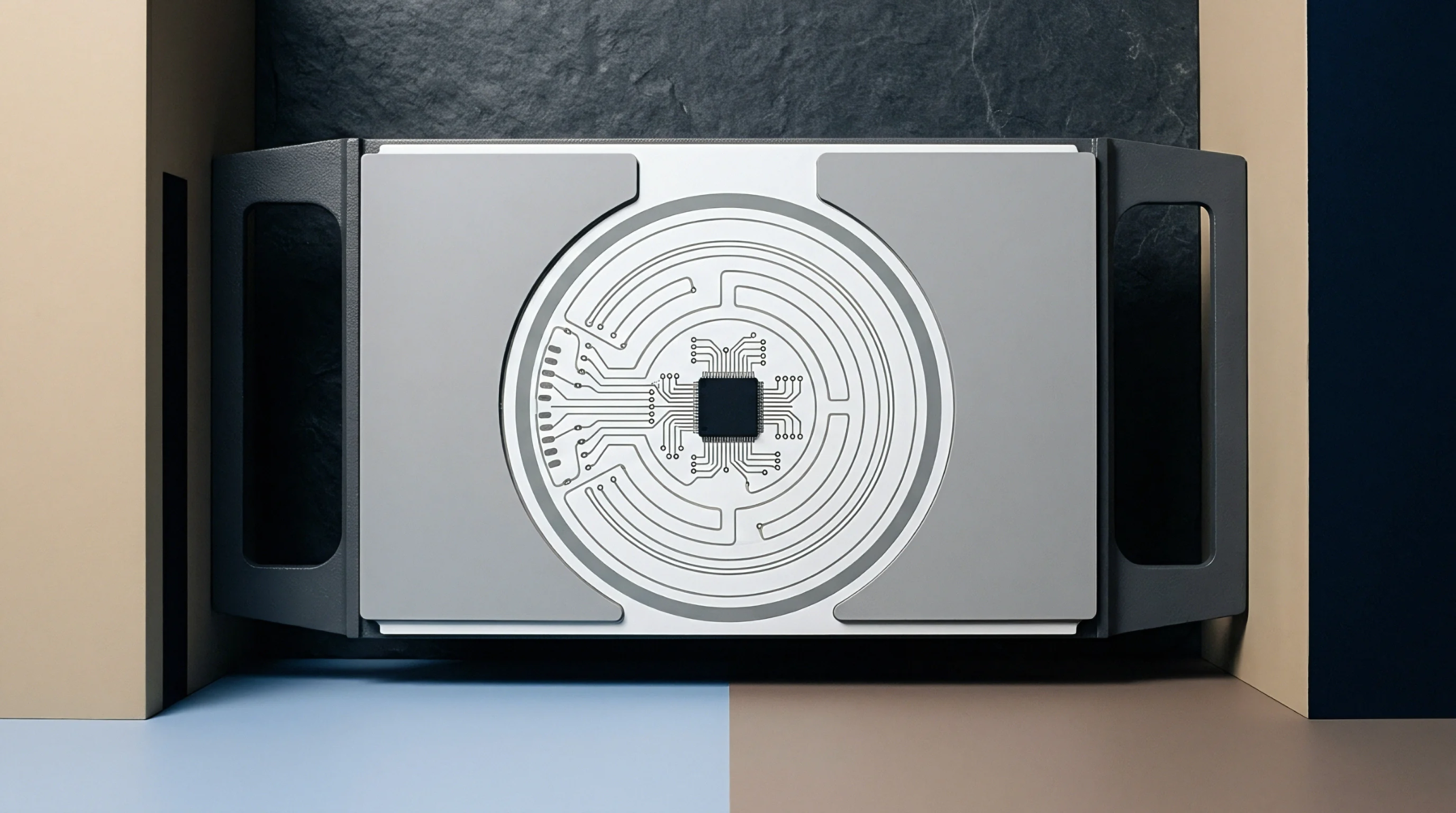
Spread glass prepreg selection eliminates differential phase skew by flattening fiber bundles and reducing dielectric constant variations across signal paths.
Differential phase skew control requires spread-glass fabrics or off-axis routing to eliminate local micro-scale dielectric variations across high-speed traces.
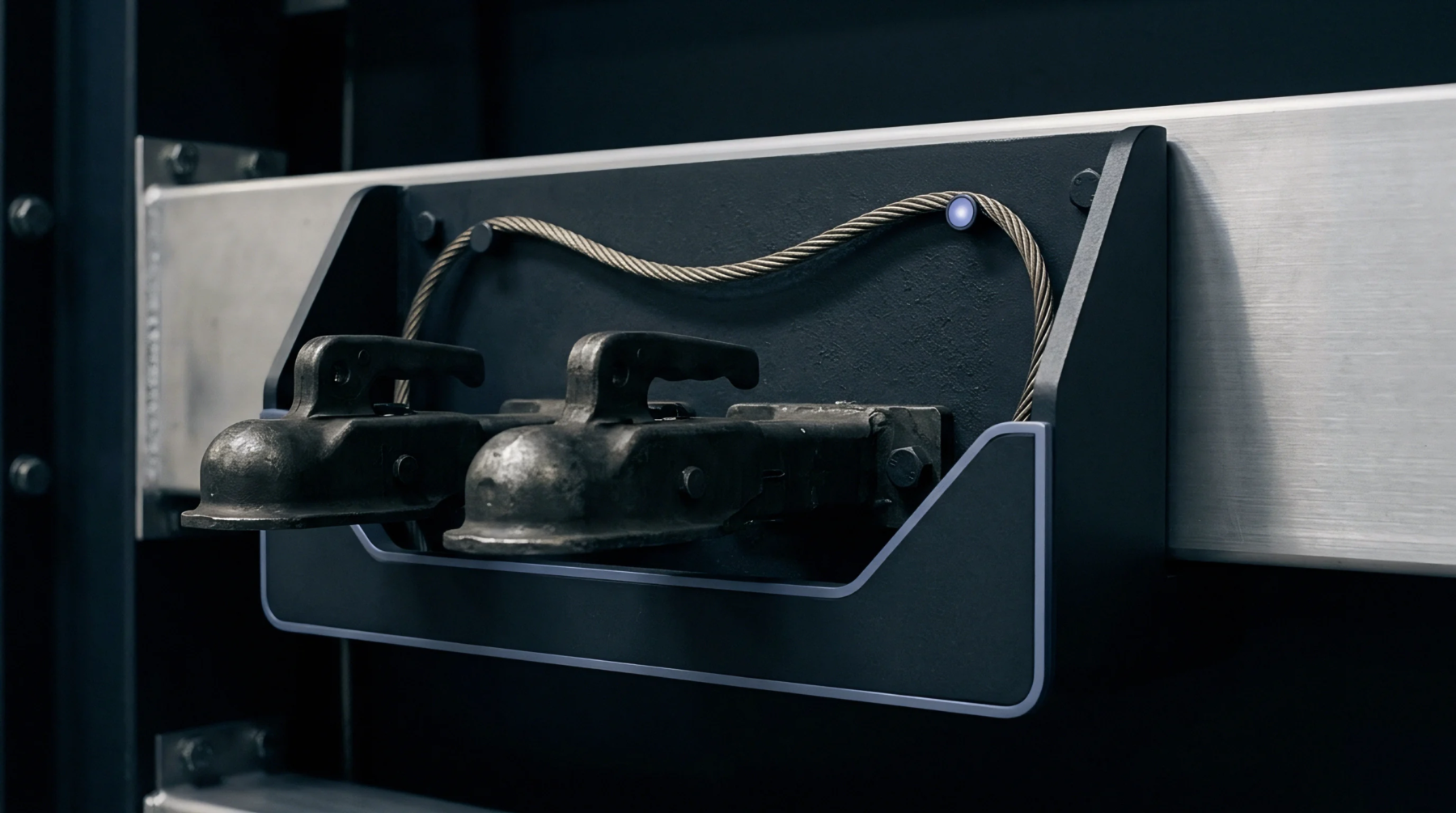
Non-Newtonian resin flow inside thin prepreg micro-channels governs void formation, trace displacement, and dielectric thickness stability during high-pressure lamination.
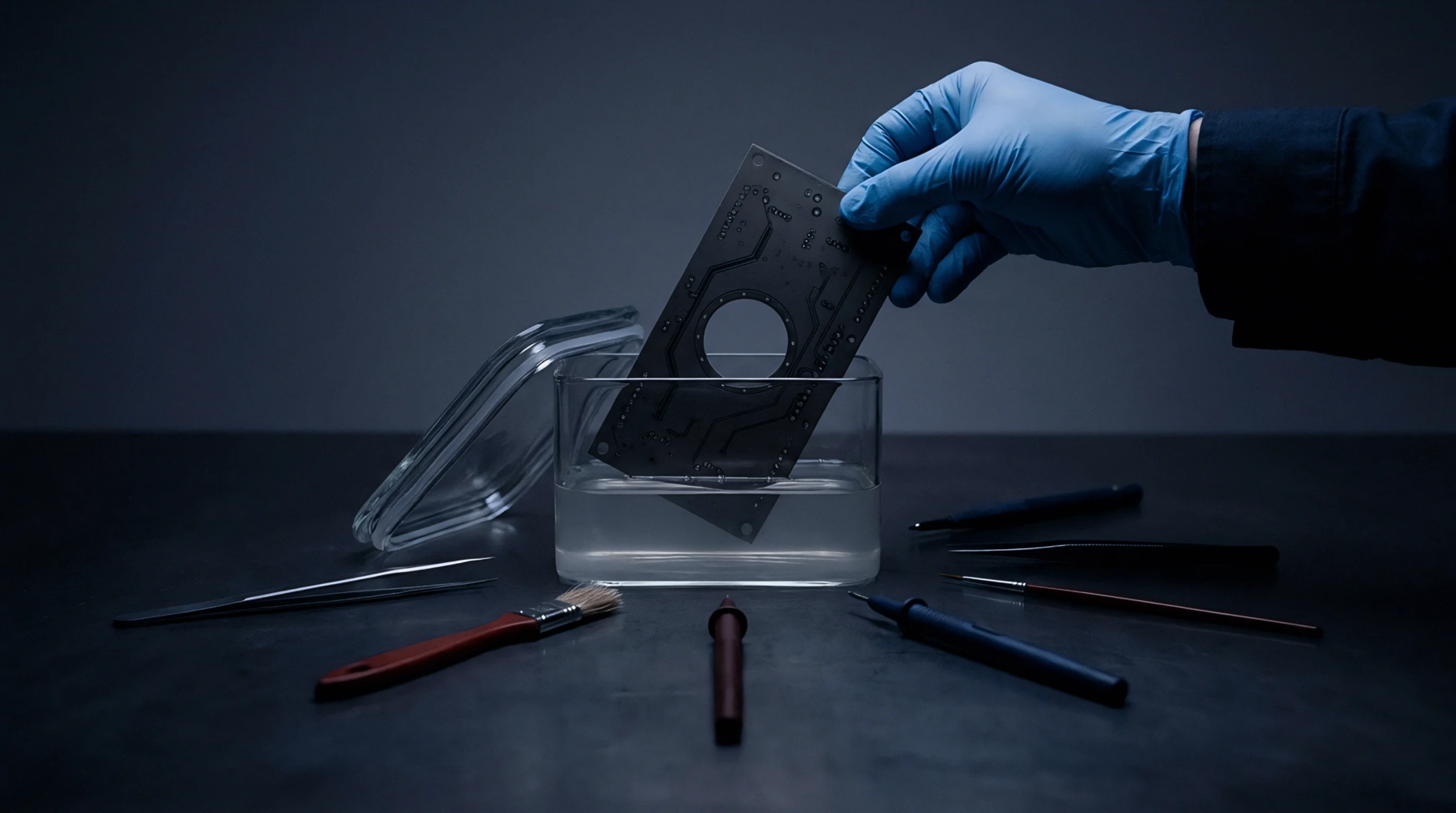
Viscoelastic boundary slip and capillary pressure dictate microvia filling and trace stability during high-density circuit board lamination.
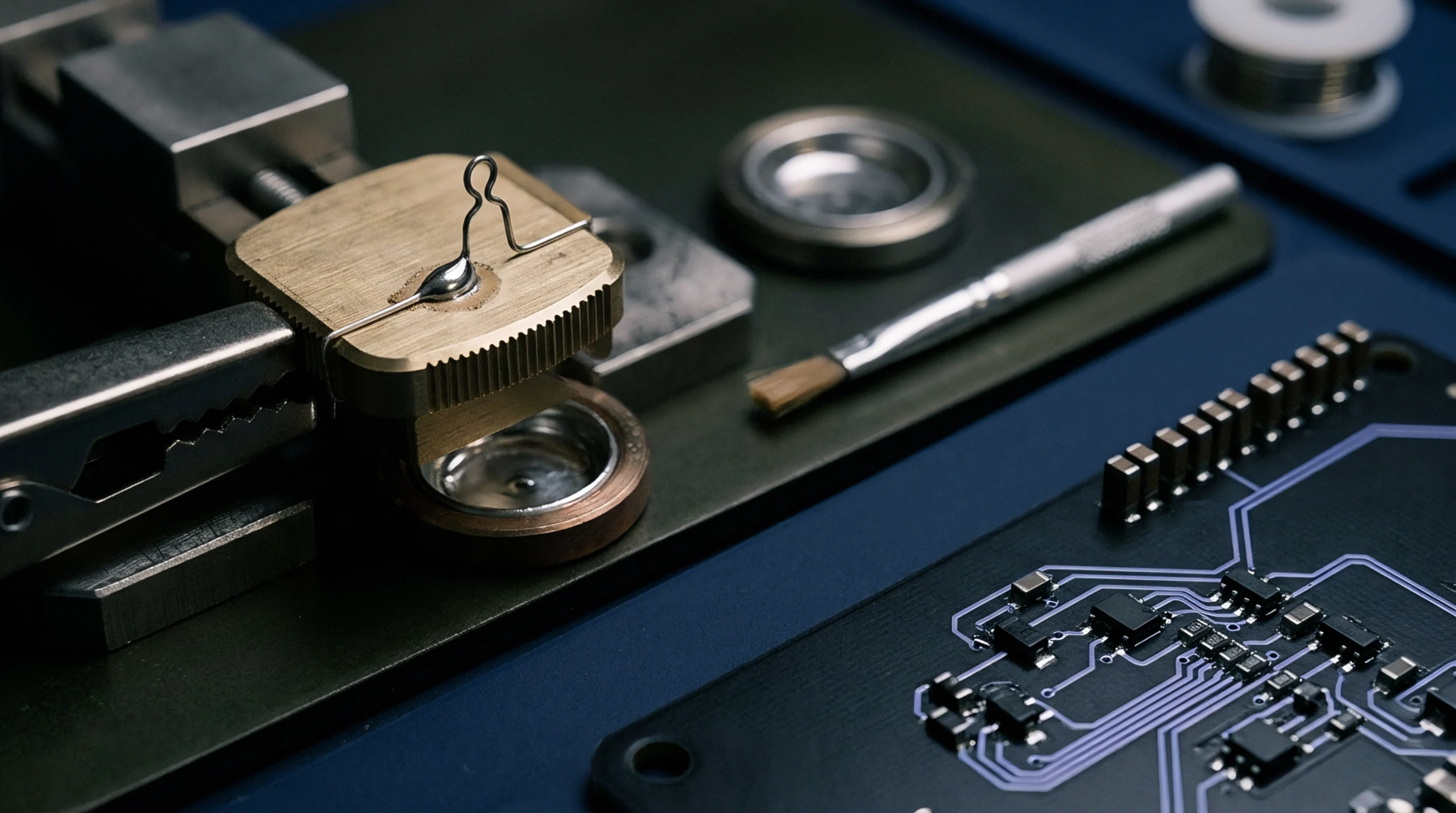
Non-destructive quasi-optical characterization captures true millimeter-wave permittivity tensors, preventing costly phase velocity errors before lamination.
Expertise is a utility, not a secret. sentiention™ publishes its working knowledge as open reference: intelligence layer covering the materials it sources, the markets it enters, and the reference that serves both.