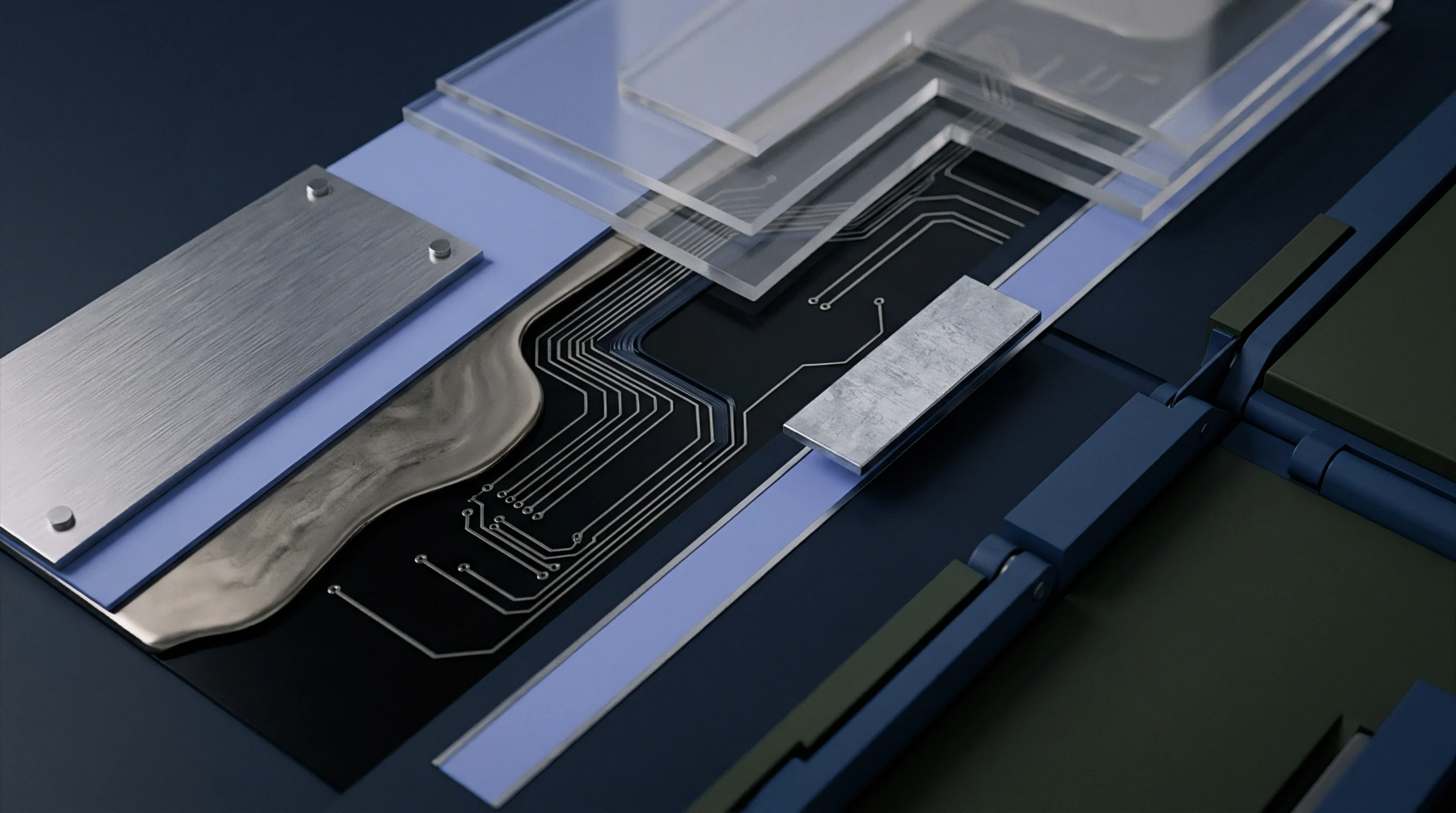
Evaluating Spread Prepreg Styles for Timing Jitter Reduction in PAM4 Signal Lines
Spread prepreg styles flatten glass yarns to eliminate dielectric window voids, reducing differential phase skew below 1.5 ps per inch in PAM4 signal lines.
Spread prepreg styles flatten glass yarns to eliminate dielectric window voids, reducing differential phase skew below 1.5 ps per inch in PAM4 signal lines.
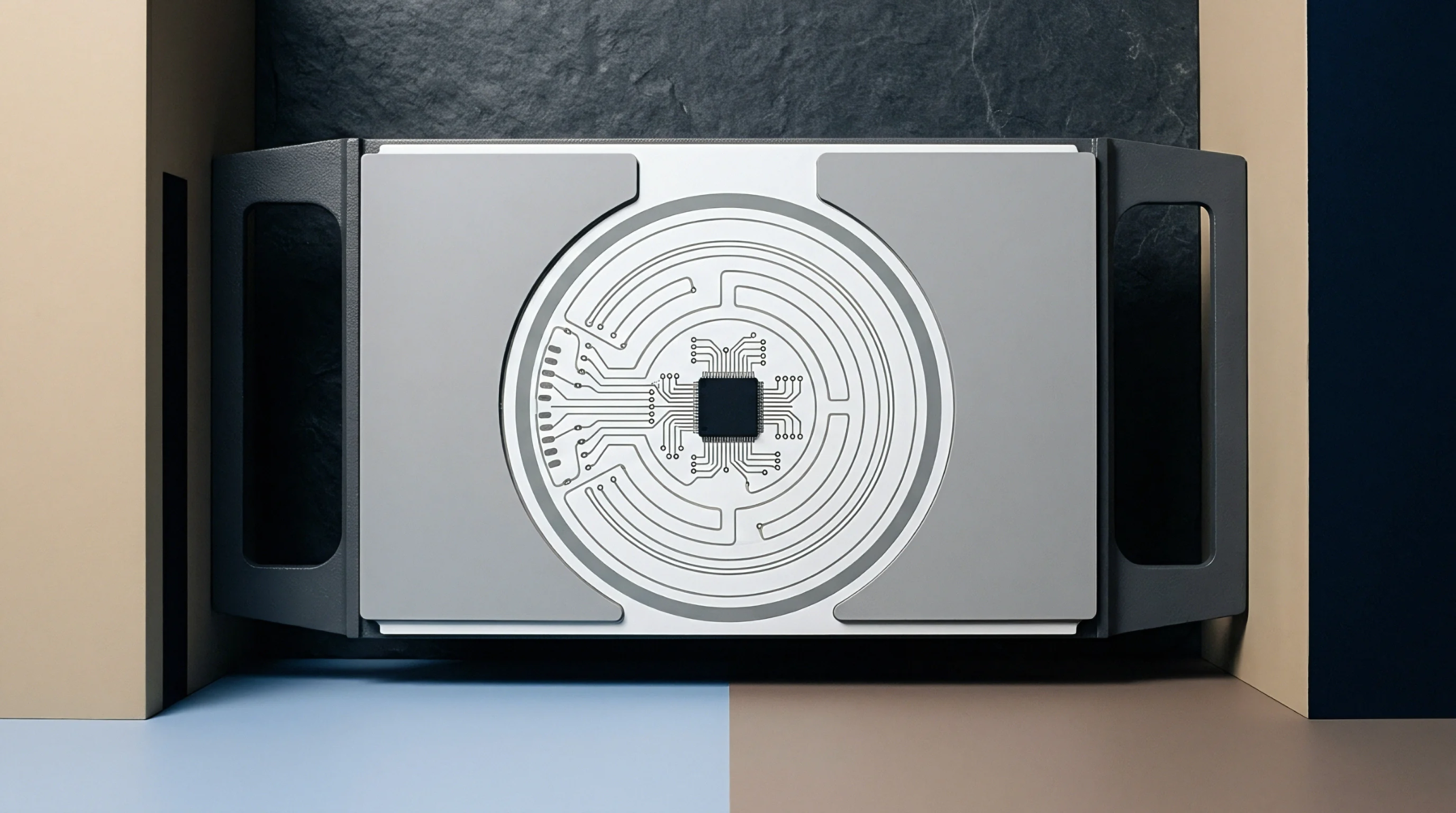
Glass weave skew causes intra-pair phase delay in high-speed differential pairs, requiring spread glass, dual-ply prepreg, or off-axis panel rotation.
Standard test coupon layouts place structural patterns in panel frame gutters to verify microsection plating and trace impedance without sacrificing yield.
Predict anisotropic sub-core shrinkage by coupling glass yarn orientation with etched copper density across logarithmic decay models for each thermal pass.
Capture pad size equals laser diameter plus twice the root-sum-square of tool, drill, and lamination movement tolerances.
Controlling HDI registration vectors demands balancing core dimensional shrinkage, LDI grid warping, and stackup symmetry to prevent microvia pad breakout.

Sequential lamination densifies HDI glass fabric, increasing out-of-plane dielectric constant and driving trace impedance below calculated line targets.

Spread glass prepregs eliminate dielectric permittivity gaps across differential traces, suppressing signal skew below 1 ps/inch in 112G PAM4 stackups.

Dielectric characterization methods determine in-circuit signal velocity by accounting for test fixture field structure, glass anisotropy, and copper surface roughness.
Microvia interface mechanics dictate that thermal cycling drives out-of-plane dielectric expansion, inducing shear failure at contaminated target pad boundaries.

Non-linear shear modeling predicts accumulated plastic strain at microvia target pads during sequential lamination, preventing assembly reflow failures.
Registration loss in sequential rigid-flex panels stems from polyimide shrinkage and resin hydraulic shift, requiring X-ray target scaling to hold annular ring yield.

Rigid-flex stackup selection replaces failure-prone discrete connectors with continuous polyimide trace runs, trading lower bare-board cost for reliability.
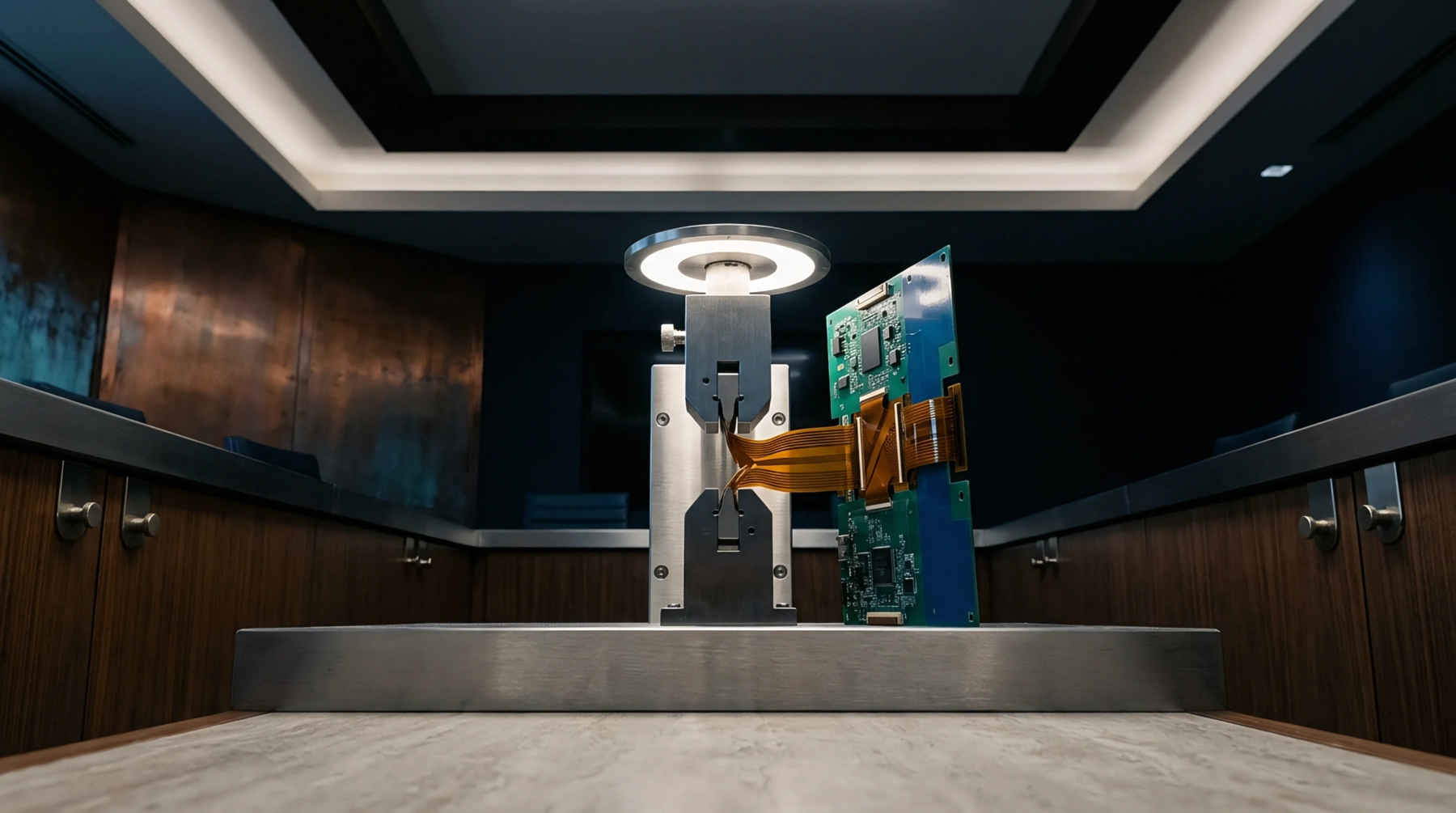
Anisotropic tensor creep models prevent layer misregistration and microvia failure by accounting for glass weave shear strain under reflow thermal cycles.
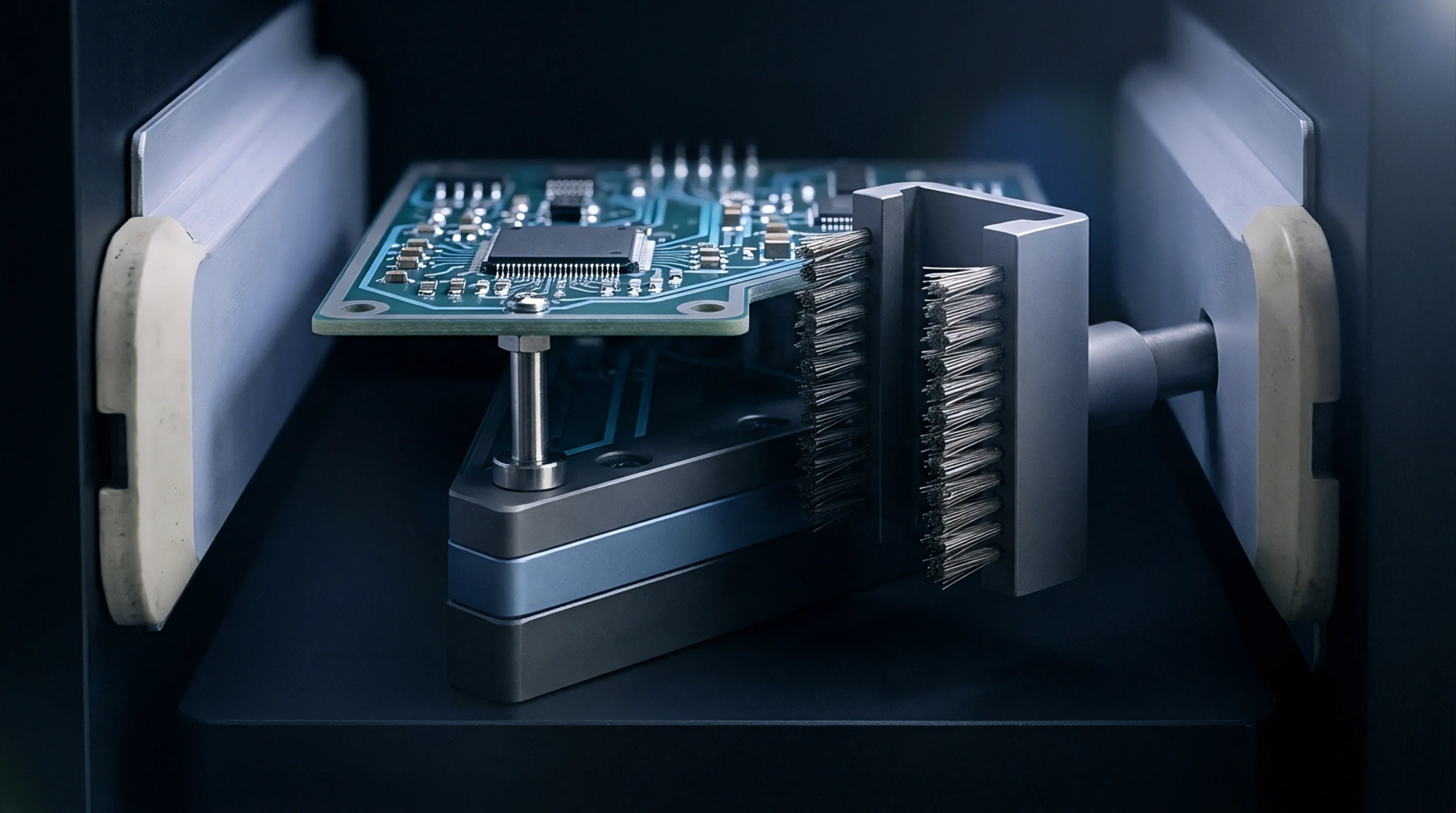
Split post cavity resonance measures in-plane substrate permittivity; z-axis core corrections prevent multi-ohm stripline impedance errors on woven glass panels.
Optimizing inner layer registration requires balancing thermal expansion tolerances through four-slot pinning while managing prepreg viscosity windows under staged pressure.

ENIG guarantees 24-month solderability for staggered assembly runs, while OSP degrades beyond six months unless stored in vacuum-sealed moisture barrier bags.
Reconciling edge coupon TDR and plating data with interior HDI circuitry demands empirical compensation factors for electroplating current and etch rates.
Semi-additive yield depends on seed layer adhesion, lithographic trench verticality, and differential etch undercut control across sequential build-up layers.
Mitigate sub-core microvia target pad delamination by enforcing eighteen-micrometre foils, controlled microetching, and staggered layout architectures.
Precise thermal ramp and platen pressure sequencing optimize resin viscosity windows to eliminate voids, core wash, and dielectric drift in ultrathin multilayers.
Parallel plate capacitance testing extracts packaging core permittivity from 100 Hz to 1 GHz by applying guarded electrodes to etched, preconditioned coupons.
Controlled impedance tolerance analysis maps resin content, foil roughness, and etch factors through RSS models to set yield-optimized fab drawing notes.

High bandwidth TDR isolates sub picosecond differential phase skew on test coupons to prevent glass weave induced mode conversion in high speed channels.
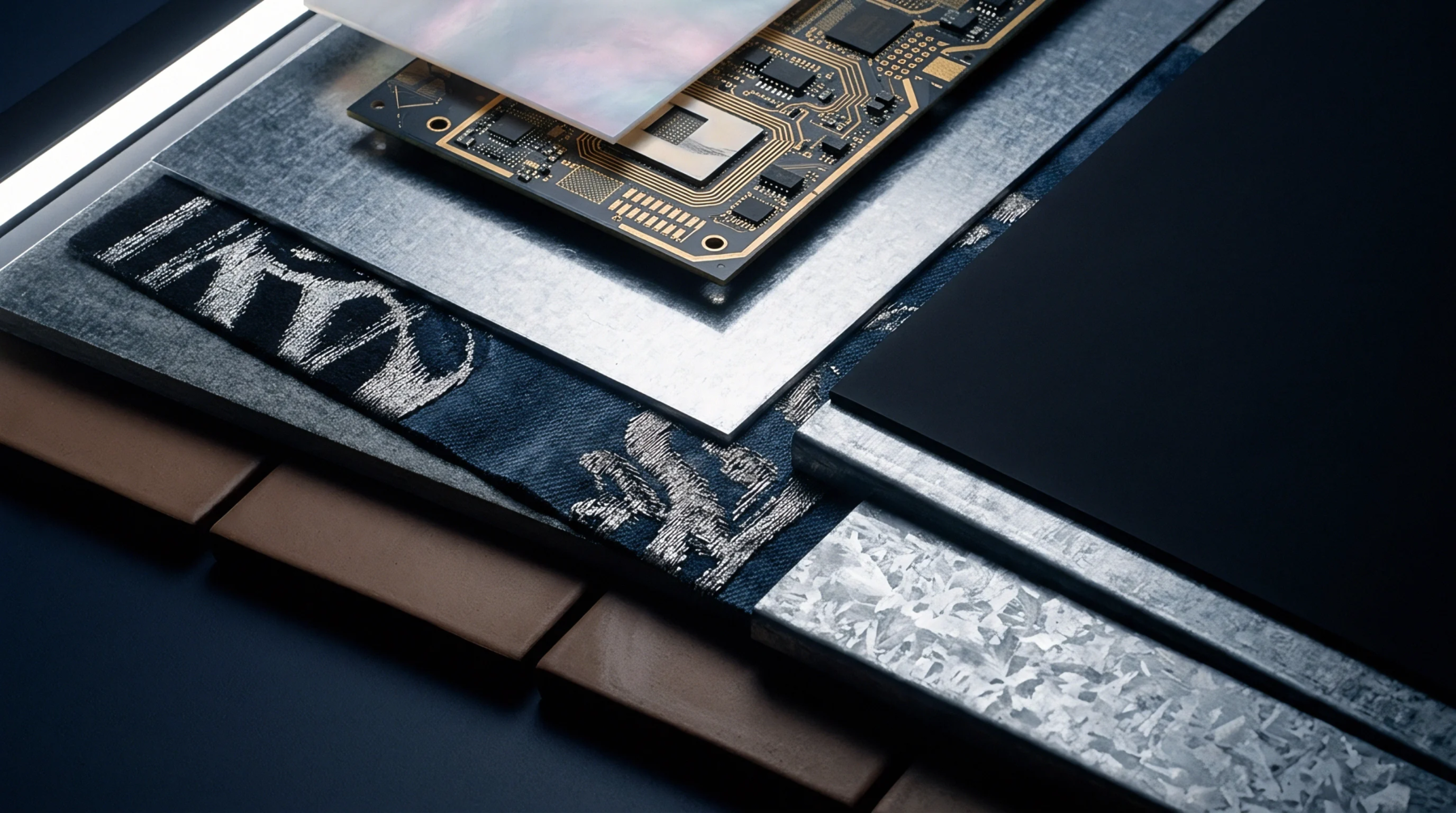
Calculate usable circuits per master production panel and subtract outer border clearances before negotiating bare board unit prices with fabricators.
Evaluating laminate glass weave anisotropy requires specifying mechanically spread low-Dk glass styles and off-axis trace routing to eliminate spatial phase skew.
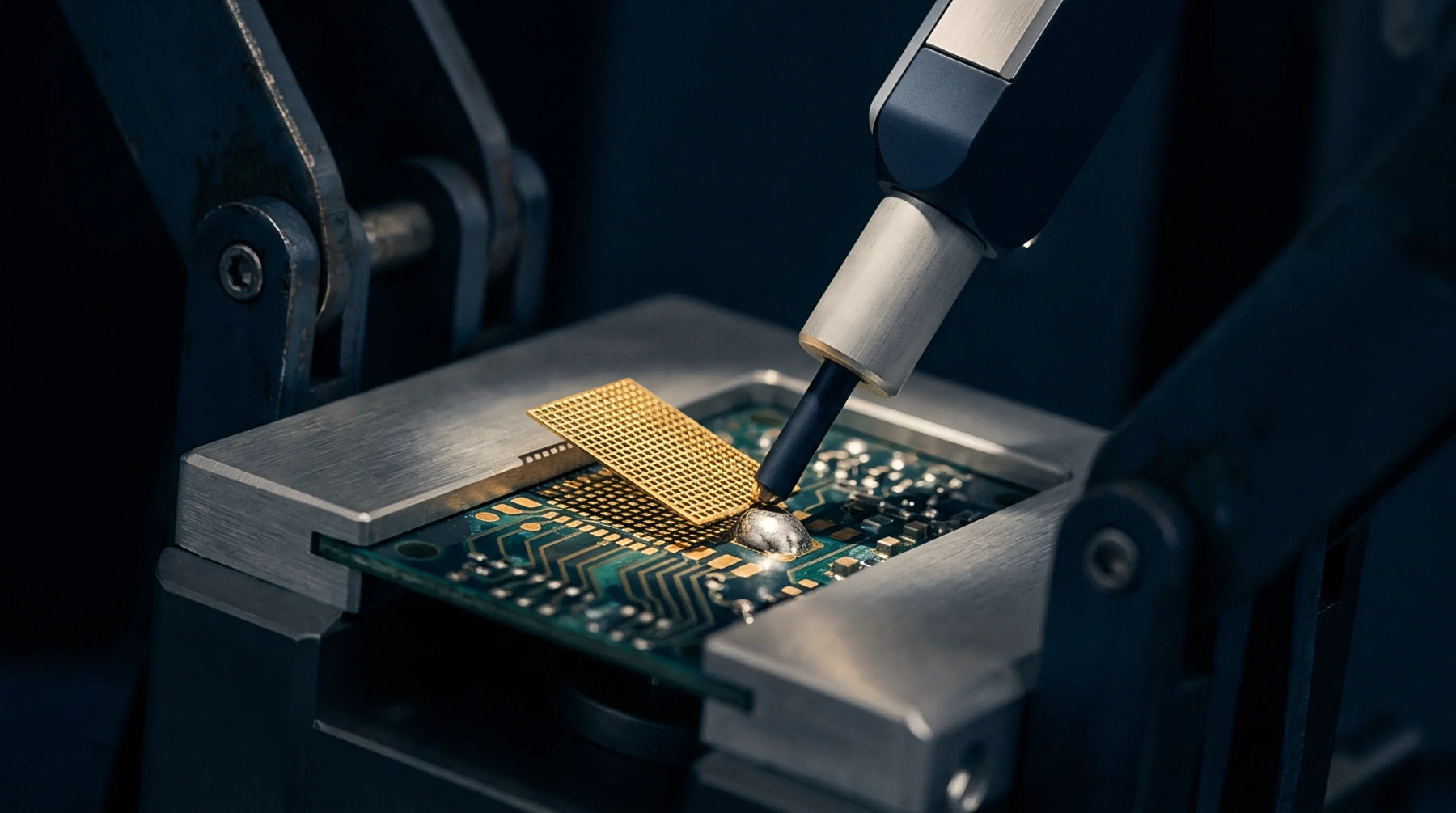
Non-isothermal lamination gradients drive spatial resin displacement across uneven copper patterns, distorting local dielectric thickness and shifting high-frequency relaxation spectra.
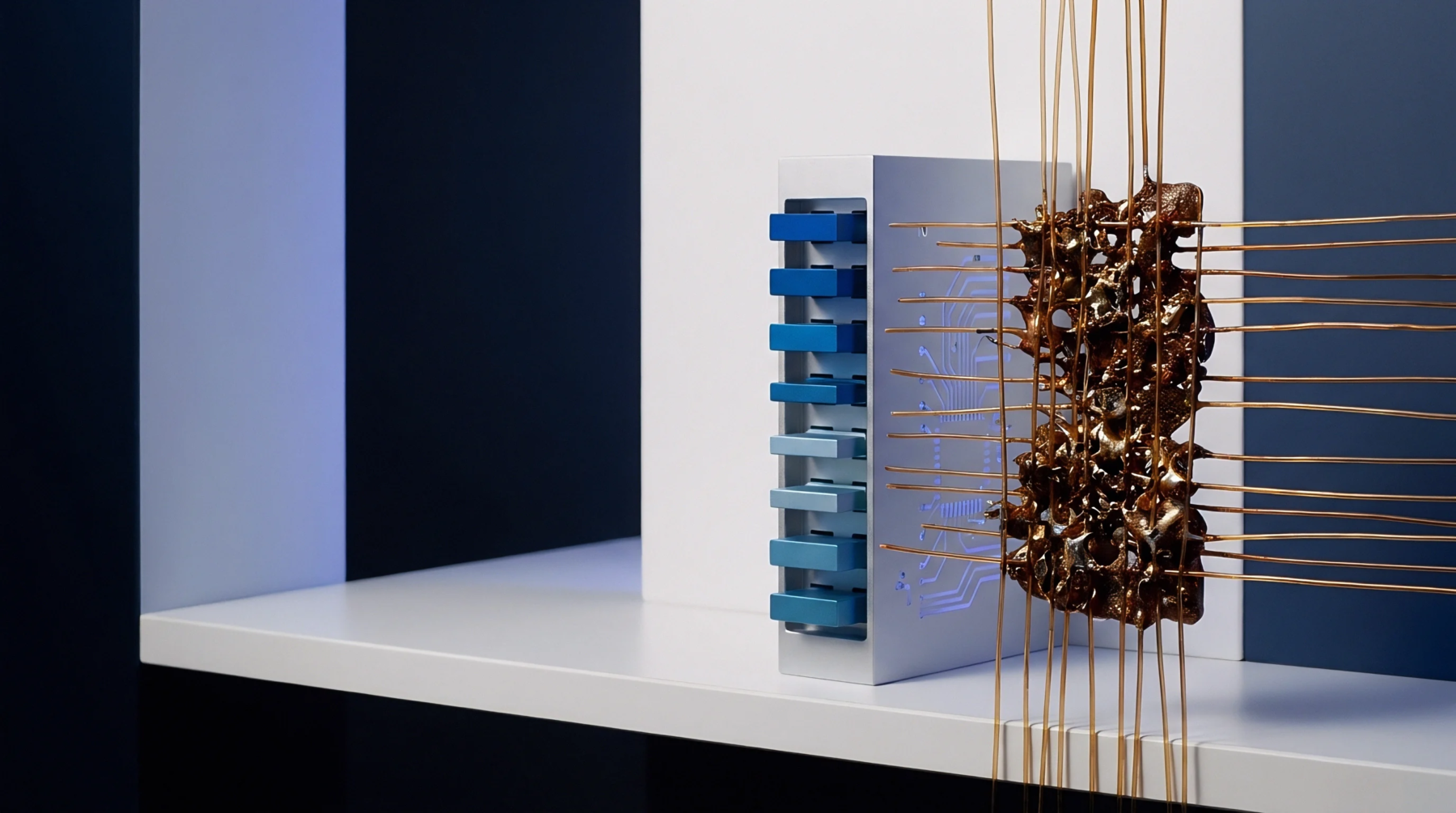
Inverting sub-terahertz dielectric tensors requires decoupling core micro-fracture damage from copper roughness spectral density to preserve phase velocity.
Anisotropic dielectric tensor modeling eliminates up to 8 ohm trace impedance errors and timing skew in high speed package substrates compared to isotropic models.
Sub-30 micron trace edge setback elevates high-frequency line impedance by reducing surface capacitance, requiring mSAP processing or precise solver inputs to hold tight 5% tolerances.
Expertise is a utility, not a secret. sentiention™ publishes its working knowledge as open reference: intelligence layer covering the materials it sources, the markets it enters, and the reference that serves both.