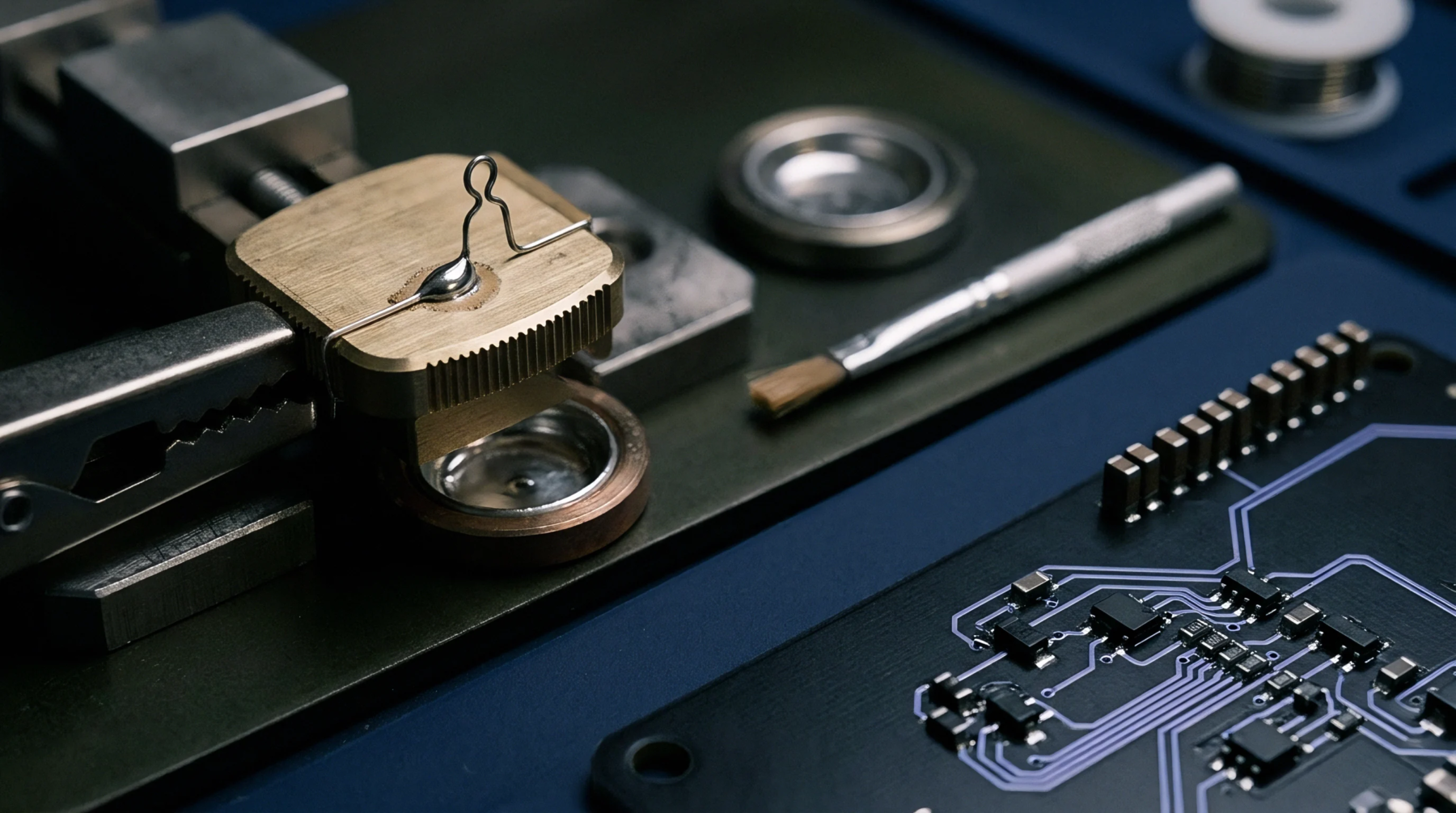
Statistical Registration Tolerance Stacking and Annular Ring Breakout Limits
Statistical registration stacking balances drill wander and core movement, defining annular ring limits that protect Class 3 reliability and production yield.
Statistical registration stacking balances drill wander and core movement, defining annular ring limits that protect Class 3 reliability and production yield.

Dynamic platen displacement mapping isolates thermal bowing across press openings to halt position-dependent dielectric variance and layer registration loss.
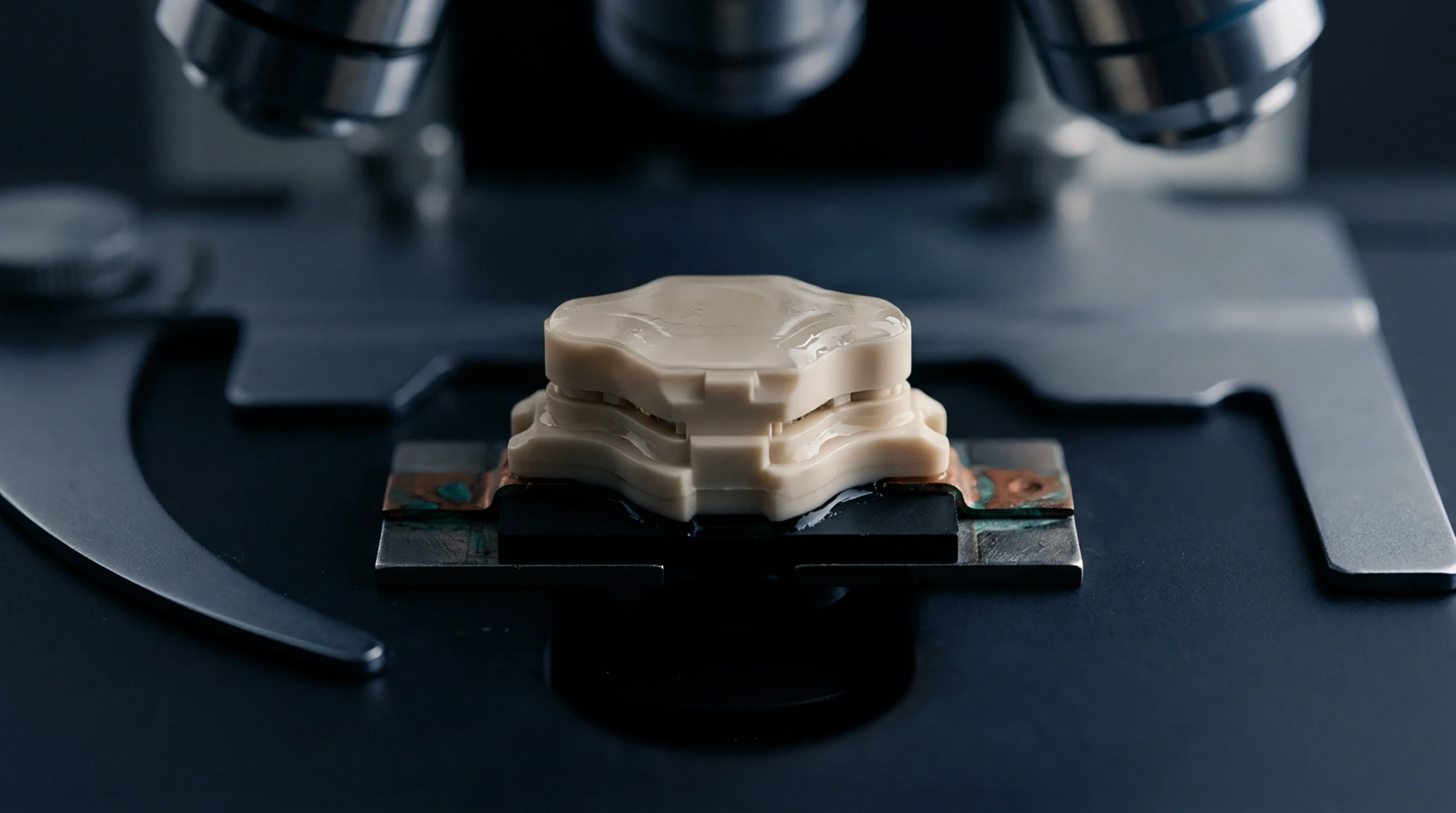
Model anisotropic permittivity tensor drift across every lamination cycle to prevent multi-degree phase velocity errors and panel scrap above 30 GHz.

Optimize modified semi-additive interconnects by balancing thin seed thickness against flash etch undercut to preserve conductor geometry and panel yield.
Spatial dielectric variation across organic package cores causes differential phase skew and impedance ripple, requiring spread glass and strict panel-level metrology.
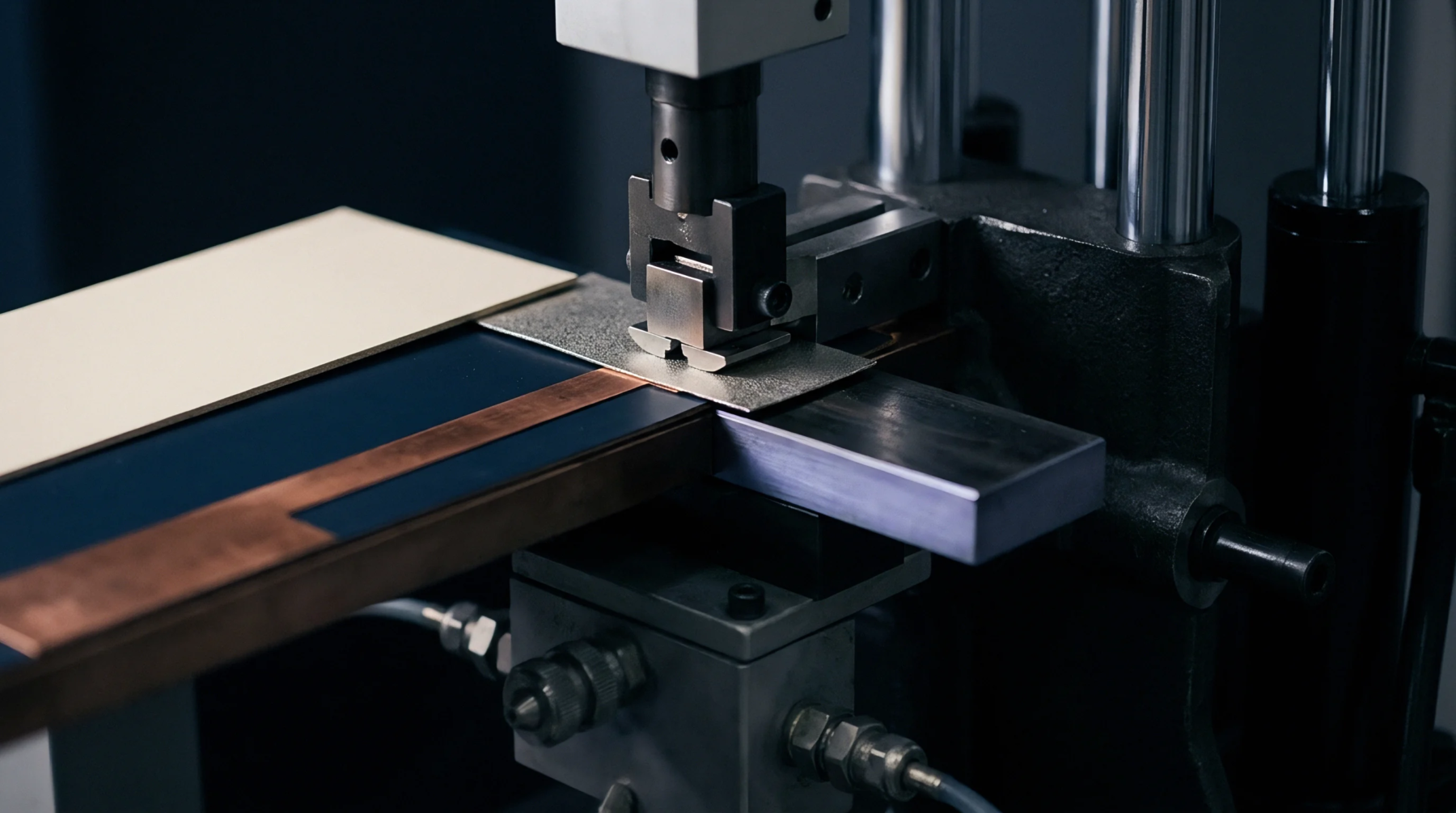
Sub-30 micron trace edge setback elevates high-frequency line impedance by reducing surface capacitance, requiring mSAP processing or precise solver inputs to hold tight 5% tolerances.

Sub-millimeter wave performance in quartz-fluoropolymer laminates depends on controlling anisotropic dielectric tensors and sealing interfacial moisture diffusion paths.

Multilayer PCB lamination relies on managing dynamic resin viscosity and glass fabric permeability to fill copper features without starving dielectric layers.
Expertise is a utility, not a secret. sentiention™ publishes its working knowledge as open reference: intelligence layer covering the materials it sources, the markets it enters, and the reference that serves both.