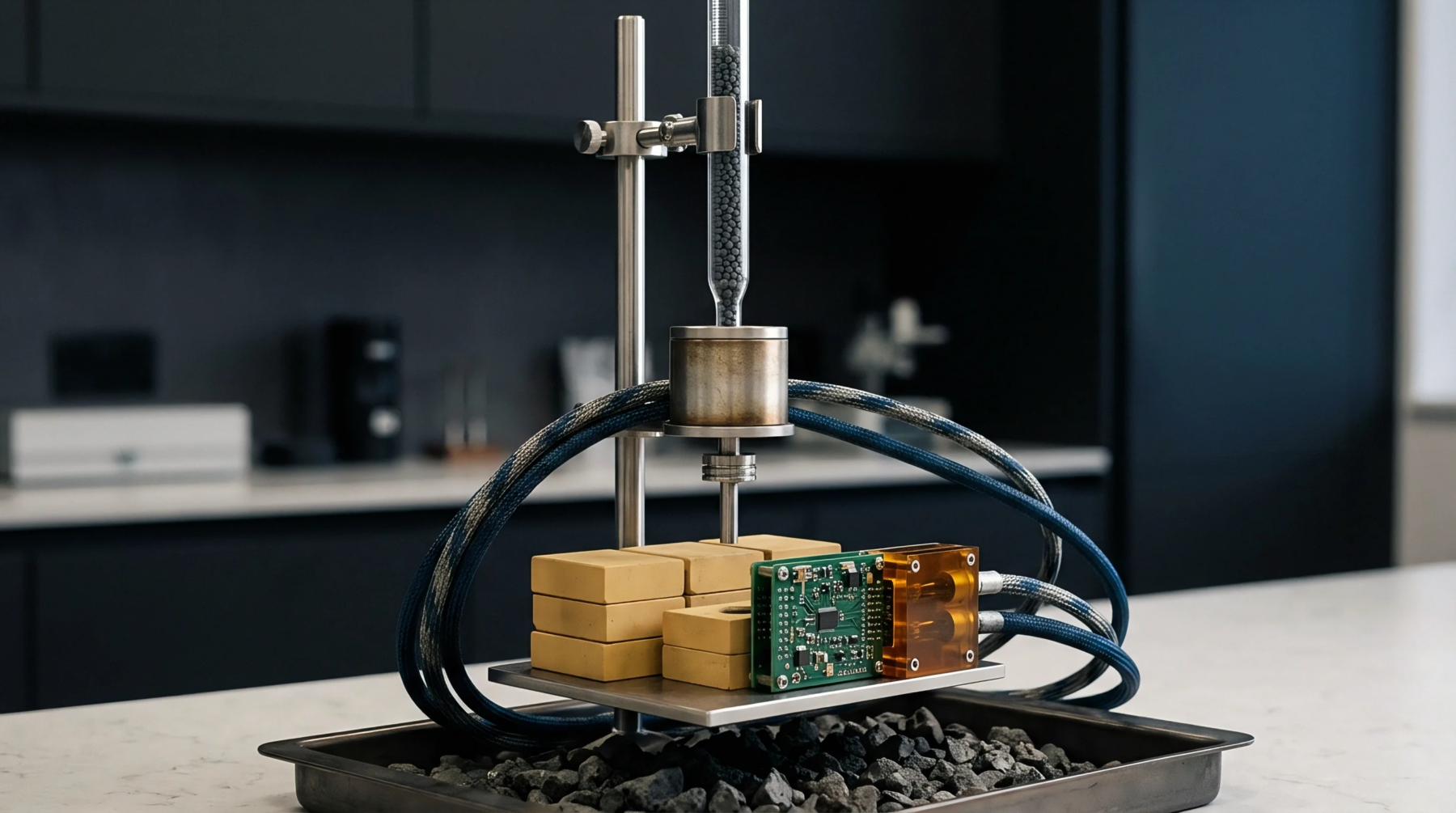
False Call Rates That Decide Whether AOI Earns Its Place
AOI earns its place on an SMT line only when false calls stay below 200 PPM, preventing operator fatigue and protecting manual retouch benches from destroying good joints.
AOI earns its place on an SMT line only when false calls stay below 200 PPM, preventing operator fatigue and protecting manual retouch benches from destroying good joints.

X-ray inspection coverage requires precise calibration of tomographic slice thickness and algorithmic gray-level thresholds to detect hidden solder voids and opens.

Contractual first-article approval requires binding solder volume maps, 5-point profile logs, X-ray void limits, and clear downtime liability terms.

Setup hours in small batch assembly represent fixed feeder loading, stencil alignment, and inspection programming costs that dominate unit landed pricing.
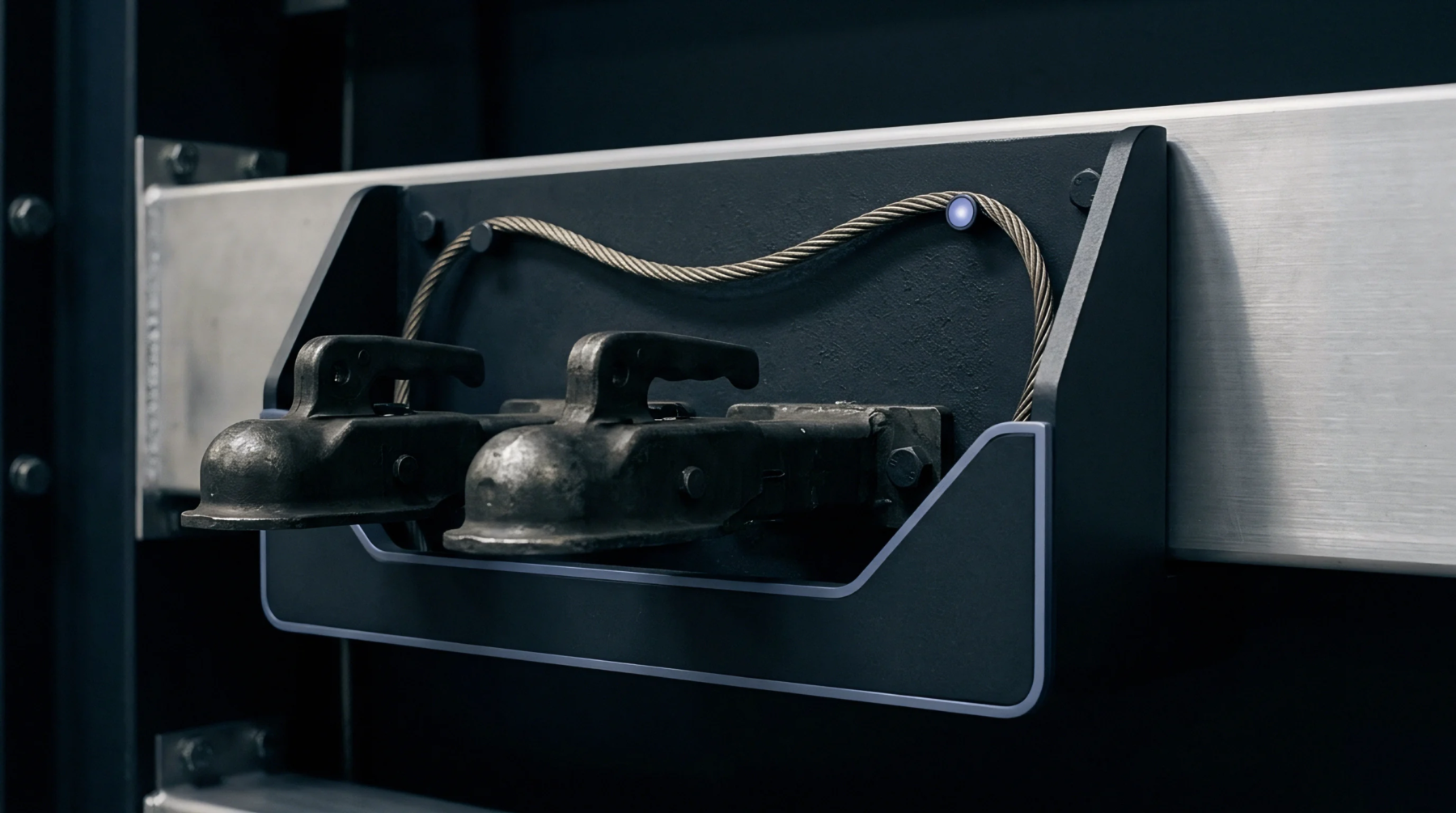
Solder mask gloss shifts distort automated optical inspection light scattering, generating false defect calls that drop assembly line throughput.

Lead-free alloy attenuation shifts require recalibrating X-ray tube parameters and grey-scale thresholds to ensure accurate void measurement and line yield.
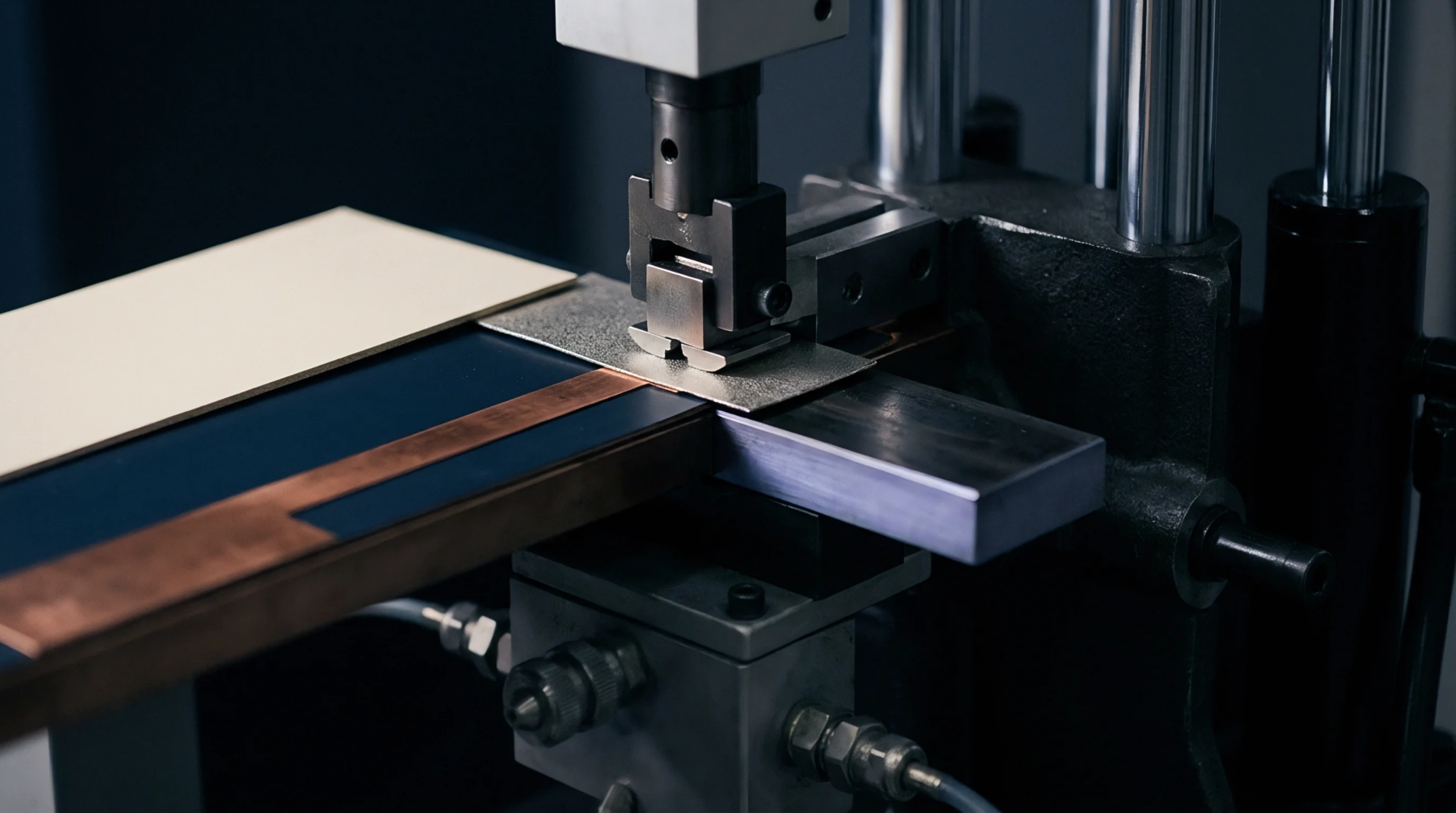
Class 3 line qualification demands paste measurement, thermal profiling, microsection verification, and first-article sign-off before production release.

Component placement and soldering quality depend on stencil aperture ratios above 0.66, vision placement accuracy under 25 microns, and controlled liquidus reflow profiles.

Selective soldering relies on precise preheat baselines, controlled exit trajectories, and high nitrogen purity to achieve Class 3 barrel fill without thermal damage.

Calibrating tomosynthesis gantries using multi-plane grid phantoms stabilizes z-slice registration, eliminating false solder voids in dense arrays.

Hidden interconnect defects escape visual inspection, requiring explicit contract terms that redefine acceptance windows and enforce 3D laminography profiling.

SMT setup delays, component scrap overages, and rework thermal damage are governed by explicit contractual downtime tariffs, material allowances, and IPC inspection limits.

Optimal SMT yield requires matching paste shear-thinning rheology with stencil area ratios above 0.66 and reflow profiles holding peak temperatures within 5°C.
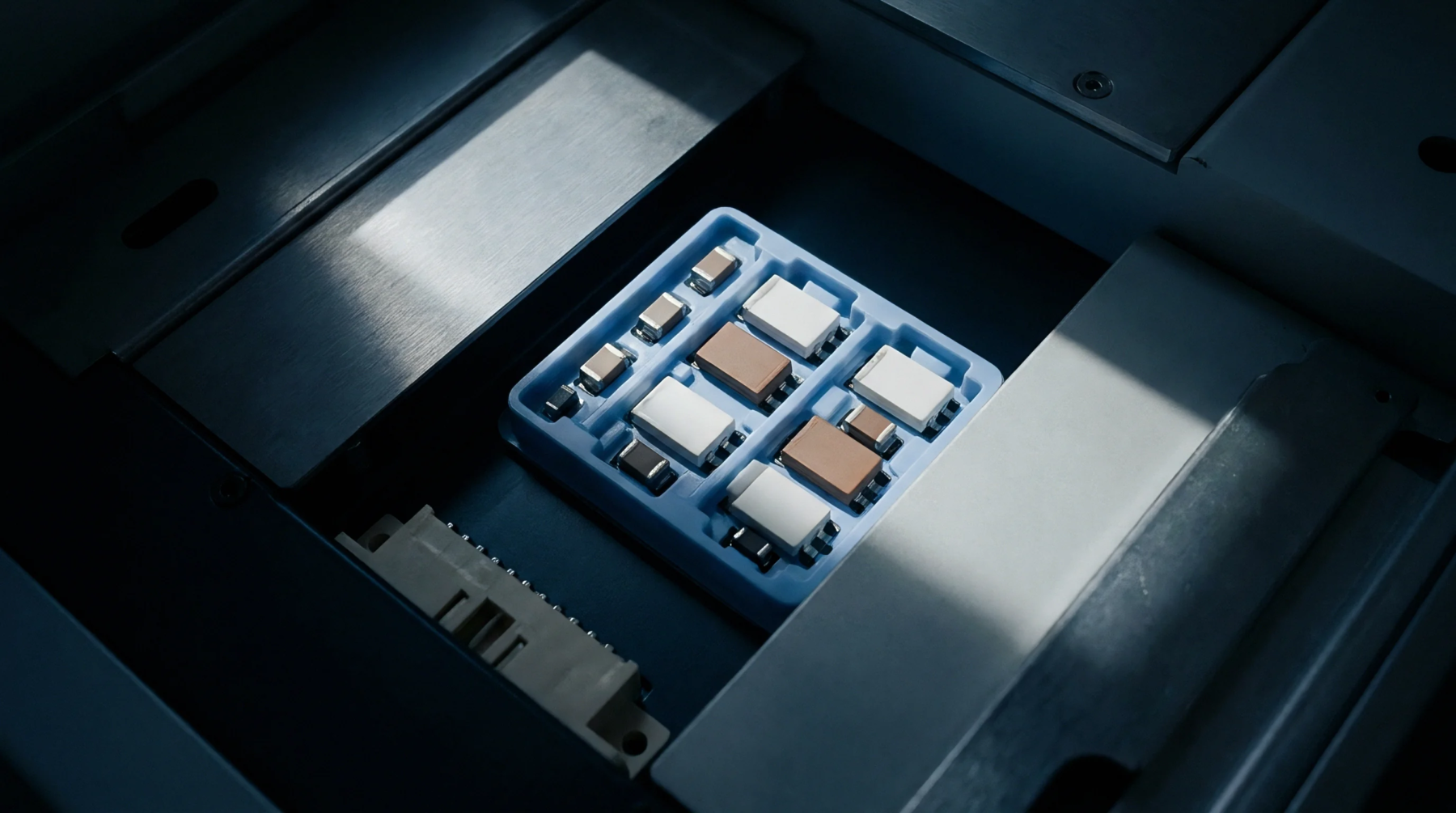
Prevent secondary reflow and component damage by enforcing clear keepout zones, utilizing machined composite shielding, and capping adjacent joint temperatures below 180°C.

Thermal deltas across fully loaded panels require profile soak expansion and localized copper balance to keep peak temperatures within a five degree window.

Split procurement saves component markup fees on high-cost ICs but demands strict kit audits, overage management, and clear contract defect attribution rules.
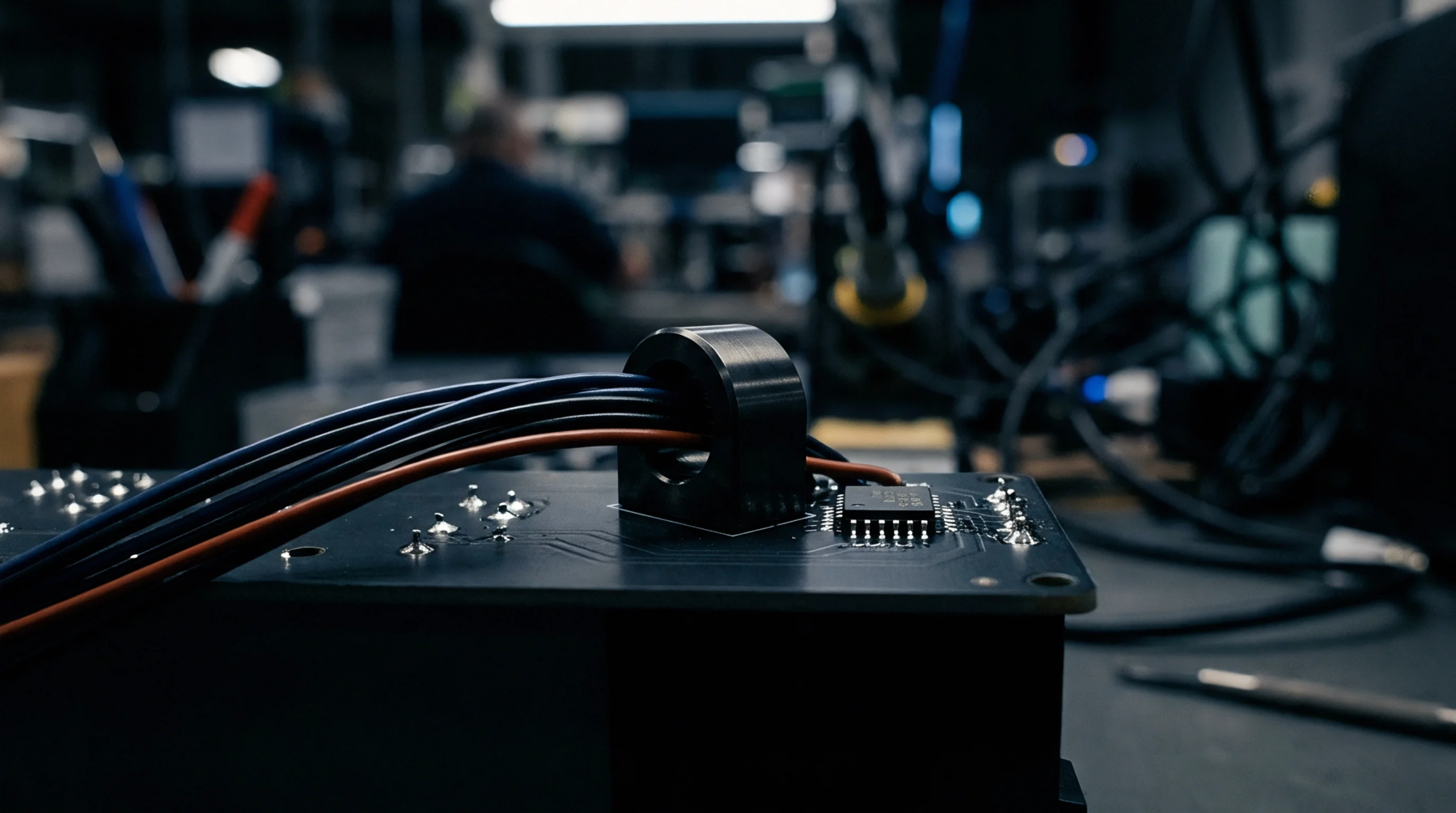
Opening moisture-sensitive parts before line release exposes components to ambient humidity, risking thermal delamination during reflow unless floor life is tracked and restored.
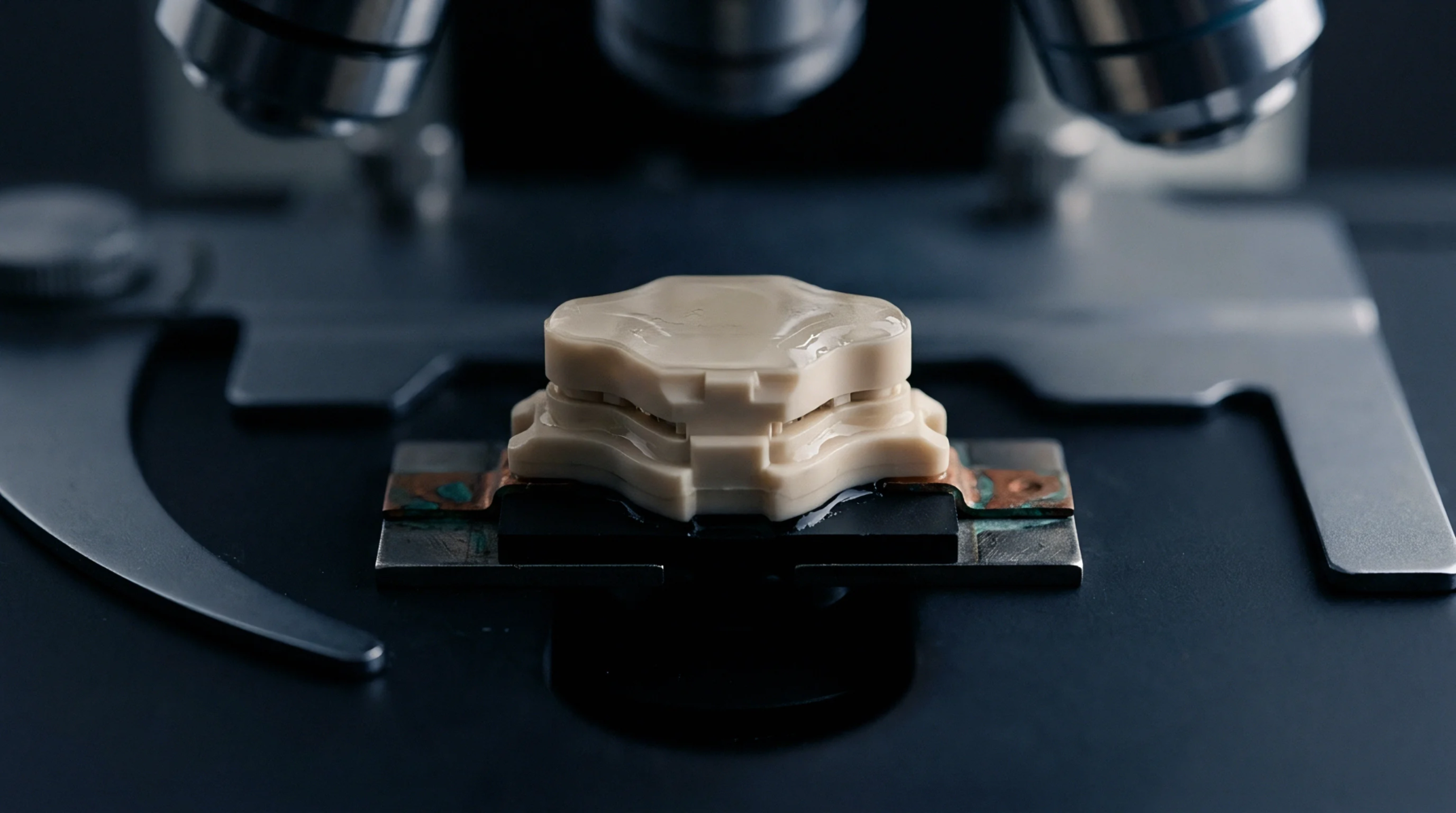
Selective solder process windows require matching top-side preheat above 110C with precise 3-second pin dwell times to achieve 75 percent Class 3 barrel fill.

Geometric calibration targets establish spatial scale and correct optical distortion, guaranteeing valid void and dimensional measurements in SMT X-ray inspection.
Unambiguous contract allocation caps assembly liability at process fees while tying thermal damage claims to independent coupon microsectioning evidence.

Optimize solder paste print volume and yield by maintaining area ratios above 0.66, controlling squeegee force, and verifying viscosity stability.
Selecting selective soldering tooling shields requires matching composite thermal resistivity against component clearance gaps to guarantee zero thermal damage.
Quantifying boundary layer collapse around high mass PCB features prevents thermal shadow defects through profile adjustments and targeted gas flow management.
Verify SMT solder paste batches using Malcolm rotational viscometry and 3ITT rheology to prevent stencil slump, fine-pitch bridging, and volume transfer loss.

Automated optical and X-ray line qualification holds enforce physical line stops, lot containment, and statistical re-proof before production can resume.
Optimizing barrel fill on high thermal mass boards requires thermal relief geometries, elevated topside preheat, and controlled alloy contact duration.

Thermal defect attribution in mixed consigned assembly requires combining profile logs, 3D X-ray data, and MSL handling records to split material and process liability.
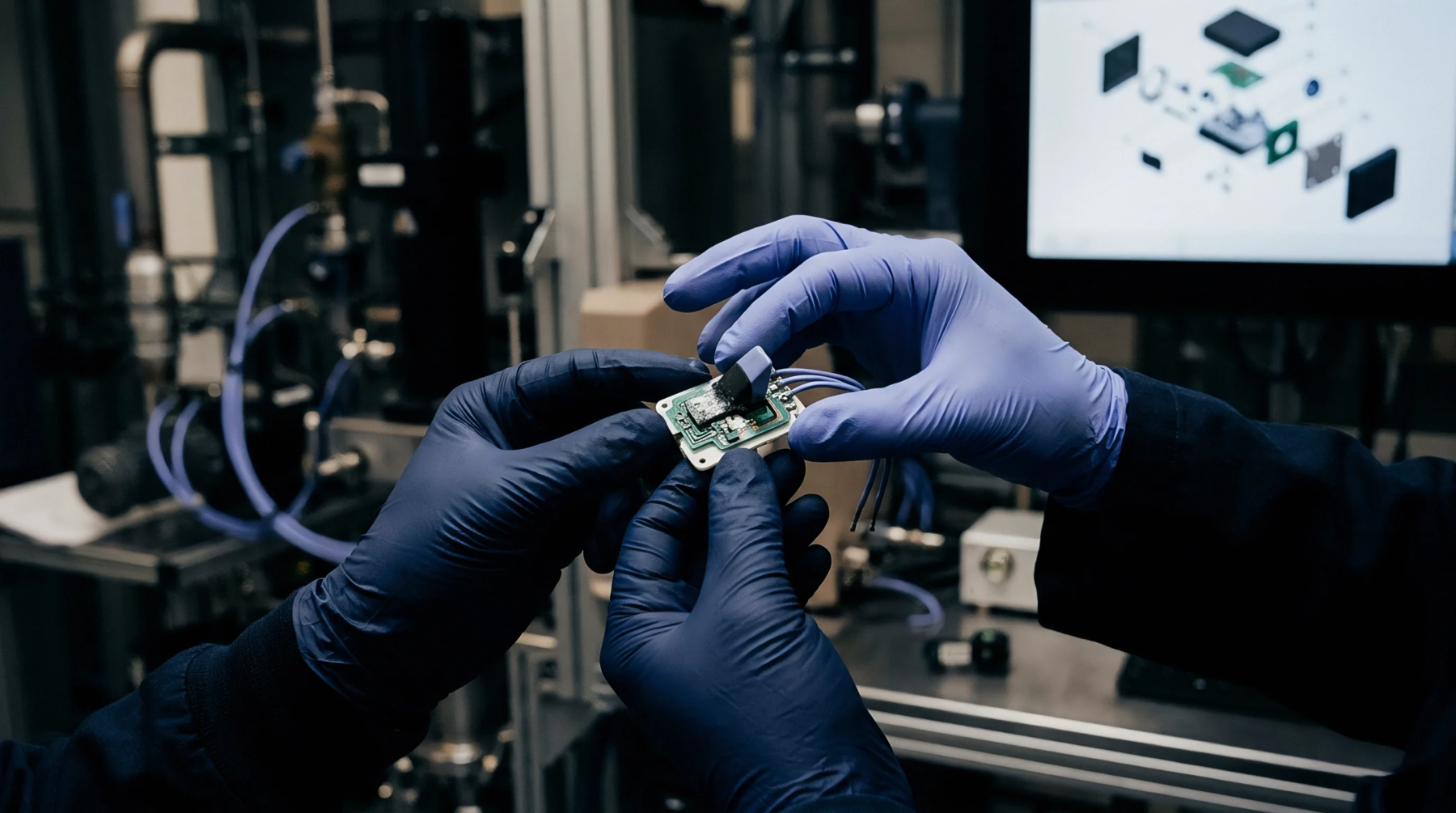
High frequency C-SAM detects post bake package delamination down to ten nanometer air gaps using acoustic phase inversion analysis.

Unequal copper board reflow requires soak zone extended thermal balancing to overcome boundary layer insulation and prevent localized pad cold joints.
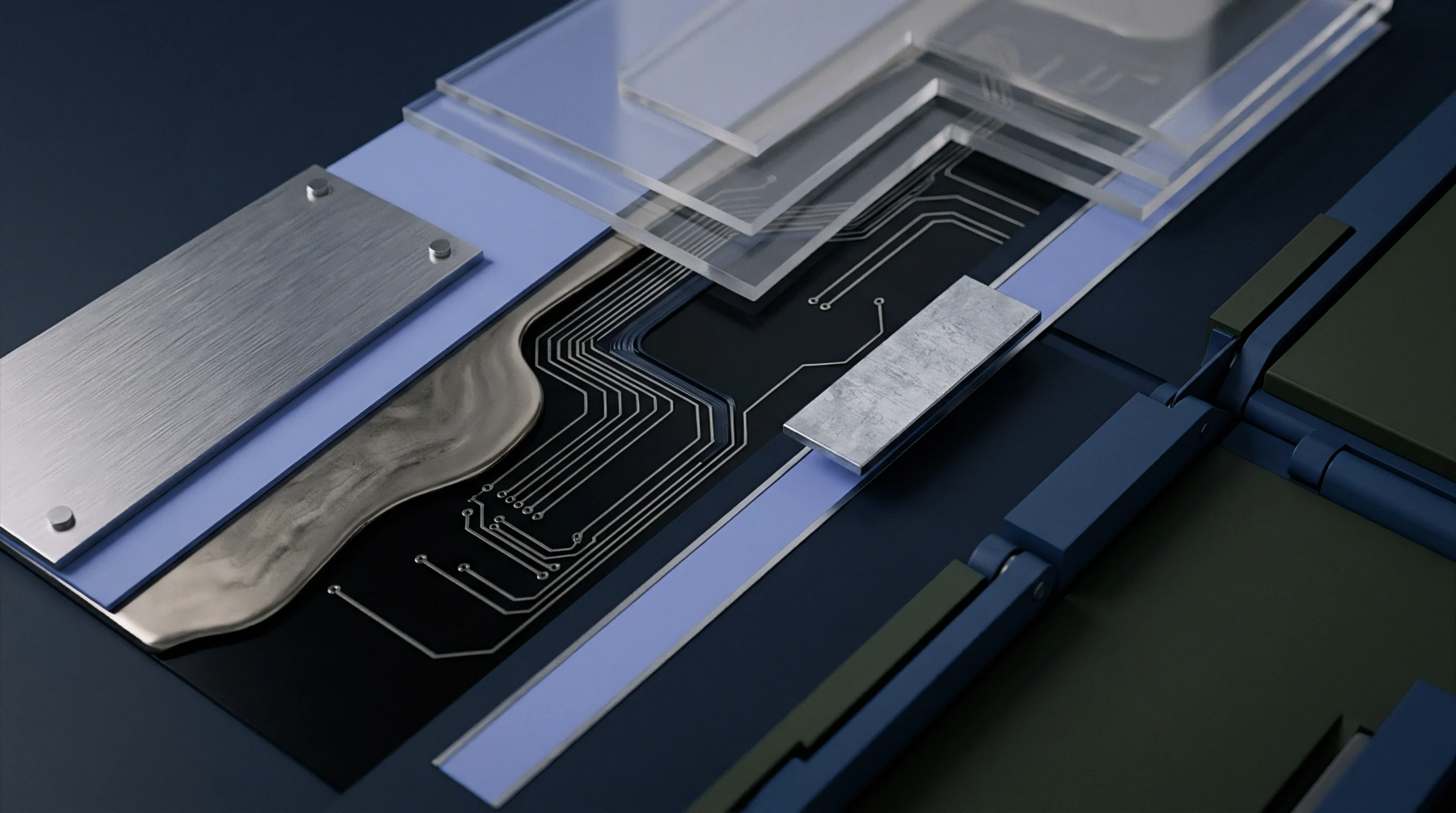
Exceeding component floor life limits risks catastrophic reflow popcorning; restore parts via J-STD-033 validated bake profiles before surface mount assembly.
Expertise is a utility, not a secret. sentiention™ publishes its working knowledge as open reference: intelligence layer covering the materials it sources, the markets it enters, and the reference that serves both.