
SMT Machine Vision Camera Calibration Procedures
Calibrating SMT machine vision optics requires traceable target glass, sub-pixel distortion matrices, and gantry vector offset correction.
Calibrating SMT machine vision optics requires traceable target glass, sub-pixel distortion matrices, and gantry vector offset correction.

Optical calibration using multi-height reticles corrects camera distortion to maintain 3D AOI spatial height accuracy under five micrometers across SMT builds.

Standardized optical calibration targets provide certified physical baselines to eliminate sensor magnification, distortion, and drift errors in fine pitch AOI.

DSC solvent evaporation endotherms set strict SMT preheat soak limits to clear high-boiling flux carriers before alloy reflow prevents joint voiding.
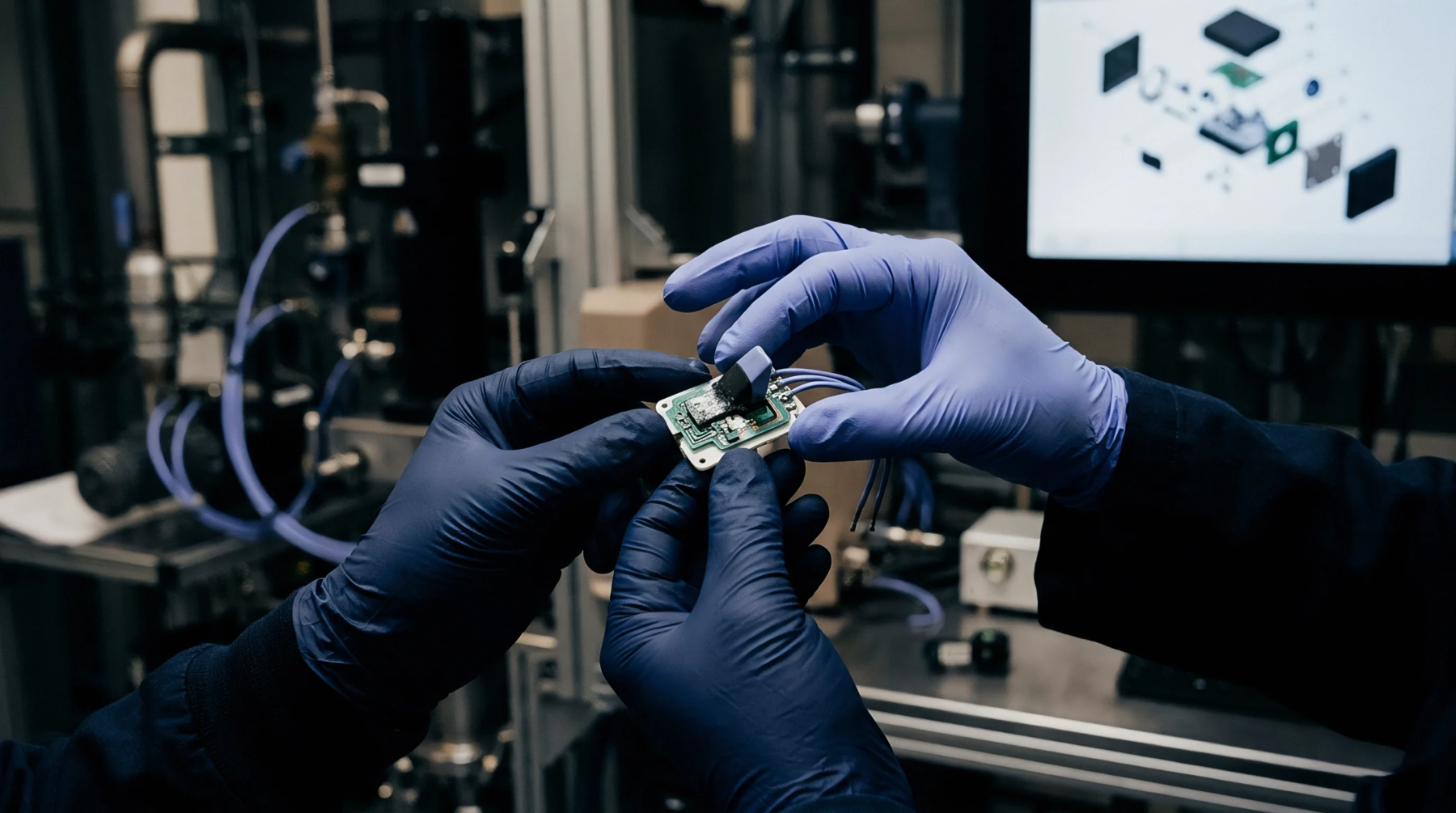
Thermogravimetric derivative mass loss peaks above liquidus reveal trapped volatile kinetics causing large area die voiding during reflow.

Isothermal solvent evaporation determination defines paste stencil life, rheological stability, and defect limits by tracking flux carrier loss over time.
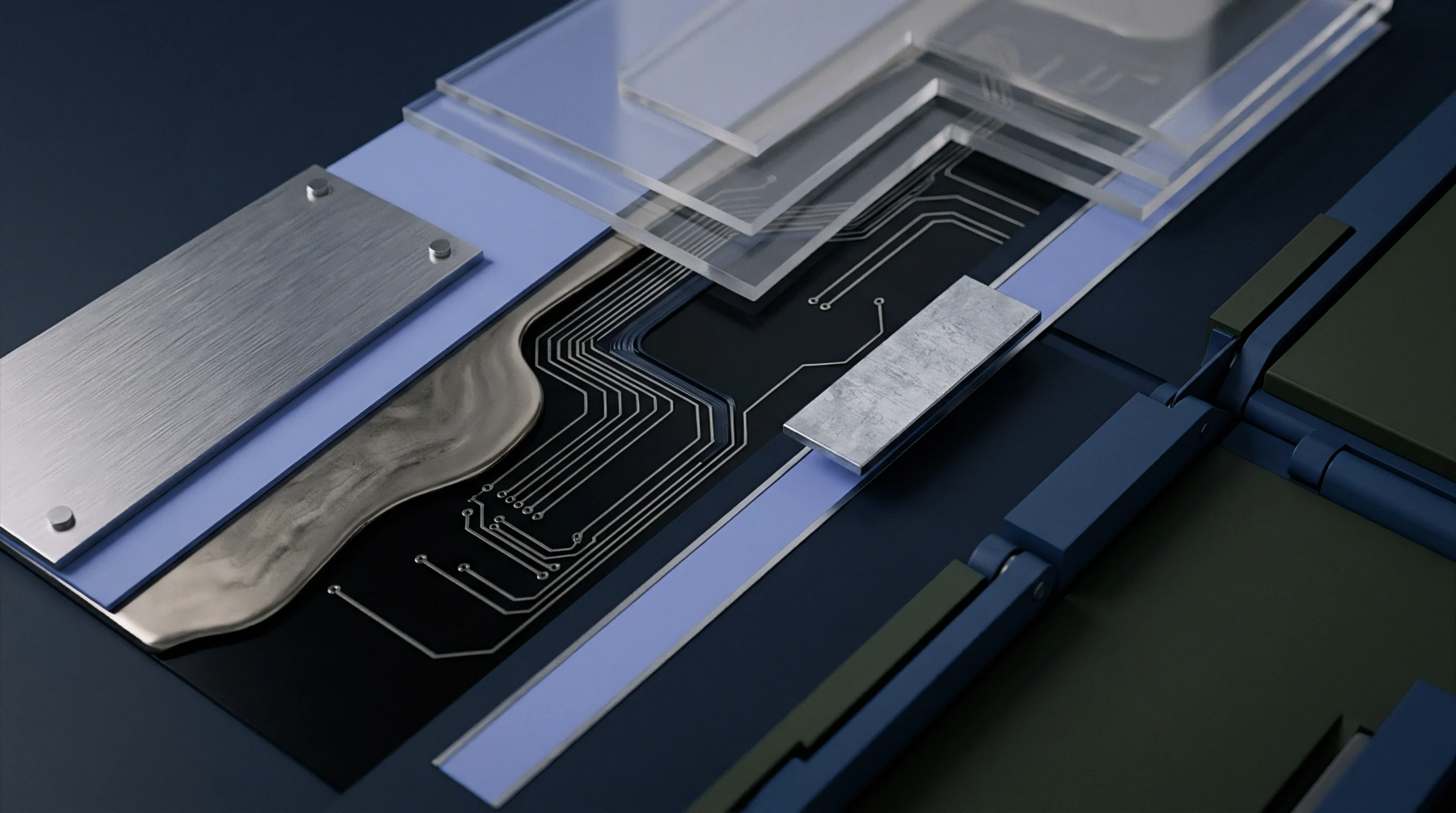
Rapid preheat ramp rates induce severe thermal gradients in MLCCs, causing latent micro-cracks that degrade insulation resistance under bias.

Minimizing assembly thermal gradients demands balanced board copper, tuned oven convection, and zoned soak profiles to shrink array temperature differentials.

Selecting initial reflow heating slopes between 1.0 and 2.0 °C per second prevents solder spattering and flux exhaustion across high-density SMT assemblies.

Track solder paste transfer efficiency standard deviation to set statistical process limits that trigger stencil re-coating before yield collapses.

Step stencil keep out zones require a 10 to 1 distance ratio per mil of step height difference to prevent squeegee levitation and solder paste bridging.

Aperture area ratios below 0.66 demand smooth sidewalls or nano-coatings to maintain 80 percent paste transfer efficiency.
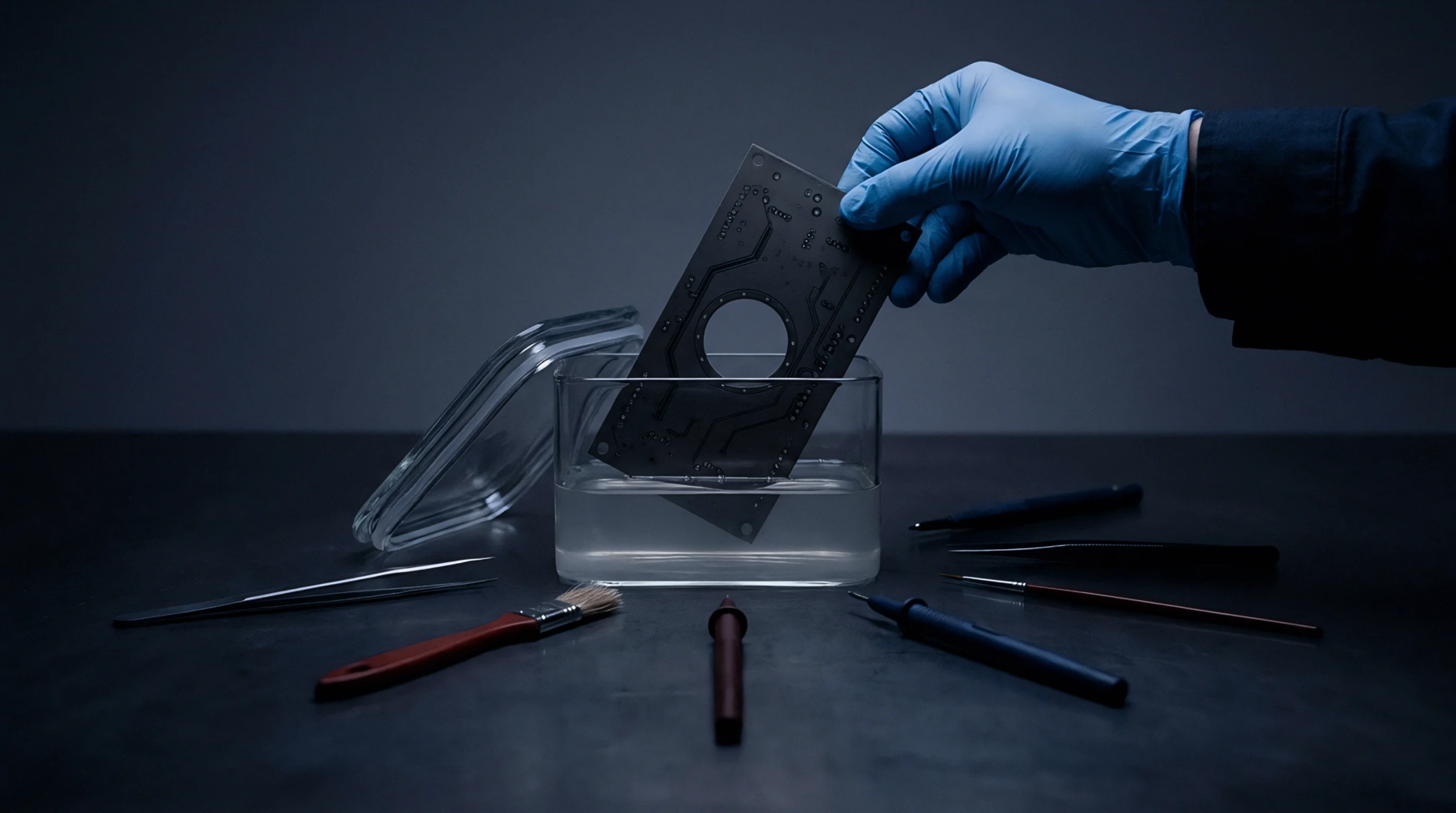
Adaptive surface mesh compensation limits optical false calls on sub-40mm pins by balancing point cloud density against real-time line beat constraints.

Dynamic substrate distortion induces height shifts in optical triangulation systems, requiring real-time surface mesh interpolation to prevent false deposit rejects.

Substrate thermal distortion stems from CTE mismatch and copper asymmetry, requiring tight dynamic warpage limits and carrier tooling to protect joint yield.

Matching reflow soak durations to flux solvent evaporation rates eliminates sub-component pressure spikes and drops QFN thermal pad voiding below ten percent.

Controlling internal deposit stress below 150 MPa tensile in nano-crystalline nickel plating prevents cyclic microstructural relaxation and joint fracture.
Calculate stencil area ratio above 0.66 for standard laser foil and above 0.50 for nano coated electroformed stencil to guarantee ninety percent paste release.

Electroformed stencil transfer efficiency drops under high speed printing due to binder separation and wall compaction, requiring optimized wipe cycles.

Calculating area ratios above 0.66 and applying targeted aperture reductions prevents bridging while ensuring consistent solder paste transfer efficiency on fine pitch pads.

Concurrent feeder indexing and jerk-limited gantry trajectory modeling eliminate pick delay latency, optimizing high-density placement line throughput.
High strain shear thinning reduces ultra fine paste viscosity during squeegee strokes, requiring rapid thixotropic yield recovery to prevent post print slump.

Thixotropic rebuild kinetics dictate stencil release and deposit stability, where tuning separation speed to viscosity recovery maximizes fine pitch print yield.

Micro-aperture solder paste transfer efficiency demands electroformed or nanocoated stencils, Type 5 powder, and strict 3D inspection controls below 0.55 area ratios.

Controlled thixotropic rebuild kinetics prevent cold slump bridging while ensuring clean aperture filling under continuous high velocity squeegee shear.
Oscillatory rheometry strain and frequency sweeps qualify solder paste viscoelasticity for fine pitch SMT printing where static viscometry fails.
Excessive squeegee speed and downforce over-shear solder paste, reducing yield stress and causing severe deposit slump and bridging on fine-pitch components.
Turnkey procurement shifts component authenticity liability to contract manufacturers, while consigned sourcing leaves component risk entirely with the buyer.
AS6081 analytical screening prevents gray-market component defects from causing SMT downtime and joint failures through targeted non-destructive and laboratory tests.
Consigned material sourcing requires strict incoming package checks, chemical decapsulation, and clear contract risk allocation to prevent counterfeit escapes.
Expertise is a utility, not a secret. sentiention™ publishes its working knowledge as open reference: intelligence layer covering the materials it sources, the markets it enters, and the reference that serves both.