
Optimizing Selective Soldering Pallet Geometry for High Density Circuit Assemblies
Precision pallet geometry balances thermal shielding against wave access, ensuring compliant vertical hole fill and zero SMT bridges on high-density boards.
Precision pallet geometry balances thermal shielding against wave access, ensuring compliant vertical hole fill and zero SMT bridges on high-density boards.

Optimizing stencil area ratios above 0.55 using electropolished foils and Type 5 paste maximizes volume transfer efficiency while minimizing SMT assembly defects.
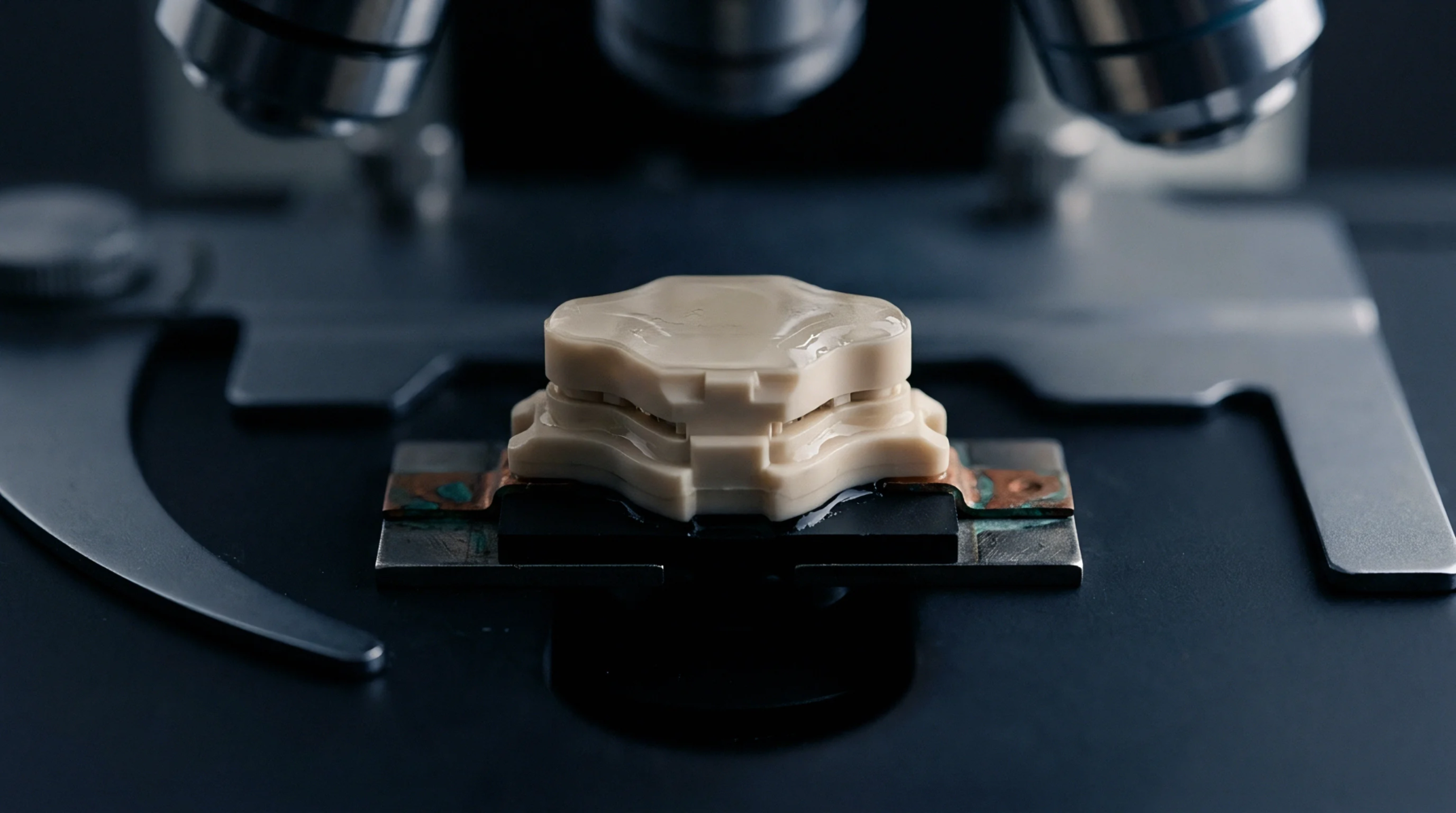
X-ray spatial magnification relies on precise distance ratios, focal spot limits, and grid calibration to ensure valid SMT solder joint measurement.

Optimal selective soldering requires balancing nozzle orifice dimensions with precise top-side preheat windows to achieve Class 3 vertical barrel fill.
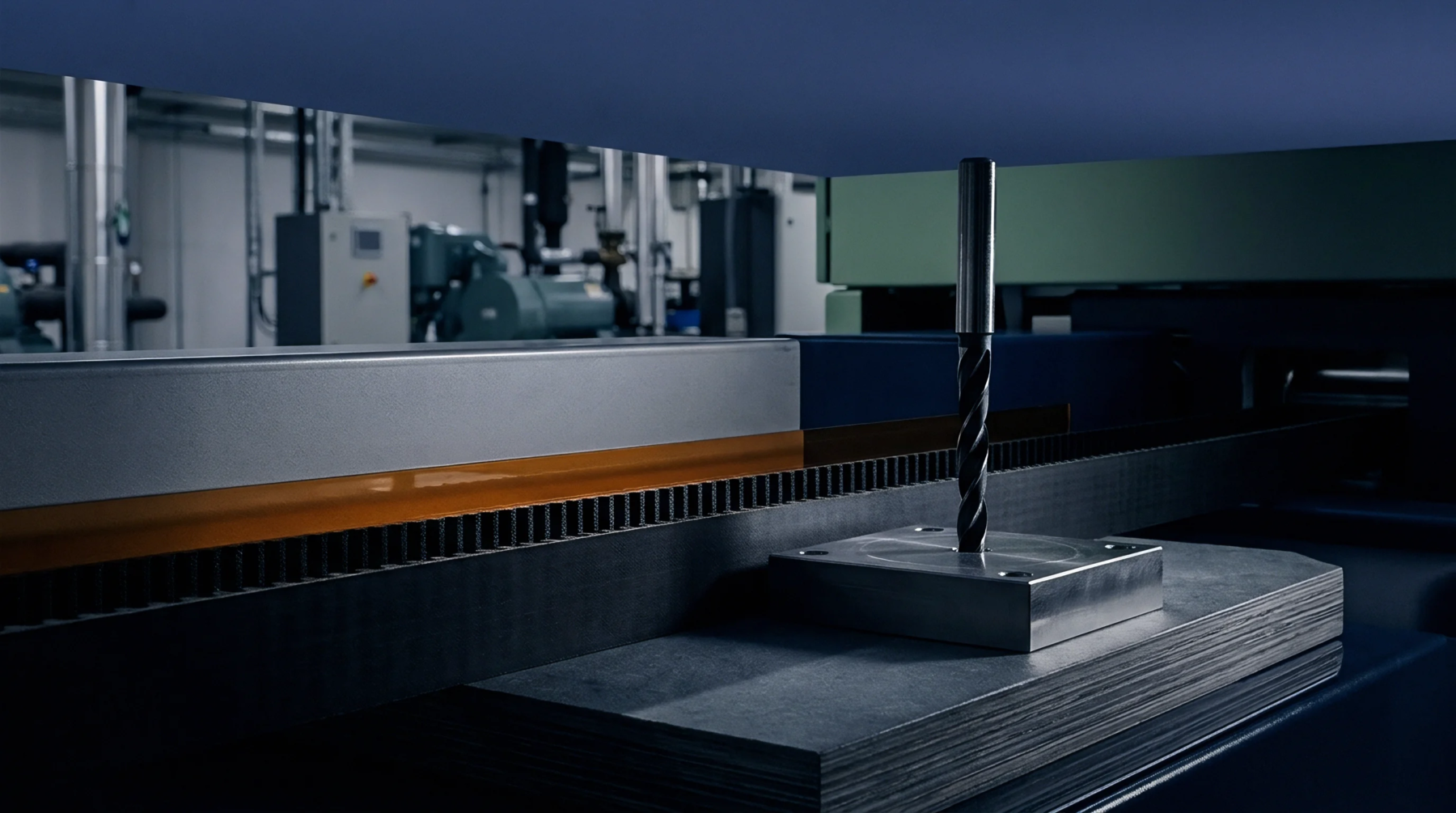
Calculated steam expansion pressures in reflowed plastic integrated circuits reach 4.69 MPa at 260°C, causing catastrophic delamination if moisture exceeds critical levels.

Solder reflow steam pressures inside plastic components demand exact floor life accounting and dry storage discipline to prevent package delamination.

Reducing thermal gradients across multi-layer assemblies requires balancing inner copper mass, profiling zone dwell times, and applying rigid carrier support.

Dynamic thermal warpage alters fine pitch component standoff during reflow, trapping flux outgassing and increasing solder joint voiding percentages.

Radiometric gain correction standardizes pixel sensitivity to eliminate streak artifacts and secure accurate void and volume sizing in multi-slice board scans.
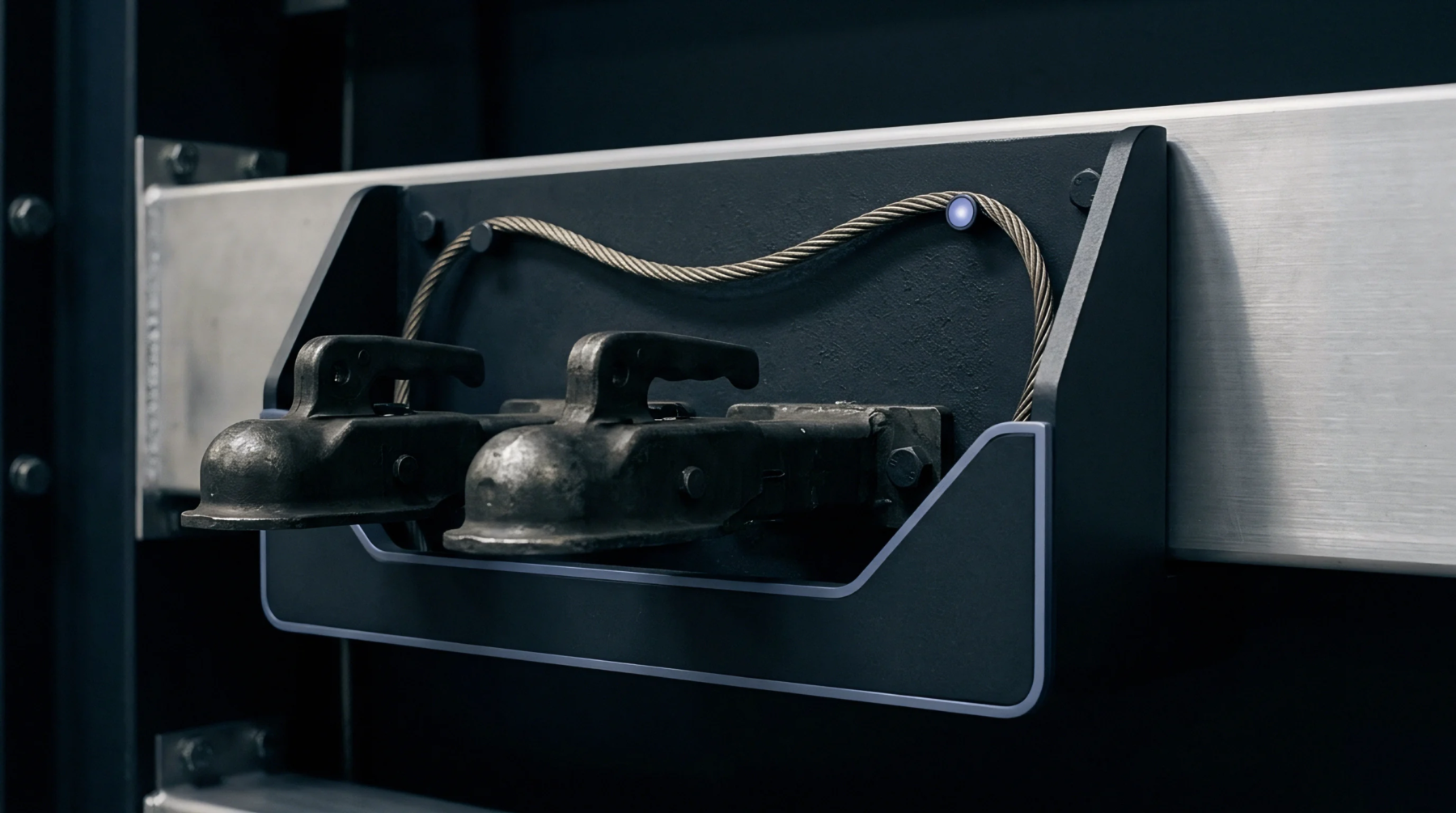
Verify stencil aperture area ratios exceed 0.66 using SPI volume data before adjusting reflow oven profiles for solder starvation defects.

Forced convective reflow on heavy mass surface mount panels demands extended soak zones, elevated fan velocities, and adjusted paste deposition to ensure total reflow without scorching thin components.
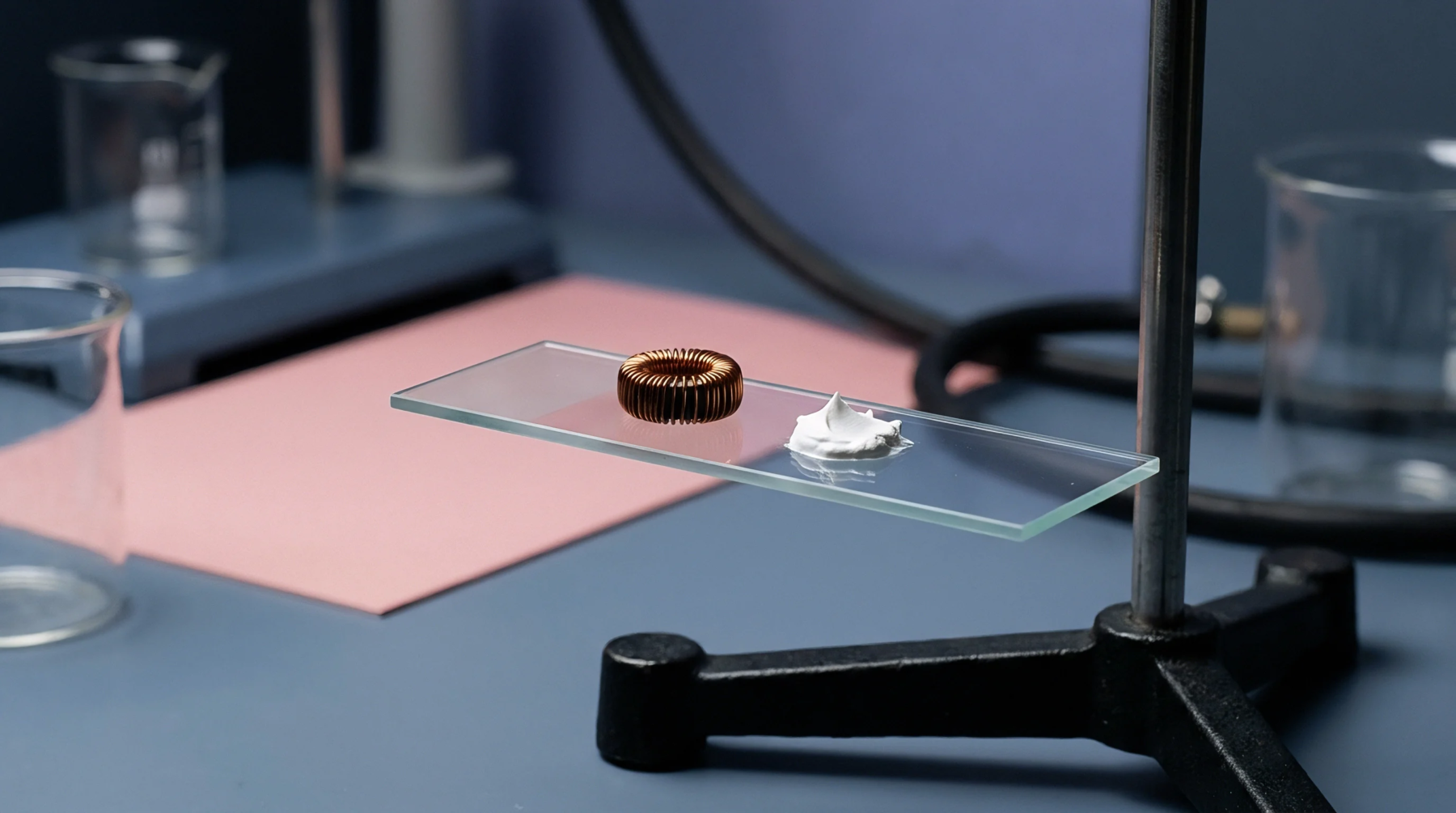
Provide clear overage buffers and factory reels to prevent line starvation, setup material waste, and downtime charges during surface-mount assembly.

Maintaining secondary clearance spacing above component height ratios prevents convective shadowing and stops inverted solder joint remelt detachment during reflow.

Assembly agreements define line setup boundaries and package specific attrition limits to prevent unexpected downtime surcharges and inventory deficits.

Explicit PPM false call thresholds and labor chargebacks protect multi-layer assembly yields without shifting inspection costs or masking solder escapes.

Optimize SAC305 reflow profiles between 235-248°C with 45-75s TAL and 3-5°C/s cooling to limit interfacial intermetallic growth and prevent brittle joint failure.

Allocate micro BGA line standby and rework exposure by binding hourly downtime tariffs and hot-gas rework liability directly to SPI, AXI, and feeder logs.

Radiographic escape quantification requires correlating grey-scale attenuation thresholds with physical microsections to catch hidden non-wetting defects.
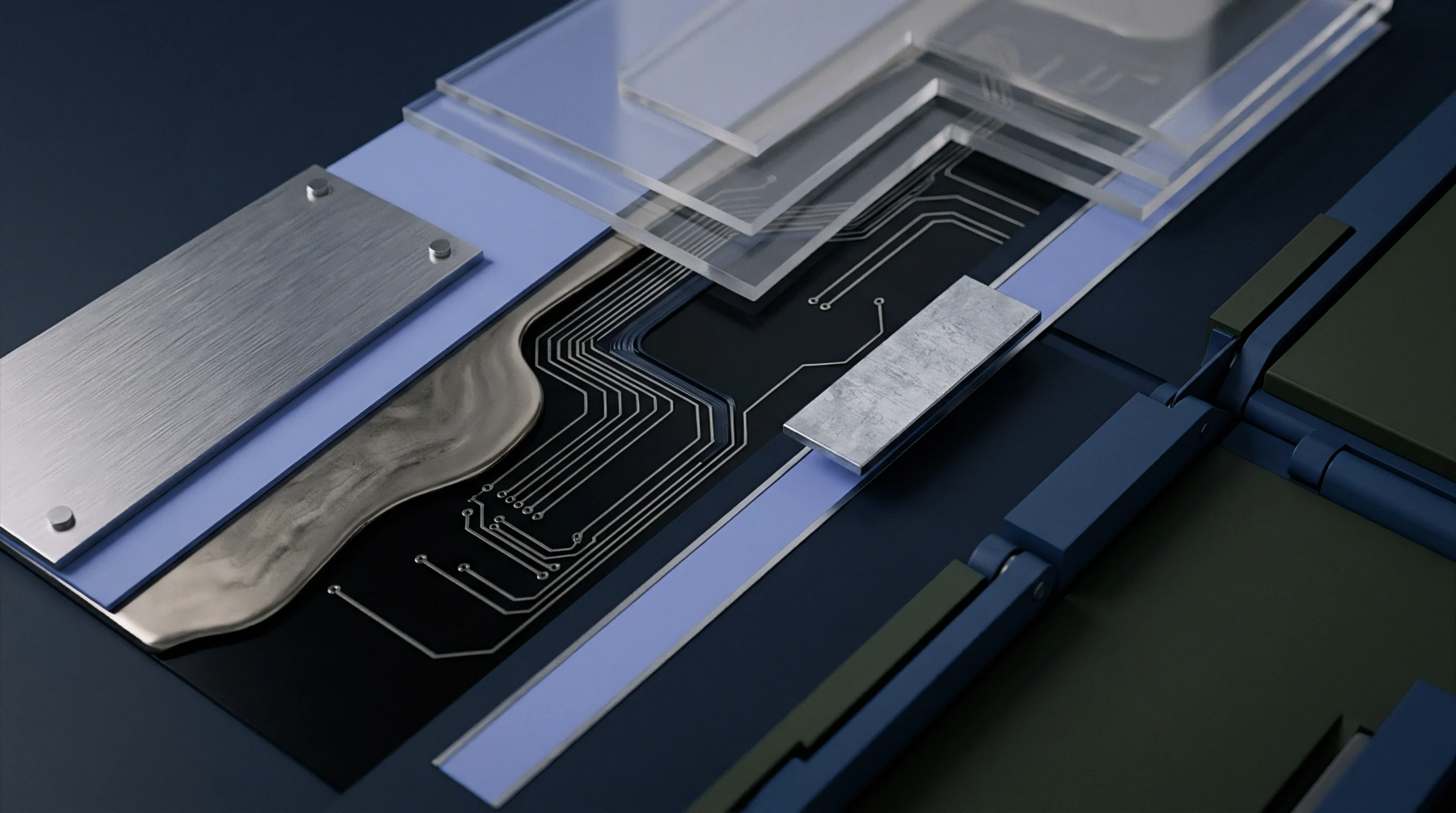
Evaluating thermomechanical creep in dual-sided solder joints requires tracking secondary reflow thermal exposure, intermetallic layer growth, and creep strain accumulation under asymmetric board warpage.

Dynamic multi-engine optical calibration and thermal drift compensation protocols eliminate false calls and harmonize solder volume thresholds across SMT lines.

Electroformed nickel stencils lower aperture wall roughness below 0.08 µm Ra, enabling clean solder paste release at area ratios down to 0.50 for 0.3mm BGAs.

Dynamic multi-stage line balancing synchronizes SMT placement rates, stencil paste volume, and reflow profile margins across mixed component geometries.
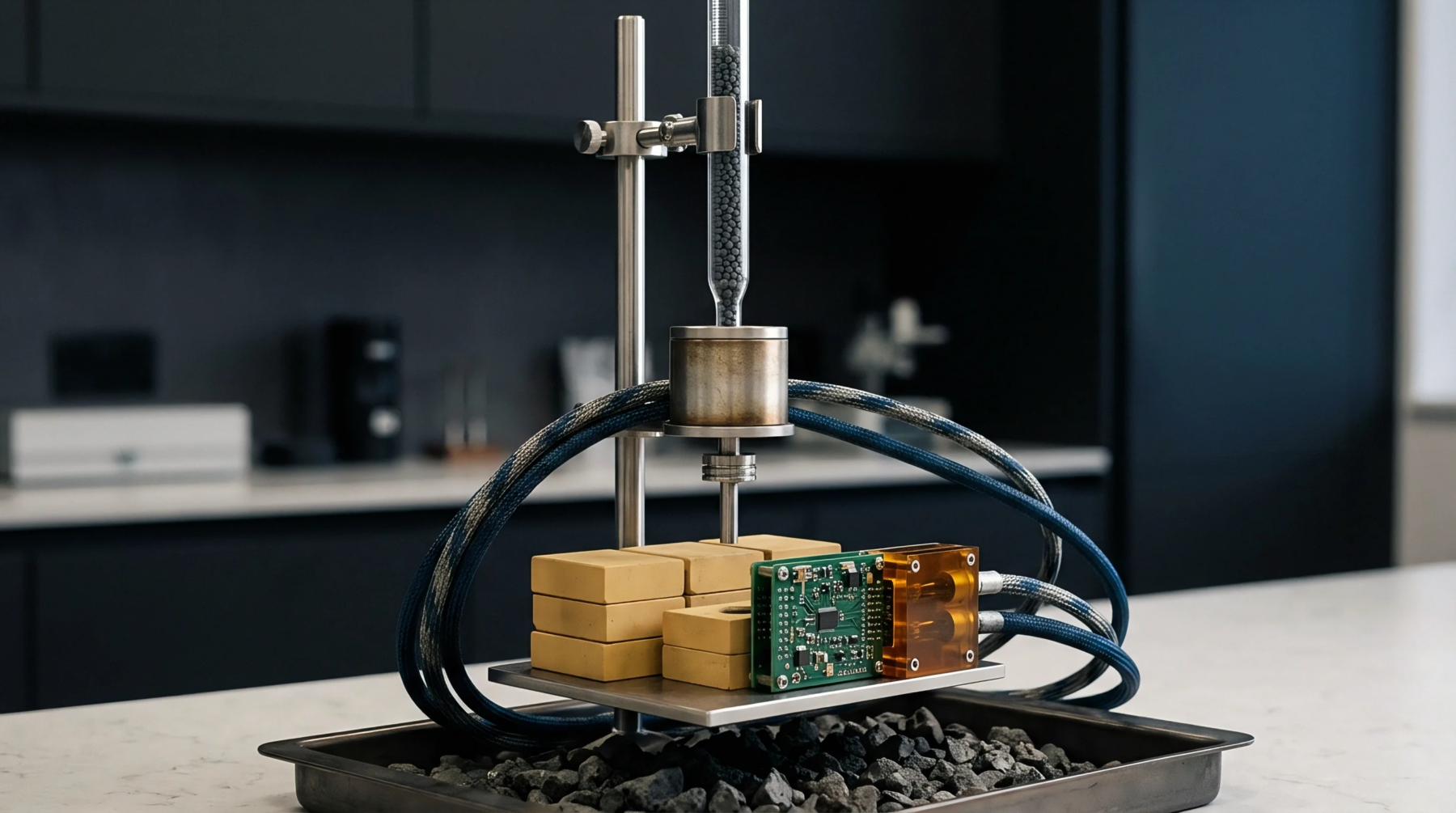
Real-world SMT placement speed routinely drops forty to seventy percent below theoretical IPC-9850 rates due to gantry physics, vision checks, and handling delays.
Contractual SMT yield indemnification defines financial remedies for scrap exceeding baseline thresholds by isolating line defects from component defects.
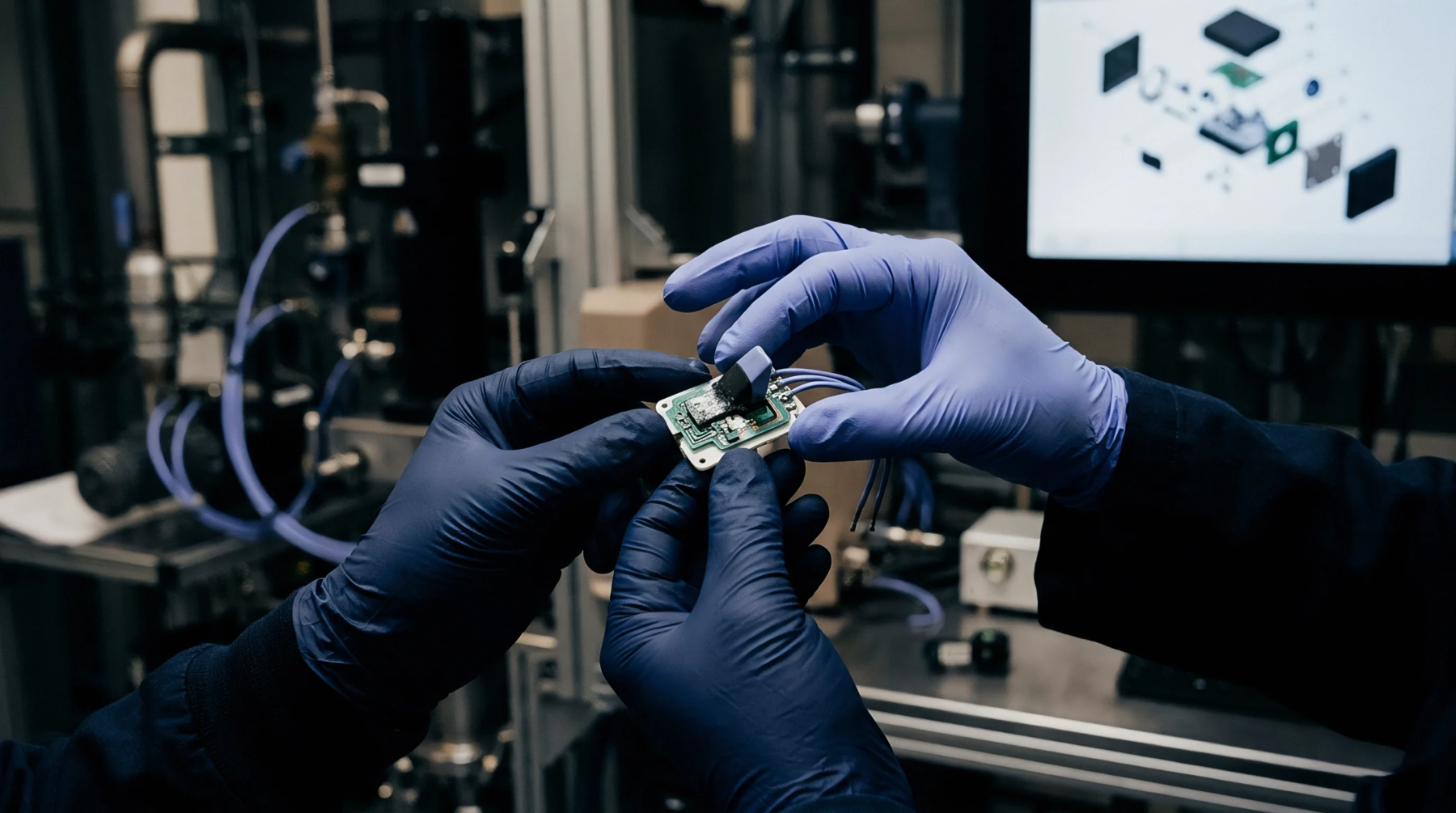
Predictive multi frequency phase shifting corrects thermal warpage defocus by decoupling substrate elevation speed from optical fringe acquisition timing.

Quantifying gantry settling times and optical inspection acquisition latency isolates placement errors from software processing bottlenecks.
Vapor phase reflow eliminates thermal deltas across unequal copper density substrates by transferring latent condensation energy at constant fluid temperatures.
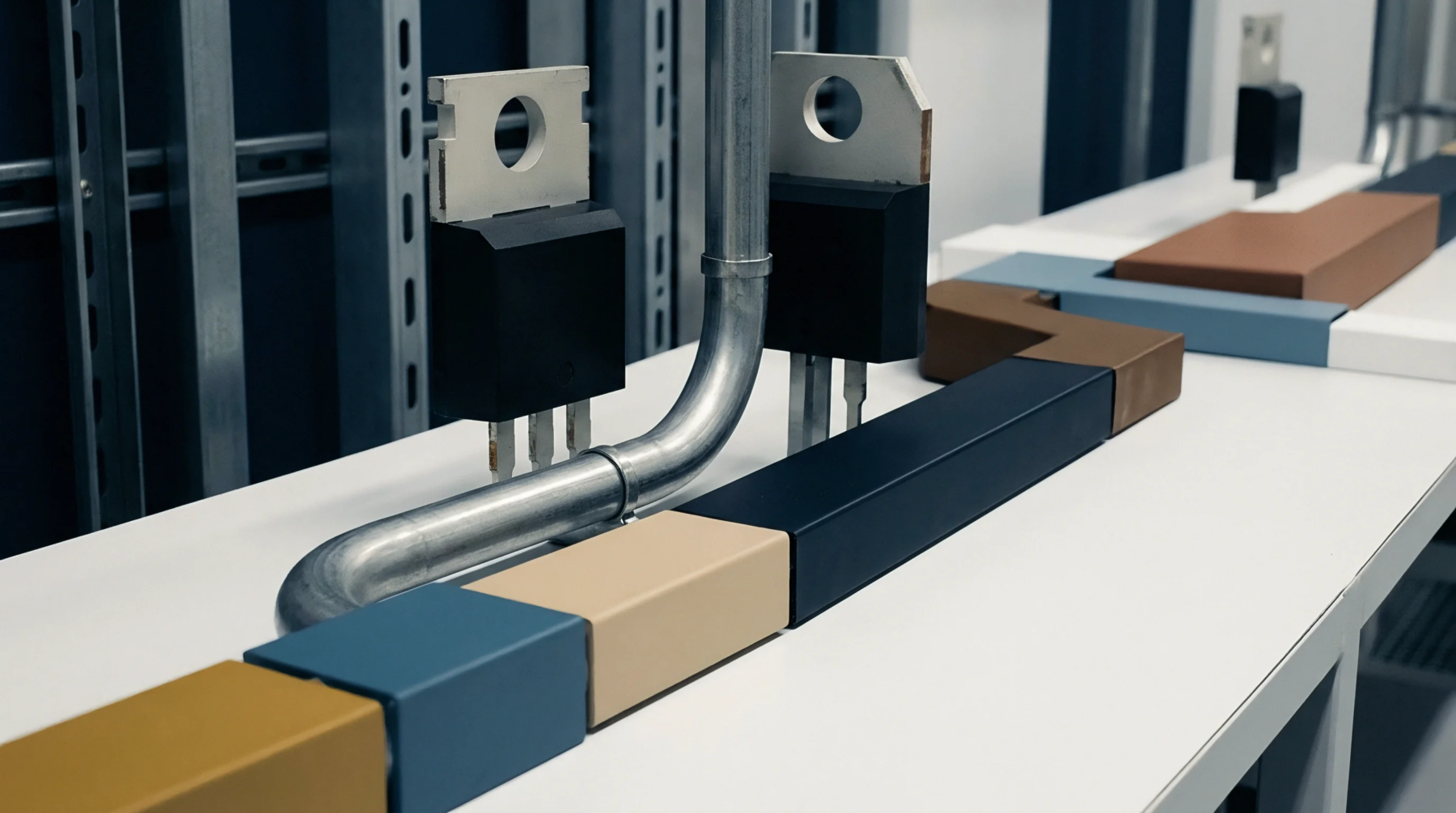
Submicron crack contact under thermal bias masks delamination signals, requiring phase-inversion gating and high-frequency transducers to verify package integrity.
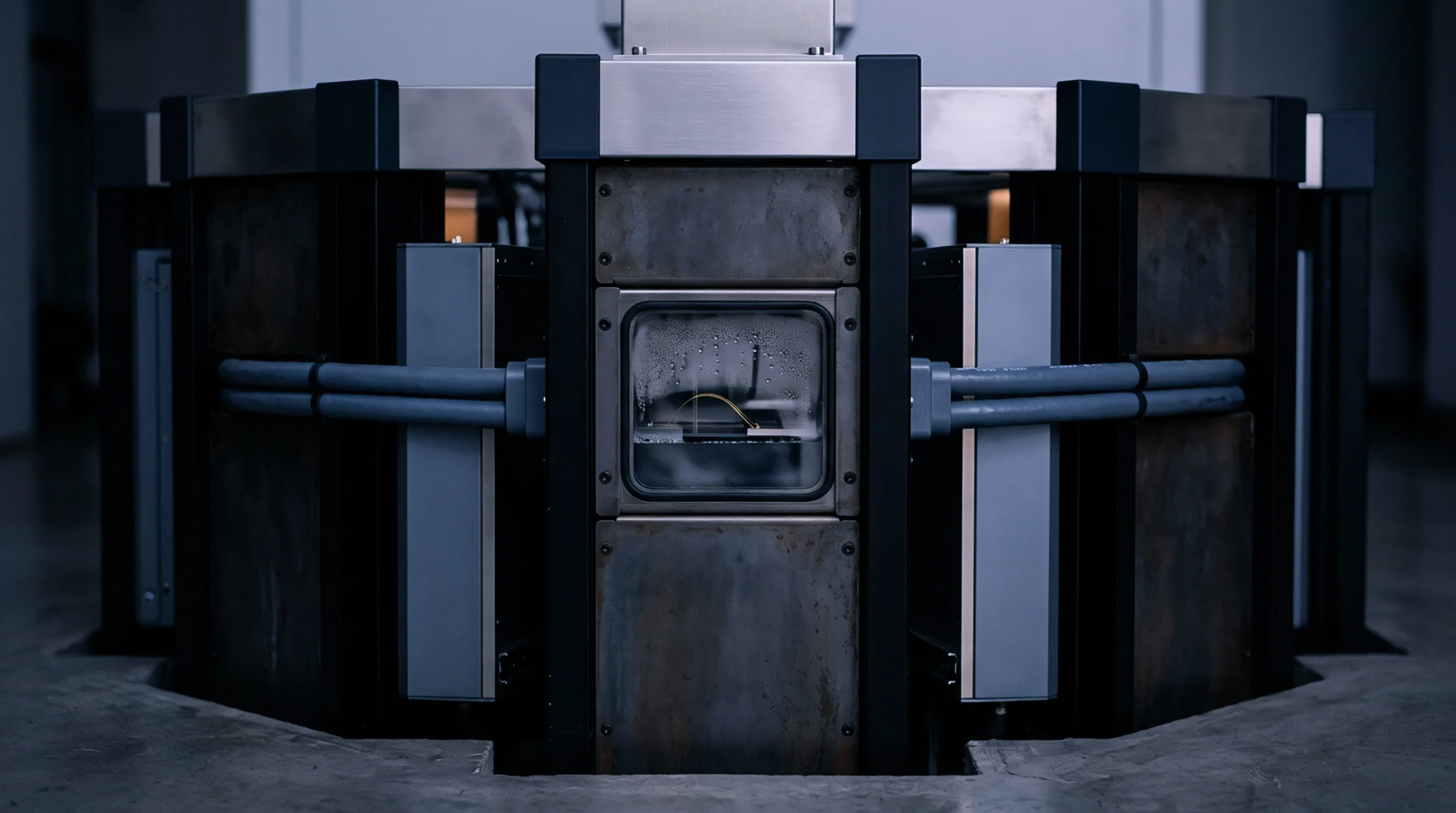
Quantifying false-call escape margins in 3D radiometric line inspection requires balancing sensor signal noise floors against strict IPC Class 3 geometric limits.
Automated inspection hold triggers halt surface mount lines on consecutive statistical defects, preventing costly scrap propagation and hidden interconnect failure.
Expertise is a utility, not a secret. sentiention™ publishes its working knowledge as open reference: intelligence layer covering the materials it sources, the markets it enters, and the reference that serves both.