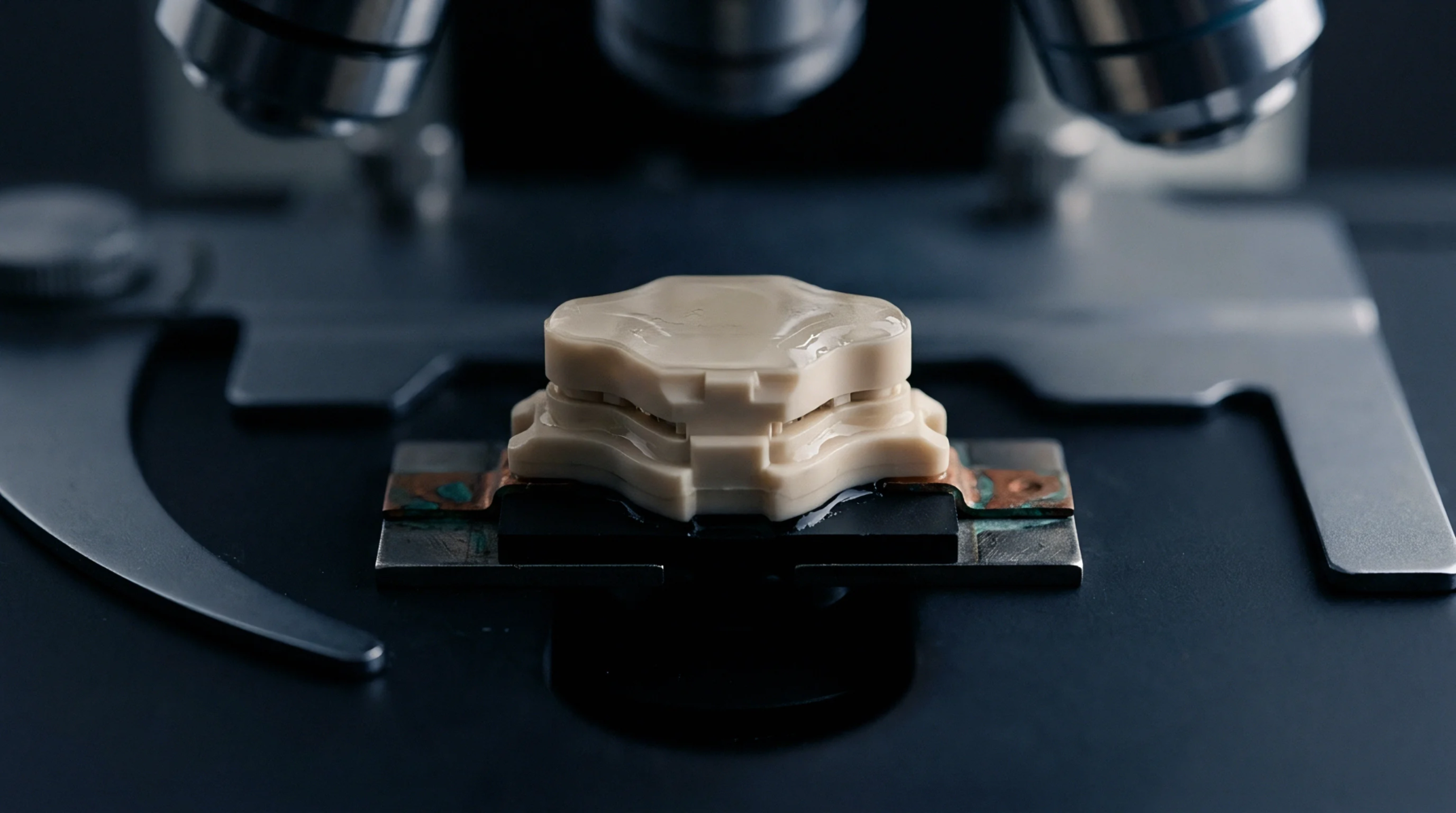
Dimensional Instability
Dimensional changes in mechanical structures occur as temperature variations alter the physical size of gantry arms and board holders during assembly. This movement, known as thermal expansion drift, results in a shift between the programmed placement coordinates and the actual positions of the nozzle. Printed circuit board assembly machines operate over long shifts, generating heat that warms internal frames and optical assemblies.
This warmth causes minute expansions, causing placement heads to misalign and solder joint quality to fluctuate.
Mitigation Process
Sensing systems monitor internal temperatures to apply correction factors to the motion control coordinates. Placement machines use temperature sensors located on the axes to dynamically estimate the mechanical changes. Software adjusts the driving encoders to compensate for the calculated thermal expansion drift, keeping the head aligned with the board fiducials.
Additionally, the machine regularly returns to its calibration station to recalibrate its optical centers during prolonged production runs. These steps are necessary to maintain accuracy when handling fine-pitch packages that have tight tolerance zones. Incorporating real-time adjustments ensures consistent component alignment and prevents assembly line downtime.
Assembly Quality
Uncompensated mechanical movement leads to misaligned component pads and solder bridging after reflow. If the machine fails to correct for the drift, parts are placed offset from their pads, leading to open circuits. Regular machine warm-up periods before production help stabilize temperatures and minimize drift during operation.
Quality audits of placement systems track these spatial deviations to ensure the machinery operates within acceptable limits.