Fiber Distribution
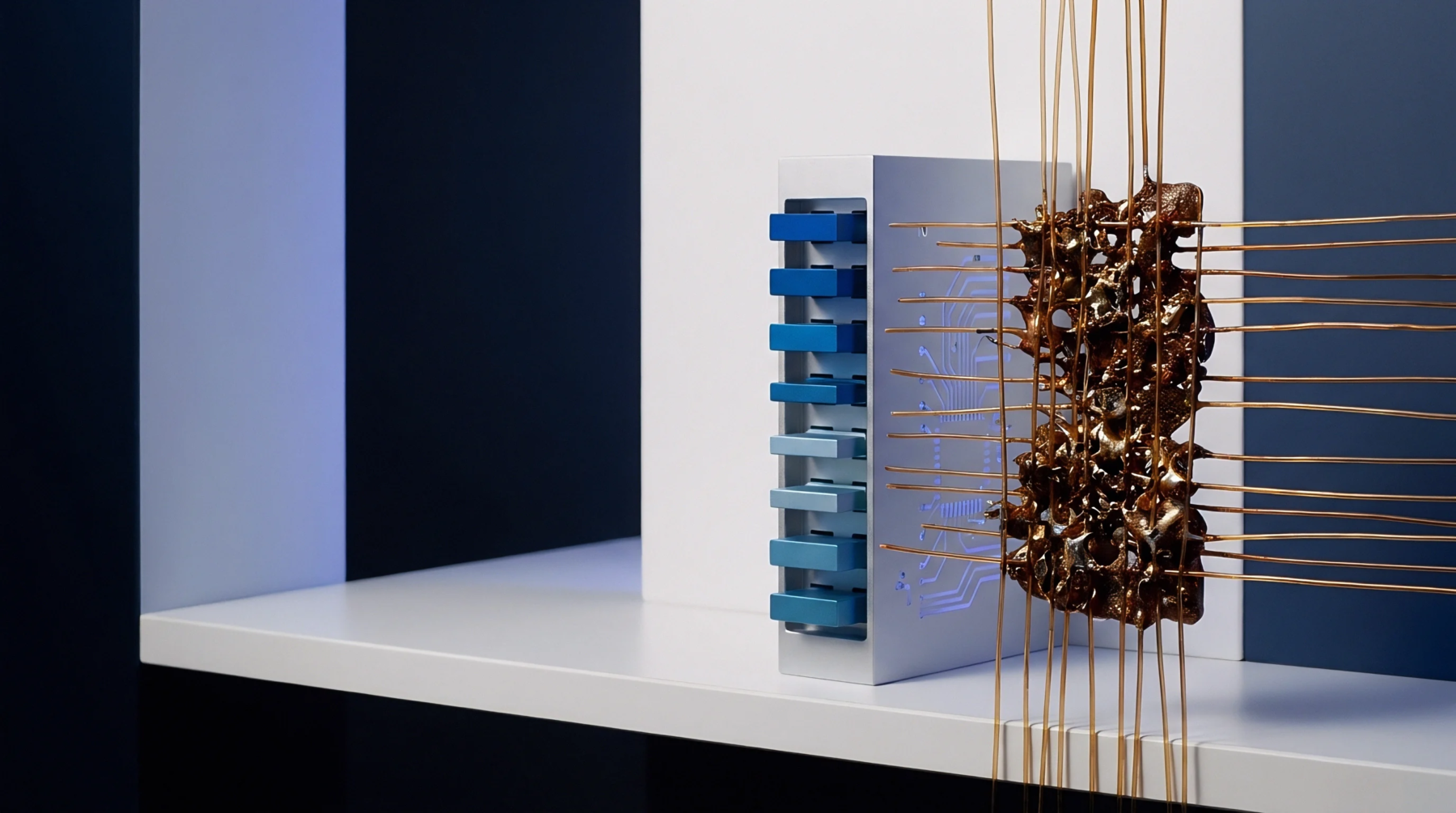
The 1078 weave represents a specific glass cloth construction used in high frequency printed circuit boards to stabilize the dielectric constant across large panels. Laminate manufacturers produce this style using a balanced spread of E-glass filaments where the horizontal and vertical counts equalize to prevent uneven resin distribution. Boards constructed with 1078 weave maintain consistent signal velocity by minimizing the local variation in glass density that causes skew in high speed differential pairs.
This technical standard minimizes the parasitic capacitance generated by glass bundles beneath copper traces during lamination. Precision in the glass cloth geometry directly determines the electrical stability of the finished circuit board.
Dimensional Stability
Variations in the spacing between fiberglass bundles create local regions of differing impedance which disrupt the propagation of signals traveling along high speed traces. The 1078 weave mitigates this issue by employing a tighter bundle density than standard fabrics found in commodity consumer electronics. Fabrication facilities verify this consistency using optical scanning techniques after the initial B-stage curing process.
Excessive gaps between individual bundles allow resin to pool in isolated pockets during lamination and this uneven thickness forces the dielectric constant to fluctuate unpredictably. Engineers selecting this material prioritize the prevention of trace impedance deviations over the cost savings associated with lower density cloths. The internal structure of 1078 weave creates a reliable interface for copper bonding while ensuring that no single signal pair crosses a region containing only resin.
Uniform fiber coverage prevents the signal phase mismatch that occurs when different legs of a differential pair encounter disparate material properties.
Performance Expectation
Finished assemblies utilizing 1078 weave exhibit reduced bit error rates compared to boards built on standard fabrics because the fiberglass consistency remains constant across the entire active area. Signal propagation remains stable even when the layout contains long traces passing through dense fiber grids. The design choice of 1078 weave provides a predictable platform for high speed digital logic operation.