Signal Isolation
Passive electronic elements block direct current paths while permitting alternating signals to pass freely through surface mounted assemblies. These passive components, known commercially as ac coupling capacitors, sit directly in high speed differential transceiver lines to eliminate DC bias offsets between distinct integrated circuits. Ceramic dielectric layers separate internal metal electrode plates, establishing a capacitive reactance that opposes steady potentials while transmitting high frequency data streams across the printed circuit board substrate.
Automated pick and place placement machines drop these tiny components onto solder paste deposits during surface mount technology line execution, where subsequent reflow thermal profiles melt the alloy to form permanent mechanical and electrical joints.
Thermal Stress
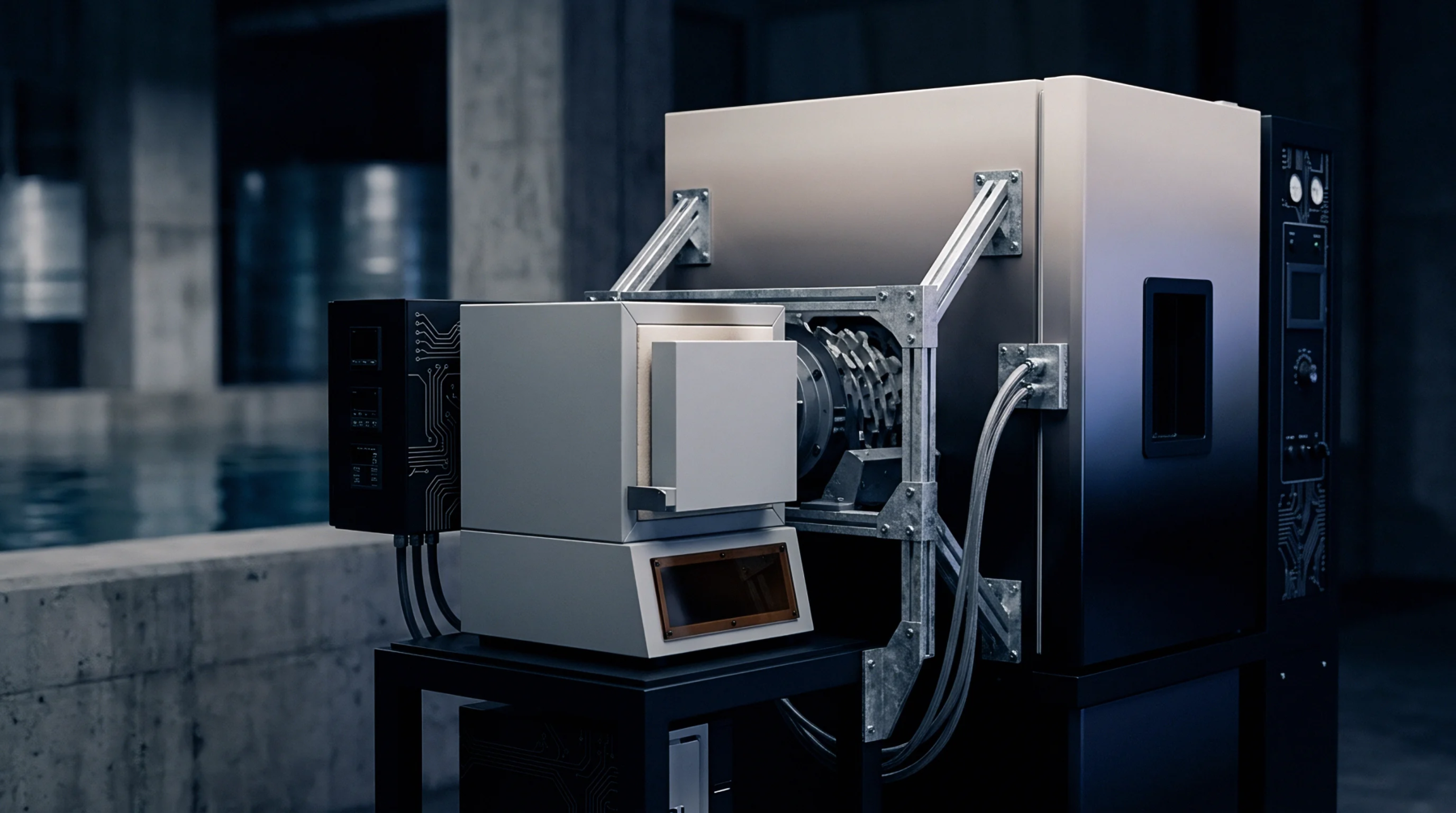
Solder joint integrity depends heavily on matching component body dimensions to pad geometry, preventing tombstoning defects during the rapid heating phases of convection reflow ovens. Manufacturing lines monitor paste volume deposition via automated optical inspection systems to ensure correct fillet formation around metal termination ends. Excessive thermal shock during wave soldering or rework operations can fracture the internal ceramic dielectric, creating microscopic internal cracks that degrade insulation resistance over prolonged operational lifespans.
Automated test equipment applies high voltage DC potentials during final board level electrical screening to detect latent dielectric breakdown before units ship to customers.
Impedance Matching
Signal integrity relies on maintaining precise characteristic impedance values across every transmission path to minimize waveform reflections and insertion losses. Inserting passive blocking devices into high speed serial lanes alters the local capacitance profile, requiring careful layout adjustments to compensate for parasitic inductance introduced by the component body and surrounding solder pads. High frequency transceiver performance degrades rapidly if parasitic reactances mismatch the host trace geometry, causing eye diagram closure and elevated bit error rates during digital data transmission.
Proper part selection requires balancing capacitance values against maximum operating frequencies to preserve harmonic fidelity across the entire communication channel.