Nodal Isolation
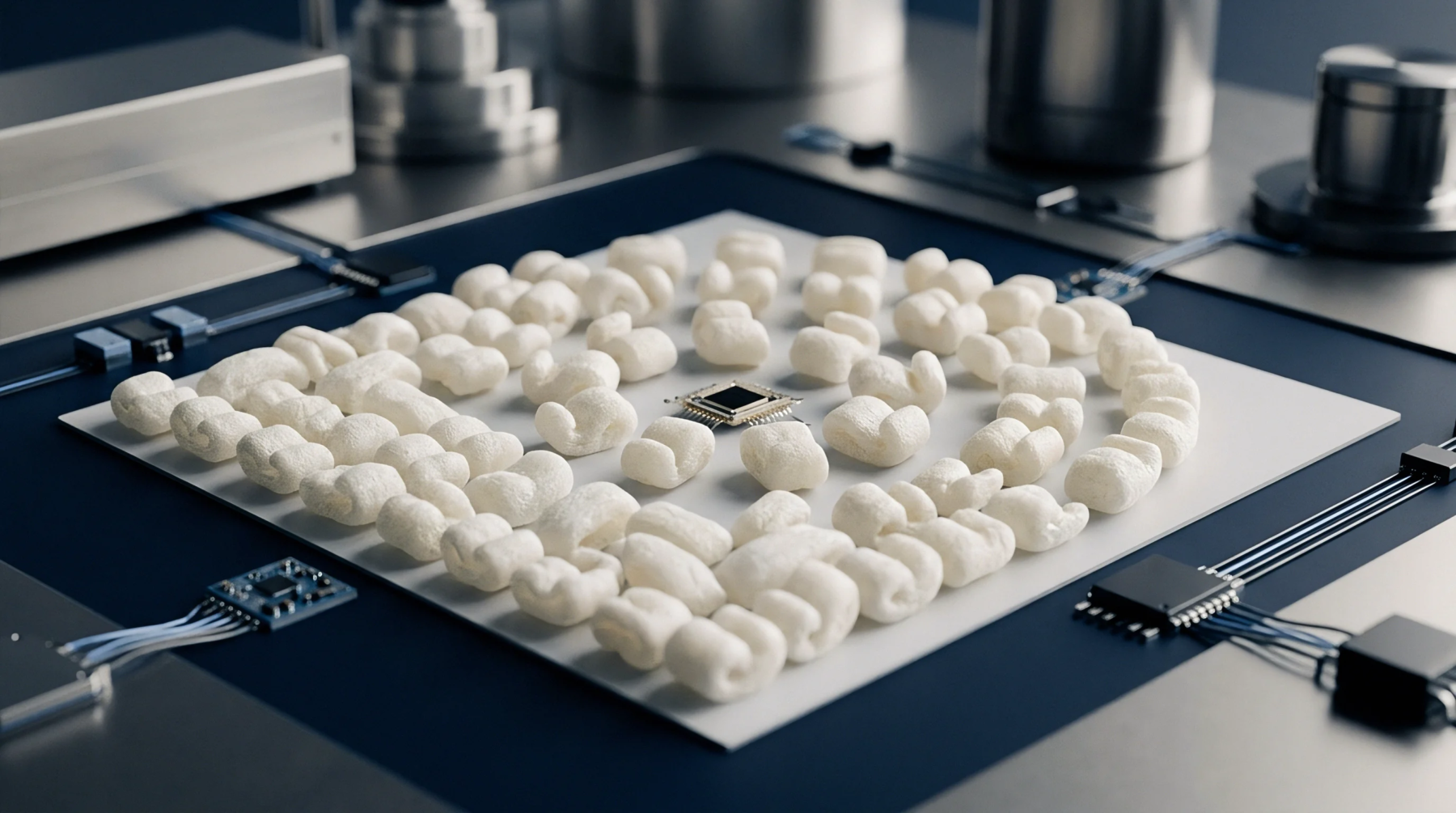
In-circuit testing techniques employ driven operational amplifiers to eliminate parasitic current paths across component networks on printed circuit boards. When evaluating an individual resistor or capacitor within a dense network, active guarding drives surrounding guard nodes to the identical potential as the measurement node. Zero voltage differential across parallel branches prevents current from leaking through adjacent paths into the measurement bus.
Precision voltage followers source or sink the balancing current required to hold guard nodes stable during analog measurements. Isolation achieved through active buffering allows true component values to be extracted directly from loaded assemblies.
Drive Mechanism
Guard drive circuits utilize high-speed operational amplifiers configured as unity-gain buffers. Operational amplifiers present low output impedance to the guard node, absorbing load currents generated by surrounding passive networks. In a typical three-wire measurement setup, the primary signal source applies a stimulus voltage to the device under test while the guard amplifier replicates that exact voltage at intermediate board traces.
Current from the stimulus source flows exclusively through the target component into the ammeter sense line because no potential difference exists to divert current into adjacent parallel branches. When trace impedance or amplifier offset voltage introduces a minor potential mismatch, a residual leakage current enters the measurement path. High open-loop gain and wide bandwidth in the buffer operational amplifier minimize dynamic offset errors during high-frequency alternating current measurements.
System switches configure guard lines dynamically across multiple test pins during automated fixture scans.
Frequency Limit
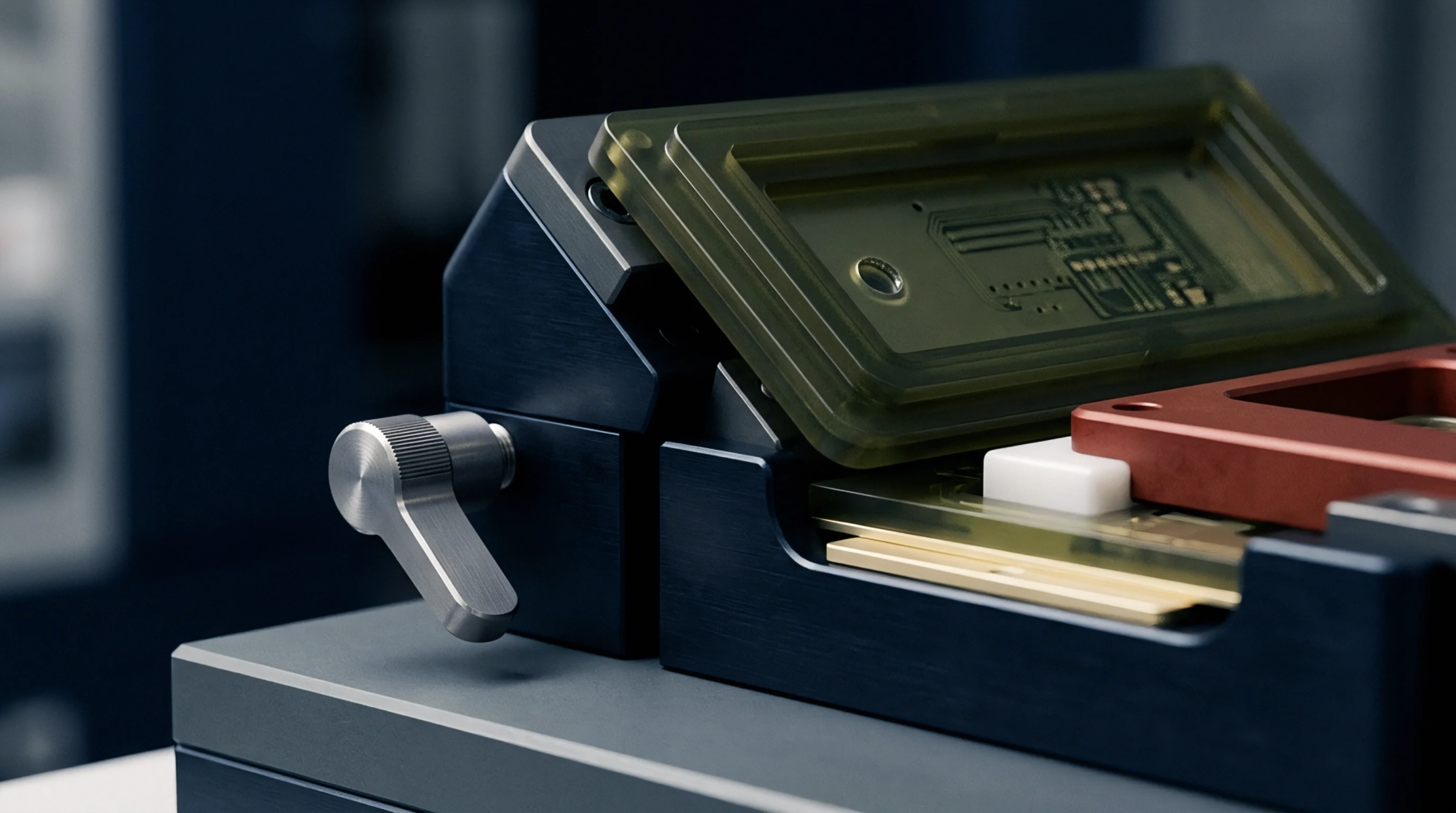
Measurement accuracy degrades when parasitic capacitance on guard lines introduces phase shifts at higher test frequencies. Phase lag in the feedback loop creates voltage imbalances between sense and guard traces, converting driven nodes into additional leakage paths. High-density fixtures present distributed capacitance across bed-of-nails wiring that limits effective isolation to frequencies below several hundred kilohertz.
Fixture compensation algorithms correct static phase errors but cannot recover signal integrity when amplifier phase margin collapses. Operational amplifier output current limits restrict effective isolation when driving ultra-low impedance network nodes.