Conversion Material
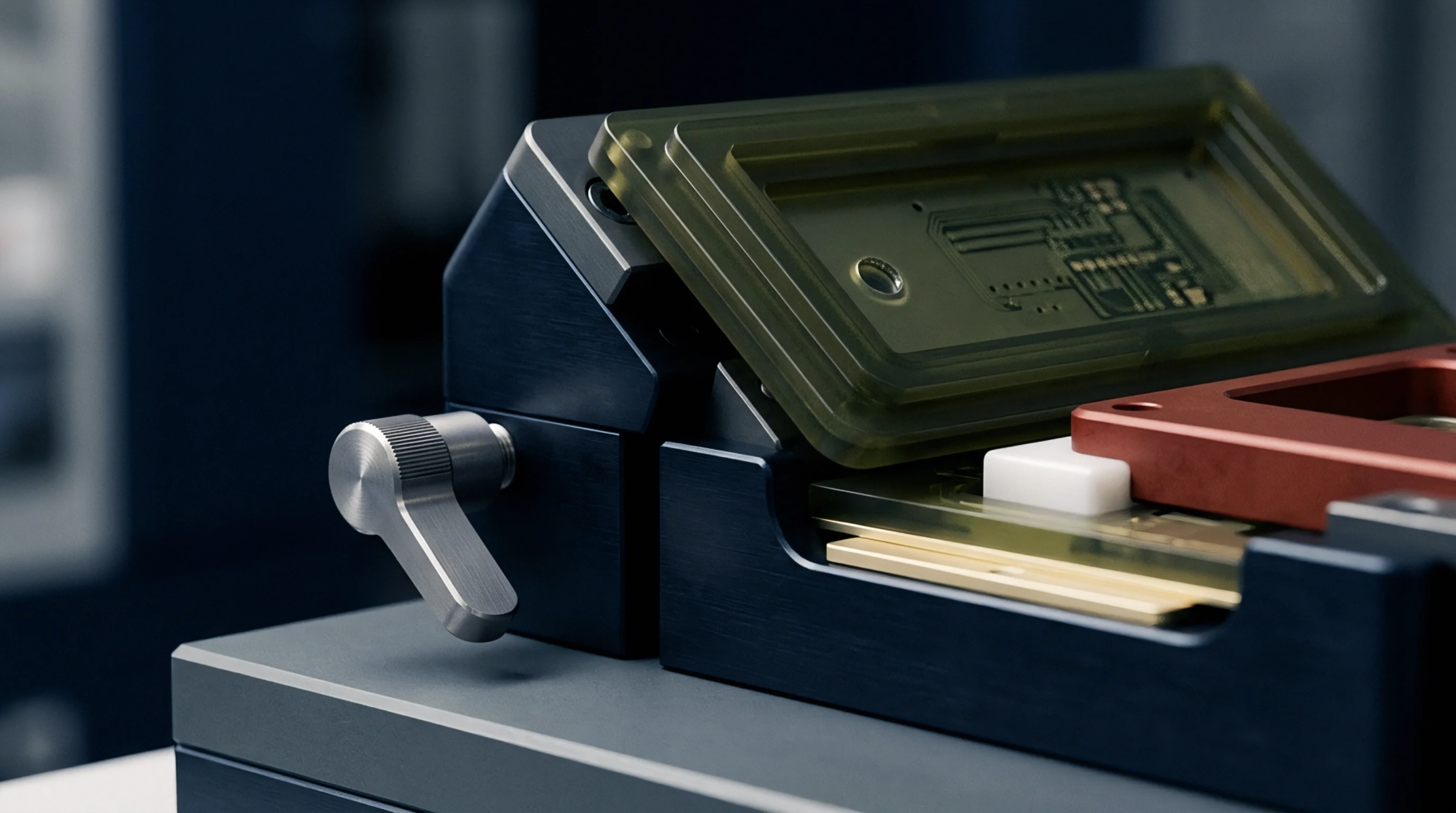
Crystalline layers deposited on photodiode arrays transform incident x-ray photons into visible light for digital imaging. A cesium iodide scintillator typically features a columnar structure that channels light toward the sensor with minimal lateral spread. High conversion efficiency allows for lower radiation doses while maintaining the image clarity required for identifying micro-voids in solder spheres.
Signal Quality
Needle-like crystals grown directly on the detector substrate function as light pipes to preserve the sharpness of the projection. Because the cesium iodide scintillator is hygroscopic, manufacturers seal the assembly in a moisture-proof housing to prevent deliquescence. Vapor deposition techniques control the thickness and density of these columns to optimize the balance between absorption and resolution.
Moisture ingress leads to a cloudy appearance in the image and a measurable loss in contrast. Protective coatings or hermetic seals are mandatory to ensure the longevity of the detector in industrial environments where humidity levels vary.
Assembly Application
Modern automated x-ray inspection systems rely on these high-gain components to visualize internal structures. The fast decay time of a cesium iodide scintillator supports high-speed line rates by reducing ghosting between successive frames. Reliable detection of defects depends on the high contrast ratio provided by this material.