Photon Deviation
An interaction between high energy radiation and electrons occurs when an incoming x ray or gamma ray photon strikes a loosely bound electron. This compton scattering event forces the photon to lose a portion of its energy while changing its trajectory. The remaining energy and the specific scattering angle follow the conservation of momentum and energy laws.
This process applies to electromagnetic waves with energies above the binding energy of the target electron but stops at energy levels where pair production becomes the dominant interaction. Analysis of these energy shifts identifies the electron density within target materials during non destructive testing procedures.
Inspection Variable
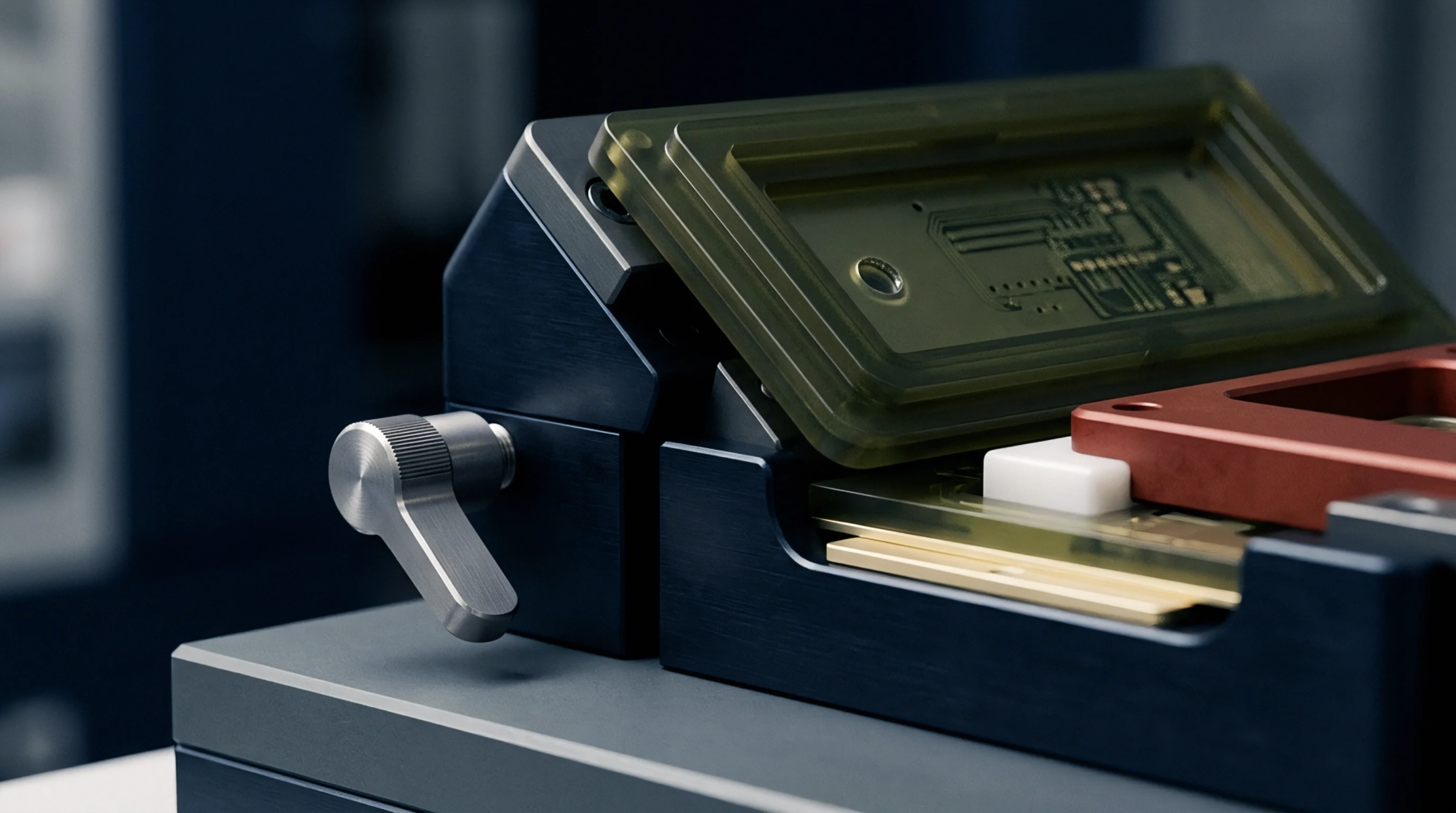
Industrial fabrication utilizes this phenomenon to quantify material density variations in dense components where light or ultrasonic waves fail to penetrate. Operators rely on compton scattering to map the internal integrity of thick solder joints or thick ceramic substrates. An emitter directs a collimated beam into the sample while detectors measure the intensity of the backscattered radiation at specific angles.
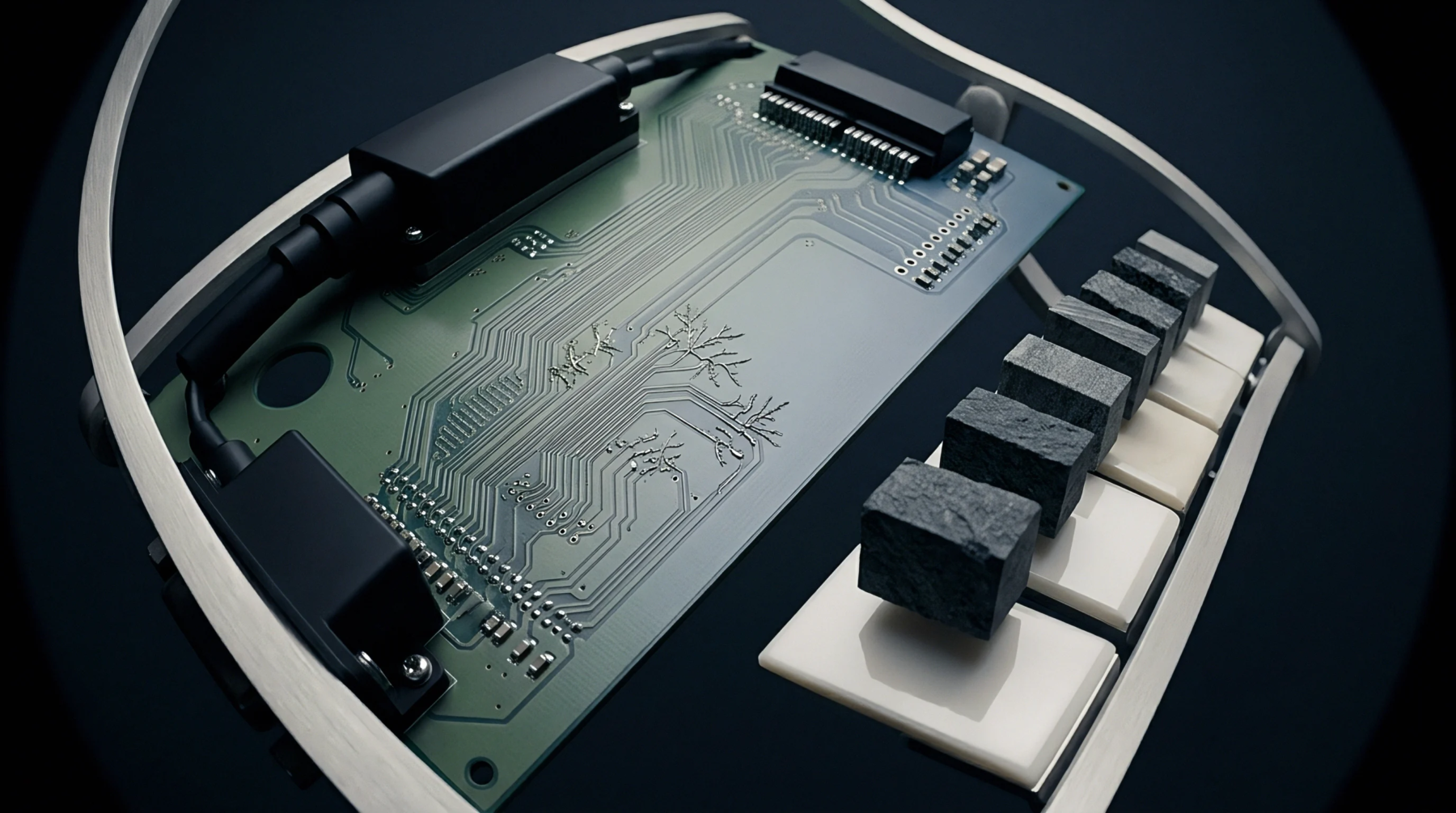
Data gathered from these sensors provides a measure of mass distribution and identifies voids or density gaps within an assembly. Since the atomic number of the material influences the interaction probability, engineers calibrate sensors for leaded or lead free alloys to maintain accuracy. This procedure detects subsurface cracks and porous defects in multi layer circuit boards.
Measuring the energy loss of the reflected photons creates a density profile across the scanned area that highlights structural inconsistencies during quality control protocols.
Physical Limit
High atomic number elements increase the probability of photoelectric absorption which competes with the desired photon shift. The effective measurement range of compton scattering remains restricted by the physical thickness of the housing and the power of the source. Background noise from secondary radiation sources degrades the signal to noise ratio in sensitive hardware configurations.
Calibration curves allow for the compensation of density fluctuations inherent in the manufacturing process of laminate materials. Precise control of the detection angle remains the primary requirement for repeatable results in complex geometric environments. Photon interactions within the material volume dictate the maximum sensitivity of the inspection system.