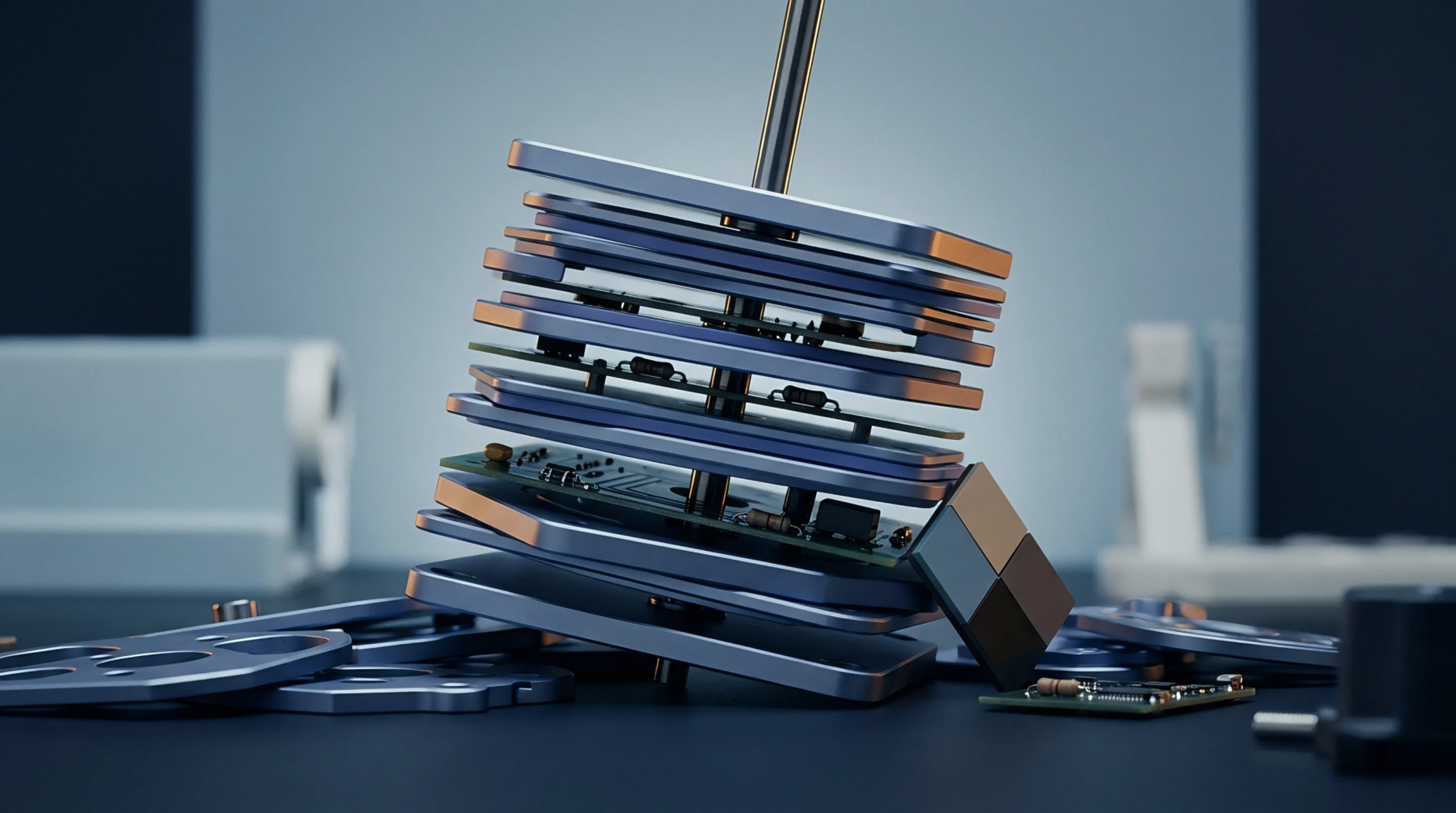
Processing Delay
Temporal measurement defines the interval between a data request and the resulting output from a processor. Designers evaluate compute latency to determine the responsiveness of control systems. Hardware engineers calculate the time required for internal logic gates to resolve.
Logic Pipeline
Synchronous circuits rely on stable clock signals to advance data through successive stages of a pipeline. If compute latency exceeds the allocated time window for a specific operation, the system must either stall or drop packets of information. High frequency switching increases the heat signature of the die while reducing these available windows.
Modern fpga architectures often use parallel processing paths to mitigate the accumulation of delay across complex arithmetic blocks.
Throughput Ceiling
Input-output bottlenecks typically define the upper boundary of performance for an integrated circuit. When compute latency is high, the overall system cycle time lengthens and prevents the assembly line from reaching its maximum theoretical speed. Reliable operation at the limit of a component’s specification requires precise timing analysis of every semiconductor in the data path.
Performance degrades when the clock period does not account for the worst case delay across the temperature range. Verification of these timing margins happens during the simulation phase to ensure the physical hardware meets the software demands.