Foil Elongation
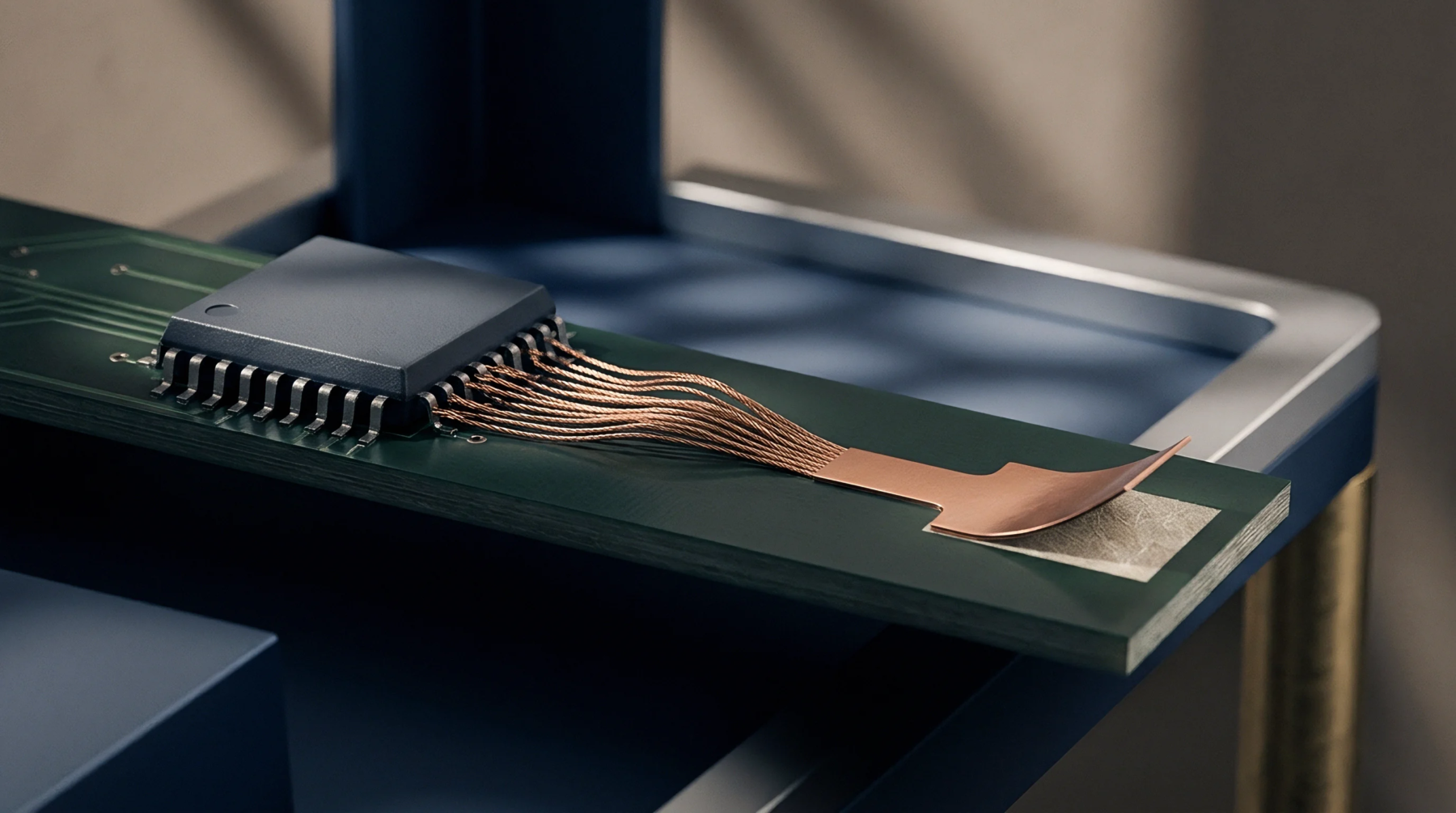
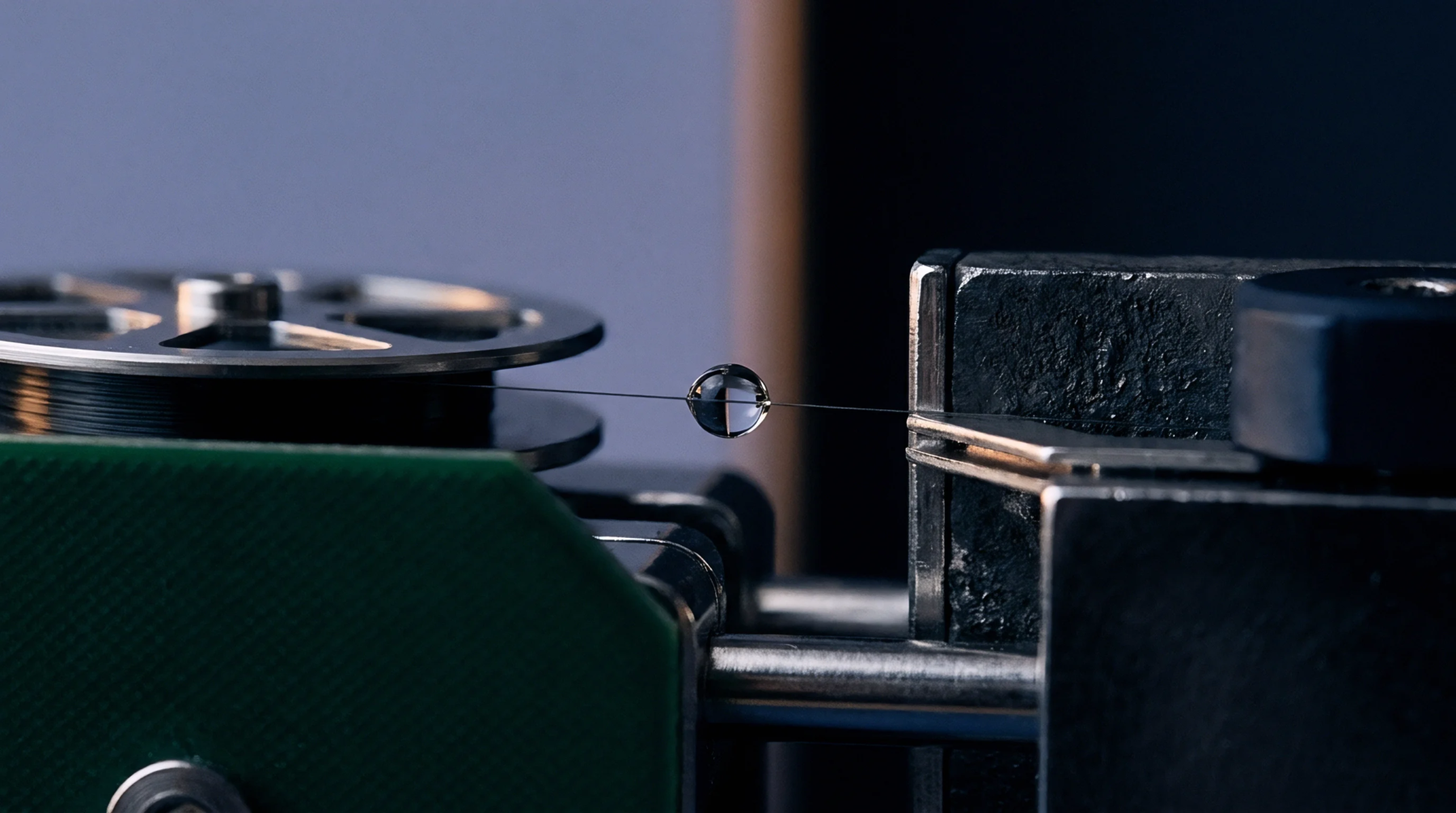
Annealed electrolytic tough pitch material undergoes mechanical stretching during inner layer lamination to quantify copper foil ductility before circuit board fabrication begins. Manufacturers test elongation percentage on unsupported strips pulled inside universal testing machines until tensile fracture occurs. Values dropping below standard thresholds indicate over-annealing or grain boundary contamination that causes microstructural failure during thermal shock testing.
High elongation properties prevent conductor barrel cracking when plated through holes experience thermal expansion stresses during wave soldering operations.
Thermal Stress
Laminated printed circuit boards endure molten solder contact temperatures reaching two hundred eighty-eight degrees Celsius during assembly processing. Insufficient metallic stretch capability causes heavy shear forces across vertical interconnects as dielectric substrates expand faster than copper conductors. Microscopic cracks propagate along grain boundaries when internal residual stresses exceed the yield strength of brittle metal layers.
Destructive cross section analysis after thermal excursion testing reveals barrel separation faults originating from poor baseline material stretch performance.
Strain Tolerance
Etched signal traces absorb continuous mechanical deflection whenever operational environments induce vibration across completed circuit board assemblies. Adequate metallic ductility allows conductors to flex repeatedly without inducing work hardening fatigue failures within fine line circuitry. Designers specify minimum elongation percentages to guarantee structural integrity throughout multilayer lamination and subsequent component attachment cycles.