Surface Durability
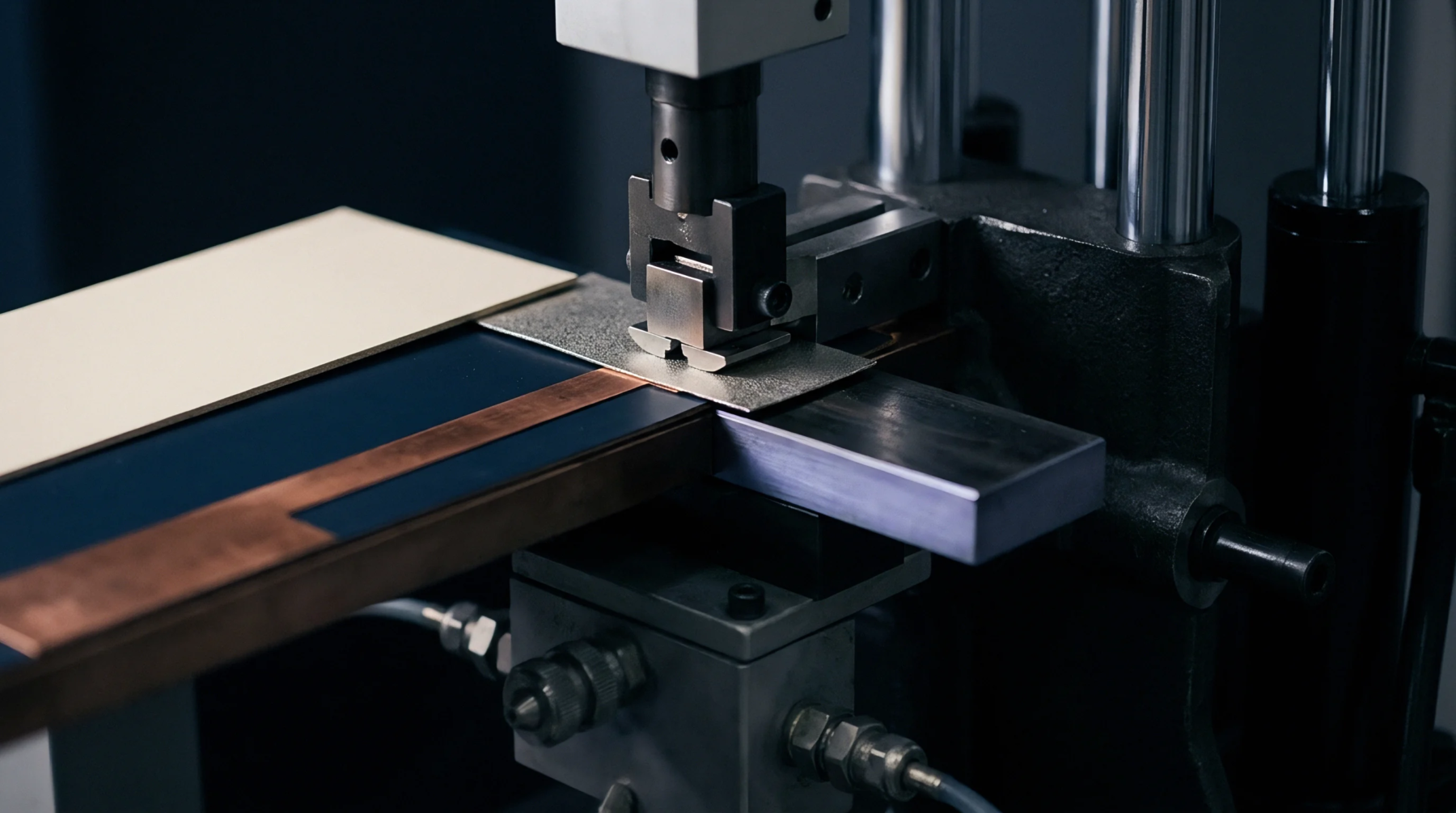
Damage evaluation methods quantify the physical resilience of conformal coatings or solder masks against controlled force applications. Cross-hatch mechanical abrasion provides a standardized assessment of adhesion and film integrity by introducing precise linear cuts into a polymer matrix. Technicians draw a lattice pattern through the thickness of the coating to the underlying substrate to expose isolated squares of material.
A pressure sensitive tape attaches to this prepared area and undergoes a forceful removal at a fixed angle to test the bonding strength between the film and the board surface. Resulting observations categorize the percentage of lifted squares based on established visual charts that determine if the finish meets the required bonding specification.
Abrasion Mechanism
Force distribution across the lattice edges highlights localized weaknesses in the polymerization process of the dielectric layer. High levels of stress concentration during the removal step pull against the chemical bonds formed during the curing phase of manufacturing. A clean separation of the film from the copper surface suggests an incomplete cleaning operation or a chemical mismatch between the substrate and the protective layer.
Poor adhesion allows moisture or ionic contaminants to travel beneath the coating and initiate electrochemical migration or dendritic growth. Successful adhesion keeps the squares intact despite the application of tension.
Quality Protocol
Standardized testing procedures ensure that boards remain reliable under environmental conditions involving vibration or thermal expansion. Verification occurs during the post-fabrication stage before assembly components populate the circuit paths. Verification confirms that the coating process maintains sufficient hold to prevent peeling or flaking during the operational lifespan of the product.
Flaws identified by this method signal an urgent need for adjustments to the cleaning agents or the baking profile in the curing oven. Consistent performance on these tests reduces the risk of field failures attributed to delamination.