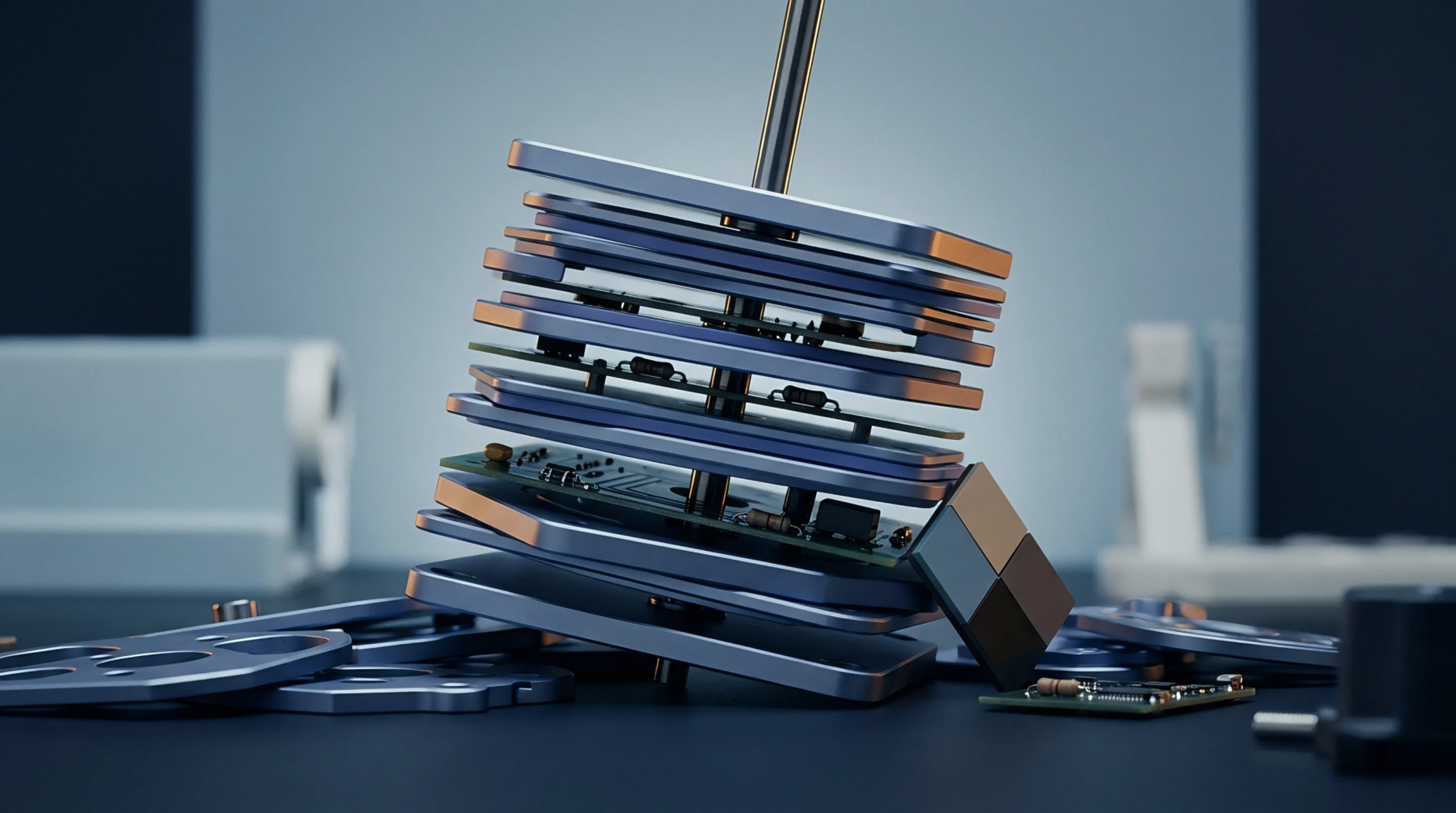
Line Throughput
Operational metrics in printed circuit board assembly lines quantify the duration required to complete a single board through all process steps. This cycle time impact measures how changes in component placement speed, solder paste inspection times, or oven conveyor speeds alter the total production rate. Process engineers monitor these deviations to identify where additional line capacity can be gained or where new bottlenecks might form.
Solder deposition, surface mount placement, inspection, and thermal reflow are the primary areas where variations alter overall efficiency. Accurate measurements of these variations prevent schedule overruns and optimize line loading.
Machine Bottleneck
Placement machines often determine the maximum speed of an assembly line due to high component counts. When cycle time impact occurs at this stage, it delays all downstream processes like inspection and thermal reflow. Line balancing redistributes component placement tasks among multiple heads or separate machines to minimize these delays.
Adding even a single large component can alter the entire balance.
Optimization Strategy
Manufacturers evaluate process adjustments by calculating the resulting changes in total throughput before modifying physical layouts. Simulation software models different component distributions to predict these effects accurately. High mix production environments benefit from minimizing setup changeovers to keep runtime high.
Reducing nozzle changes on placement heads represents a typical method to maintain consistent output.