Acoustic Transmission
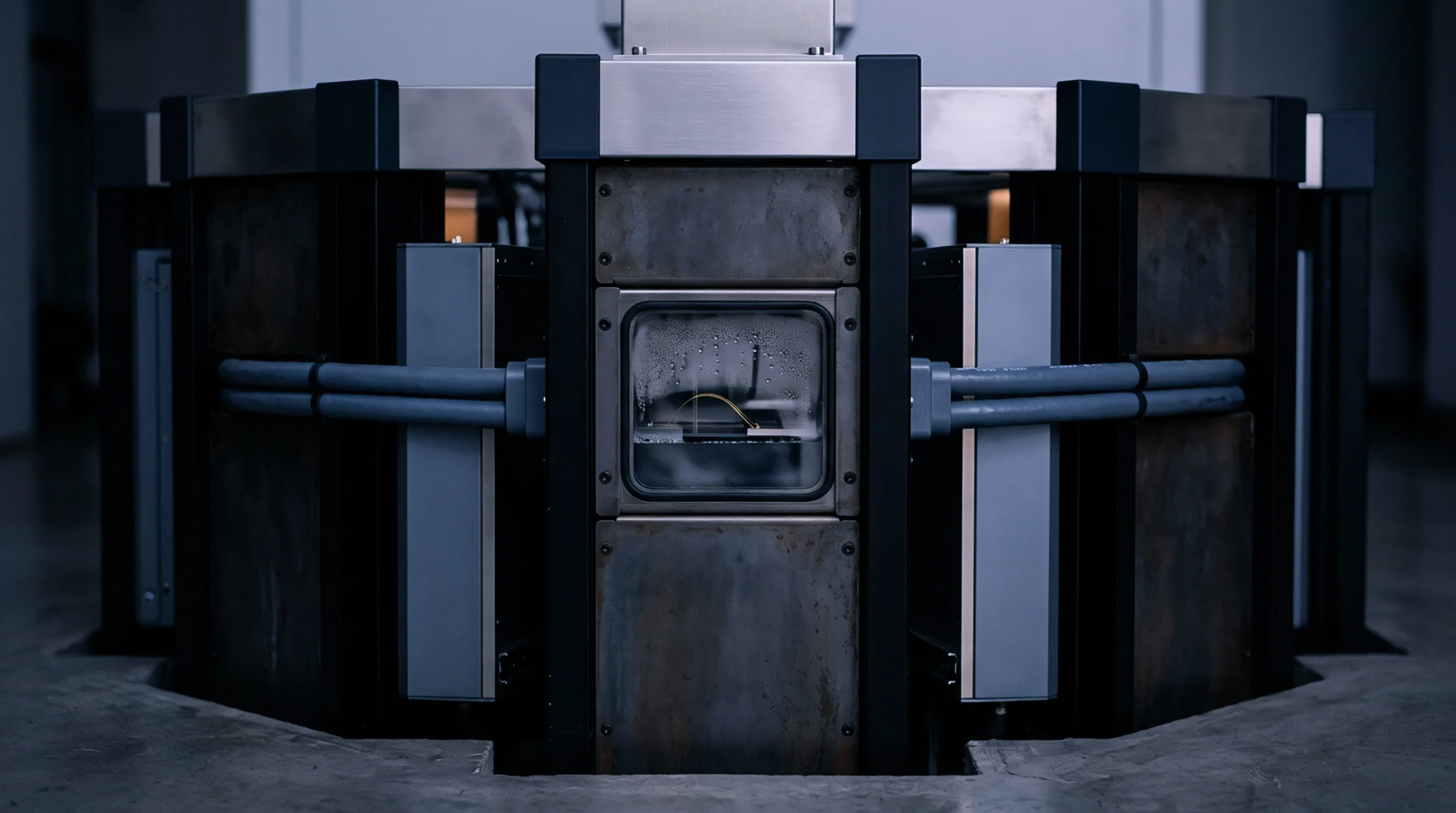
Acoustic impedance matching standards require fluid media that transfer high-frequency ultrasonic energy without signal degradation or chemical contamination. Deionized water coupling provides the acoustic transfer medium between the scanning transducer lens and the electronic component under inspection. High-frequency sound waves above twenty megahertz attenuate rapidly in air, requiring a dense fluid medium to transmit acoustic pulses effectively.
Water exhibits a favorable speed of sound near fifteen hundred meters per second and low bulk acoustic absorption at megahertz frequencies.
Impedance Matching
Liquid immersion eliminates air pockets at the transducer interface that would otherwise reflect incoming ultrasonic pulses before reaching the sample surface. Precise temperature regulation of the water bath maintains a constant sound velocity, preventing drift in time-of-flight measurements during automated scanning. Dissolved gases are extracted through vacuum degassing to eliminate micro-bubbles that scatter ultrasound and produce false void signatures.
Uniform wetting agents are sometimes added in trace amounts to reduce surface tension on hydrophobic solder mask surfaces without raising fluid conductivity. Acoustic coupling efficiency directly governs signal-to-noise ratios during high-resolution acoustic microscopy.
Contamination Boundary
Resistivity monitoring governs the suitability of the fluid during immersion testing of unencapsulated devices. Deionized water coupling stops providing safe acoustic transmission when ion accumulation drops fluid resistivity below acceptable electronics manufacturing thresholds. Unsealed package structures or exposed silver plating require alternative dry coupling methods to prevent moisture ingress or corrosion.