Volume Reconstruction
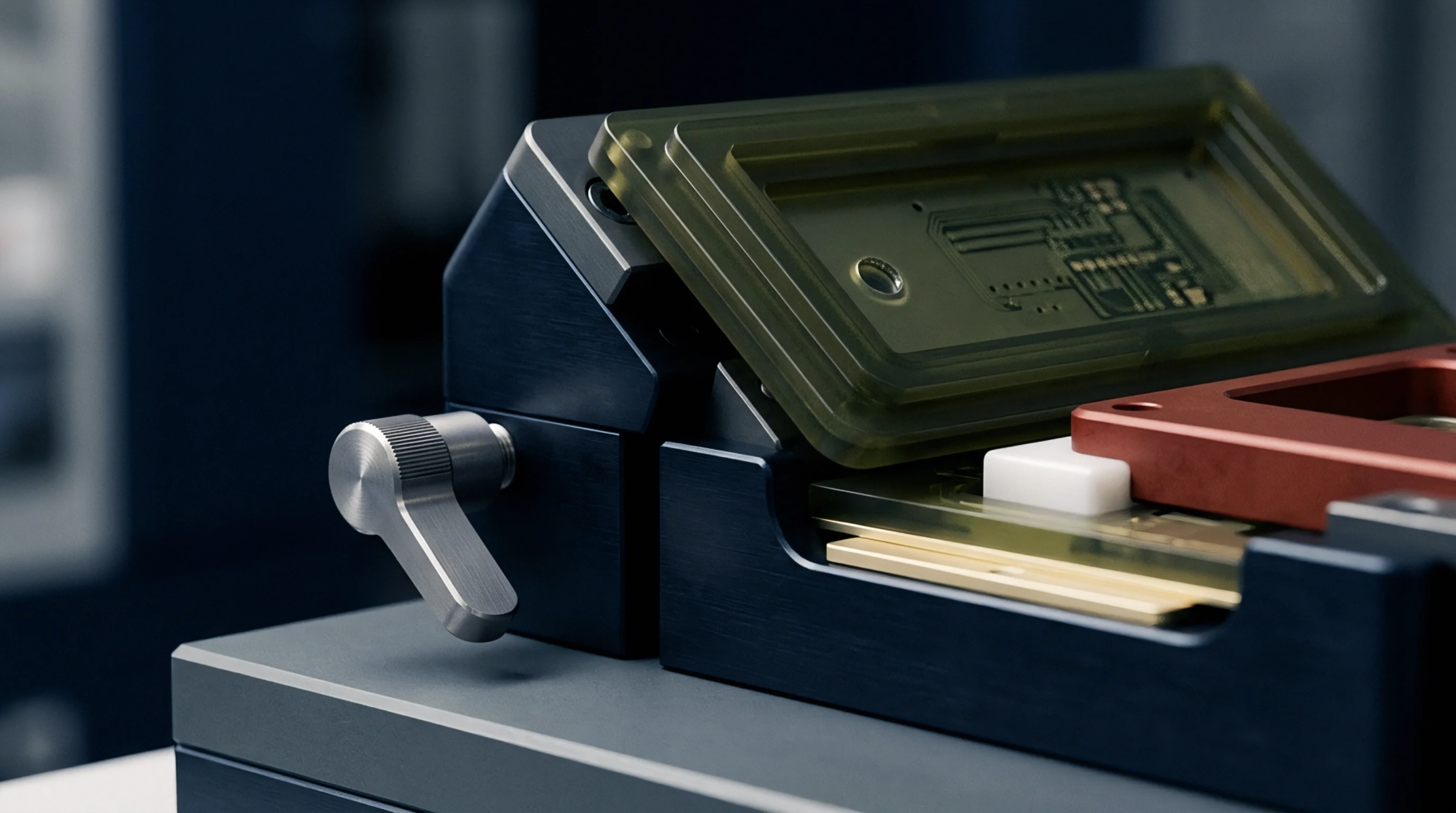
Three-dimensional imaging techniques capture multiple projections of a circuit board from various angles to create a series of cross-sectional slices. Using digital tomosynthesis allows inspectors to separate the top and bottom layers of a double-sided assembly without physical sectioning. This process reconstructs a clear view of specific planes by shifting and adding the individual images.
Component bodies and copper planes that overlap in a standard top-down view are effectively isolated.
Inspection Depth
Mathematical algorithms process the raw projection data to sharpen the focus on a specific horizontal slice while blurring features above and below it. Implementing digital tomosynthesis solves the problem of overlapping solder joints in complex multi-layer boards. The depth of the reconstructed plane is adjustable, enabling the inspection of BGA ball interfaces and through-hole barrel fill independently.
Higher numbers of projections increase the vertical resolution but also extend the total cycle time for each panel. This approach avoids scanning the entire board at maximum resolution.
Defect Visualization
Visualizing internal structures in three dimensions reveals defects that are hidden in traditional transmission x-ray systems. Use of digital tomosynthesis is particularly effective for identifying head-in-pillow joints where the solder ball and paste have not coalesced. It also detects subtle voiding patterns and misaligned internal traces.
The resulting data set provides a detailed view of the mechanical integrity of the assembly.